
As the global community accelerates the transition toward a low-carbon economy, a sophisticated and well-funded opposition has emerged to challenge the expansion of renewable energy infrastructure. This phenomenon, characterized by a mix of genuine local concerns and coordinated disinformation, has become a significant hurdle for policymakers and climate advocates. From viral social media posts claiming offshore wind turbines are responsible for whale strandings to assertions that solar farms permanently destroy agricultural productivity, the narrative landscape is increasingly cluttered with claims that lack scientific backing. Industry analysts and communication experts identify this trend not as a spontaneous grassroots movement, but as a strategic effort to preserve the status quo of the fossil fuel industry. By understanding the mechanisms of this disinformation campaign, the distinction between misinformation and disinformation, and the underlying data regarding renewable technologies, stakeholders can better navigate the complexities of the modern energy discourse.
The Strategic Evolution of Climate Obstructionism
The current wave of opposition to renewable energy represents a tactical shift in the long-term strategy of fossil fuel interests. For decades, the primary goal of climate obstruction was the denial of anthropogenic global warming. However, as the scientific consensus became undeniable and the physical impacts of climate change more visible, the strategy pivoted toward "climate delay." This involves acknowledging the reality of climate change while simultaneously undermining the viability of the solutions required to address it.
Chronologically, this evolution can be traced back to the late 20th century. Internal documents from major oil companies, such as those famously revealed in the "Exxon Knew" investigations, show that industry scientists were aware of the link between fossil fuel combustion and global warming as early as the 1970s. Despite this internal knowledge, public-facing campaigns were launched to sow doubt about climate science. By the 2010s, as wind and solar costs plummeted and deployment surged, the focus shifted toward attacking the reliability, aesthetics, and environmental impact of renewable infrastructure. Today, the campaign has moved into the digital age, utilizing bot networks, "astroturfing" (the practice of creating fake grassroots organizations), and targeted social media advertisements to influence local zoning boards and public opinion.

Distinguishing Misinformation from Strategic Disinformation
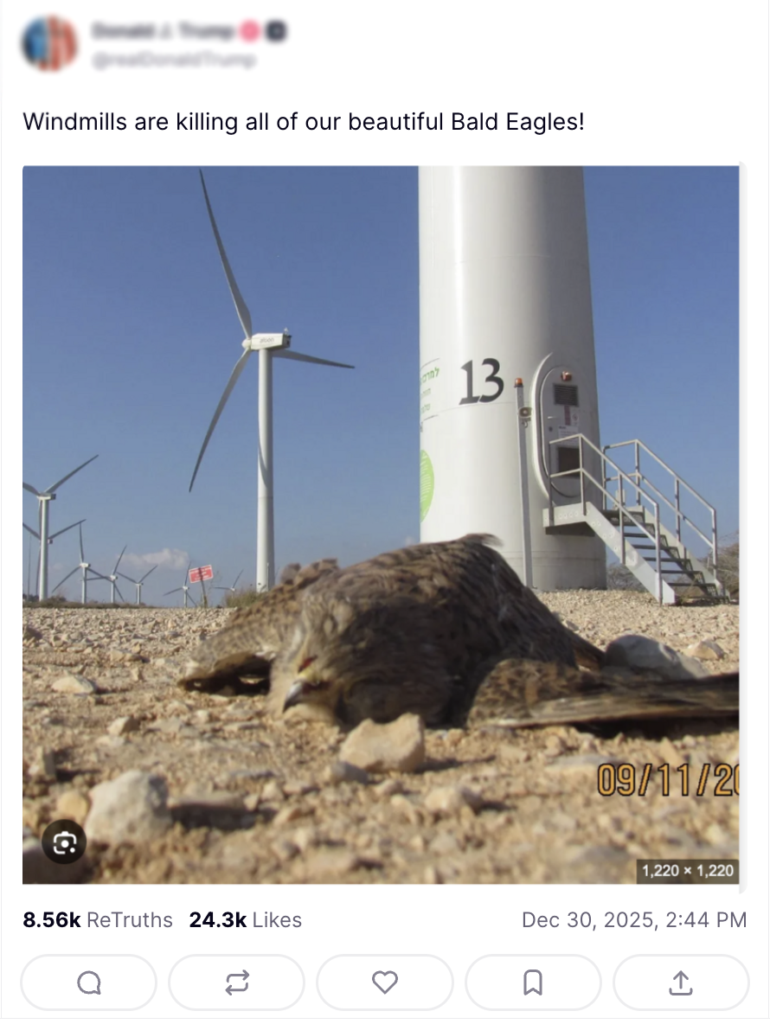
A critical component of modern communication theory is the distinction between misinformation and disinformation. Misinformation refers to false or inaccurate information that is spread regardless of an intent to deceive. An example provided by researchers includes a concerned citizen sharing a post about bird deaths from wind turbines because they genuinely value wildlife. While the information may be incomplete or taken out of context, the motive is not malicious.
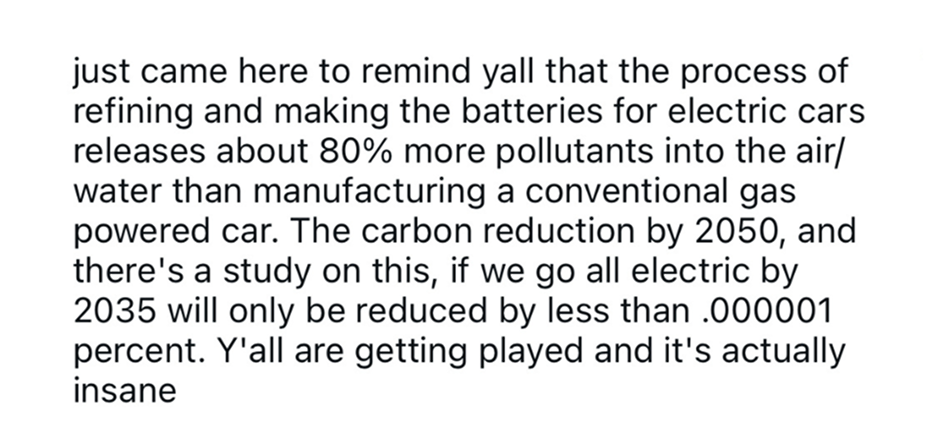
Disinformation, conversely, is the deliberate creation and distribution of false or misleading information with the intent to deceive or manipulate a target audience. In the context of the energy transition, disinformation often involves "red herrings"—logical fallacies that distract from the primary issue—and "straw man" arguments, which misrepresent an opponent’s position to make it easier to attack. When fossil fuel-funded think tanks produce reports that selectively highlight the mineral intensity of electric vehicle (EV) batteries while ignoring the total lifecycle emissions of internal combustion engines, they are engaging in a coordinated disinformation effort designed to stall the transition and protect market share.
Comparative Lifecycle Analysis: Electric Vehicles vs. Internal Combustion
One of the most persistent narratives in the anti-renewable campaign concerns the environmental impact of electric vehicles. Critics frequently point to the resource-intensive nature of lithium-ion battery production as proof that EVs are as harmful as, if not more than, conventional gasoline-powered cars. However, empirical data from leading scientific institutions provides a different conclusion.
According to research conducted by the Massachusetts Institute of Technology (MIT) Energy Initiative, the lifecycle emissions of EVs are significantly lower than those of their internal combustion counterparts. On average, gasoline cars emit more than 350 grams of CO2 per mile driven over their entire lifetime, accounting for manufacturing, fuel extraction, and tailpipe emissions. In contrast, hybrid and plug-in hybrid versions average approximately 260 grams per mile. Fully battery-electric vehicles (BEVs) create just 200 grams per mile.
Furthermore, as the electrical grid becomes "greener" with the addition of more solar and wind capacity, the carbon footprint of an EV continues to decrease over its service life. A gasoline car’s emissions, however, remain static or increase as the engine loses efficiency over time. The International Energy Agency (IEA) notes that while mineral demand for EVs is high, the industry is rapidly evolving toward recycling and alternative chemistries that reduce reliance on cobalt and other sensitive materials—a level of circularity that is impossible for consumed fossil fuels.
Addressing the Ecology of Offshore Wind and Bird Populations
The visual impact of wind turbines has long been a flashpoint for local opposition, but recently, environmental concerns have been weaponized to block offshore projects. One of the most common claims is that offshore wind farms are causing an "avian apocalypse." While it is true that wind turbines can cause bird fatalities, the scale of this impact must be viewed within a broader context of human-induced mortality.
The American Bird Conservancy and the National Audubon Society have noted that while they advocate for "bird-smart" wind development, wind turbines account for a tiny fraction of total bird deaths compared to other anthropogenic sources. Data suggests that domestic cats kill an estimated 2.4 billion birds annually in the United States alone. Collisions with glass buildings account for nearly 600 million deaths, and vehicles contribute another 200 million. Wind turbines, by comparison, are responsible for approximately 500,000 deaths—less than 0.01% of the total.
The narrative regarding offshore wind and marine life, particularly whales, has also been scrutinized by federal agencies. The National Oceanic and Atmospheric Administration (NOAA) and the Bureau of Ocean Energy Management (BOEM) have stated that there is no scientific evidence linking offshore wind site characterization (such as sonar mapping) to whale strandings. Instead, researchers point to "unusual mortality events" linked to vessel strikes and entanglements in fishing gear, compounded by shifting prey patterns caused by warming ocean temperatures—the very climate change that renewable energy aims to mitigate.
Economic Implications and the Role of Fossil Fuel Funding
The financial motivation behind these disinformation campaigns is substantial. The transition to renewable energy represents a fundamental threat to the business models of companies that have dominated the global energy market for over a century. While many major oil and gas corporations have publicly pledged support for "net-zero" goals, their capital expenditure tells a different story.
Reports from the InfluenceMap platform indicate that the world’s five largest publicly traded oil and gas companies spend hundreds of millions of dollars annually on climate-related branding and lobbying that is often inconsistent with the goals of the Paris Agreement. This "greenwashing" involves promoting low-carbon credentials in advertisements while simultaneously funding trade associations that lobby against stricter emissions standards or renewable energy mandates.
Economically, the transition to renewables is increasingly driven by market forces rather than just subsidies. The Levelized Cost of Energy (LCOE) for utility-scale solar and onshore wind has fallen by 89% and 70%, respectively, over the last decade. In many parts of the world, it is now cheaper to build new renewable capacity than to continue operating existing coal or gas plants. This economic reality is a primary driver for the intensification of disinformation; when the technology can no longer be defeated on price, it must be defeated on public perception.
Navigating the Path Forward: Accountability and Advocacy
To counter the tide of disinformation, experts suggest a multi-pronged approach focused on media literacy, scientific transparency, and civic engagement. Identifying the source of information is the first step in discernment. Articles or social media campaigns that make sensationalist claims without citing peer-reviewed research or official government data should be treated with skepticism.

Advocacy organizations, such as Protect Our Winters (POW), emphasize the importance of local political participation. Many decisions regarding renewable energy deployment happen at the municipal level, where disinformation can be most effective in small, echo-chamber environments. By attending town hall meetings, supporting pro-renewable candidates, and sharing fact-based information within their communities, citizens can act as "pillars of truth" for climate progress.
The transition to a clean energy economy is an industrial revolution of unprecedented scale. Like any major shift, it requires the development of new infrastructure, which inherently involves trade-offs. However, the choice is not between a perfect energy source and a flawed one; it is between a fossil fuel system that is the primary driver of ecological collapse and a renewable system that, while requiring responsible management and mineral extraction, offers a viable path toward a stable climate. In the face of coordinated campaigns designed to stall this progress, the most potent tool for the public is a commitment to evidence-based reality and a refusal to let perfection become the enemy of the necessary.

