
Winter sports enthusiasts understand that low temperatures can swiftly curtail an otherwise exhilarating day on the slopes. For skiers, snowboarders, and outdoor workers who suffer from chronic cold hands or medical conditions such as Raynaud’s disease, battery-powered heated gloves have transitioned from a luxury novelty to an essential piece of technical equipment. Navigating the sub-zero environments of mountain ranges from Vermont to Vancouver, expert gear testing panels have evaluated the latest iterations of heated handwear to establish the definitive market standards for the 2026 winter season.

Background Context and Technological Evolution
The development of heated handwear has accelerated significantly over the past decade, driven by advancements in lithium-ion battery density, flexible carbon-fiber heating elements, and smart-textile integration. Historically, heated gloves relied on rigid, bulky wiring powered by heavy external packs that compromised dexterity and added unnecessary weight to the wrist. Modern iterations, however, utilize ultra-thin conductive threads woven directly into the fabric matrix, distributing warmth evenly across the back of the hand and extending down into individual fingertips.
Manufacturers have increasingly adopted advanced insulation materials—such as PrimaLoft, 3M Thinsulate, and proprietary gel layers—combined with durable outer shells constructed from full-grain leather or weather-resistant softshell fabrics. These technological leaps allow modern heated gloves to maintain core thermal retention even when the internal battery systems are powered off. As sub-zero weather events become increasingly unpredictable across traditional North American ski destinations, consumer demand for reliable, high-performance thermal gear has surged, prompting major outdoor brands to refine their product lines annually.
Testing Methodology and Environmental Conditions
To establish objective performance metrics, a specialized testing team comprising veteran outdoor journalists, alpine patrollers, and endurance athletes put a curated selection of heated gloves and mittens through rigorous field trials. The evaluation pool included eight newly introduced styles for the 2026 season alongside five established benchmark models from previous years.
Testing protocols were conducted in punishing environments, including the Green Mountains of Vermont, the Sawtooths of Idaho, the Tetons of Wyoming, and the Wasatch Range of Utah. Ambient temperatures during the testing phases frequently dropped below -10 degrees Fahrenheit, accompanied by high winds and heavy storm cycles. Testers evaluated each product based on specific criteria:
- Battery longevity across various thermal output settings (low, medium, high, and boost).
- Ergonomic fit, dexterity, and ease of operating power controls with gloved hands.
- Charging efficiency and battery management systems.
- Weather resistance, including waterproof membranes and seam integrity.
- Overall durability under intensive alpine use, such as handling ski poles, shoveling snow, and managing equipment.
Comprehensive Evaluation of Top-Performing Heated Handwear
The 2026 market offers specialized solutions tailored to distinct user needs, ranging from premium, multi-feature alpine gloves to budget-conscious alternatives and everyday softshell options.
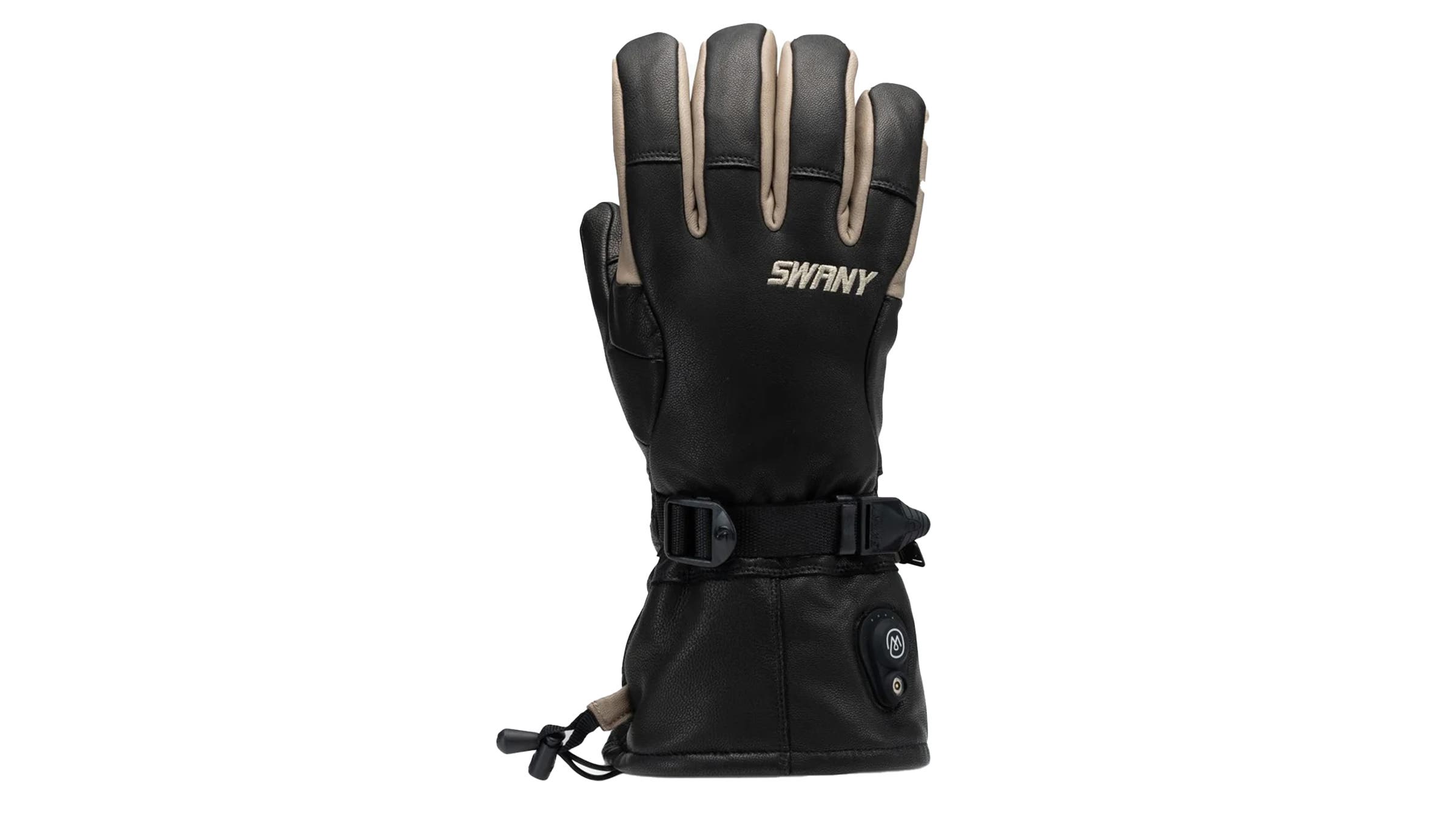
Best Heated Gloves Overall: Swany Nexus Heated Glove
Priced at approximately $480, the Swany Nexus establishes the benchmark for overall performance. Utilizing an innovative heating platform known as ewool, the gloves feature dedicated heating elements extending to the tips of every finger and thumb. Paired with a supple, pre-curved leather shell, brushed interior liner, and low-bulk PrimaLoft insulation, testers lauded the Nexus for unmatched comfort and warmth. The inclusion of high-capacity 22Wh batteries ensures sustained heat output, supported by haptic feedback vibration alerts for power adjustments. A notable design feature is the magnetic charging port on the cuff, which eliminates the need to remove batteries for recharging. While lacking touchscreen compatibility, the Nexus delivers elite performance for snowmobilers, skiers, and winter adventurers.
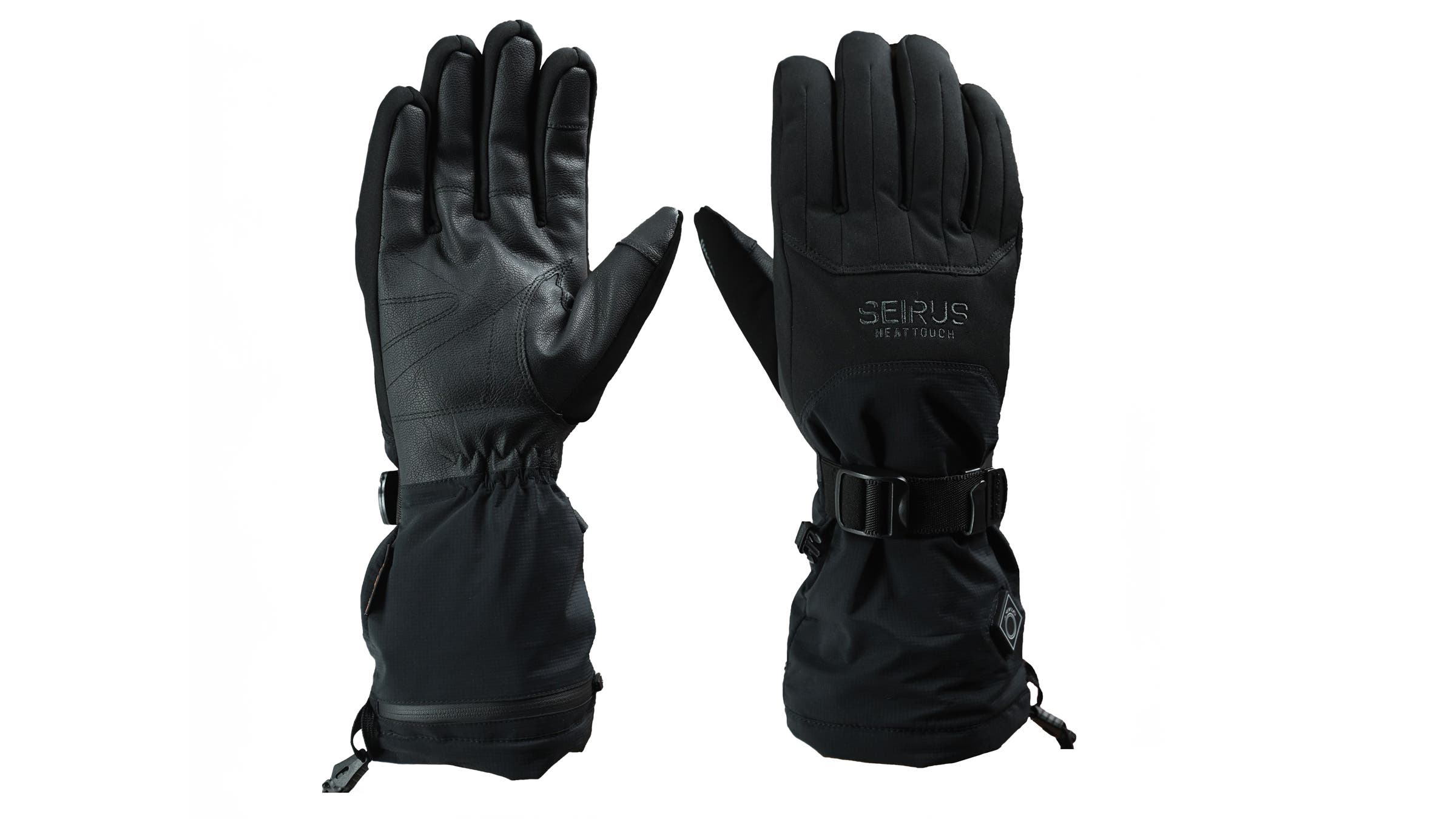
Best Value Heated Glove: Seirus Heat Touch Atlas Gloves
Retailing under $300 at approximately $260, the Seirus Heat Touch Atlas proves that high-performance thermal gear can be accessible. Drawing on Seirus’s four decades of glove-manufacturing experience, the Atlas features a lightweight, stretchy softshell exterior, a durable synthetic leather palm, and 240 grams of synthetic insulation. Powered by a 16.28Wh lithium polymer battery, the gloves successfully sustained a full day of alpine skiing on lower thermal settings. Testers highlighted the intuitive single push-button control featuring clear color-coded indicators, as well as the integration of a waterproof breathable insert.
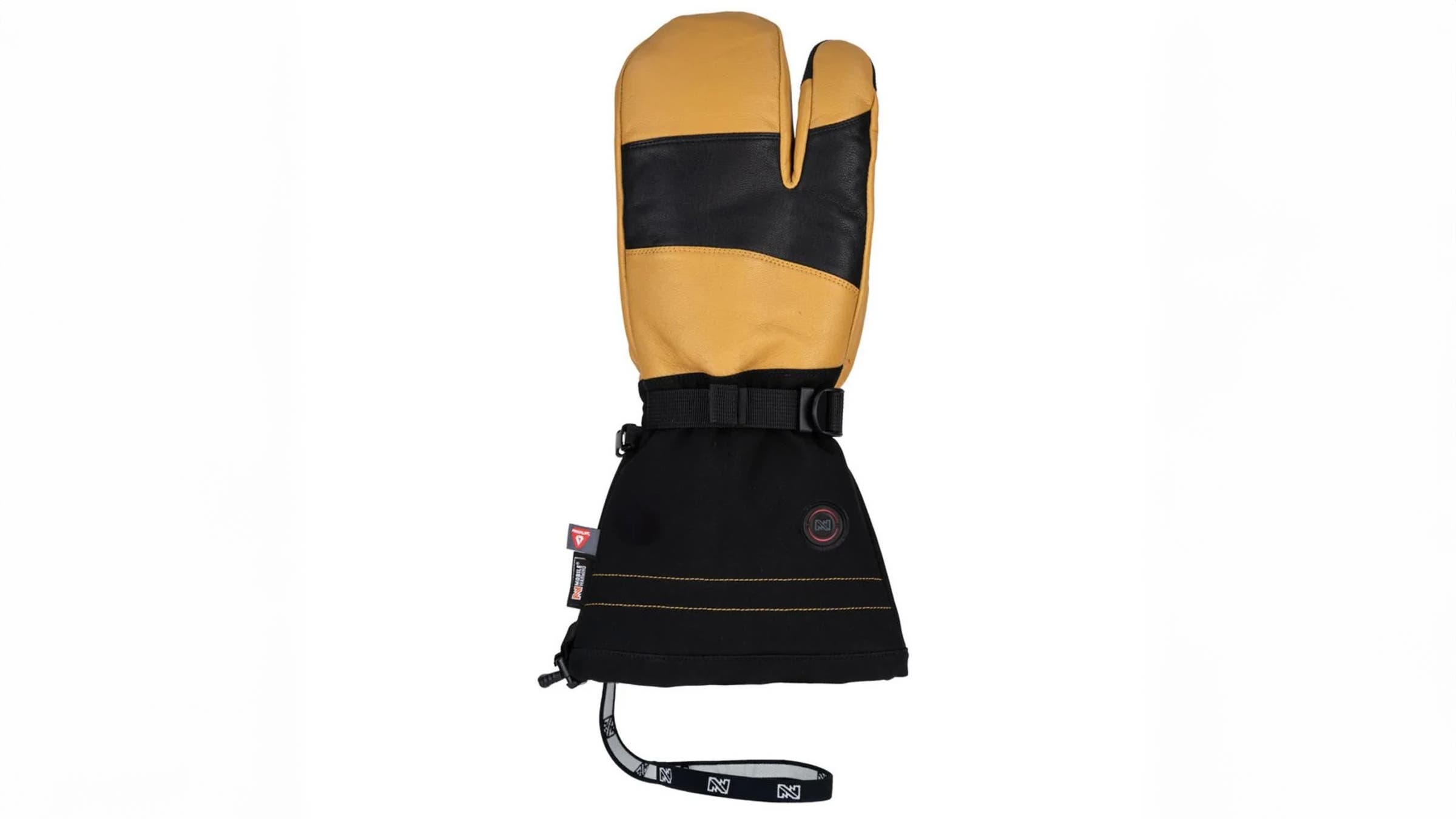
Best Value Heated Mitten: Mobile Warming Alta Hybrid Mittens
Priced between $200 and $210, the Alta Hybrid Mitten utilizes a split-finger "lobster" design that bridges the gap between the thermal efficiency of a mitten and the dexterity of a glove. Constructed from durable goat leather with a woven polyester cuff, these mitts feature independent heating coils wrapped around each finger. Testers noted exceptional performance during bell-to-bell skiing on brutally cold days, aided by four distinct heat levels and a waterproof membrane. Despite a slightly longer charging window of four to five hours, the Alta Hybrid offers broad sizing from XS to 3XL.
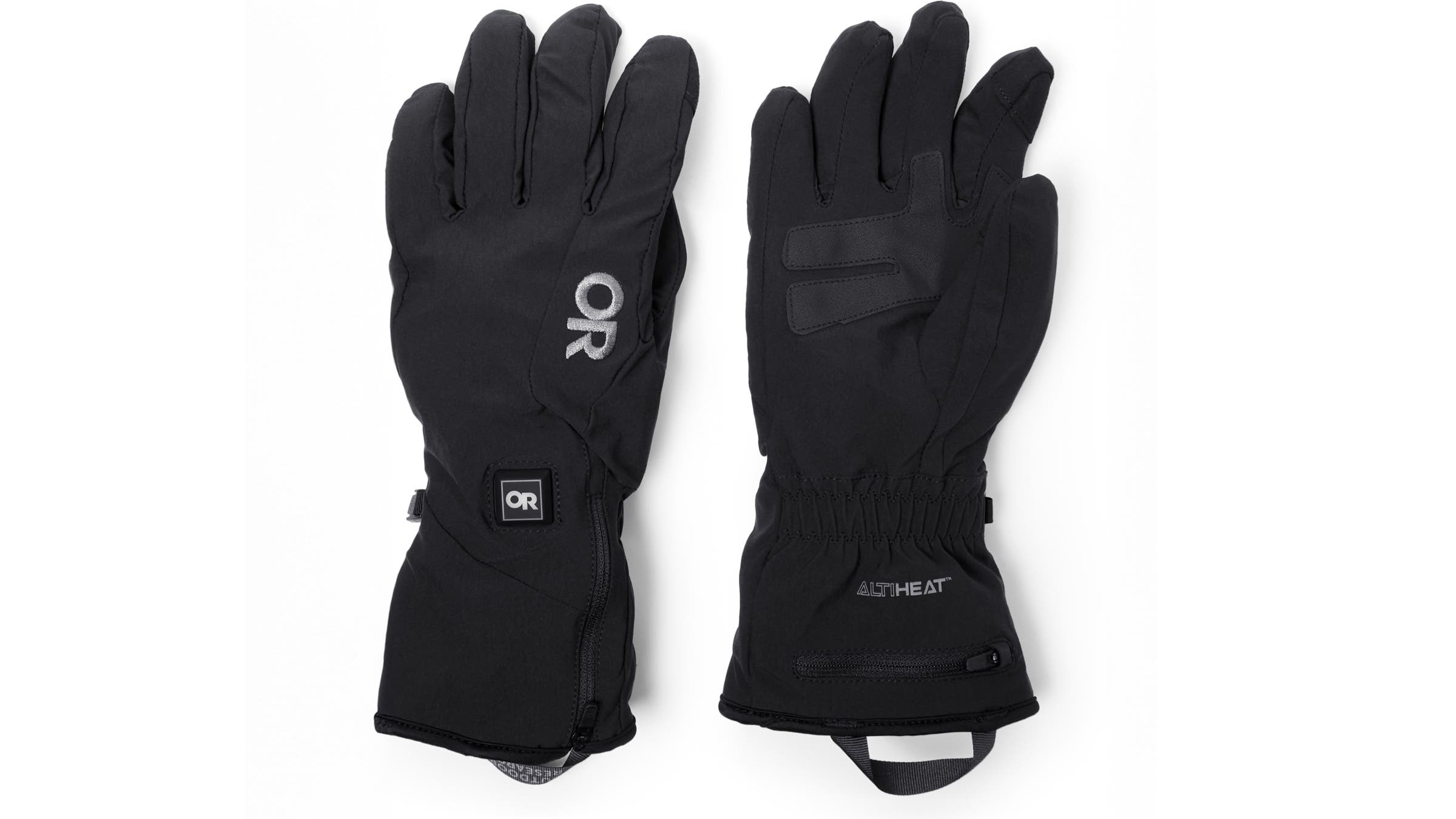
Best Everyday Heated Glove: Outdoor Research Sureshot Heated Soft-Shell Gloves
Priced at $325, the Outdoor Research Sureshot targets active winter pursuits and users requiring moderate, highly breathable warmth. Lacking a waterproof membrane, the two-layer softshell glove excels during high-output activities like ski touring, hiking, or cold-weather commuting, preventing sweat accumulation while utilizing ALTIHeat lithium-ion battery technology.
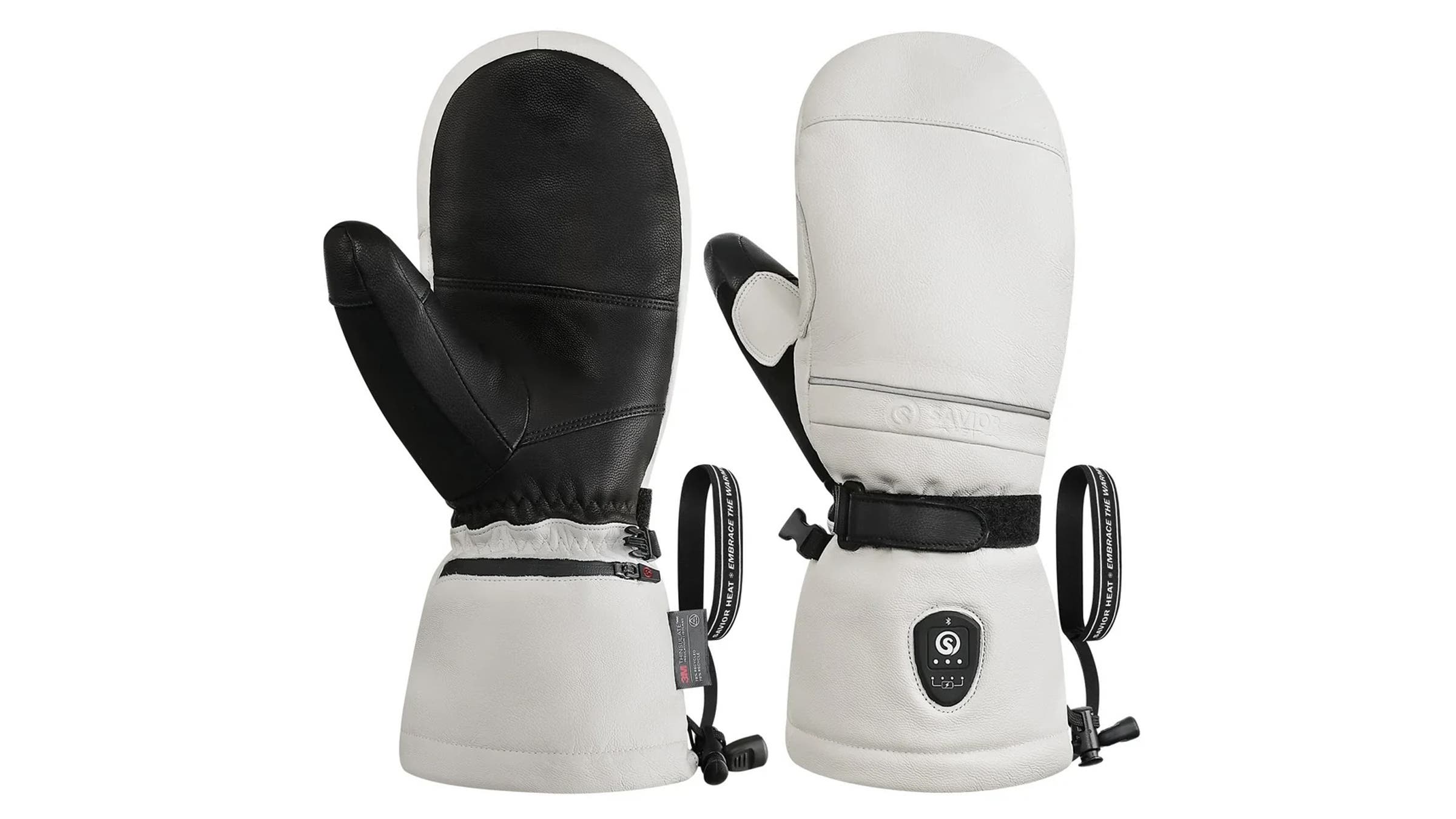
Most Fashionable: Savior EH8 Pro Extreme Cold Heated Ski Mittens
Retailing at $310, the Savior EH8 Pro merges aesthetic refinement with technical capability. Utilizing a buttery leather shell paired with a gel and 3M insulation composite, these mittens deliver up to nine hours of continuous heat on the lowest setting. The system supports smartphone application integration for temperature pre-heating, custom timers, and manual cuff-button adjustments.
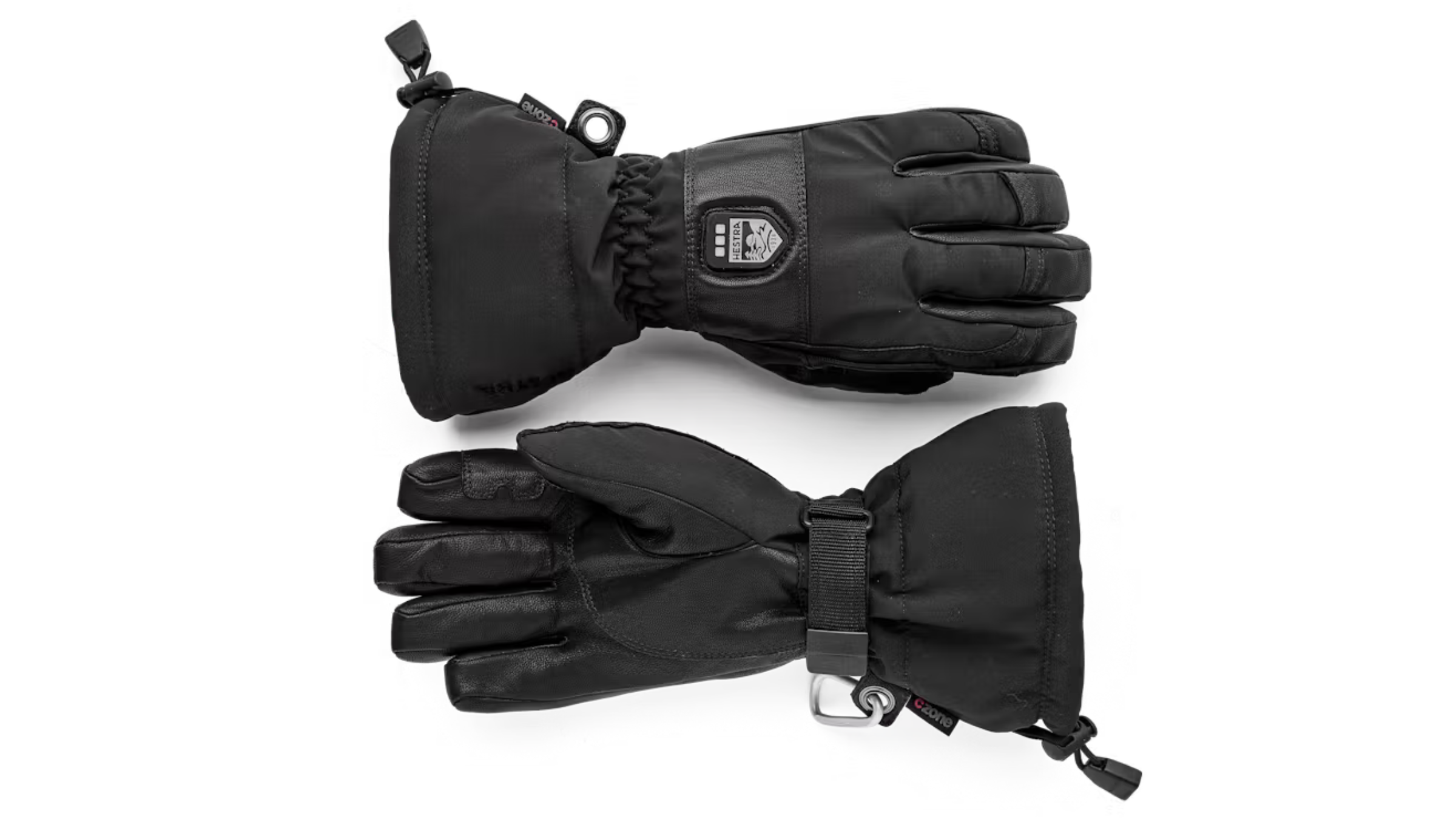
Best Splurge: Hestra Heater Gauntlet Gloves
At the apex of the market, the $550 Hestra Heater Gauntlet represents the ultimate investment for serious skiers. Built with a robust goatskin palm, water-resistant softshell backing, and articulated battery pockets integrated into the gauntlet seam, these gloves maintain an internal hand temperature approximating natural human body heat (98.6 degrees Fahrenheit) without overheating the user. Long-term testing confirmed exceptional durability, structural reliability, and superior craftsmanship.
Additional Category Standouts
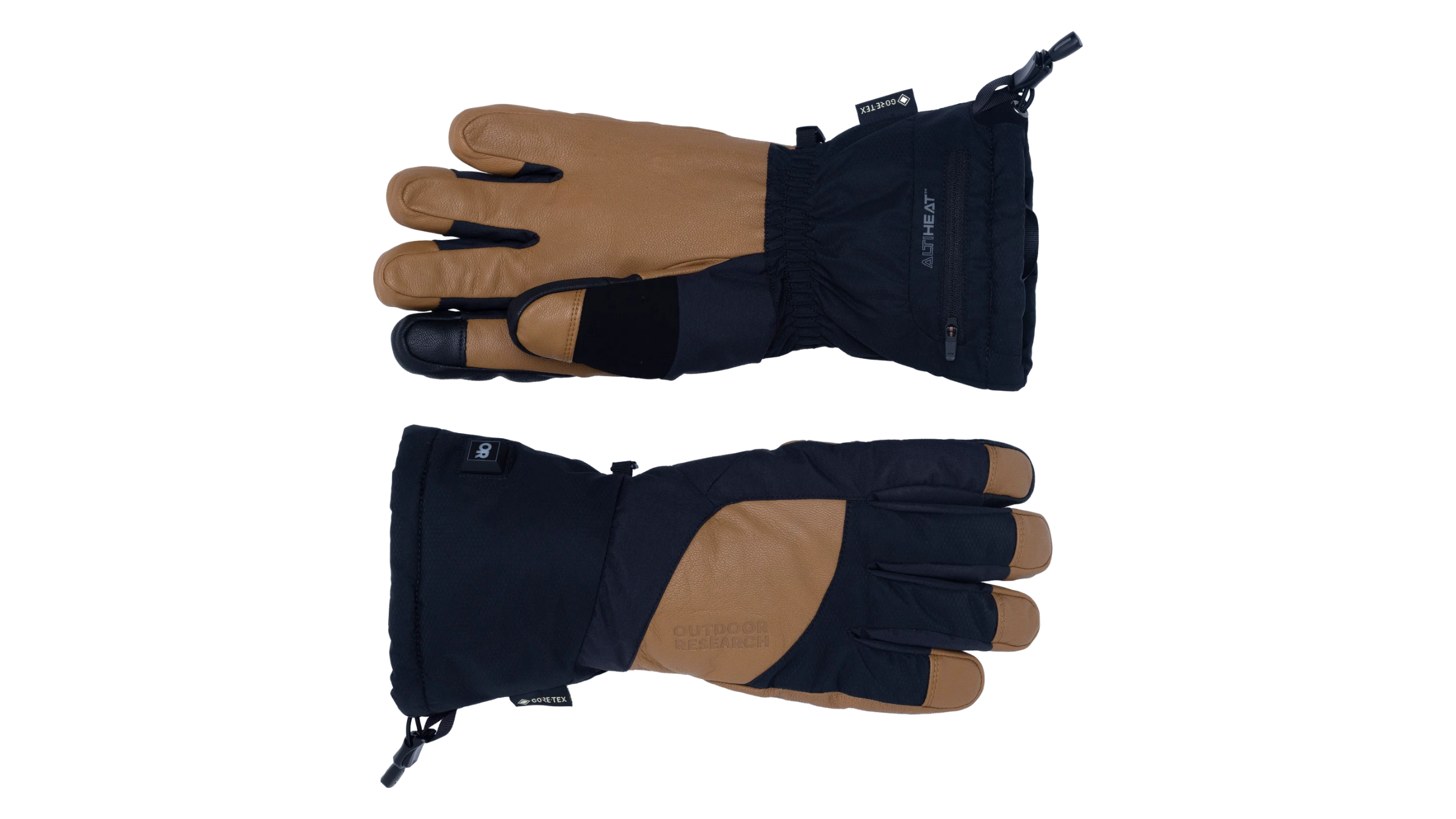
- Best for Spring Skiing: Outdoor Research Prevail Heated Gore-Tex Gloves ($400), offering full waterproofing and long gauntlets suited for alpine patrollers and mountaineers.
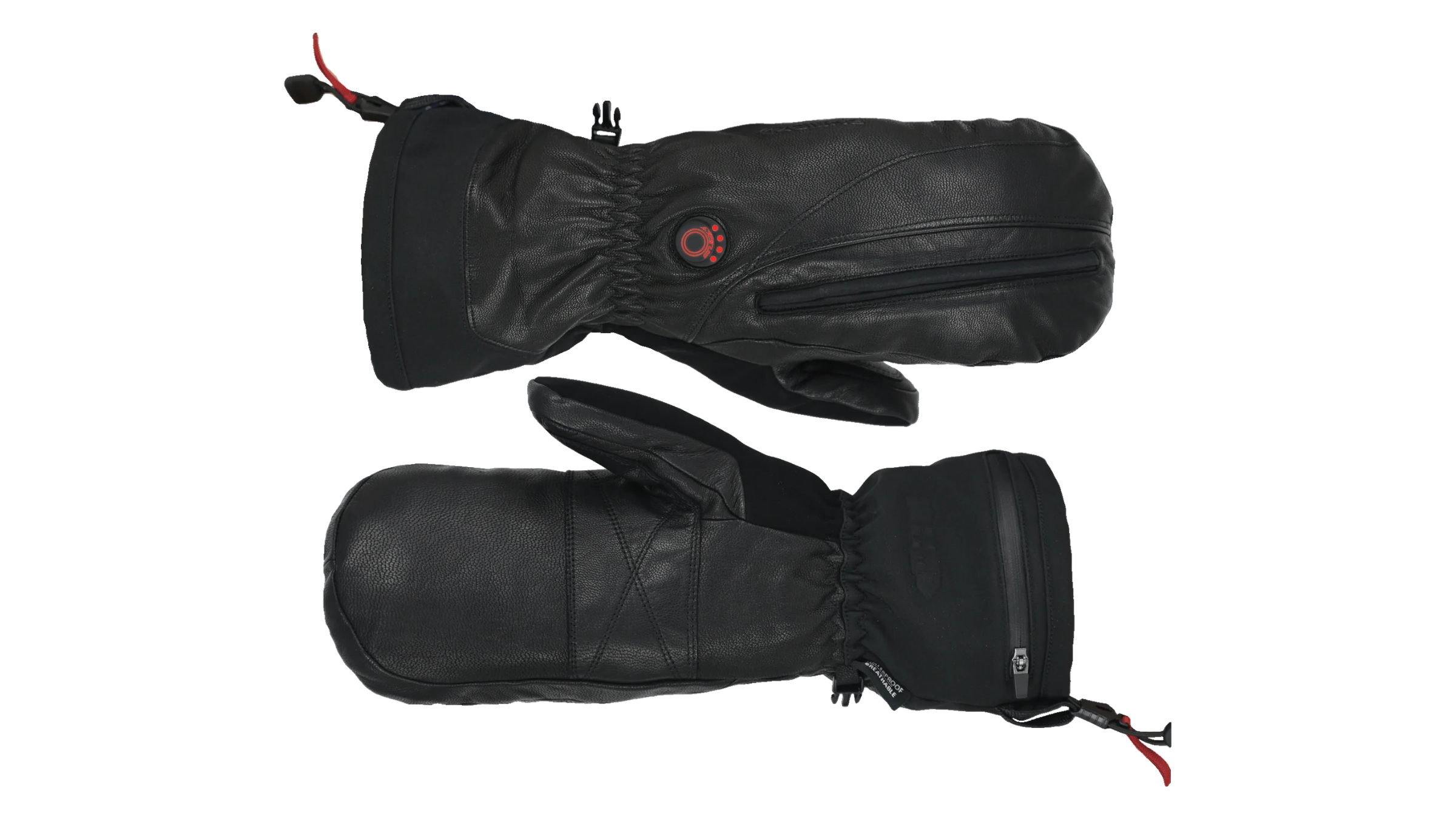
- Best Heated Mitten: Seirus Heat Touch Hellfire Heated Mitten ($550), featuring a magnetic finger-tip release system and up to 12 hours of battery life on low.
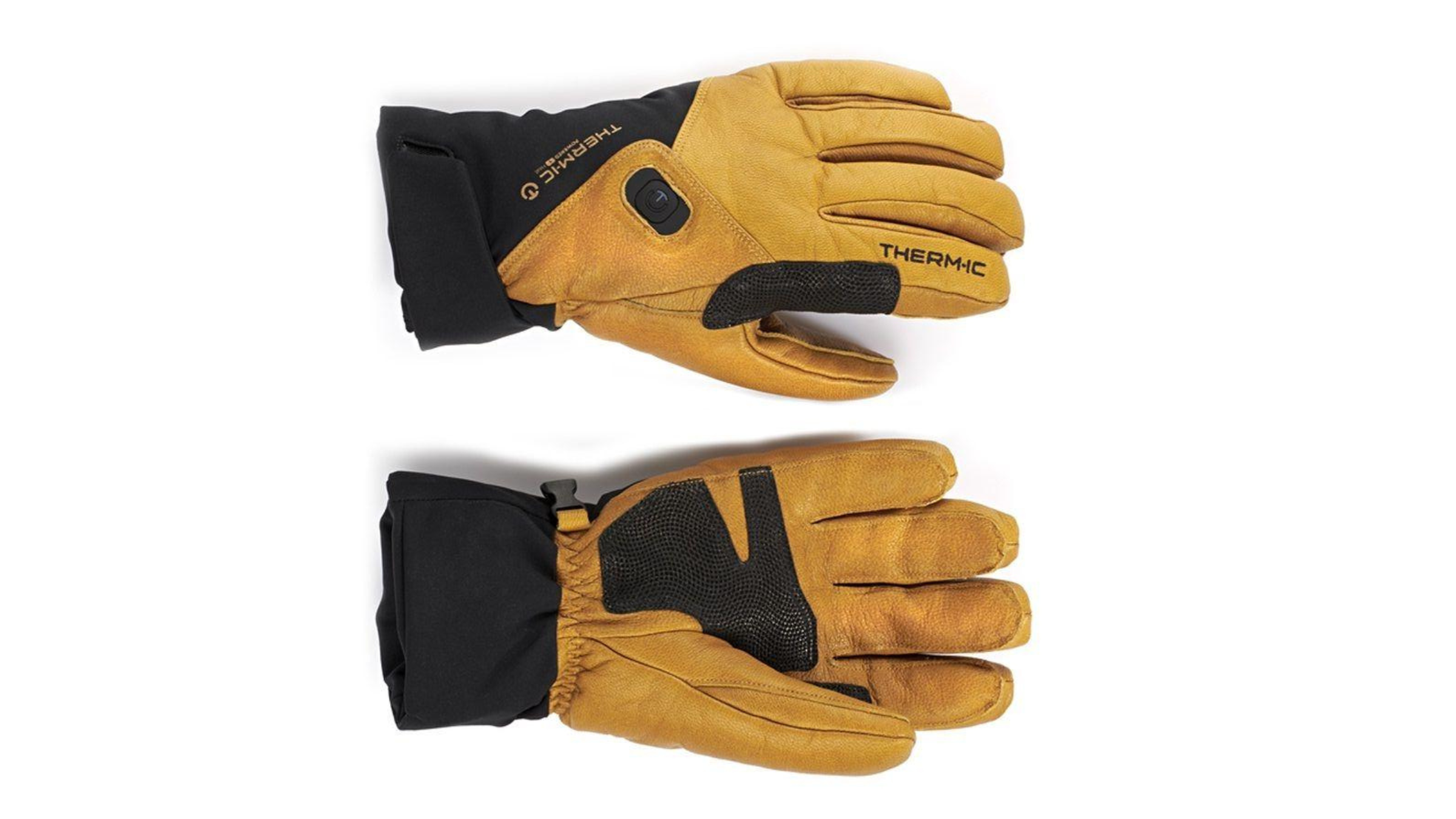
- Best Undercuff Glove: Therm-ic Freeride Ultra Heat Gloves ($440), engineered with a 360-degree heating system and PrimaLoft Gold insulation for freeride enthusiasts.
- Best Heated Glove Liner: Savior SW04 Thin Heated Glove Liners ($101–$140), providing versatile, low-profile carbon-fiber heating for use independently or underneath existing shell gloves.
Consumer Buying Guidelines and Safety Implications
Industry experts emphasize that selecting the appropriate heated glove requires careful alignment with the user’s specific activities. Consumers must evaluate fit meticulously: gloves that are excessively loose force heating elements to expend excess energy warming empty space, while overly tight fits restrict peripheral blood circulation, exacerbating cold fingers.
Furthermore, gear analysts and safety officials highlight critical operational considerations regarding backcountry safety. Lithium-ion powered electronic heating elements generate electromagnetic fields that can interfere with the transmission and reception capabilities of avalanche rescue transceivers. Consequently, backcountry ski mountaineers traveling in avalanche terrain are strongly advised to utilize traditional chemical heat packs rather than electronic gloves when managing rescue gear. Additionally, individuals with compromised peripheral circulation, nerve damage, or reduced thermal sensitivity should consult medical professionals prior to utilizing battery-heated apparel.
Regarding maintenance, manufacturers uniformly advise charging heated glove batteries every two to three months during the off-season to preserve lithium-ion battery health. Because battery capacity naturally degrades over time, brands provide readily available replacement battery units, ensuring the long-term utility of the initial equipment investment. Through rigorous field testing and objective data collection, the 2026 market establishes clear benchmarks for quality, safety, and performance, empowering consumers to make informed purchasing decisions tailored to their winter recreation needs.

