
Telluride Ski Resort’s Palmyra Peak stands as a formidable challenge and a pinnacle of inbounds skiing, demanding significant physical exertion and technical prowess from those who dare to ascend its heights. As detailed by the experts at PeakRankings, this iconic peak offers an unparalleled inbounds hiking experience, distinguishing itself from any other ski resort across the North American continent. The journey to its summit is not merely a physical undertaking but a testament to a skier’s dedication and a reward for their perseverance, culminating in a breathtaking encounter with the raw majesty of the San Juan Mountains.
The Gauntlet to the Sky: Understanding the Palmyra Peak Ascent
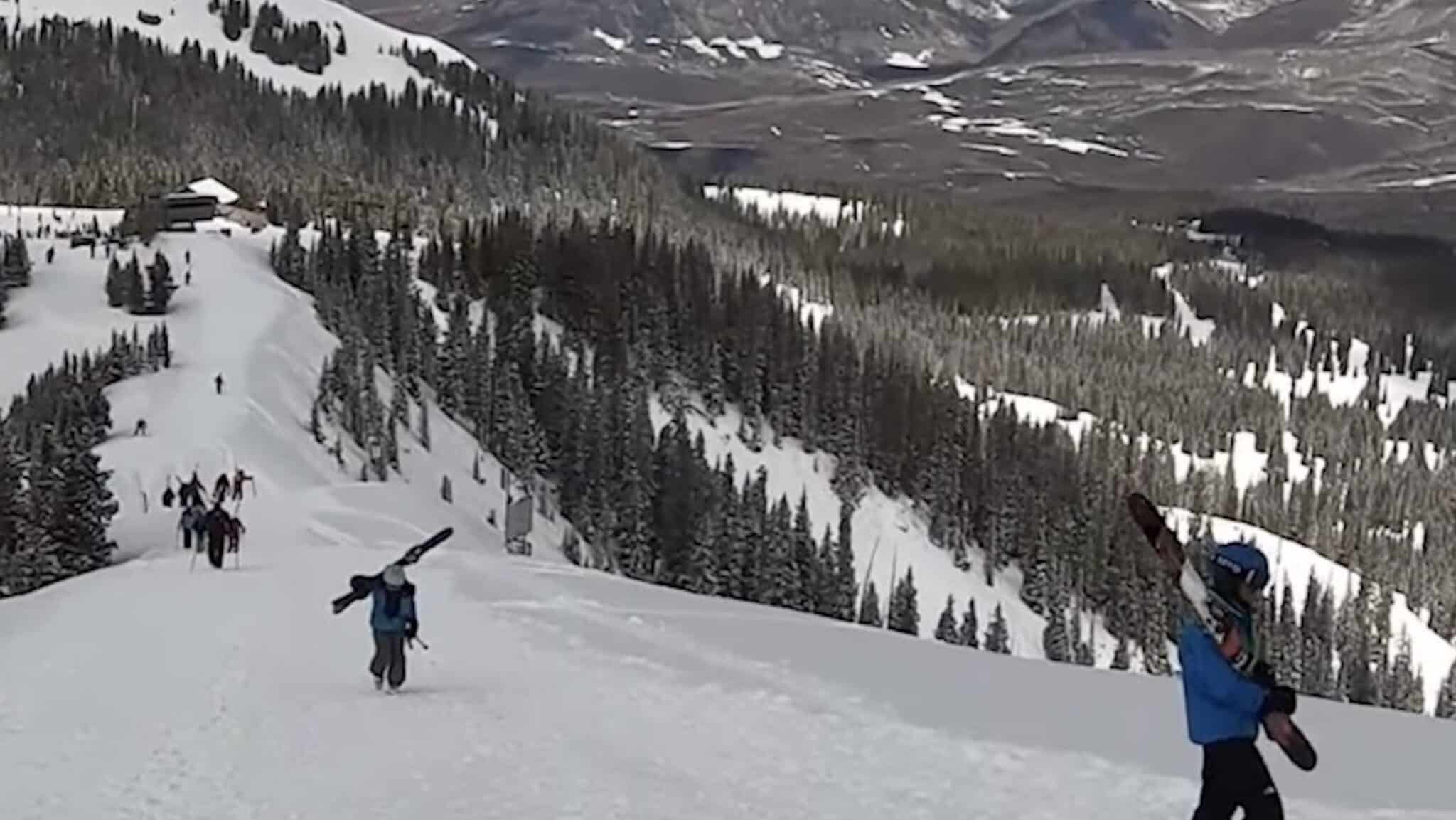
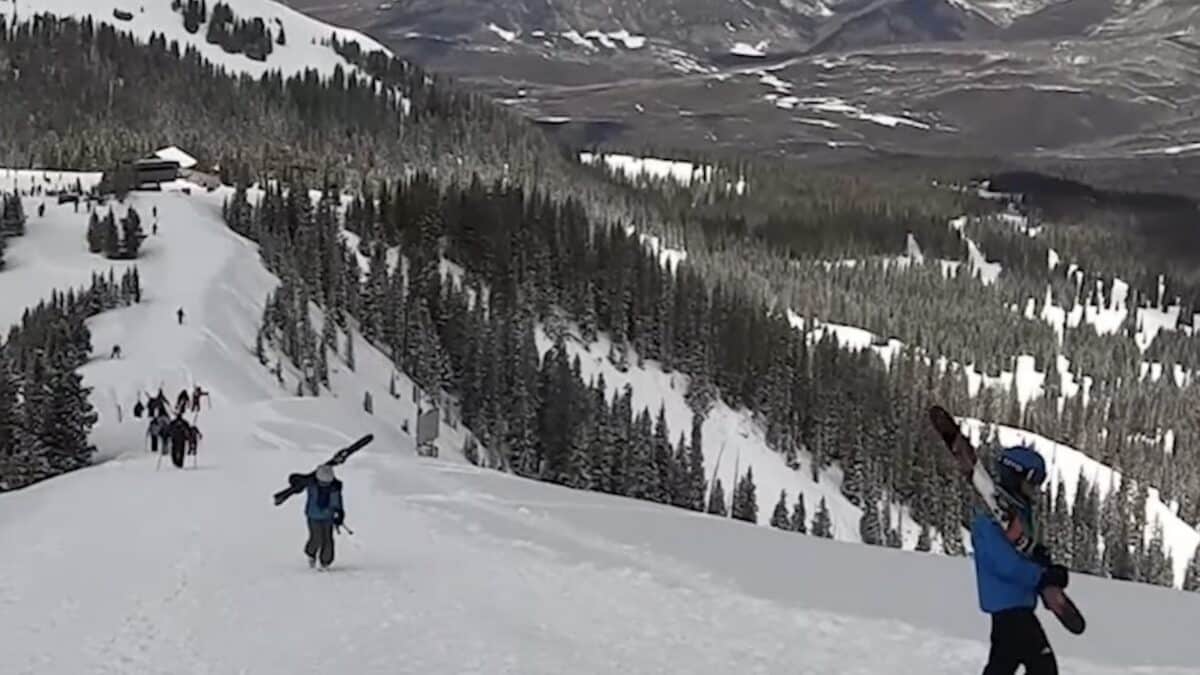
The ascent of Palmyra Peak is an endeavor that can consume between two to two and a half hours of strenuous hiking, contingent on an individual’s physical conditioning. The terrain is characterized by its steep gradients and significant exposure, offering little respite as hikers gain elevation. Adding to the challenge is the extreme altitude; the summit resides at approximately 13,300 feet above sea level, a factor that profoundly impacts respiratory function and overall physical endurance.
This arduous climb, however, is rewarded with a singular distinction: reaching the summit of Palmyra Peak signifies standing at the highest accessible inbounds point of any ski resort in North America. On a clear day, the panoramic vistas that unfold are nothing short of spectacular, encompassing the rugged and expansive beauty of the San Juan Mountain range. For many, these views alone justify the considerable effort required to reach the top, offering a profound connection with the natural environment.
A Calculated Risk: The Technical Demands of the Descent
The achievement of summiting Palmyra Peak is, in itself, a significant accomplishment. The relentless nature of the hike, coupled with the constant exposure, amplifies the inherent risks involved. For individuals seeking to experience this extreme terrain without committing to the full summit push, alternative routes exist. Skiers can opt for earlier entry points along the ascent path, a strategic decision that allows them to conserve energy for the challenging descent that awaits. This approach is often recommended for those who wish to fully appreciate the technical demands of the Palmyra chutes.
The descent from Palmyra Peak is where its true character is revealed. The chutes are notoriously technical, characterized by steep, unforgiving entrances and sustained vertical pitches that far exceed the difficulty found in most other extreme hike-to areas within Colorado, and indeed, North America. The highly exposed nature of this terrain presents a formidable challenge, even for experienced skiers. The difficulty of access extends to ski patrol, which means that conditions can be volatile, and the area is not always guaranteed to be open to the public.
Optimal Timing for an Unforgettable Experience
Maximizing the chances of experiencing Palmyra Peak in its prime typically involves planning a visit later in the ski season. As the season progresses, snow conditions can stabilize, and the risk of avalanche may decrease, making the area more accessible. However, even with careful planning, the opening of Palmyra Peak is subject to the assessment of ski patrol and prevailing weather conditions.
For those who manage to time their visit correctly, Palmyra Peak offers an unparalleled ski experience. The terrain is genuinely unique, providing a level of big mountain skiing that is rarely found within the controlled boundaries of a ski resort. This exceptional offering makes the journey to Telluride a pilgrimage for serious skiers and snowboarders who seek the ultimate challenge and reward in an alpine environment.
Background and Context: The Allure of Telluride’s High Alpine Terrain
Telluride Ski Resort, nestled in the picturesque San Juan Mountains of southwestern Colorado, has long been renowned for its challenging terrain and breathtaking scenery. The resort’s geographical isolation contributes to its unique character, attracting a discerning clientele seeking an authentic mountain experience. Palmyra Peak, with its extreme inbounds terrain, represents the apex of this offering, attracting expert skiers and snowboarders from around the globe.
The development of hike-to terrain at ski resorts has become increasingly popular as resorts seek to cater to advanced riders looking for a more adventurous experience. These areas, often accessible via a hike from the top of a lift, provide access to ungroomed, natural snow conditions and steep, challenging pitches. Palmyra Peak is a prime example of this trend, pushing the boundaries of what is considered accessible within a resort’s operational boundaries.
The concept of "inbounds" terrain is crucial here. While many resorts offer backcountry access, Palmyra Peak is technically within the ski resort’s patrolled and managed area. This means that while it requires a significant hike, it is subject to some level of oversight and safety protocols, distinguishing it from true off-piste adventures. However, the extreme nature of the terrain means that the level of risk remains high, and skiers are expected to possess advanced skills and judgment.
Supporting Data and Technical Specifications
- Elevation: The summit of Palmyra Peak reaches approximately 13,300 feet (4,054 meters) above sea level.
- Hiking Time: The ascent typically takes between 2 to 2.5 hours, depending on individual fitness and snow conditions.
- Terrain: The chutes off Palmyra Peak are characterized by steep, sustained pitches, significant exposure, and natural, ungroomed snow.
- Resort Altitude: Telluride Ski Resort itself is situated at a base elevation of around 8,750 feet (2,667 meters), with its highest lift-served point reaching approximately 12,250 feet (3,734 meters). This means the hike to Palmyra Peak adds over 1,000 feet of vertical gain above the highest lift.
- Geographic Location: Situated in the San Juan Mountains, a subrange of the Rocky Mountains, known for its rugged peaks and challenging alpine conditions.
Analysis of Implications: Setting the Standard for Inbounds Extremity
The existence of Palmyra Peak at Telluride raises the bar for what can be considered demanding inbounds terrain at a North American ski resort. It offers a legitimate big mountain skiing experience without the need for extensive backcountry travel or specialized avalanche gear, albeit with inherent risks. This accessibility for expert skiers looking for a true challenge within a resort setting has significant implications for the ski industry.
Firstly, it highlights the growing demand for extreme terrain among advanced skiers and snowboarders. Resorts that can offer such challenges are likely to attract a dedicated segment of the market. Secondly, it underscores the importance of comprehensive safety protocols and clear communication regarding the risks associated with such areas. The fact that even ski patrol finds the terrain challenging emphasizes the need for extreme caution and self-assessment by any skier venturing into Palmyra Peak.
The decision to keep such terrain open is a delicate balance between offering unparalleled experiences and ensuring skier safety. The fact that it’s not always guaranteed to be open speaks to the dynamic nature of alpine environments and the commitment of the resort to prioritizing safety above all else. This also means that when it is open, it represents a rare and valuable opportunity for skiers.
Official Stance and Ski Patrol Considerations
While the article does not include direct quotes from Telluride Ski Resort officials or ski patrol, the implication of their involvement is clear. Ski patrol plays a critical role in assessing the safety of Palmyra Peak. Their regular patrols and evaluations are essential for determining when the area is safe for public access. The mention that the terrain is difficult for ski patrol to access suggests a high level of inherent risk and a need for extensive expertise to manage it.
The decision-making process for opening such a challenging area likely involves a confluence of factors, including snow stability, avalanche danger, visibility, and the overall condition of the snowpack. The resort’s commitment to safety means that Palmyra Peak will only be opened when patrol deems it safe, which can fluctuate daily and even hourly. This underscores the reliance of skiers on the professional judgment of the ski patrol.
Broader Impact and Conclusion
Palmyra Peak at Telluride represents more than just a challenging ski run; it is a symbol of the pursuit of extreme experiences within the confines of a ski resort. It caters to a niche but passionate group of skiers who seek to test their limits against some of the most demanding natural terrain available. The journey to the summit, and the subsequent descent, is a rite of passage for many, offering not just physical exertion but a profound sense of accomplishment and a deep appreciation for the power and beauty of the mountains. For those who are prepared and capable, Palmyra Peak delivers an unforgettable adventure, solidifying its reputation as arguably the most demanding inbounds hike at any North American ski resort.

