
Two individuals have been fined for disregarding safety regulations and venturing off designated trails, resulting in a precarious cliffside rescue operation near the iconic Golden Gate Bridge on June 22nd. The incident, which unfolded around 4:00 PM, necessitated a coordinated response involving multiple emergency agencies and highlights the inherent dangers of exploring hazardous terrain without adhering to posted warnings. The hikers, whose identities have not been publicly released, were successfully extracted from their perilous situation but will now face penalties for their actions, underscoring the importance of respecting park boundaries and safety directives.
The Incident Unfolds: A Call for Help
The San Francisco Fire Department (SFFD) received a series of urgent 911 calls reporting a cliff rescue in progress in the vicinity of the Golden Gate Bridge. The calls indicated that individuals had become stranded in a dangerous location, prompting an immediate dispatch of emergency resources. The specific circumstances leading to their entrapment remain under investigation, but initial reports suggest they had strayed from marked paths, a common hazard in the rugged coastal landscape of the Golden Gate National Recreation Area.
Upon arrival at the scene, SFFD crews swiftly located the stranded hikers. Recognizing the complexity and potential risks associated with a cliff rescue, they initiated a multi-agency operation in collaboration with the California Highway Patrol (CHP) Golden Gate Division. Specialized units from the SFFD, including Cliff Rescue 14 and Heavy Rescue 1, were deployed to manage the delicate extraction process. The treacherous nature of the terrain, characterized by steep drops, unstable footing, and proximity to the ocean, demanded a high level of expertise and careful planning.
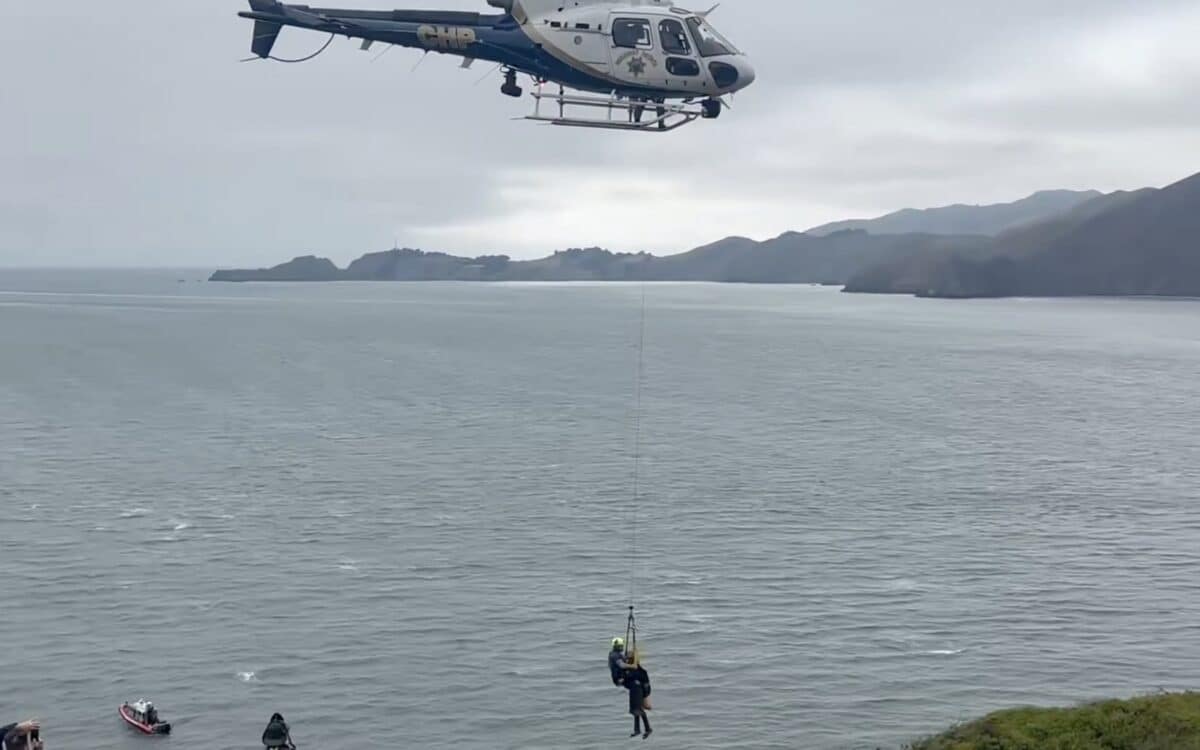
The San Francisco Fire Department Media, in a post on X (formerly Twitter), provided a brief account of the operation: "At 4pm, SFFD received multiple 911 calls of a reported Cliff rescue near the Golden Gate Bridge. Upon arrival, 2 victims were located and a rescue operation was commenced using @CHP_GoldenGate and SFFD Cliff rescue 14 and Heavy Rescue 1. 2 victims were lifted to safety." The accompanying visual media, a photograph or short video clip, depicted the challenging environment and the active rescue efforts, showcasing the gravity of the situation.
A Coordinated Rescue Effort
The rescue operation itself was a testament to the inter-agency cooperation and specialized training possessed by the responding units. Firefighters and CHP officers worked in tandem, assessing the safest and most efficient methods for retrieving the hikers. The exact techniques employed are not detailed in public statements, but typically involve advanced rope systems, harness deployment, and careful maneuvering to ensure the safety of both the victims and the rescuers. The proximity to the Golden Gate Bridge, a heavily trafficked area, added another layer of logistical consideration, requiring careful coordination to minimize disruption to the public while prioritizing the rescue.
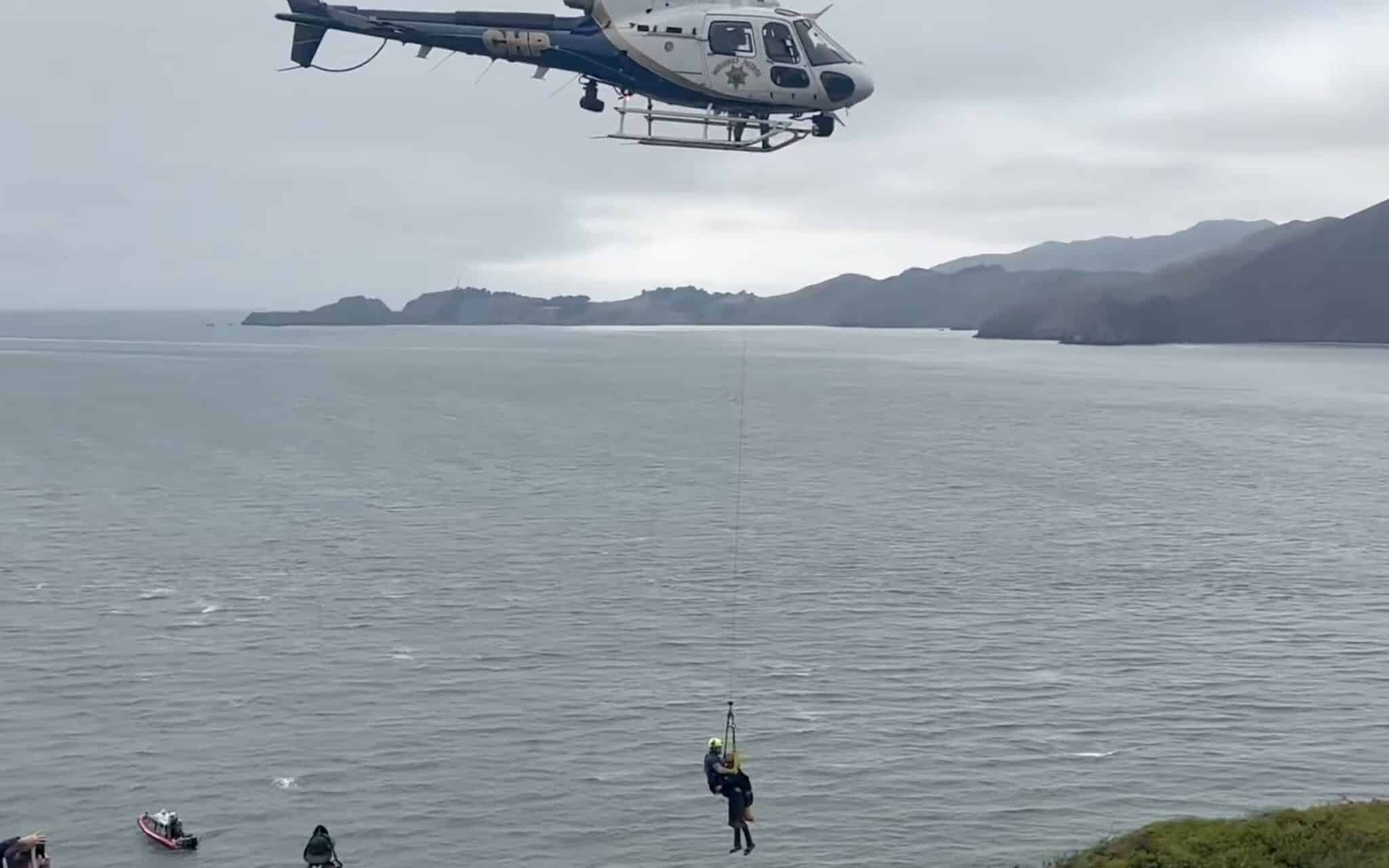
Following their successful extraction from the cliff face, both hikers were evaluated by SFFD paramedics. Fortunately, preliminary assessments indicated that neither individual had sustained any physical injuries as a result of their ordeal. This fortunate outcome, however, does not negate the seriousness of their actions and the potential consequences.
Accountability and Enforcement
Despite the absence of physical harm, the hikers will not escape accountability. The Golden Gate National Recreation Area National Park Service has confirmed that both individuals will be issued citations and fined for their transgressions. Specifically, the penalties are for leaving designated trails and failing to comply with posted signage within the park. These regulations are in place for a critical reason: to protect both the public and the fragile ecosystem of the park.
The fines serve as a deterrent and a clear message that safety protocols and park rules must be observed. The cost of such rescues, both in terms of financial resources and the risks undertaken by first responders, is substantial. By imposing fines, authorities aim to recoup some of these costs and, more importantly, to discourage similar reckless behavior in the future. The specific amount of the fines was not immediately disclosed but typically reflects the severity of the offense and the resources expended.
The Dangers of Off-Trail Exploration
This incident serves as a stark reminder of the inherent dangers associated with venturing off marked trails, particularly in areas with challenging topography like the coastline near the Golden Gate Bridge. The landscape, while offering breathtaking views, can be deceptively hazardous. Steep cliffs, loose soil, and unpredictable weather conditions can quickly turn a casual hike into a life-threatening situation.
The Golden Gate National Recreation Area encompasses a diverse range of environments, from sandy beaches to rugged headlands. While many areas are easily accessible and well-maintained, some sections require specialized knowledge and equipment for safe exploration. The park service invests significant resources in marking trails and posting clear warnings to guide visitors and prevent accidents. Ignoring these markers not only endangers the individual but also puts a strain on emergency services that could be better utilized elsewhere.
Broader Implications and Public Safety
The rescue of these two hikers has broader implications for public safety and the management of natural resources. Each rescue operation consumes valuable time and resources from emergency personnel, including firefighters, paramedics, and law enforcement officers. These resources are finite, and diverting them to attend to individuals who have disregarded safety warnings can have a detrimental impact on the department’s ability to respond to other emergencies.
Furthermore, the act of unauthorized exploration can cause damage to the natural environment. Fragile vegetation can be trampled, erosion can be exacerbated, and sensitive wildlife habitats can be disturbed. The park service strives to preserve these areas for future generations, and visitor compliance with regulations is essential to achieving this goal.
The presence of readily available information about trail closures, hazards, and safety guidelines through park websites, visitor centers, and signage is a critical component of the park service’s safety strategy. Visitors are strongly encouraged to utilize these resources before embarking on any outdoor activity. For the Golden Gate National Recreation Area, this includes understanding the specific risks associated with coastal cliffs, such as the potential for rockfalls and the impact of fog on visibility and trail conditions.
A Call for Responsible Recreation
As the summer season approaches, officials are reiterating their plea for responsible recreation. Visitors to the Golden Gate Bridge area and other natural attractions are urged to:
- Stay on Marked Trails: Adhere strictly to designated pathways. These trails are designed for safety and to protect the environment.
- Obey All Posted Signs: Warnings and closures are in place for your safety and the preservation of the park.
- Plan Ahead: Research your intended route, check weather forecasts, and be aware of any specific hazards.
- Carry Essential Gear: This may include water, appropriate footwear, sun protection, and a first-aid kit.
- Inform Others of Your Plans: Let someone know where you are going and when you expect to return.
- Respect Wildlife: Maintain a safe distance and do not feed animals.
The successful rescue of the two hikers is a positive outcome, but it should not be viewed as a minor incident. It represents a significant expenditure of public resources and a stark warning about the consequences of ignoring safety directives. The fines levied are intended to reinforce the message that safety and adherence to park regulations are paramount when enjoying the natural beauty of the Golden Gate National Recreation Area and similar environments. The focus remains on ensuring that all visitors can experience the region’s splendor safely and without compromising its ecological integrity.

