
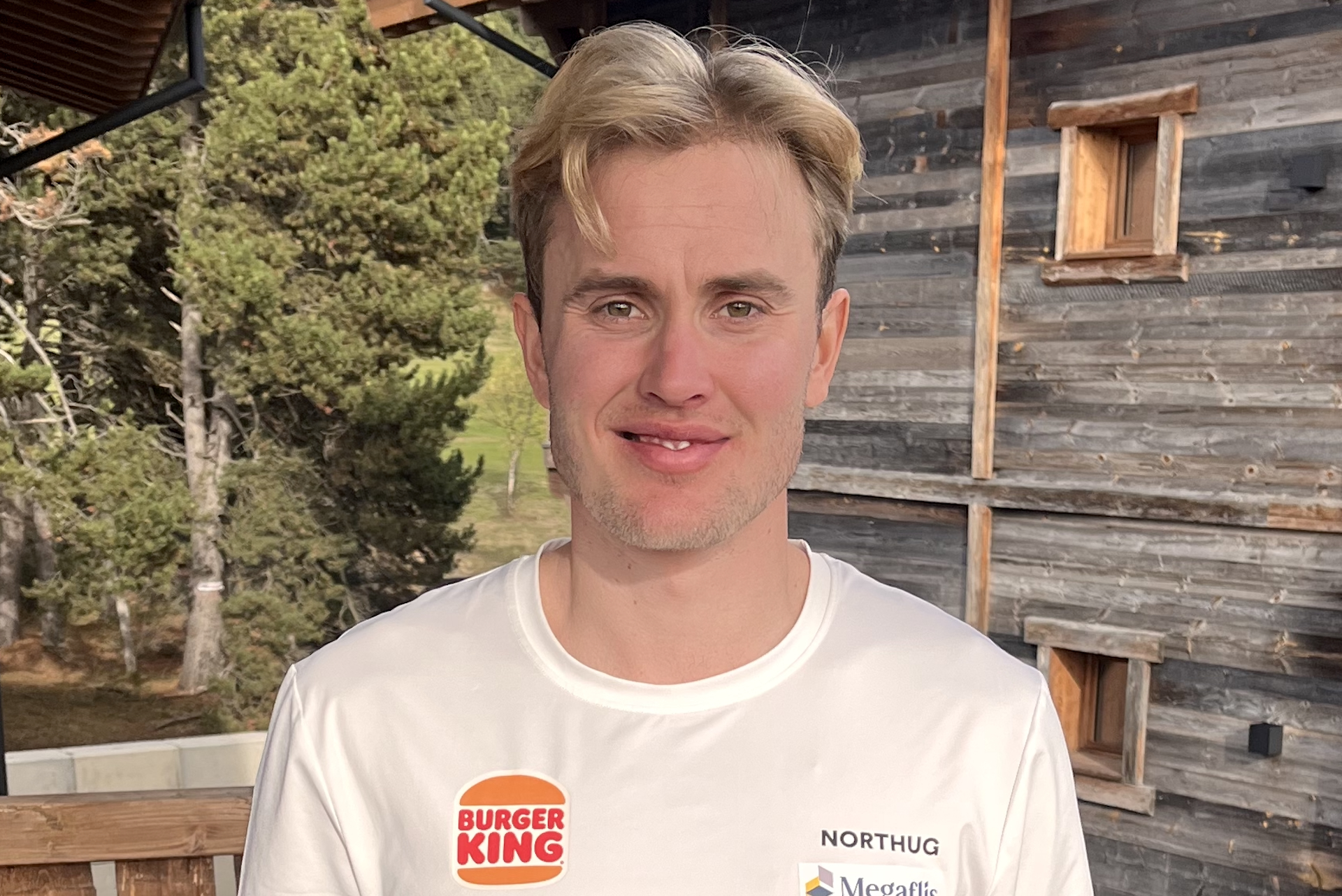
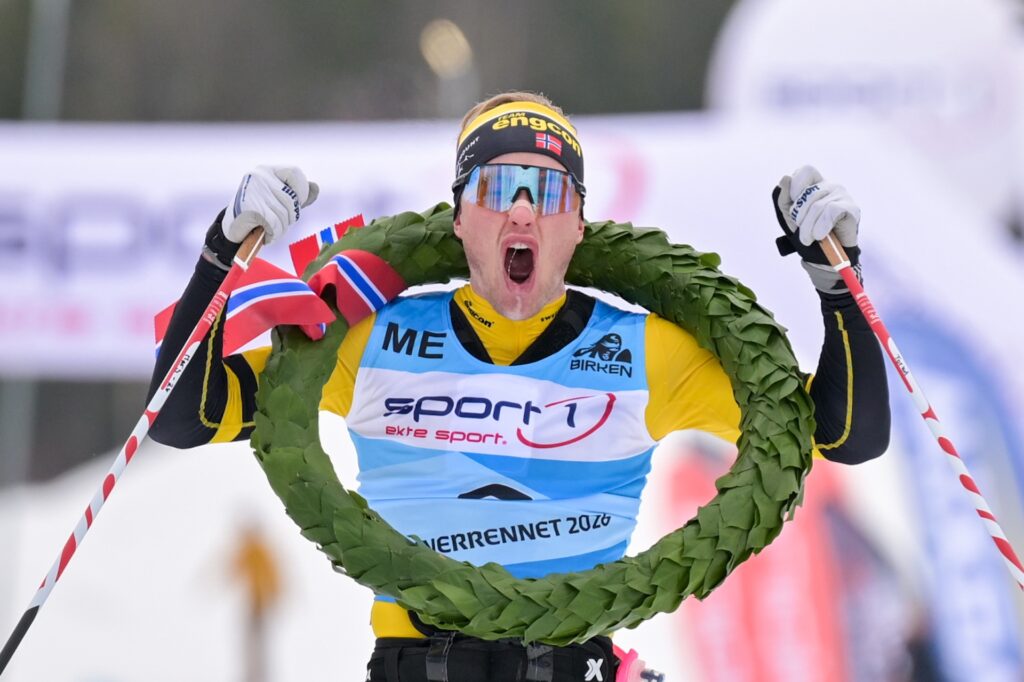
The professional landscape of long-distance cross-country skiing has been marked by a period of significant volatility for one of its brightest stars. Torleif Syrstad, the 32-year-old athlete who dominated the Birkebeinerrennet last winter with a staggering four-minute margin of victory, has finally resolved a protracted and highly publicized conflict that left him effectively stranded without a professional team for nearly half a year. The resolution comes in the form of a specialized, high-level service agreement that allows him to join Petter Northug’s Team Burger King Northug while ensuring his technical requirements—specifically the preparation of his equipment—are met to his exacting standards.
The resolution of this impasse, which was finalized only at the eleventh hour, marks the conclusion of a saga that began in April. Following his departure from Team Engcon, Syrstad found himself in a professional limbo. The crux of the conflict was not merely a disagreement over salary or team culture, but a fundamental dispute over the supply chain of performance. Team Engcon, which maintains a technical partnership providing wax and service support for Northug’s squad, reportedly issued an ultimatum: they would refuse to prepare skis for Syrstad should he choose to sign with the Northug-led project. This created a hostile environment that threatened to stall the career of one of the circuit’s most capable endurance specialists.
A Chronology of the Stalemate
The timeline of the dispute highlights the complexities of modern commercial interests in elite winter sports. In April 2026, as the post-season transfer window opened, Petter Northug identified Syrstad as a primary target for his expanding team. Syrstad, seeking a new challenge, entered negotiations. However, the influence of his former employer created a bottleneck. For months, the potential transfer remained in a state of suspended animation.
By mid-summer, industry observers noted the unusual silence surrounding Syrstad’s future. While other athletes were announcing their rosters and beginning altitude training camps, Syrstad remained unattached. The internal pressure within the Norwegian ski community intensified as it became clear that the blockage was not financial, but technical. The ultimatum from Team Engcon effectively meant that for Syrstad to join Northug, he would need to find an independent solution for his ski maintenance—a task that is virtually impossible for an athlete aiming for podium finishes in Ski Classics without a dedicated support staff.
It was not until the approach of the autumn training season that a breakthrough emerged. Syrstad’s insistence that he would not compromise on his technical support led him to seek out independent experts, eventually resulting in the deal with Erling Owren and Team Bardo.
The Technical Solution: The Role of Erling Owren
The agreement reached between Syrstad and Erling Owren represents a unique collaboration in the professional circuit. Owren, widely regarded as one of the most skilled wax technicians in the Ski Classics ecosystem, has agreed to take on the responsibility of preparing Syrstad’s skis for all upcoming events.
This is a significant commitment. Owren has previously stated that he receives numerous inquiries from professional athletes seeking his services, yet he maintains a policy of extreme selectivity. His primary focus remains the performance of his own athletes within Team Bardo. By carving out a bespoke arrangement for Syrstad, Owren has effectively acted as a "technical bridge," allowing the athlete to bypass the restrictive conditions imposed by his previous team.
The logistics of this arrangement involve a multi-layered cooperation. While Syrstad will officially race for Team Burger King Northug, his technical preparation will be handled by Owren in collaboration with Halfdan Baumann, Morten Brørs, and the testing contingent from Team Bardo. This model is being framed as a "win-win" scenario. In exchange for the premium service, Northug’s team will provide data, intelligence sharing, and personnel support for Team Bardo athletes during race events, alongside a symbolic financial consideration.
Data-Driven Performance and Competitive Stakes
In the world of professional long-distance skiing, the margin between victory and defeat is often measured in seconds, and the importance of ski preparation cannot be overstated. Syrstad’s dominance in the Birken event earlier this year was a testament to his physical conditioning, but it also highlighted the reliance of an elite athlete on the "ski-service loop."
Statistical analysis of recent Ski Classics seasons shows that the top five finishers in major events often share identical wax profiles and structure patterns. The technical support provided by a team’s service crew is considered a competitive secret. For Syrstad, the decision to hold out for a high-quality service solution was rooted in his ambition. "I have no desire to just finish ski races," Syrstad remarked during a recent training camp in Font Romeu. "I have ambitions to win, and to win, the equipment must be perfect."
This move also highlights the shifting power dynamics in the sport. As teams become more commercialized, the leverage exerted by service providers—who often control the intellectual property of waxing—is becoming a point of friction. By successfully navigating this dispute and securing an elite independent partner, Syrstad has set a precedent for how athletes might maintain independence from large, conglomerate-style team structures.
Implications for the Ski Classics Season
The broader impact of this resolution on the 2026/2027 season is expected to be significant. With the "smørrekonflikt" (wax conflict) behind him, Syrstad enters the season with a clear focus, though he remains realistic about the challenges ahead. He has openly admitted that his own technical knowledge of waxing is limited, which makes his reliance on Owren’s expertise absolute.
From an industry perspective, the situation has drawn criticism regarding the "sportsmanship" of using technical support as a tool for leverage in contract disputes. Many in the skiing community have labeled the previous obstruction as "childish" and "unprofessional." The fact that such a standoff could prevent an elite athlete from competing underscores the need for clearer regulations regarding the mobility of athletes and their rights to seek independent support when teams fail to reach an agreement.
For Petter Northug, the successful acquisition of Syrstad, even with the complicating factor of the separate wax deal, is a major victory. Northug is building a team that is not afraid to challenge established conventions, and the inclusion of a proven winner like Syrstad adds immediate credibility to his roster. Furthermore, the potential inclusion of Sandra Schütsova in this service arrangement suggests that the Team Burger King Northug project is positioning itself as a hub for talent that prioritizes individual performance outcomes over traditional team hierarchies.
Conclusion and Future Outlook
As the season approaches, all eyes will be on Syrstad’s performance. The pressure to justify the months-long struggle to join the team is high. He has expressed gratitude for the "peace of mind" the new agreement has provided, stating that it allows him to focus entirely on the physical requirements of his training.
The saga of Torleif Syrstad serves as a case study in the modern realities of elite endurance sports. It is a story of how technical, commercial, and personal interests collide, and how the pursuit of excellence often requires athletes to act as their own advocates in complex legal and professional landscapes. With the contract now signed, the service team in place, and the training camp in Font Romeu underway, the focus shifts back to where it belongs: the track. For Syrstad, the goal remains unchanged—to build upon his success at the Birken and prove that he remains the man to beat in the upcoming winter circuit. The resolution of this conflict not only preserves his career but potentially changes the way future disputes over technical resources are negotiated in the sport of cross-country skiing.

