
As the winter sports season draws millions of enthusiasts to alpine resorts globally, a silent epidemic of foot-related injuries continues to affect both amateur and professional skiers. For decades, the culture of skiing has embraced a specific brand of stoicism, where excruciatingly tight footwear is viewed not as a hazard, but as a necessary trade-off for performance and control. However, emerging medical consensus and podiatric research suggest that this "badge of honor" may carry a steep price. Medical experts are increasingly warning that the mechanical stresses of a poorly fitted ski boot can lead to irreversible physiological changes, nerve damage, and chronic deformities that persist long after the snow has melted.
The Biomechanics of the Ski Boot: A Conflict of Design
The fundamental design of a ski boot is inherently at odds with human anatomy. To facilitate the transfer of energy from the leg to the ski’s edge, the foot must be held in a rigid, semi-fixed position. While this rigidity is essential for carving turns at high speeds, it creates a high-pressure environment that the human foot was never evolved to withstand. According to Dr. Nelya Lobkova, a New York City-based podiatrist and veteran skier, the primary danger lies in the exacerbation of pre-existing conditions and the creation of new pathologies through repetitive trauma.
"When the toebox in a boot is tight, friction can cause bunions, hammertoes, and neuromas to become painful," Dr. Lobkova explains. This is not merely a matter of temporary discomfort. The mechanical pressure can accelerate the progression of Hallux Valgus (bunions), a forefoot deformity that is often genetic but can be significantly worsened by external compression. Furthermore, the risk of Morton’s neuroma—a thickening of the nerve tissue typically between the third and fourth toes—increases dramatically when the metatarsal heads are squeezed together for extended periods.
The damage is not limited to overly tight boots. Paradoxically, boots that are too loose can be equally detrimental. In a loose boot, the foot lacks a secure anchor, causing it to slide forward violently during deceleration or when hitting bumps. This "jamming" effect impinges the toe bones and can lead to acute inflammation of the nerve roots. "In either case, an inflamed bunion or an impinged nerve root could become a lingering problem after the ski slope," Lobkova warns.
Chronic Conditions and Irreversible Nail Damage
One of the most common, yet frequently ignored, consequences of alpine skiing is the development of subungual hematomas—bruising and blood accumulation under the toenail. Often referred to by skiers as "black toe," this condition results from the constant striking of the distal end of the toes against the hard interior shell of the boot. While a bruised nail might seem like a cosmetic issue, the underlying implications are more severe.
"Both conditions [subungual hematomas and ingrown toenails] could potentially lead to a toenail infection that may require removal of the toenail or oral antibiotics," says Dr. Lobkova. She emphasizes that repetitive trauma to the nail matrix—the area where the nail begins to grow—can result in permanent disfigurement. Once the nail bed is sufficiently damaged, the regrowing nail typically appears thicker, shorter, and more prone to fungal infections, a condition that is often irreversible even with surgical intervention.
The Evolution of the "Bad Fit" and Warning Signs
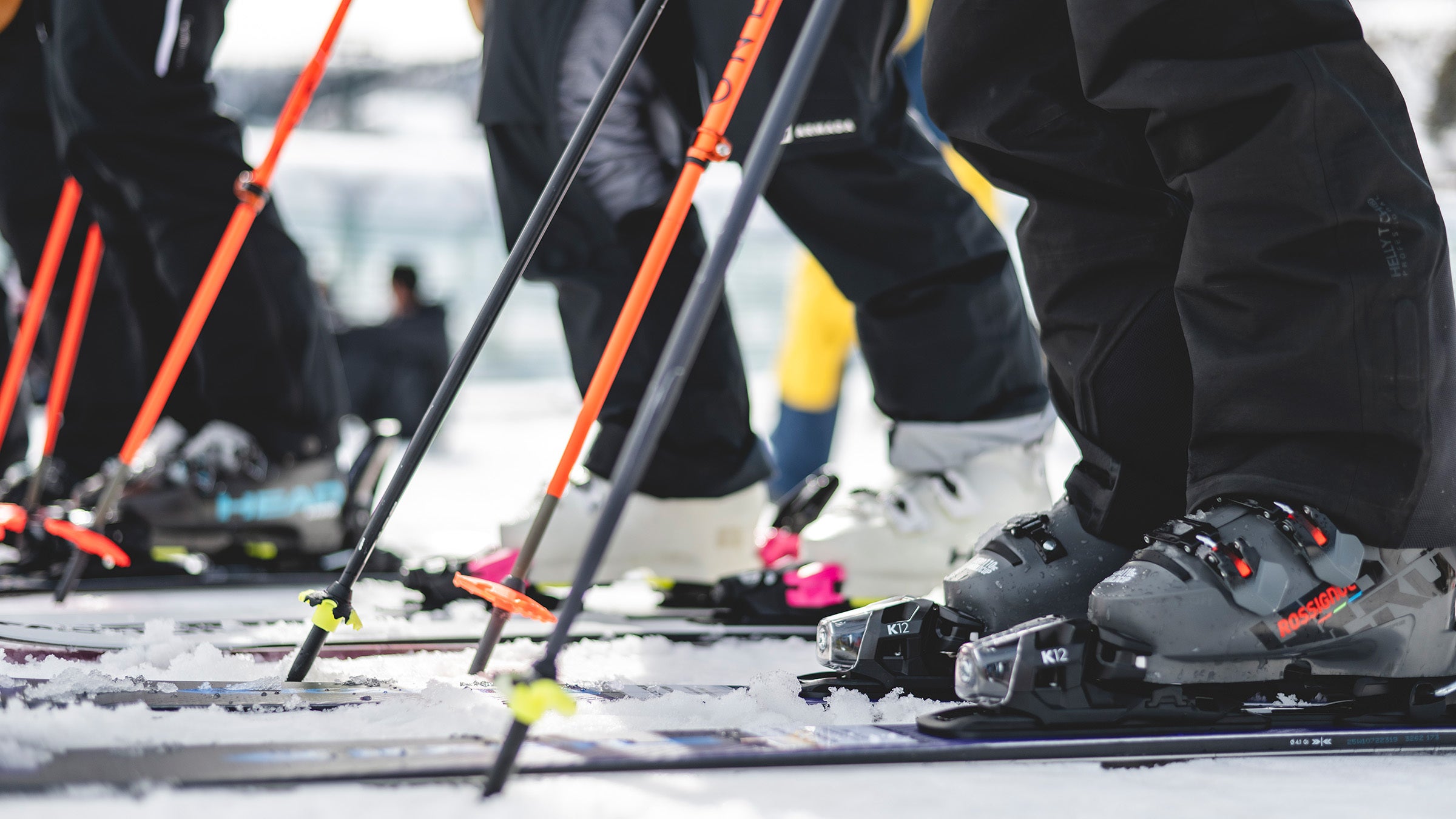
The distinction between the expected discomfort of a high-performance sport and a "bad fit" is a nuance that many skiers fail to recognize. Dr. Mikel Daniels, a podiatric surgeon based in Baltimore, argues that the industry needs to shift its perspective on footwear. "Ski boots are not ‘bad’ for your feet, but badly fit ski boots are," Daniels asserts.
The chronology of a "bad fit" often begins at the point of purchase or rental. A standard retail boot is designed to fit a "mean" foot shape, which rarely accounts for the idiosyncratic bumps, widths, and arch heights of an individual skier. Dr. Daniels provides a clear metric for skiers to evaluate their equipment: a new boot should feel snug, and the toes should lightly brush the front only when standing perfectly upright. Once the skier moves into the "ski stance"—knees bent and shins pressed against the tongues—the toes should pull back slightly from the front of the boot.
Warning signs that a boot is causing physiological damage include localized "hot spots" of sharp pain, persistent "pins and needles" (indicating nerve compression), or toes that remain unusually cold despite adequate insulation. The latter is often a sign of restricted blood flow, a "tourniquet effect" caused by over-tightening buckles to compensate for a boot shell that is too large for the skier’s foot. "My rule is simple: if your boot pain makes you think more about your feet than your skiing, the fit is wrong," says Daniels.
Technical Solutions: Heat Molding, Shell Punching, and Orthotics
The modern ski industry has developed several sophisticated methods to mitigate the risks associated with rigid footwear. For those investing in their own equipment, the consensus among podiatrists is that customization is not a luxury, but a medical necessity.
-
Heat-Molding: Most modern high-end boot liners and even some shells are made from thermo-formable plastics. When heated in a specialized oven and then worn by the skier, the material expands and contours to the specific shape of the foot. "When heat-molded and custom-fitted, downhill ski boots should contour all forefoot deformities, such as bunions, hammertoes, and Morton’s neuroma," says Lobkova.
-
Shell Punching: For skiers with specific bony protrusions, such as a prominent navicular bone or a bunion, professional boot fitters use hydraulic presses and heat guns to "punch" out the plastic shell in localized areas. This creates a pocket of relief without sacrificing the overall tightness required for performance. Dr. Daniels recalls a patient who suffered from chronic black toenails every season until a minor shell punch provided the necessary millimeters of clearance to prevent the trauma.
-
Custom Orthotics: While many skiers use the generic insoles provided by manufacturers, these often offer little to no arch support, leading to foot collapse and increased width under pressure. Lobkova frequently recommends custom-made, thin orthotics with embedded metatarsal pads. These pads help spread the toe bones, preventing the compression that leads to Morton’s neuroma.
Protecting the Casual Skier: Rental Strategies and Gear
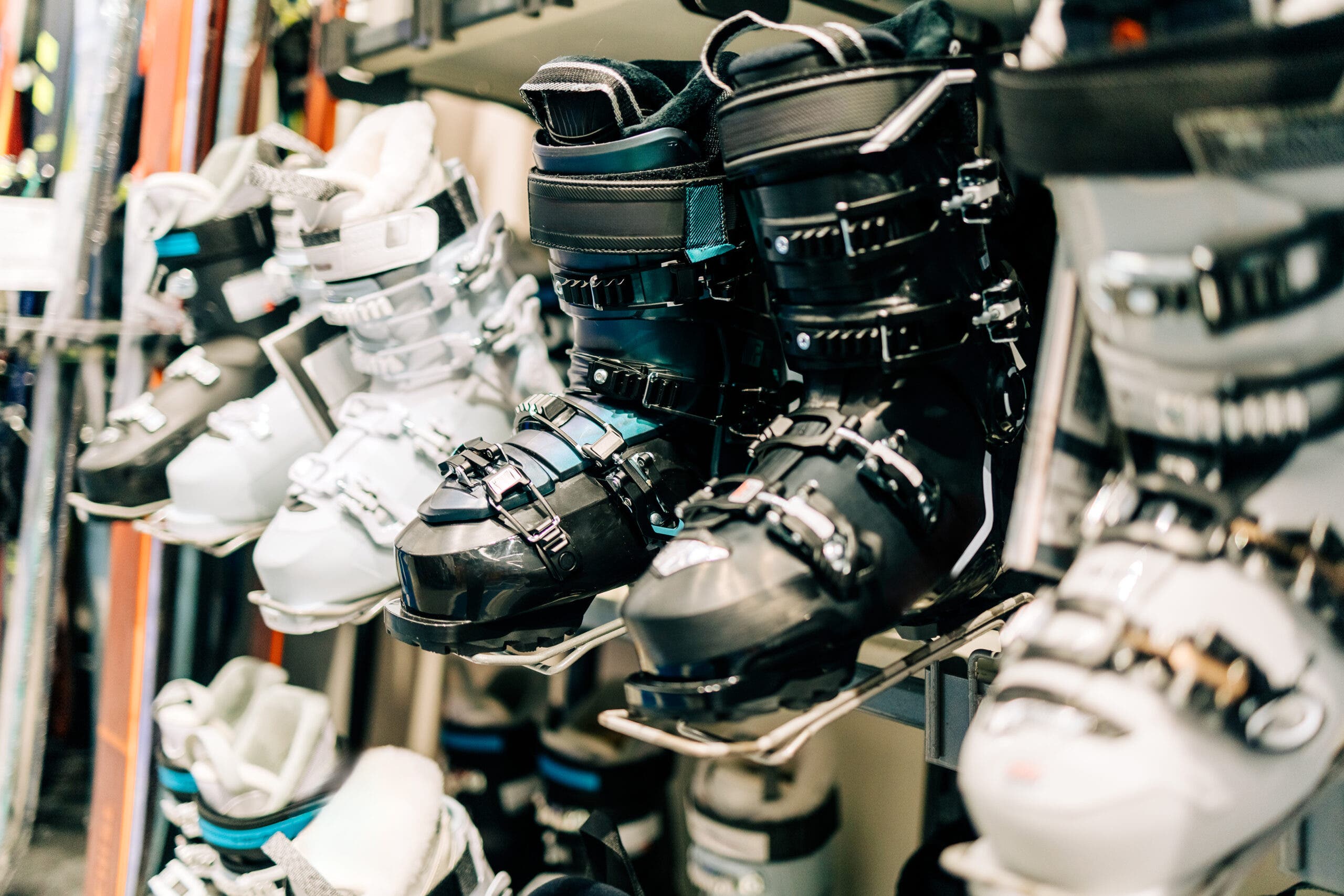
For the millions of "weekend warriors" who rely on rental equipment, customization is rarely an option. However, several preventive measures can significantly reduce the risk of injury.
First, communication with rental technicians is paramount. Skiers should be vocal about any history of bunions or nerve pain. Dr. Daniels advises against the common mistake of sizing up for comfort. An oversized boot requires the skier to crank the buckles down to maintain control, which creates localized pressure points and cuts off circulation. Instead, a snug-fitting shell that matches the foot’s length is preferable.
Second, the choice of hosiery is critical. Cotton socks are widely discouraged as they retain moisture, leading to friction blisters and rapid heat loss. High-quality, thin merino wool socks are the industry standard, providing warmth without adding unnecessary bulk that could interfere with the boot’s fit. Furthermore, if a skier wears orthotics in their everyday shoes, they should attempt to transfer them to their rental boots to maintain proper alignment.
Broader Implications: The Long-Term Health of the Skiing Population
The implications of boot-related foot damage extend beyond the individual skier. As the skiing demographic ages, the cumulative effect of decades of foot compression is becoming a significant concern for the healthcare system. Chronic foot pain can lead to a sedentary lifestyle, which in turn contributes to cardiovascular issues and obesity.
From an industry perspective, the "comfort gap" is a major barrier to retention. Market research suggests that a significant percentage of first-time skiers do not return to the sport specifically due to the physical pain associated with the equipment. By prioritizing podiatric health and professional boot fitting, the industry can ensure the longevity of its customer base.
Preventive Habits on the Mountain
The final line of defense against permanent damage is the skier’s own behavior. Dr. Lobkova suggests a simple but effective habit: loosening or removing boots during lunch breaks or transit. "This will allow the foot to relax. More importantly, when you move from a cold temperature to a warm one, your feet and ankles swell," she explains. If the foot is trapped in a rigid boot during this swelling phase, the resulting pressure can cause a tourniquet effect, severely limiting oxygenated blood from reaching the extremities.
In conclusion, while the thrill of the descent is the primary draw of alpine skiing, it should not come at the expense of long-term mobility. By recognizing that pain is a symptom of potential damage rather than a requirement of the sport, and by utilizing the modern tools of customization and podiatric science, skiers can protect their feet for many seasons to come. The message from the medical community is clear: listen to your body, invest in your fit, and never sacrifice your physiological health for the sake of a "perfect" turn.

