
The transition from the snow-covered peaks of winter to the warmer months of the off-season represents a critical period for alpine athletes and recreational skiers alike. While the traditional ski season typically spans from late autumn to early spring, sports medicine experts and professional trainers emphasize that maintaining "ski shape" is a year-round commitment. The physiological demands of skiing—characterized by high-intensity eccentric loading, rapid lateral movements, and sustained isometric contractions—require a robust musculoskeletal foundation that cannot be built in the weeks immediately preceding the first snowfall. By implementing a structured off-season conditioning program, skiers can significantly reduce the risk of common injuries, such as Anterior Cruciate Ligament (ACL) tears and lower back strains, while enhancing their performance in demanding terrain like moguls and deep powder.

The Biomechanics of Alpine Skiing and the Necessity of Conditioning
To understand the importance of off-season training, one must first analyze the unique physical stresses of the sport. Skiing primarily occurs in the "downhill" or "alpine" position, which requires the quadriceps, hamstrings, and gluteal muscles to work together to stabilize the knee joint. Unlike running or cycling, which are largely sagittal plane activities (moving forward and backward), skiing involves significant movement in the frontal and transverse planes.
Data from the National Ski Areas Association (NSAA) and various sports medicine journals suggest that knee injuries account for approximately 25% to 45% of all skiing-related injuries. A significant portion of these incidents occurs toward the end of the day when muscular fatigue sets in, leading to a breakdown in form and a subsequent loss of joint stabilization. Therefore, building "functional "resilience through targeted exercises is not merely an aesthetic pursuit but a safety requirement.
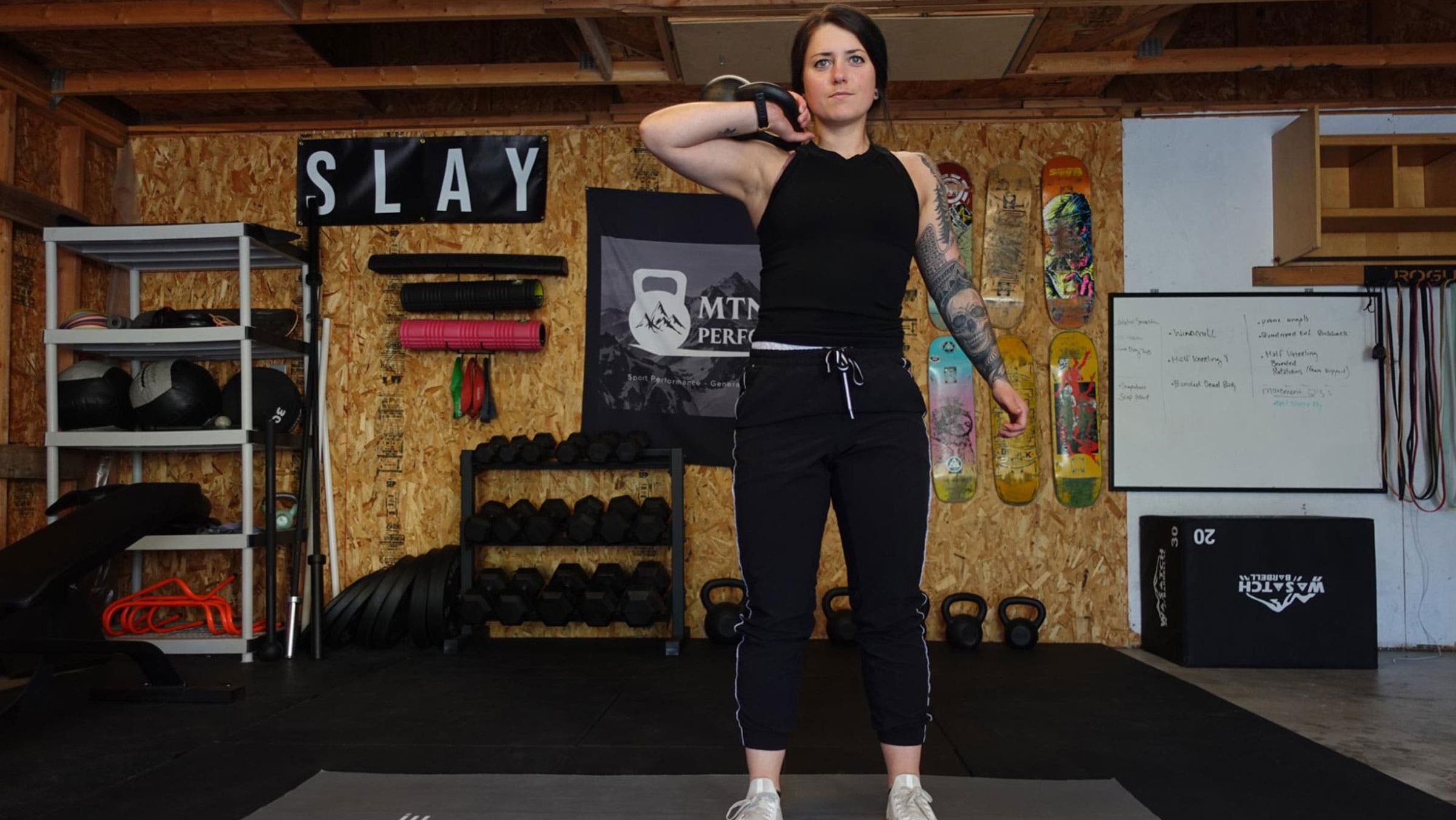
Assessing Readiness: The Side Plank Strength Test
Before embarking on a rigorous training regimen, athletes must establish a baseline for their current physical state. One of the most effective diagnostic tools for skiers is the Side Plank Strength Test. This assessment is designed to measure the endurance and stability of the "lateral chain," which includes the obliques, the gluteus medius, and the quadratus lumborum. These muscles are responsible for maintaining a stable torso and pelvis while the legs move independently—a fundamental requirement for carving turns on steep slopes.
To perform the test, an individual must lie on their side with the elbow positioned directly beneath the shoulder and the legs stacked. By lifting the hips, the body should form a straight line from head to toe. The advanced version of this test for skiers involves lifting the top leg to hip height, holding for one second, and lowering it slowly.
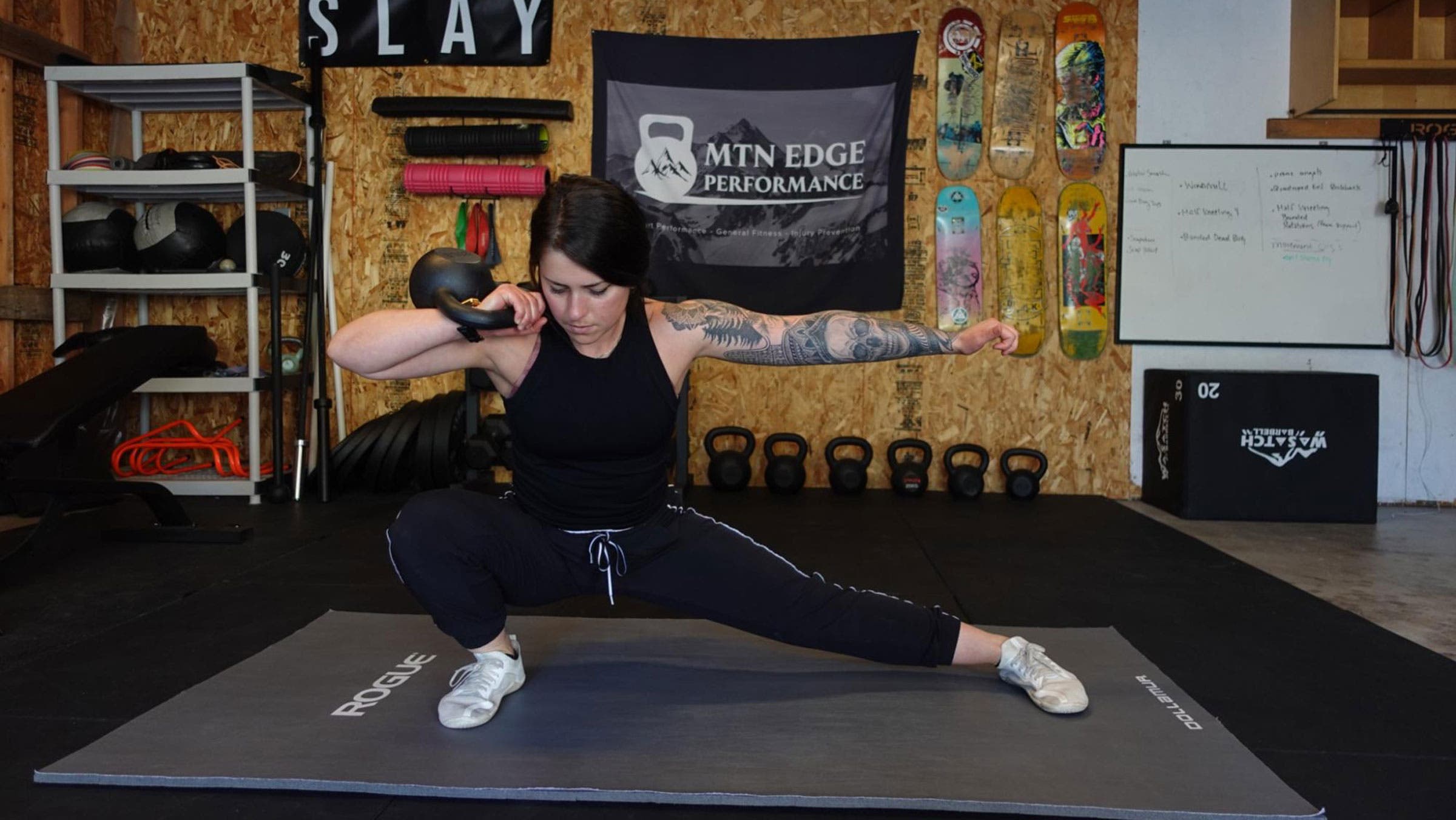
Clinical observations indicate that a prepared skier should be able to complete 10 to 15 controlled repetitions per side without the hips sagging or the shoulder collapsing. Most recreational skiers, however, struggle to maintain form after just five repetitions. This discrepancy highlights a common weakness in the hip abductors and core stabilizers, which, if left unaddressed, increases the mechanical load on the knee joints and the lumbar spine during the winter season.
A Chronological Approach to Off-Season Periodization
Effective ski conditioning follows a periodized schedule that mirrors the calendar year.
- The Recovery Phase (April–May): Immediately following the ski season, the focus is on low-impact recovery and addressing any minor nagging injuries. This period emphasizes mobility and flexibility.
- The Hypertrophy and Strength Phase (June–August): This is the core of the off-season. The goal is to build muscle mass and absolute strength in the lower body and core. This is when exercises like lunges and rows are most impactful.
- The Power and Plyometric Phase (September–October): As the season approaches, training shifts to explosive movements and "eccentric" control—teaching the muscles to absorb the force of a landing or a sharp turn.
- The Pre-Season Maintenance Phase (November): Workouts become more sport-specific, focusing on endurance and high-intensity interval training (HIIT) to mimic the duration of a typical ski run.
Five Essential Exercises for the Off-Season Athlete
To bridge the gap between the gym and the mountain, trainers recommend five specific movements that target the "ski-specific" muscle groups.
1. Lateral Lunges for Frontal Plane Stability
While traditional forward lunges are beneficial, the lateral lunge is superior for skiers because it mimics the side-to-side weight transfer required for edging. This movement strengthens the gluteus medius and the adductors, providing the lateral stability necessary to hold an edge on icy terrain.
- Execution: From a standing position, step one foot out wide to the side, keeping the trailing leg straight. Sink the hips back and down, ensuring the knee stays aligned over the foot.
- Volume: Aim for eight to 12 repetitions per side. Adding a kettlebell in the "goblet" position can increase the demand on the core.
2. Step-Ups for Unilateral Power
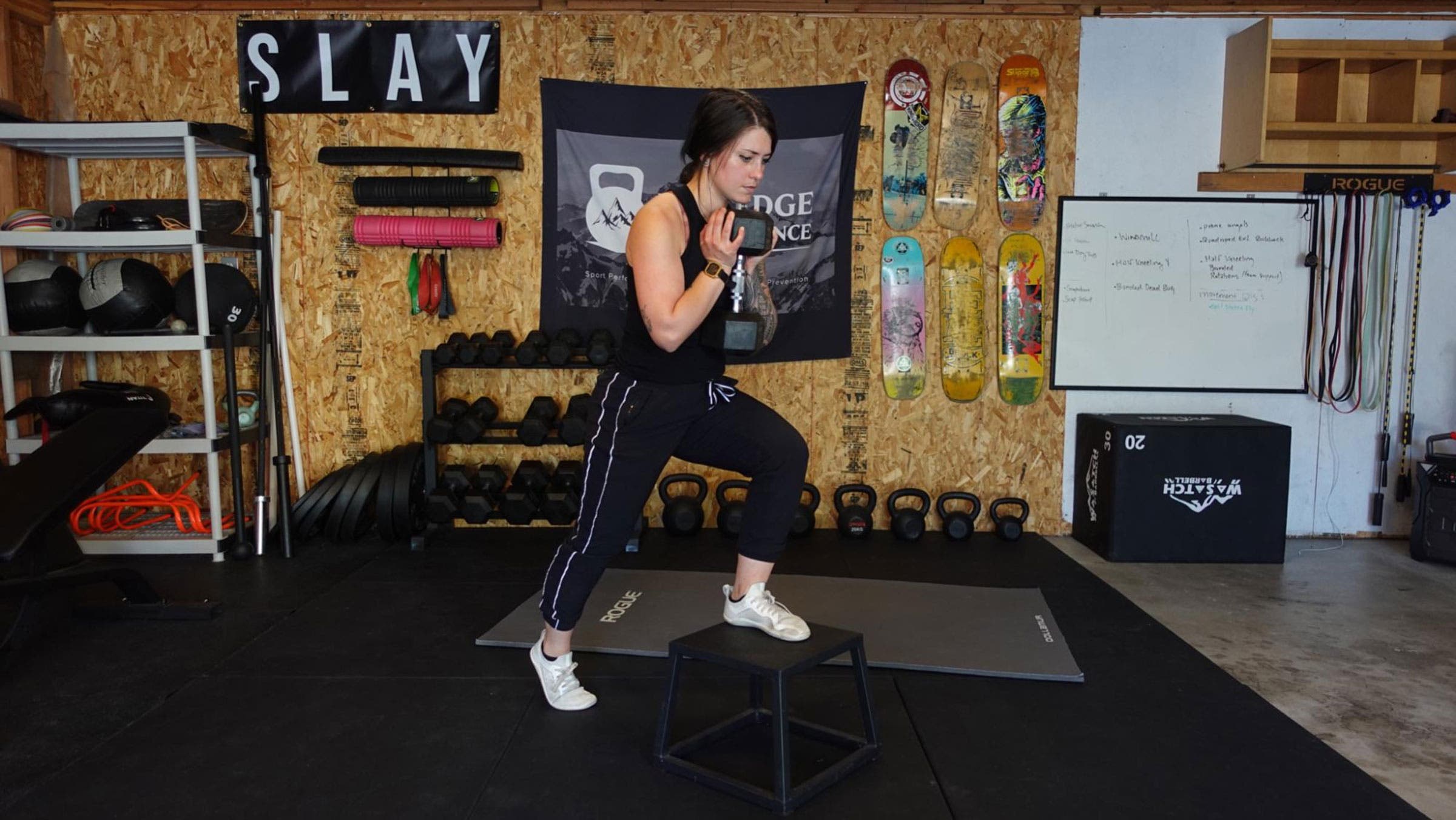
Skiing is essentially a series of single-leg movements. Step-ups eliminate strength imbalances between the left and right legs and build the explosive power needed to navigate moguls.
- Execution: Using a box or bench at knee height, place one foot firmly on the surface. Drive through the heel to lift the body upward, focusing on a slow, controlled descent to maximize the eccentric work on the quadriceps.
- Volume: Three sets of 10 repetitions per leg are standard for building foundational endurance.
3. Gorilla Rows for Posterior Chain Integrity
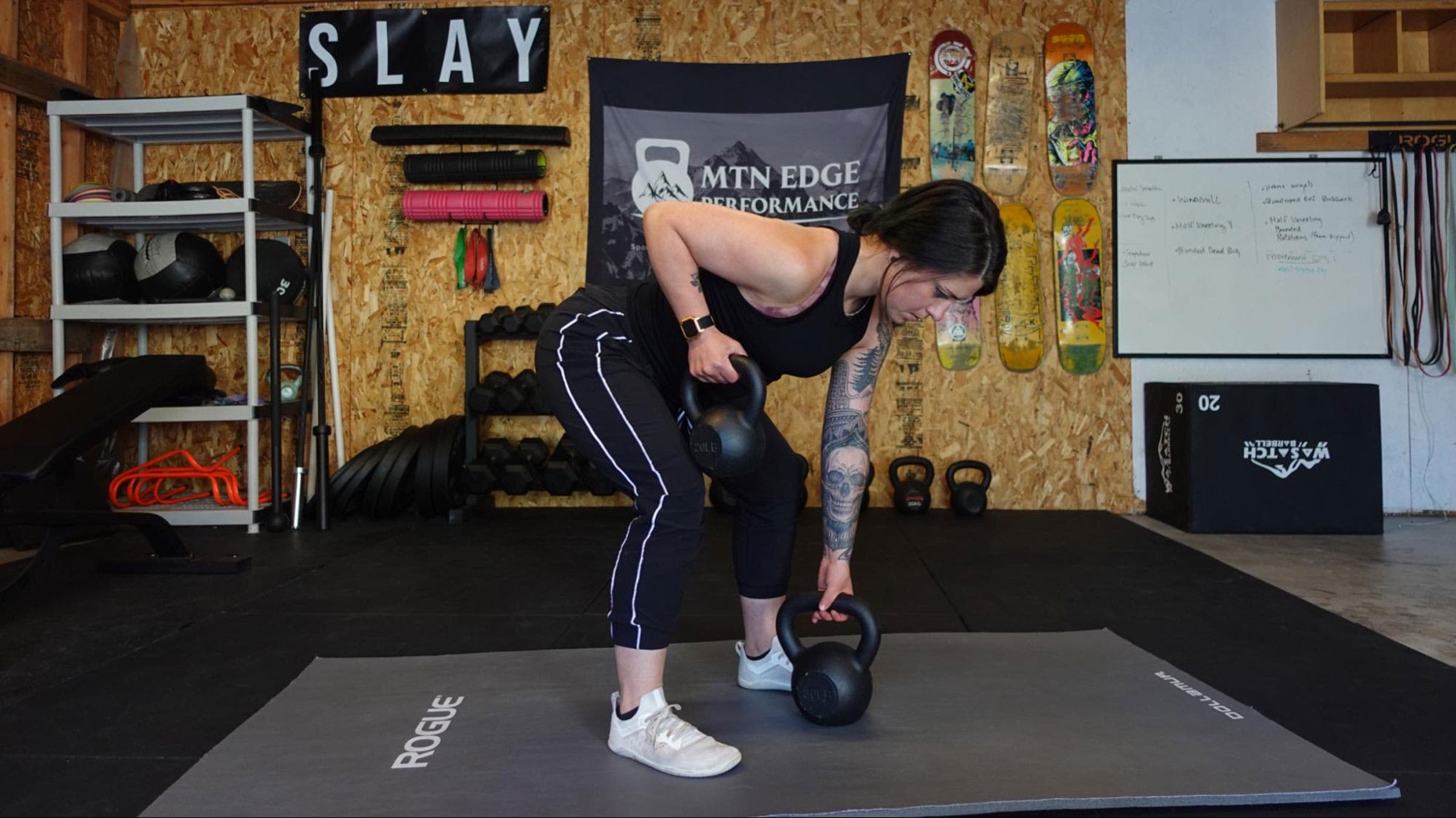
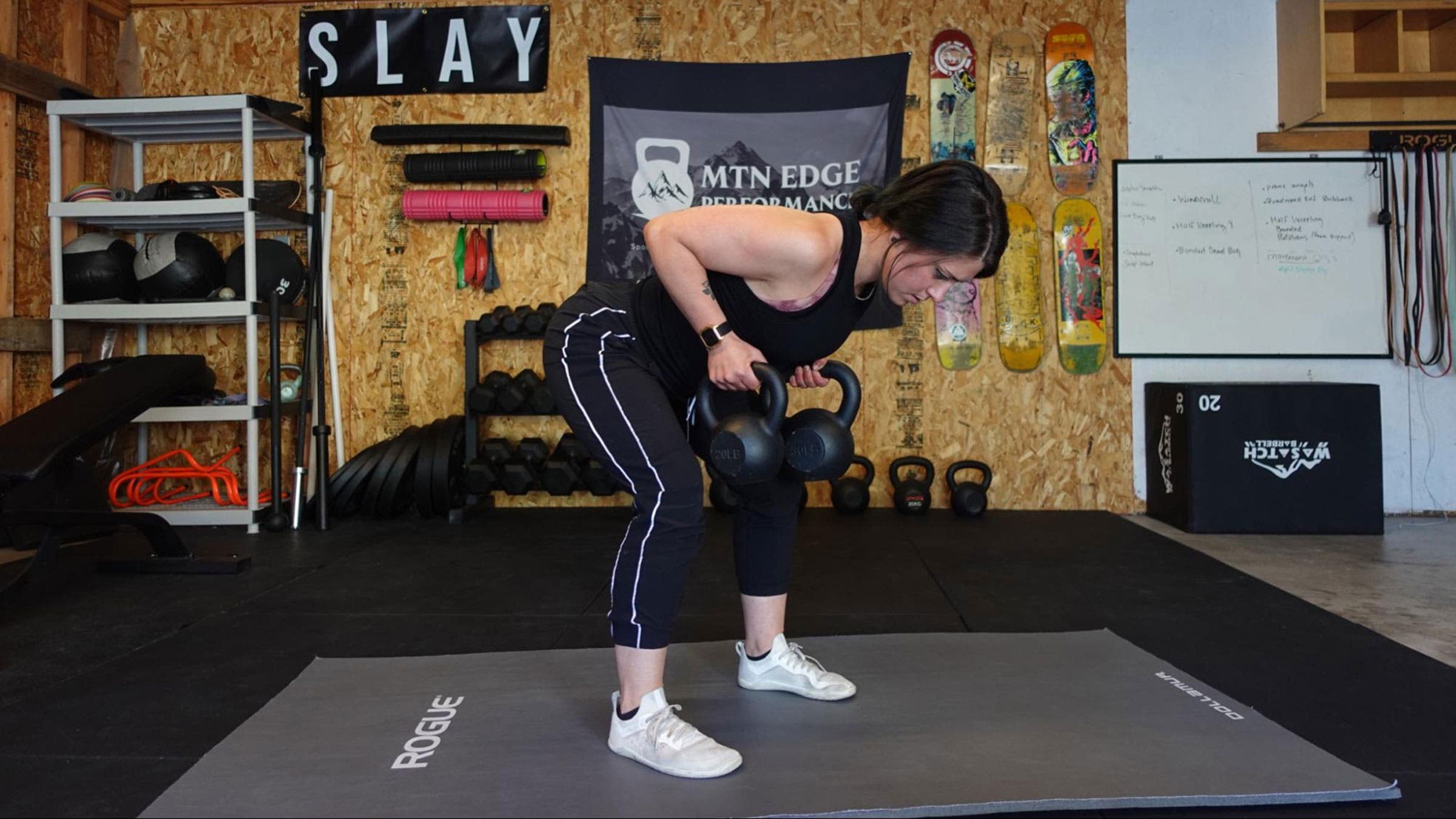
The "Gorilla Row" is a functional variation of the bent-over row that requires a deep hinge position. For skiers, this strengthens the erector spinae and the lower back, which must remain engaged to protect the spine during high-impact landings or while "charging" through heavy snow.
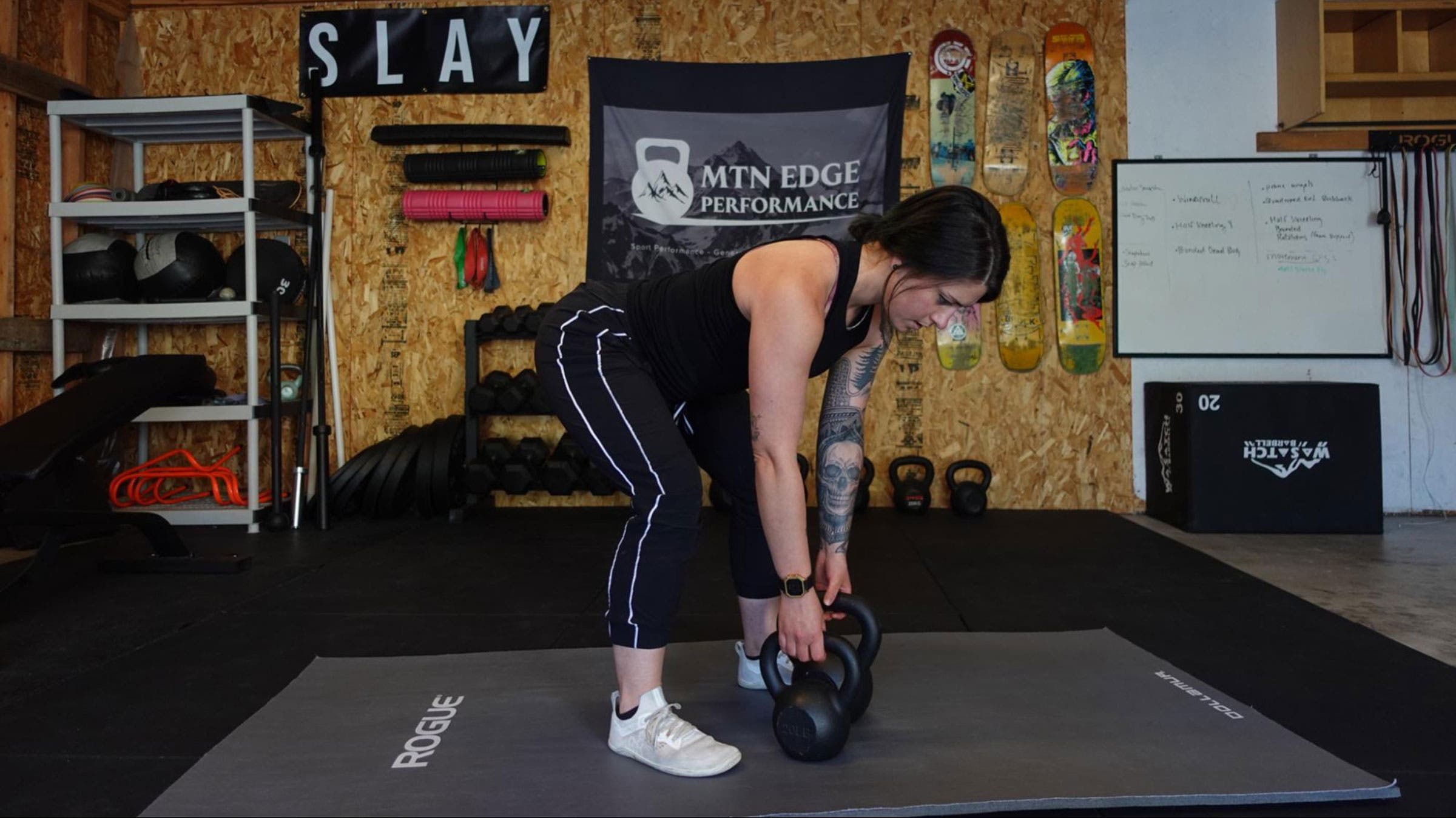
- Execution: Stand with feet wider than shoulder-width, hinging at the hips with a flat back. Using two kettlebells on the floor, pull one weight toward the hip while the other remains grounded, alternating sides while maintaining a rigid torso.
- Volume: Eight to 12 reps per side to build postural stamina.
4. The Suitcase March for Anti-Rotation
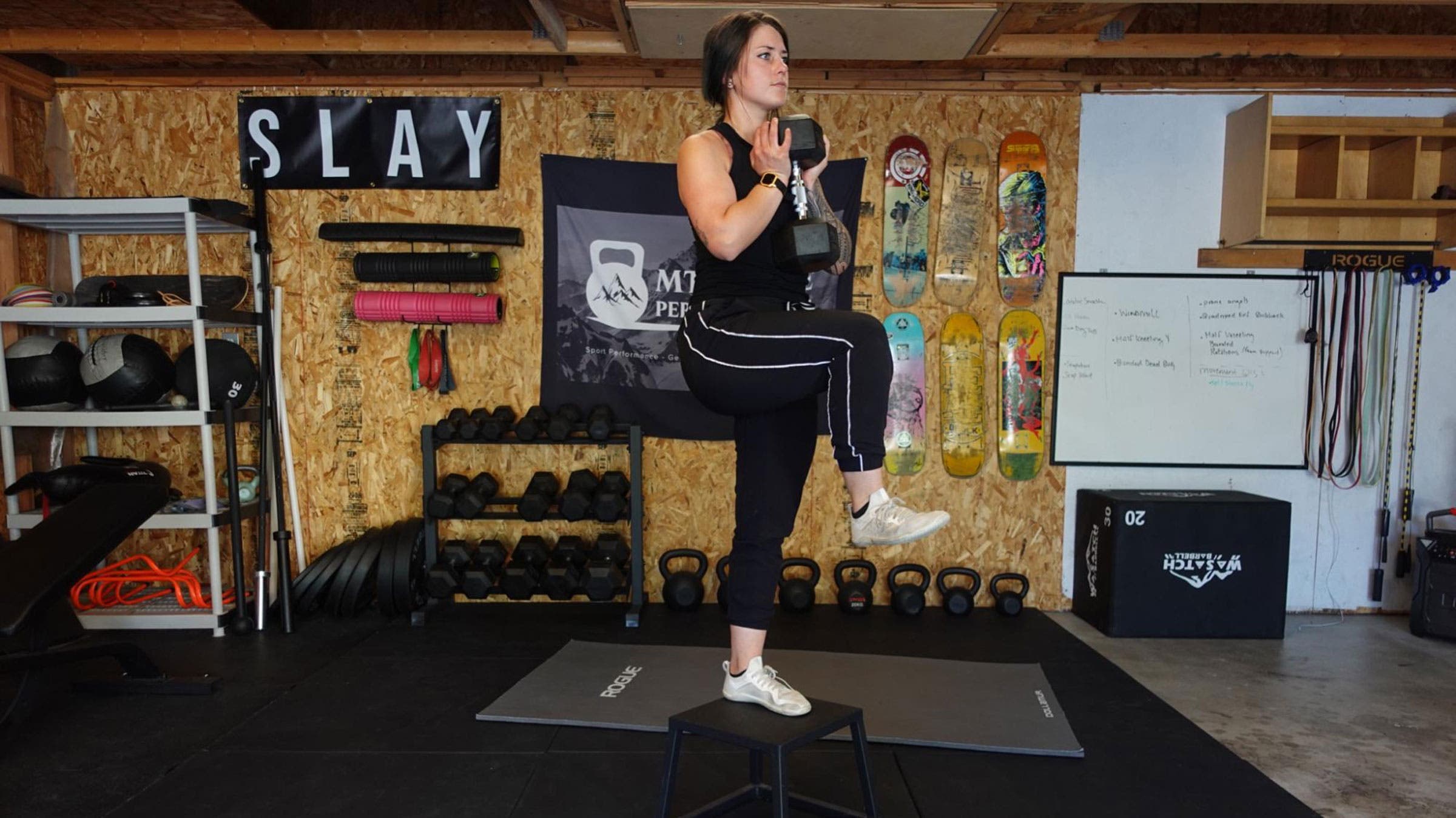
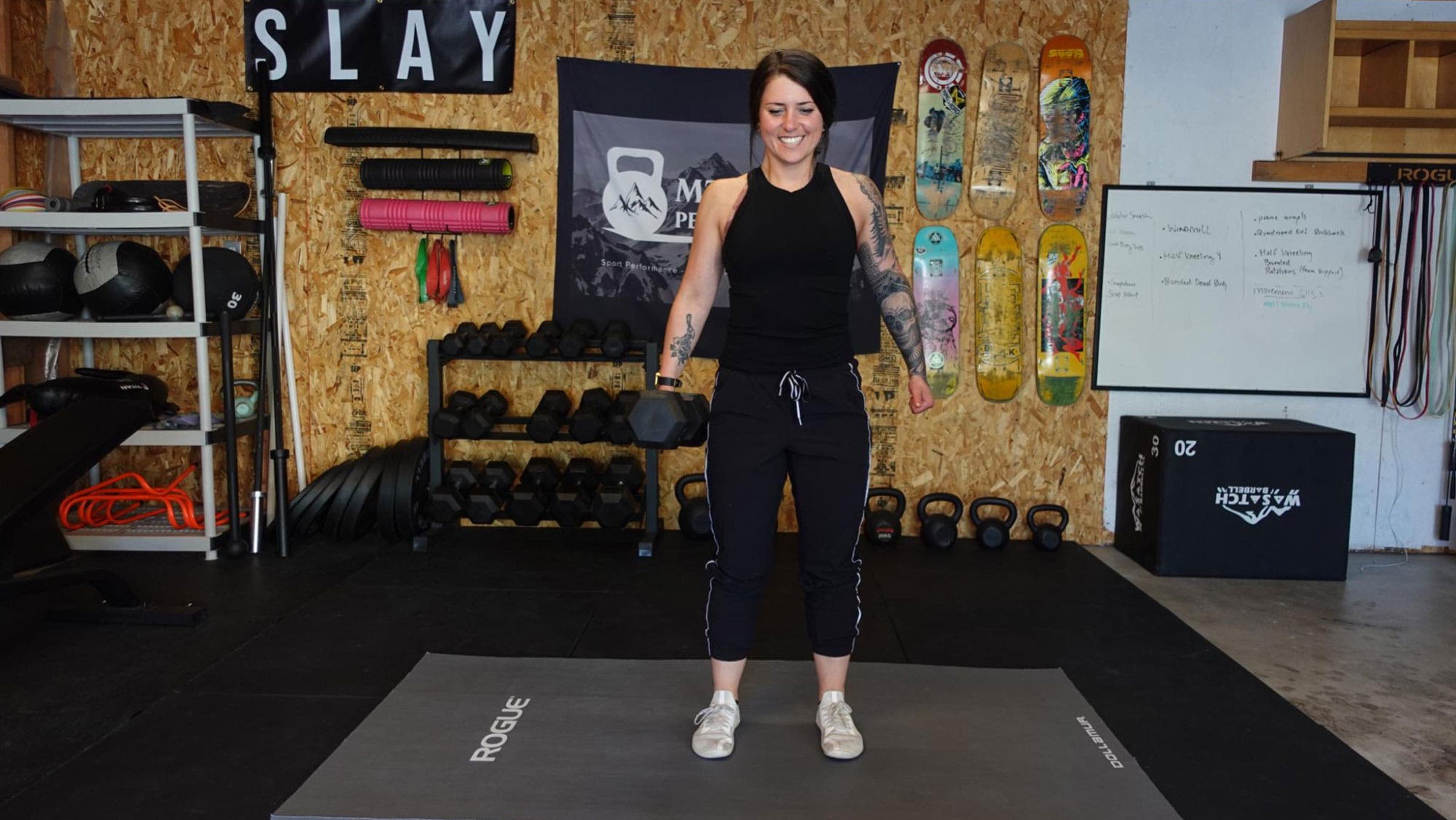
The Suitcase March is an "anti-lateral flexion" exercise. In skiing, when a skier hits a bump with one ski, the torso wants to collapse toward that side. This exercise trains the body to resist that force.
- Execution: Hold a heavy dumbbell in one hand like a suitcase. Stand tall and march in place, lifting the knees high while ensuring the torso does not tilt toward the weighted side.
- Duration: 30 to 60 seconds per side.
5. Plank Pull-Throughs for Dynamic Core Integration
A static plank is often insufficient for the dynamic environment of a ski slope. The pull-through variation forces the core to stabilize while the limbs are in motion, mimicking the way a skier must keep their upper body quiet while their legs work through variable snow conditions.
- Execution: In a high plank position, place a dumbbell on the floor behind one wrist. Reach across with the opposite hand and pull the weight to the other side, keeping the hips perfectly level with the ground.
- Duration: Two to four sets of 40 to 50 seconds.
Supporting Data and Expert Perspectives
Dr. James Andrews, a world-renowned orthopedic surgeon, has frequently noted that the "weekend warrior" phenomenon—where individuals are sedentary during the week and then engage in high-intensity sports on the weekend—is a primary driver of sports injuries. This is particularly true for skiing. According to a 2022 study published in the Journal of Sports Science & Medicine, athletes who engaged in a minimum of eight weeks of pre-season strength training saw a 30% reduction in soft-tissue injuries compared to those who relied solely on "on-snow" conditioning.
Furthermore, professional coaches emphasize that the mental benefit of off-season training is as significant as the physical. "When a skier knows their legs have the strength to handle a 2,000-foot vertical drop, they ski with more confidence," says Sarah Thompson, a certified strength and conditioning specialist who works with competitive freeride athletes. "Confidence leads to better decision-making on the mountain, which is the ultimate injury prevention tool."
Broader Impact and Long-Term Implications
The move toward year-round ski fitness has broader implications for the outdoor industry. As the cost of lift tickets and equipment continues to rise, skiers are increasingly viewing their time on the mountain as a high-value investment. A season-ending injury in December represents a significant financial and personal loss. Consequently, the "fitness-as-insurance" model has gained traction, with more ski resorts and equipment manufacturers partnering with fitness apps and gyms to provide specialized training content.
Moreover, as the average age of the skiing population increases, the focus has shifted toward "longevity in the sport." Strengthening the muscles surrounding the joints is the most effective way to combat the natural degradation of cartilage and bone density. For the aging skier, off-season conditioning is the difference between retiring from the sport in their 50s or continuing to enjoy the mountains well into their 70s.
In conclusion, the path to a successful and injury-free winter begins in the gym during the summer and autumn months. By utilizing assessments like the side plank test and committing to a regimen of lateral lunges, step-ups, and core stabilization, skiers can ensure that when the first flakes fall, their bodies are prepared for the rigors of the mountain. The investment made in the off-season pays dividends in every carved turn, every mogul cleared, and every day ended safely in the lodge.

