
As winter approaches and ski enthusiasts eagerly anticipate the first major snowfall, sports medicine professionals are issuing a collective reminder regarding the critical importance of pre-season physical conditioning. While the allure of fresh powder, steep chutes, and long carving runs drives millions of visitors to alpine resorts each year, the inherent risks of downhill skiing remain a constant challenge. From hidden subterranean obstacles and unexpected terrain transitions to high-speed collisions and sudden falls, the mountain environment subjects the human body to unpredictable, high-impact forces. According to clinical data compiled by orthopedic specialists and emergency departments across major ski regions, lower-extremity injuries—particularly involving the knee ligaments and surrounding musculature—continue to represent a significant portion of alpine trauma.
To mitigate these risks and enhance overall on-mountain performance, physical therapists and sports conditioning experts emphasize that preparation must begin months before stepping into a binding. Dr. Matt Hastings, an orthopedic and sports physical therapist at The Alpine Athlete in Denver, Colorado, points out that while skiers cannot control external mountain variables, they possess complete agency over their physical readiness. By adopting a targeted, evidence-based strength and conditioning routine tailored specifically to the unique biomechanical demands of alpine skiing, athletes can drastically reduce their vulnerability to strains, sprains, and catastrophic joint injuries.
The Biomechanical Demands of Alpine Skiing
Understanding why specialized training is necessary requires a close examination of how the human body interacts with alpine terrain. Unlike linear endurance sports such as running or cycling, skiing demands continuous multi-planar movement, rapid weight-shifting, and sustained isometric and eccentric muscle contractions. As a skier navigates downhill, the legs function as primary shock absorbers, constantly yielding to and dampening the immense forces generated by variable snow conditions, moguls, and high-velocity turns.
Epidemiological studies tracking winter sports injuries consistently highlight that fatigue is a primary precursor to accidents on the slopes. As muscle glycogen depletes and neuromuscular control wanes—often manifesting as the dreaded "quad burn" during long, aggressive descents—form deteriorates, reaction times slow down, and protective joint stabilization diminishes. Consequently, clinical interventions designed to prepare the musculoskeletal system for these exact stressors have become a cornerstone of modern injury prevention strategies within the snowsports industry.
Phase One: Developing Eccentric Strength for Terrain Absorption
At the heart of any comprehensive pre-season conditioning program is the development of eccentric strength. Unlike concentric muscle contractions, which involve shortening the muscle under tension (such as lifting a weight upward), eccentric contractions occur when a muscle is forced to lengthen while under a load.
On the ski hill, the lower extremities operate predominantly in an eccentric regime. When executing a turn or absorbing a drop, the quadriceps and gluteal complexes lengthen dynamically to control the descent and manage deceleration. To properly prepare the body for this constant resistance against gravity, physical therapists recommend integrating slow-tempo eccentric movements into traditional resistance training regimens.
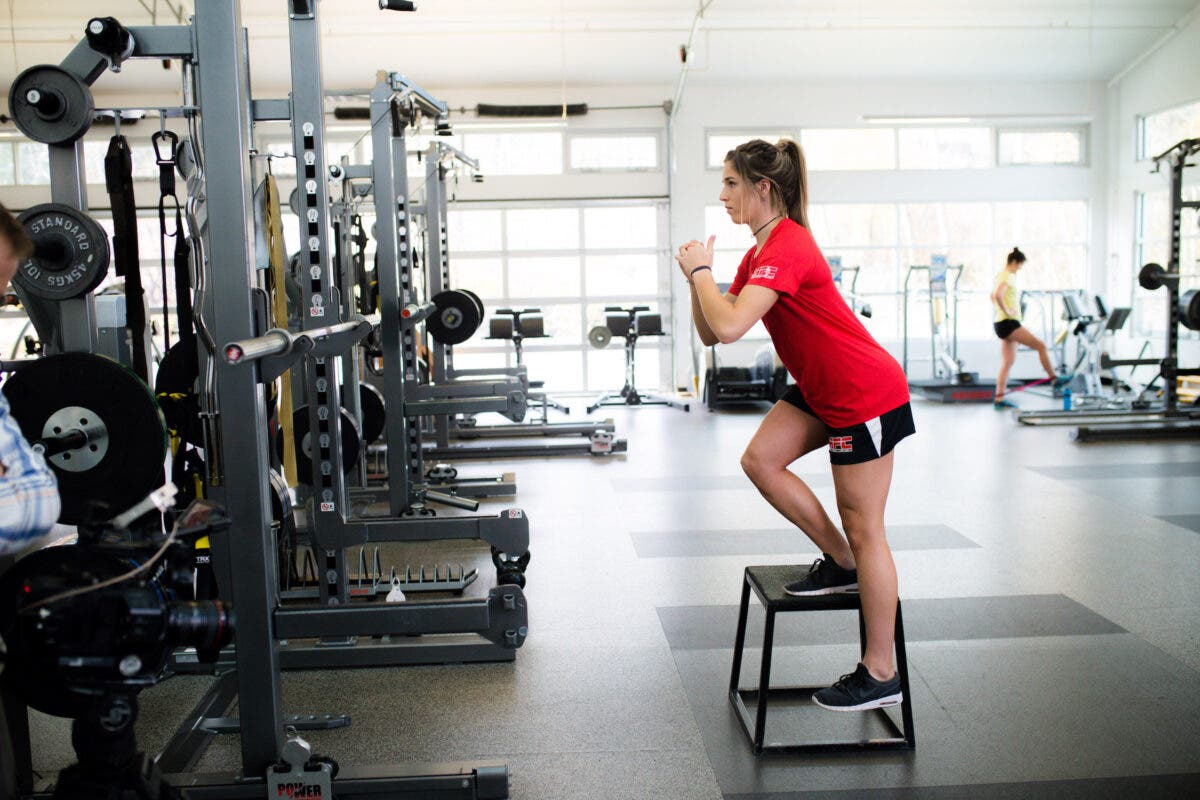
Athletes are advised to focus intensely on the lowering phase of foundational exercises such as squats, split squats, and leg presses. By extending the descent phase to a deliberate three- to five-second count, individuals force muscle fibers and connective tissues to adapt to prolonged high-load stress. This deliberate pacing not only increases overall muscular endurance but also enhances the neuromuscular system’s tolerance for the sustained downhill forces characteristic of a full day on the mountain.
Phase Two: Isometric Training to Combat Fatigue and Stabilize Joints
In addition to dynamic eccentric control, alpine skiing places intense demands on isometric strength—the ability of a muscle to produce force without changing the joint angle. This specific type of muscular engagement is constantly activated when a skier maintains a stable, centralized posture during long, arcing carved turns.
When a skier holds an aggressive edge across a steep icy pitch, the quadriceps, glutes, and core are locked into sustained isometric contractions to prevent the joints from collapsing under centrifugal force. Over the course of a long run, the accumulation of metabolic waste within these statically engaged muscles generates localized fatigue and discomfort.
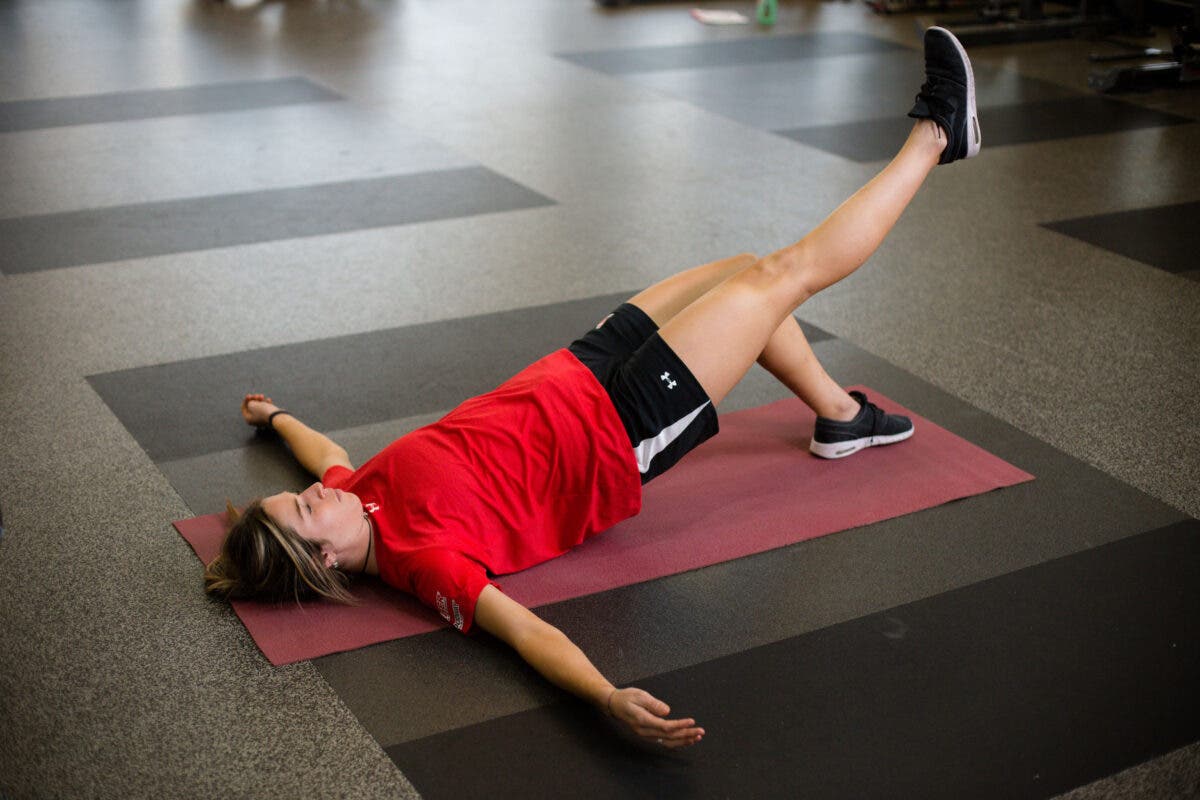
To elevate isometric endurance and minimize the intensity of the mid-run leg burn, experts advocate for the systematic integration of static holds into workout routines. Classic movements like the wall sit remain exceptionally effective, particularly when progressively overloaded by adding weighted resistance or unilateral variations. Similarly, single-leg glute bridges create localized stability in the posterior chain, directly targeting the glutes, hamstrings, and lower back to ensure the pelvis remains locked and level throughout dynamic maneuvers.
Phase Three: Embracing Single-Leg Stability and Multi-Planar Movements
Although skiing utilizes both feet simultaneously, it is fundamentally a unilateral sport at any given fraction of a second. As a skier transitions from turn to turn, body weight shifts dynamically from the inside edge of one ski to the inside edge of the other, requiring independent stabilization, balance, and power generation from each leg.
Standard bilateral exercises, while valuable for building gross strength, often fail to address the asymmetrical demands and lateral stability required on the slopes. To bridge this gap, physical therapists stress the importance of incorporating single-leg variations performed across multiple planes of motion.
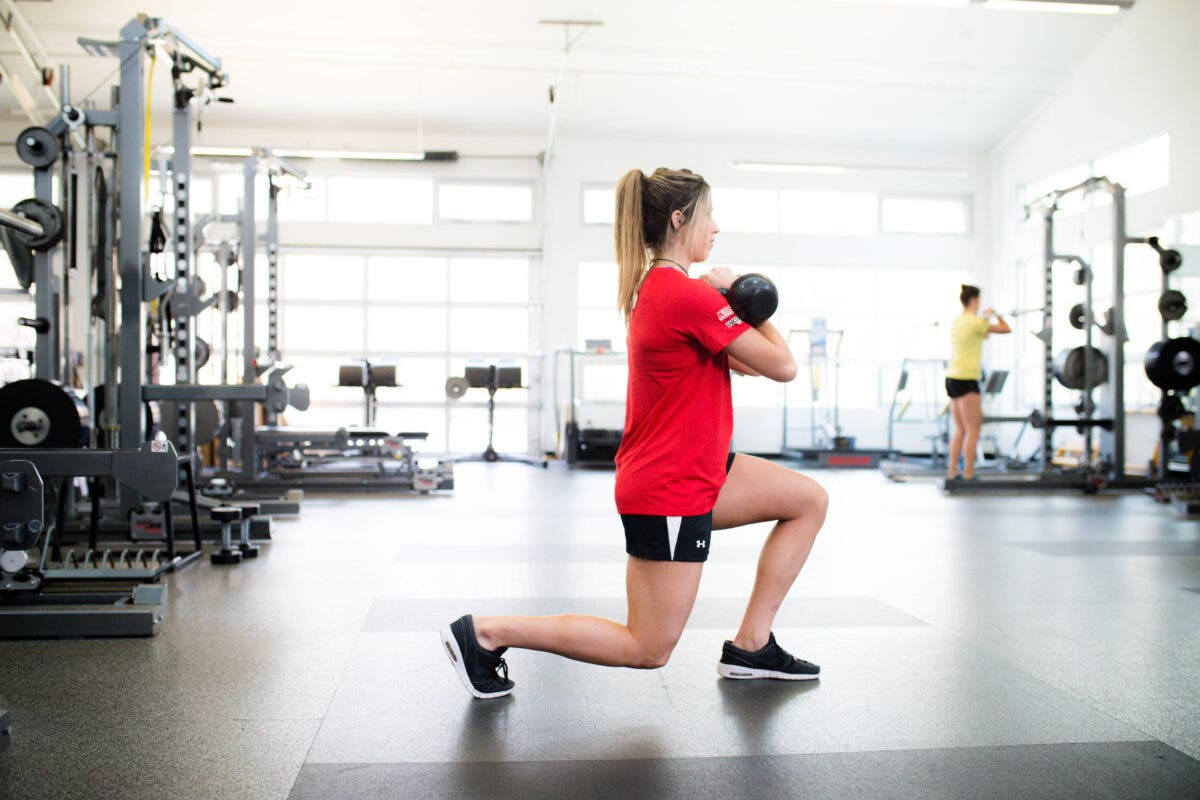
Incorporating lateral, forward, and reverse lunges challenges the stabilizing musculature of the hips, knees, and ankles in directions outside of the standard sagittal plane. Furthermore, adding variable surfaces or resistance bands to these single-leg patterns forces the central nervous system to rapidly recruit stabilizing micro-muscles, preparing the lower limbs to react instantly when a ski catches an unexpected edge or encounters variable crud snow.
Phase Four: Comprehensive Core Control via Advanced Plank Variations
A strong, stable trunk is the indispensable linchpin connecting upper body positioning to lower extremity execution. Skiing requires athletes to maintain a quiet, centralized upper body while their legs absorb terrain anomalies below them. This delicate dissociation demands exceptional core endurance and spinal stability.
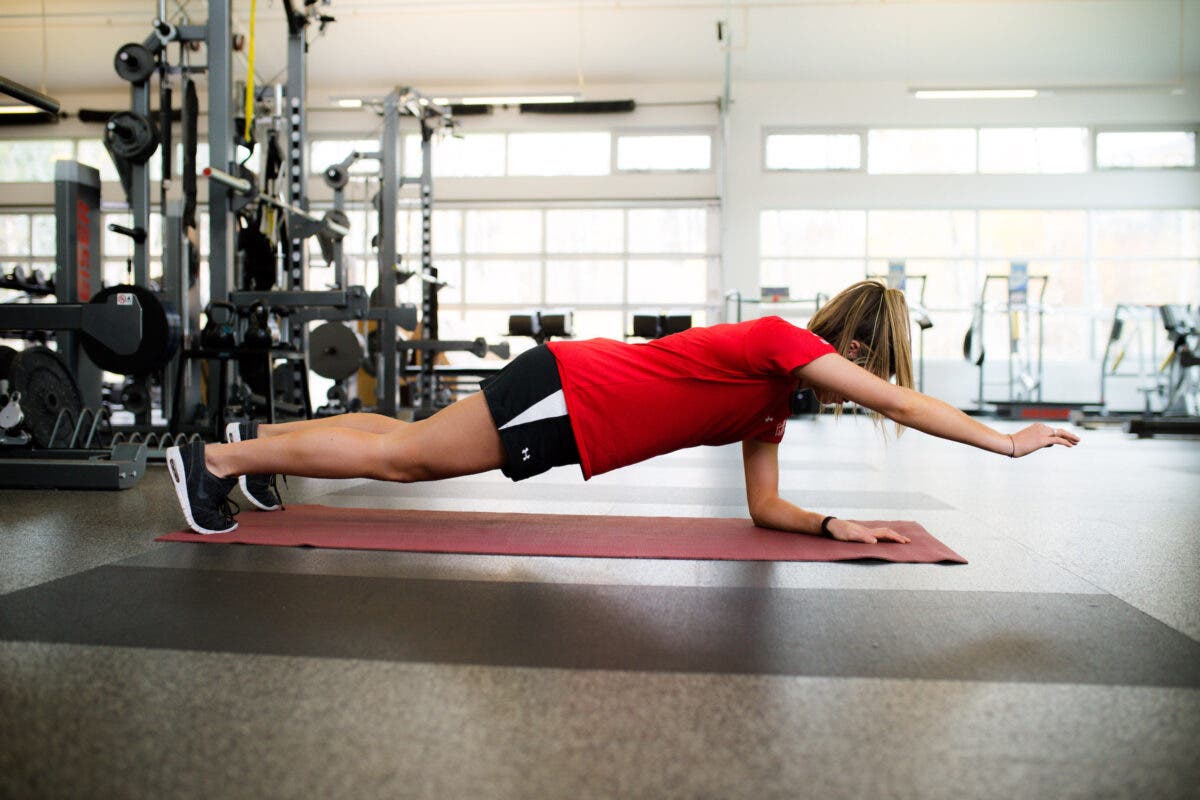
Relying solely on traditional, front-facing forearm planks is no longer considered sufficient for advanced athletic conditioning. Modern physical therapy protocols emphasize multi-dimensional core training utilizing advanced plank variations. Side planks, planks featuring alternating arm and leg reaches, and demanding movements such as the Copenhagen plank recruit the obliques, transverse abdominis, quadratus lumborum, and deep spinal stabilizers.
By strengthening the entire abdominal cylinder and protecting the lumbar spine against rotational shear forces, skiers can maintain superior balance, recover more rapidly from minor losses of control, and project power efficiently throughout their entire kinetic chain.
Phase Five: Proactive Mobility Work and Comprehensive Recovery
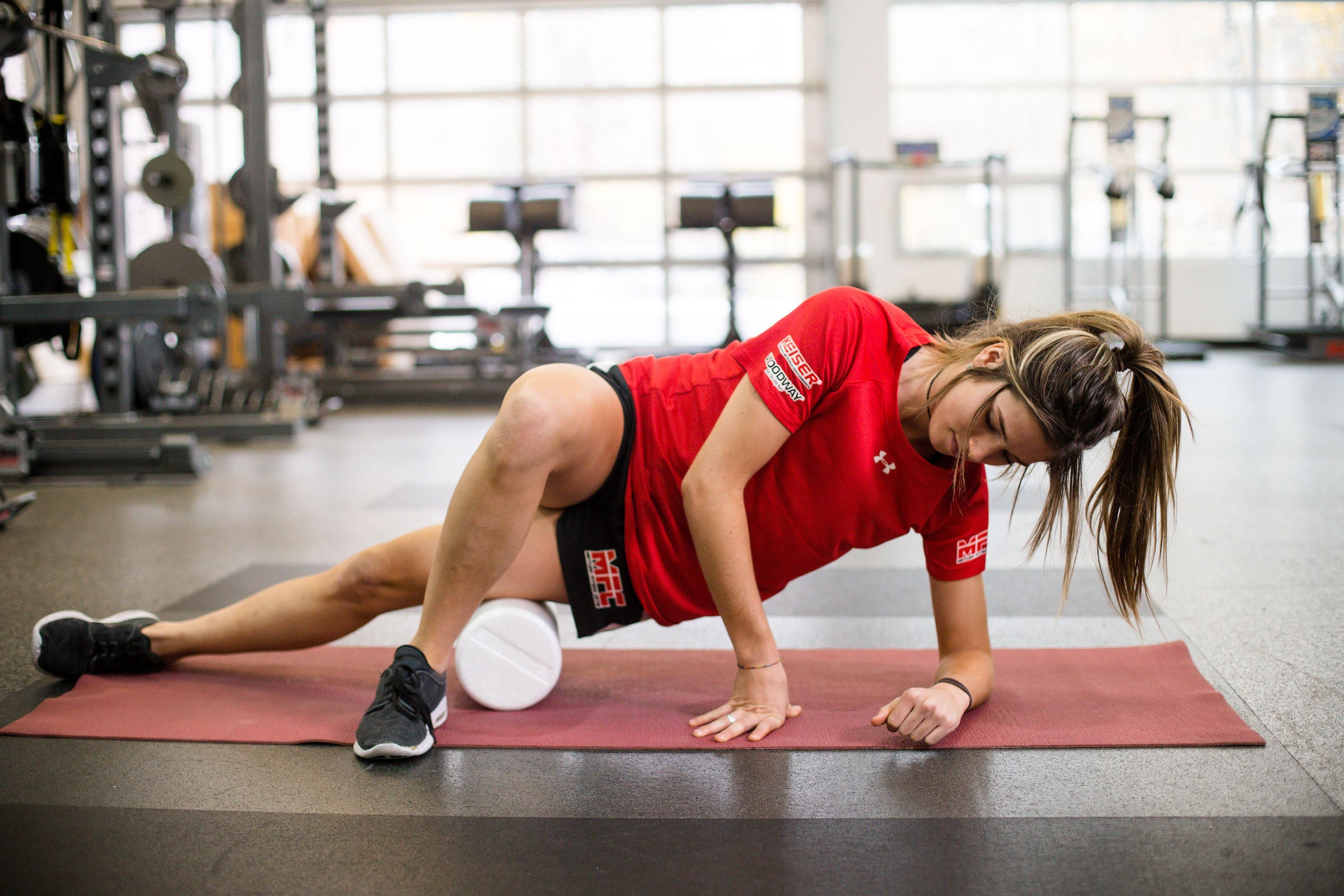
Physical preparation for the ski season extends far beyond strength training and muscular endurance; maintaining optimal joint range of motion and tissue health is equally critical for injury mitigation. Restricted mobility in key regions—specifically the ankles, hips, thoracic spine, and knees—inevitably leads to movement compensations, diminished force absorption, and increased mechanical stress on vulnerable joints.
Sports medicine specialists recommend integrating targeted mobility work into both pre-workout warm-ups and post-workout recovery protocols. Utilizing clinical-grade tools such as high-density foam rollers, percussion massage devices, and targeted resistance bands helps release fascial restrictions, improve local blood circulation, and restore natural joint arthrokinematics.
Addressing joint stiffness prior to the season ensures that skiers can comfortably achieve the deep flexion angles required for aggressive skiing without placing undue strain on passive connective tissues such as ligaments and tendons.
Broader Implications and Industry-Wide Impact
As winter sports tourism continues to grow globally, alpine safety organizations, resort operators, and healthcare providers are increasingly focusing their educational outreach on preventative physical conditioning. Data from mountain rescue teams and resort medical clinics demonstrate a direct correlation between pre-season conditioning programs and a reduction in the severity of lower-extremity trauma.
By shifting the paradigm from reactive treatment to proactive preparation, the snowsports community aims to alleviate the immense strain placed on emergency medical services and orthopedic surgery departments during peak winter months. Industry analysts note that initiatives led by professionals like Dr. Hastings underscore a broader cultural shift within alpine sports: the recognition that physical longevity on the mountain is not merely a matter of good fortune, but the direct result of disciplined, science-based physical preparation executed long before the first flakes fall.

