
The traditional approach to winter sports preparation, often characterized by a frantic burst of exercise in the weeks leading up to the first snowfall, is increasingly being viewed as inadequate by the medical and athletic communities. According to Dr. Kevin Stone, an orthopedic surgeon and former physician for the U.S. Ski Team, the window for optimal ski conditioning actually opens the moment the previous season concludes. Speaking from his perspective at The Stone Clinic in San Francisco, Dr. Stone emphasizes that maintaining a foundational level of fitness throughout the spring, summer, and autumn is essential for both performance and the prevention of catastrophic injury. This shift from "seasonal training" to "year-round maintenance" represents a significant evolution in how amateur and professional athletes alike approach the mountains.
The Chronology of Year-Round Conditioning
Effective ski preparation follows a specific chronological arc that begins approximately seven months before the lifts start spinning. The philosophy advocated by modern sports medicine professionals suggests that the high-intensity quad strength and cardiovascular endurance built during the peak of winter should not be allowed to atrophy during the off-season. Instead of starting from a baseline of zero every November, athletes are encouraged to engage in "maintenance activities" that align with their personal interests.
From May through August, the focus is on general total-body fitness rather than sport-specific drills. Activities such as cycling, trail running, and swimming serve to maintain aerobic capacity and joint mobility. Dr. Stone notes that the most effective off-season programs are those that are enjoyable and socially engaging, as these factors significantly increase long-term adherence. By September, the focus shifts toward more dynamic movements that mimic the stresses of skiing. This includes the introduction of lateral movements and the "dynamic squat," which remains the gold standard for ski-specific conditioning. By October and November, the emphasis moves toward equipment checks and mental preparation, ensuring that the transition back to the snow is seamless.
The Mechanics of the Dynamic Squat
In the realm of physical preparation, the squat has long been recognized as a foundational movement. However, the modern interpretation of this exercise for skiers emphasizes "dynamism" over static weight-bearing. A dynamic squat involves side-to-side movement and varying depths, which better prepares the musculoskeletal system for the unpredictable terrain and variable snow conditions encountered on the slopes.
Data from sports physiology studies suggest that skiing requires a unique combination of eccentric and concentric muscle contractions. The dynamic squat addresses these needs by strengthening the primary movers—the quadriceps, gluteals, and hamstrings—while simultaneously engaging the stabilizer muscles in the ankles and core. Dr. Stone characterizes the dynamic squat as the most efficient exercise for any skier, as it reproduces the specific biomechanical demands of the sport, thereby maximizing the utility of the athlete’s time in the gym.
The Psychosomatic Element: Mental Focus and Injury Prevention
A critical, yet often overlooked, component of ski safety is cognitive engagement. Statistics from orthopedic clinics suggest that a significant percentage of skiing injuries occur not because of physical failure, but due to mental lapses. Dr. Stone observes that many injured athletes report a sense of "something being off" or a lack of focus immediately prior to an accident.
Injuries frequently occur when a skier’s attention drifts toward external stressors, such as social dynamics or logistical concerns, rather than the immediate task of navigating the terrain. Research into sports-related injuries indicates that muscle power alone is insufficient to protect joints if the brain is not actively modulating the body’s response to environmental changes. For the modern skier, "putting the mind in the game" is as vital a safety measure as wearing a helmet. This mental discipline allows for faster reaction times and better proprioception, which are the body’s primary defenses against the sudden torque and impact forces that cause ligament tears.
Technological Advancements in Gear and Safety
The evolution of ski equipment has fundamentally changed the safety profile of the sport. Historically, there was a prevailing belief among enthusiasts that high-performance skiing required stiff, uncomfortable boots and rigid bindings. Modern engineering has debunked this notion, favoring equipment that allows for natural anatomical movement.
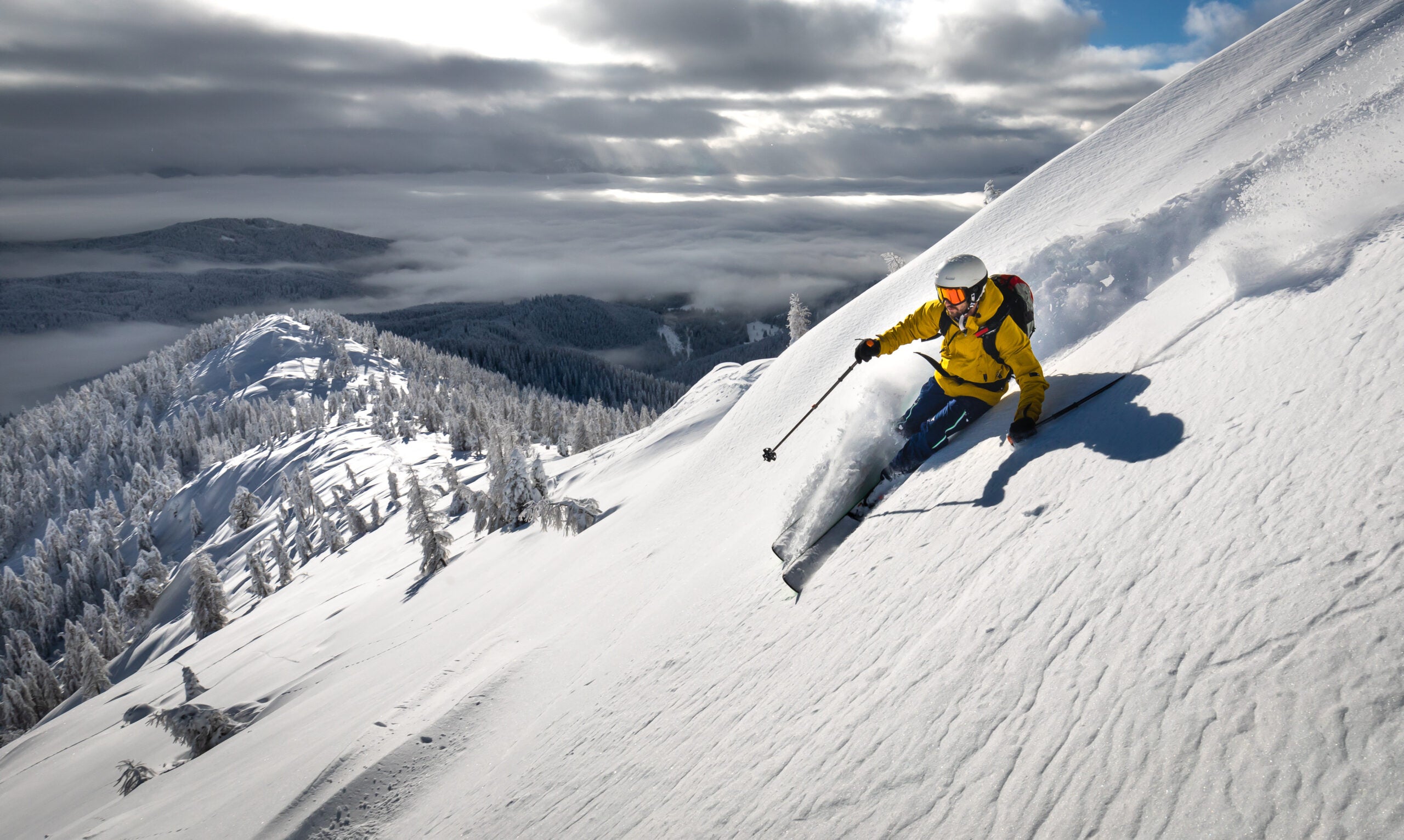
Dr. Stone highlights that for approximately 90 percent of the skiing population, a softer, more flexible boot is actually safer and more conducive to proper technique. Modern boots are designed to allow the ankles and knees to flex more naturally, which facilitates better turning and reduces the strain on the ACL and other critical ligaments. Furthermore, the safety mechanisms in contemporary bindings have become far more sophisticated, offering more reliable release points to prevent "spiral fractures" and complex knee injuries. The medical recommendation is clear: utilizing outdated gear—defined as equipment more than five to seven years old—significantly increases the risk of injury due to material fatigue and obsolete safety standards.
Demographic Injury Profiles: Youth vs. Senior Skiers
The types of injuries treated by orthopedic surgeons vary significantly across age demographics. In younger skiers, the most common pathologies include torn Anterior Cruciate Ligaments (ACL), meniscus cartilage damage, and upper-body injuries such as dislocated shoulders or torn rotator cuffs, often resulting from high-velocity falls.
In contrast, the primary challenge for older skiers is the management of arthritic joints. As the population of active seniors grows, the medical community has developed new strategies to keep "bone-on-bone" patients on the slopes. Dr. Stone points to the efficacy of modern injections, including hyaluronic acid (lubricants) and Platelet-Rich Plasma (PRP) or growth factors. These treatments are designed to recruit the body’s own healing mechanisms and lubricate the joints, often allowing patients to delay or entirely avoid total joint replacements. This "biologic" approach to orthopedics represents a shift away from purely mechanical solutions toward regenerative medicine.
Modern Diagnostic and Surgical Protocols
When an injury does occur, the speed and accuracy of the diagnosis are paramount. Dr. Stone identifies a specific "triad" of symptoms—a twist of the knee, an audible "pop," and subsequent swelling—as having a 90 percent correlation with a major ligament or cartilage tear. Modern protocols require a comprehensive physical exam, X-rays, and MRI imaging to formulate a precise treatment plan.
In the event of surgery, particularly ACL reconstruction, surgical philosophies are also evolving. While some surgeons prefer autografts (using the patient’s own patellar or hamstring tissue), Dr. Stone advocates for the use of donor tissue (allografts). The rationale is that harvesting tissue from the patient’s own leg can weaken the knee and affect the athlete’s ability to "hold an edge" or flex properly during a turn. By using high-quality donor tissue, the surgeon can maintain the integrity of the surrounding musculature, potentially allowing the athlete to return to the sport "fitter, faster, and stronger" than before the injury.
Broader Implications for the Winter Sports Industry
The shift toward proactive, year-round training and advanced medical intervention has broader implications for the winter sports industry. As skiers remain active later into life—frequently into their 80s and 90s—the demand for accessible, safe, and technologically advanced skiing experiences continues to grow. This demographic shift supports the economic viability of ski resorts and drives innovation in equipment manufacturing and sports medicine.
However, the inherent risks of the sport remain a reality. The "addictive" nature of skiing, characterized by the unique sensation of sliding down snow, often overrides the logical assessment of danger. Therefore, the responsibility falls on the individual athlete to adopt a professionalized approach to their preparation. By integrating dynamic physical training, cognitive focus, and modern equipment, skiers can significantly mitigate the risks of the mountain.
The ultimate goal of modern sports medicine in this context is "longevity." Whether through the use of regenerative injections for an aging knee or the application of donor tissue for a young athlete’s ACL, the objective is to keep the individual active and engaged with the sport for as many decades as possible. As Dr. Stone suggests, an injury need not be the end of a skiing career; rather, it can serve as a catalyst for a more disciplined and informed approach to fitness and mountain safety.

