
Hidden deep within California’s Sierra Nevada lies one of the most remarkable geologic formations on Earth: a towering wall of near-perfect hexagonal basalt columns that looks less like a work of nature and more like the handiwork of ancient machinery. Yet, a little over a century ago, this spectacular landscape nearly vanished from the map forever. To explore Devils Postpile National Monument today is to walk through a story of intense volcanic energy, glacial carving, fierce conservation battles, and a surprisingly tangled history of bureaucratic red tape.
Genesis of a Geological Wonder: The Volcanic Origins
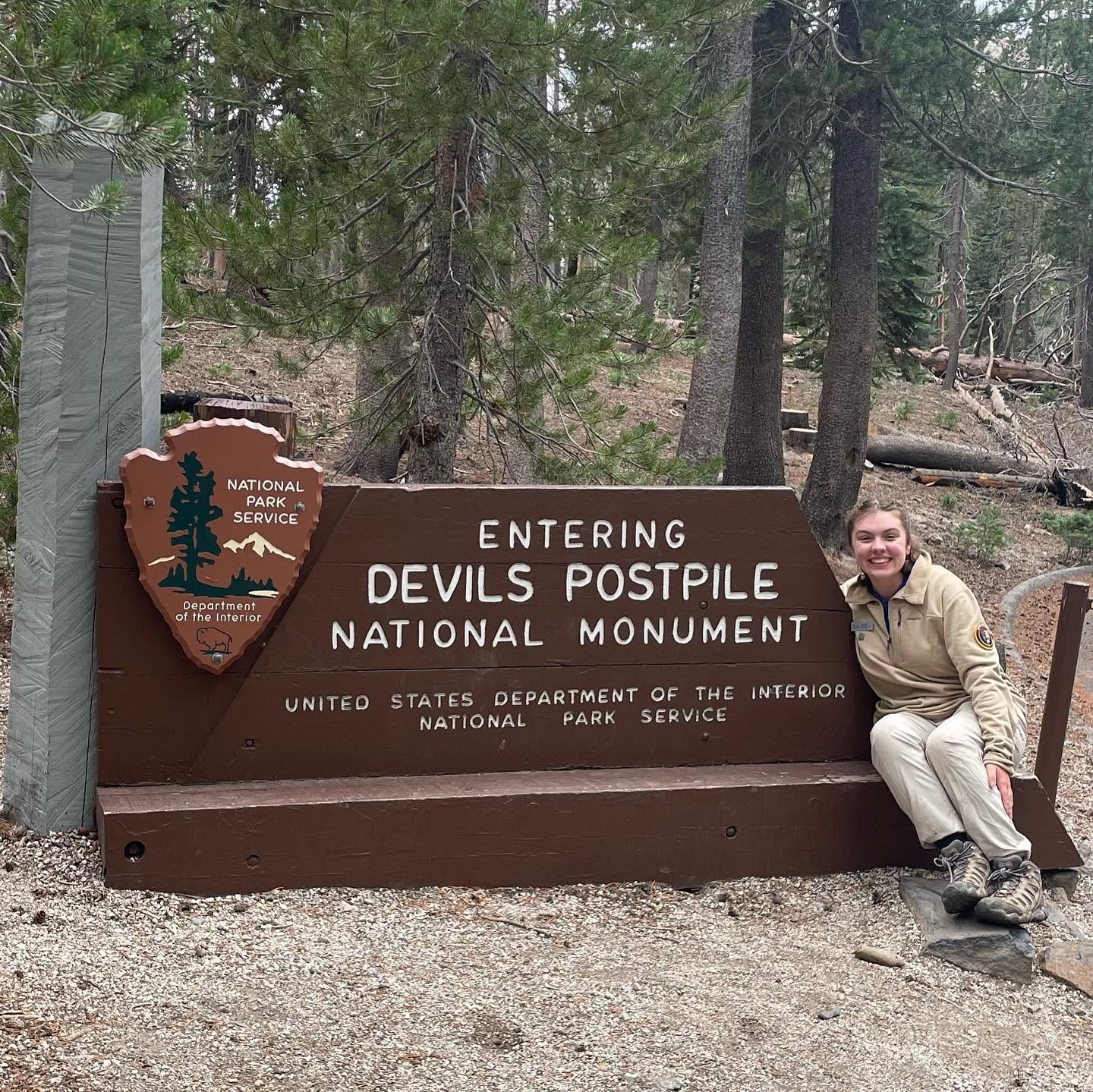
The dramatic landscape of Devils Postpile National Monument is a testament to the raw power of Earth’s internal forces, shaped by volcanic activity and sculpted by glacial erosion over millennia. The monumental basalt columns, a defining feature of the monument, owe their existence to a massive lava flow that occurred approximately 100,000 years ago. During this period, a volcanic vent near present-day Upper Soda Springs erupted, sending a thick, viscous flow of basaltic lava cascading into the valley. This molten rock pooled to a depth of between 400 and 600 feet, creating an exceptionally deep lava lake.
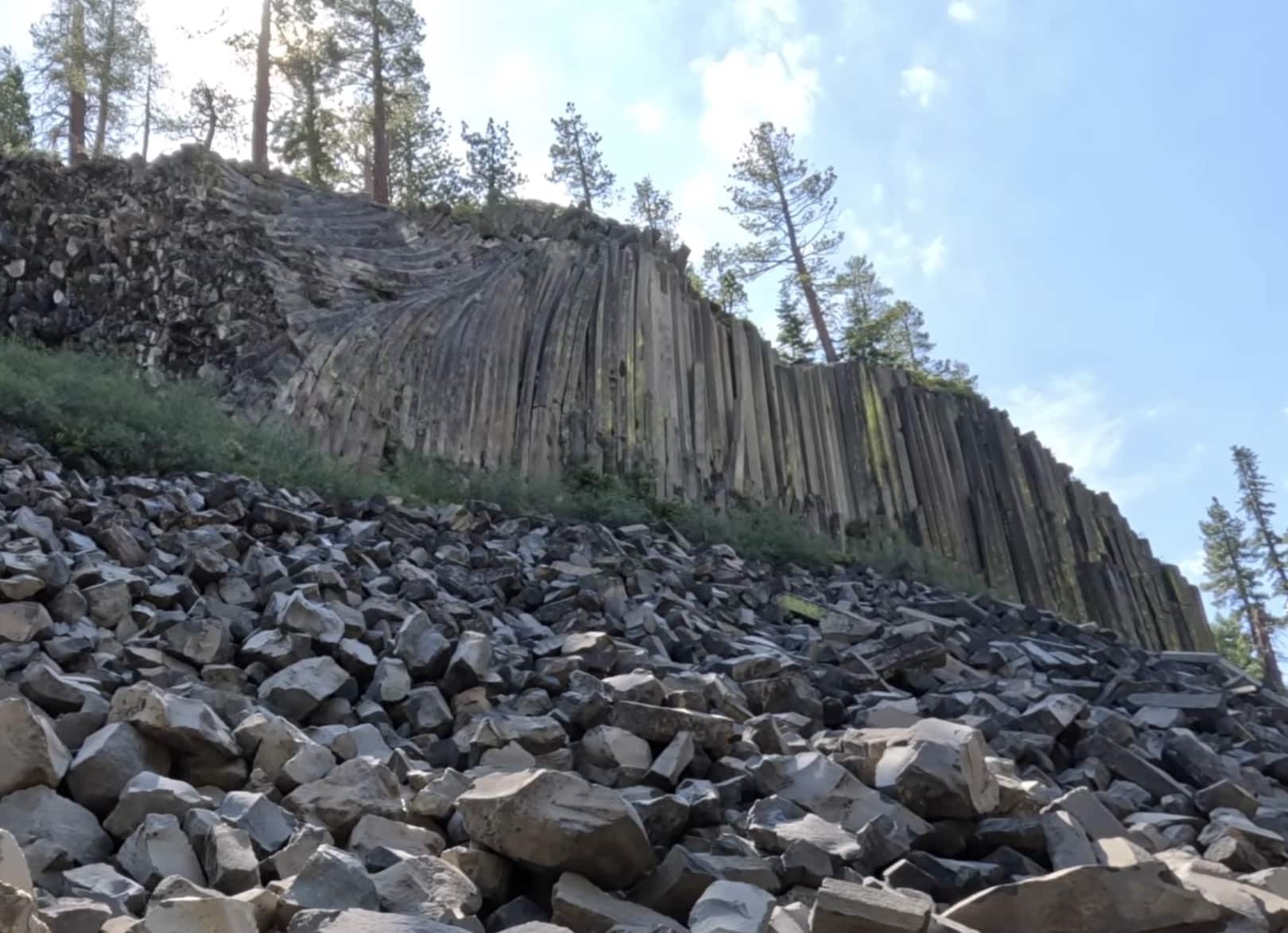
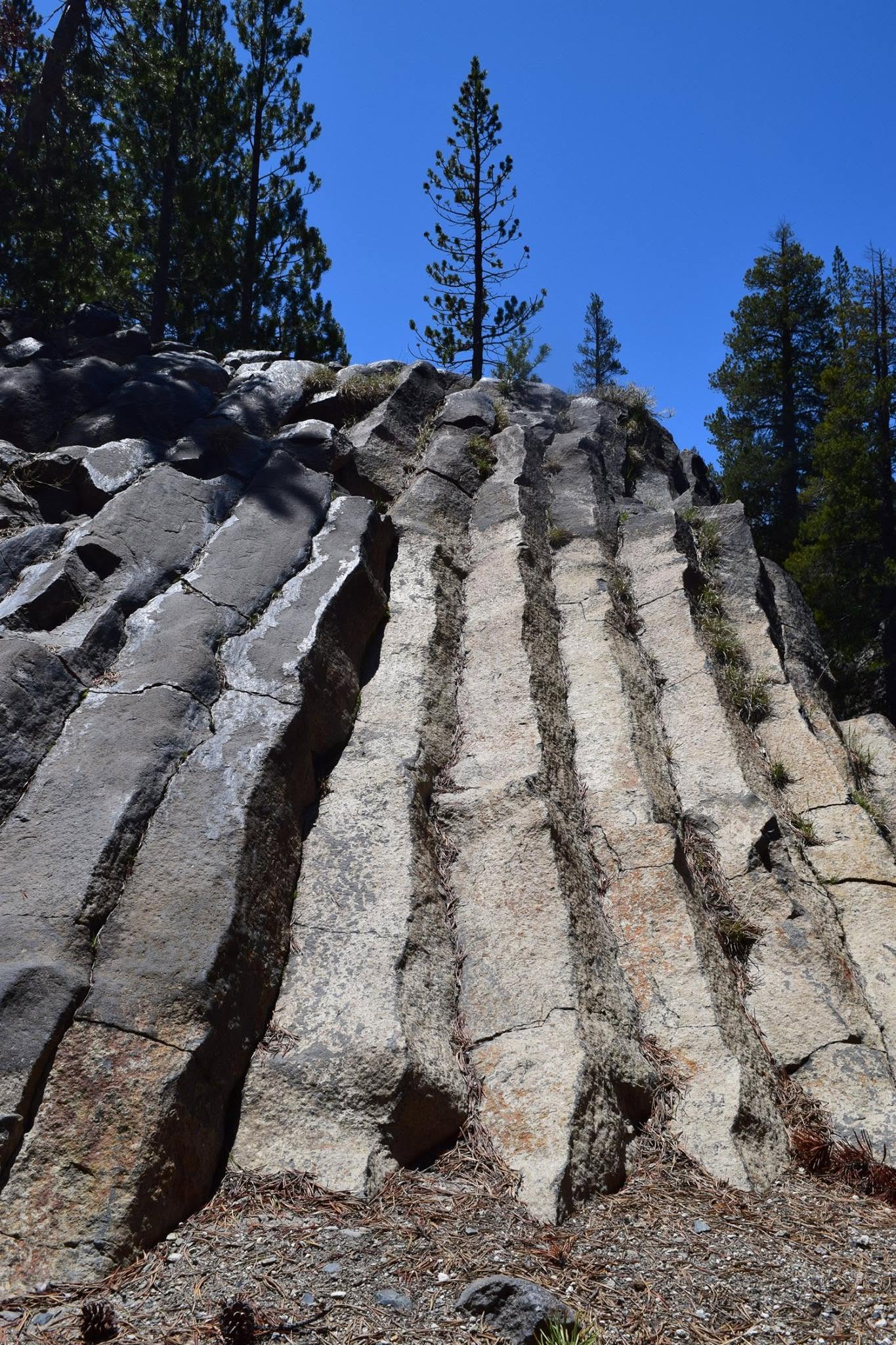
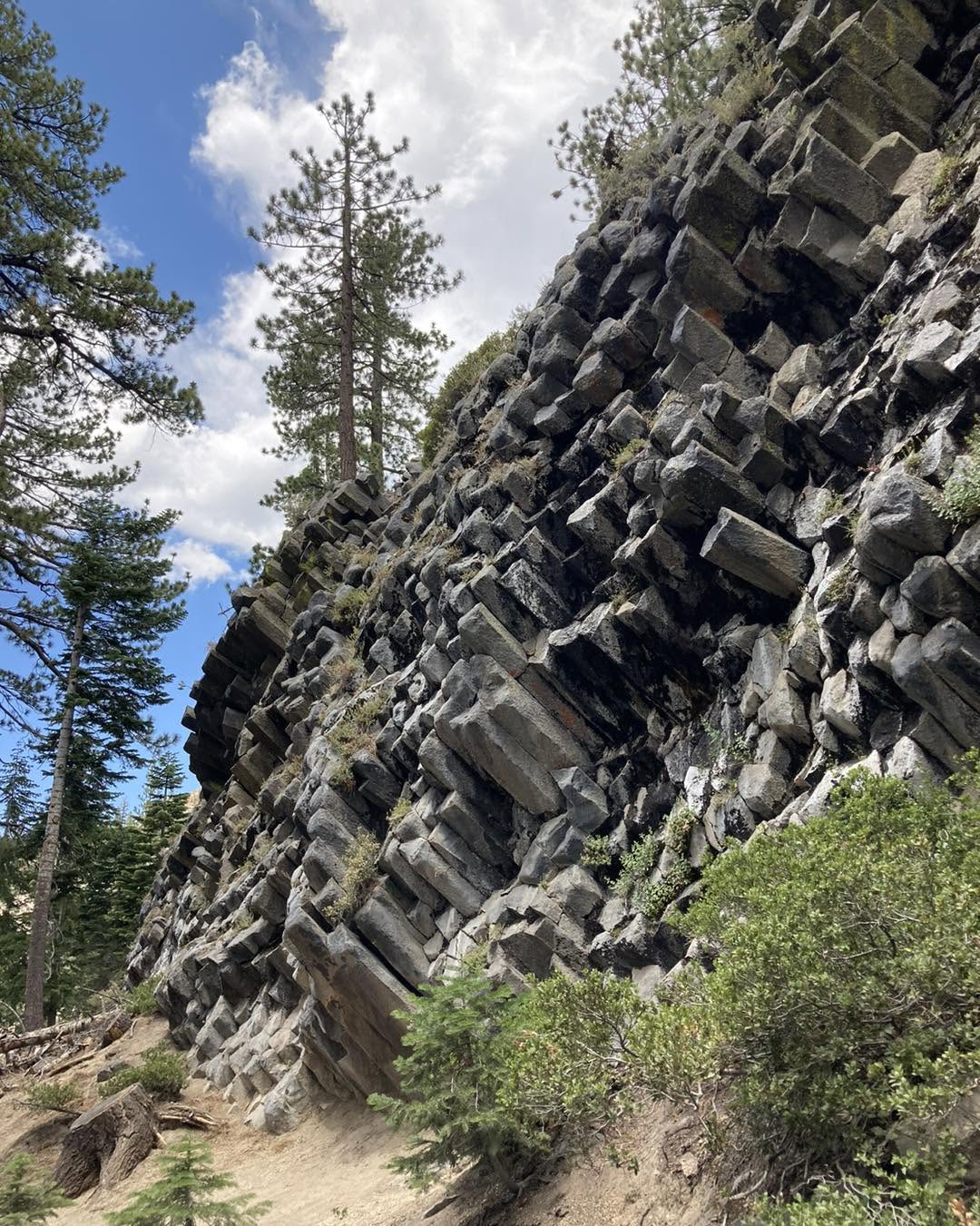
The immense thickness of this lava pool dictated its slow and remarkably uniform cooling process. As the molten rock gradually solidified, it contracted. This contraction induced stress within the cooling mass, leading to the formation of distinctive vertical fractures. The most efficient way for the rock to relieve this stress and minimize surface area was to fracture into polygonal shapes, predominantly hexagons. This natural phenomenon, known as columnar jointing, is observed in basaltic lava flows worldwide, but Devils Postpile stands out for the exceptional symmetry and scale of its columns.
Scientific analysis of the formation has revealed intricate details about its geological history. Geological surveys have confirmed that the cooling rate was slow enough to allow for the development of these near-perfect geometric structures. While the exact mechanisms of fracture propagation are complex, the principle of cooling and contraction remains the primary driver.
The Sculpting Hand of Ice: Glacial Epochs
Long after the lava had cooled and solidified into the imposing Postpile, another powerful geological force entered the scene: glaciers. During subsequent ice ages, vast sheets of ice advanced and retreated through the Sierra Nevada, relentlessly carving and shaping the landscape. The immense weight and erosive power of these glaciers were instrumental in exposing the columnar basalt formation.
As the glaciers moved through the valley, they sheared away the overlying rock and debris. This glacial action effectively stripped away the upper layers of the solidified lava flow, revealing the perfectly formed columns beneath. The immense power of the ice also contributed to the accumulation of the talus slope at the base of the Postpile, a jumbled mass of naturally broken rock that lies at the formation’s foot. The top of the Postpile itself bears the marks of glacial polishing, with the column tops worn smooth and flat, resembling a massive, natural mosaic.
A Near Miss: The Threat of Development and a Conservation Triumph
The dramatic geological narrative of Devils Postpile nearly ended with a chapter of industrial development. In the early 20th century, the potential for hydroelectric power generation in the Sierra Nevada was a significant focus. Following the discovery of gold nearby, a proposal emerged to dam the Middle Fork of the San Joaquin River. This ambitious project, intended to generate electricity, carried a devastating plan for the Devils Postpile: engineers proposed to blast the entire formation and use the rubble as fill material for the dam.
This shocking proposal ignited widespread outrage across California. Conservationists, environmentalists, and the public at large recognized the unique value of the natural wonder. John Muir, a towering figure in American conservation, vocally opposed the plan, emphasizing the irreplaceable nature of the landscape. A Forest Service engineer who reviewed the project also condemned it, labeling it "the wanton destruction of scenery."
The outcry reached the highest levels of government. Petitions flooded the White House, compelling President William Howard Taft to intervene. On July 6, 1911, President Taft signed an executive proclamation that designated both the Devils Postpile formation and the nearby Rainbow Falls as a National Monument. This critical act of preservation saved the site from being demolished and ensured its survival for future generations.
A Tangled Bureaucratic History and a Ranger Station Built on Legacy
The journey of Devils Postpile from a geological curiosity to a protected national monument was not a straightforward one. Initially, the entire valley was included within the boundaries of Yosemite National Park when it was established in 1890. However, this protection proved fragile. In 1905, in a move driven by economic interests, Congress significantly reduced the boundaries of Yosemite, ceding approximately 500 square miles of land, including the Postpile valley, to the newly formed U.S. Forest Service. This legislative action stripped the Postpile of its national park status and removed it from the direct purview of the National Park Service.
The management of the monument continued to be a subject of bureaucratic flux for decades. It was intermittently managed by both the Forest Service and the National Park Service. During periods of budget cuts, particularly during World War II, the monument was temporarily reassigned. It wasn’t until 1952 that the National Park Service assumed permanent management of Devils Postpile National Monument.
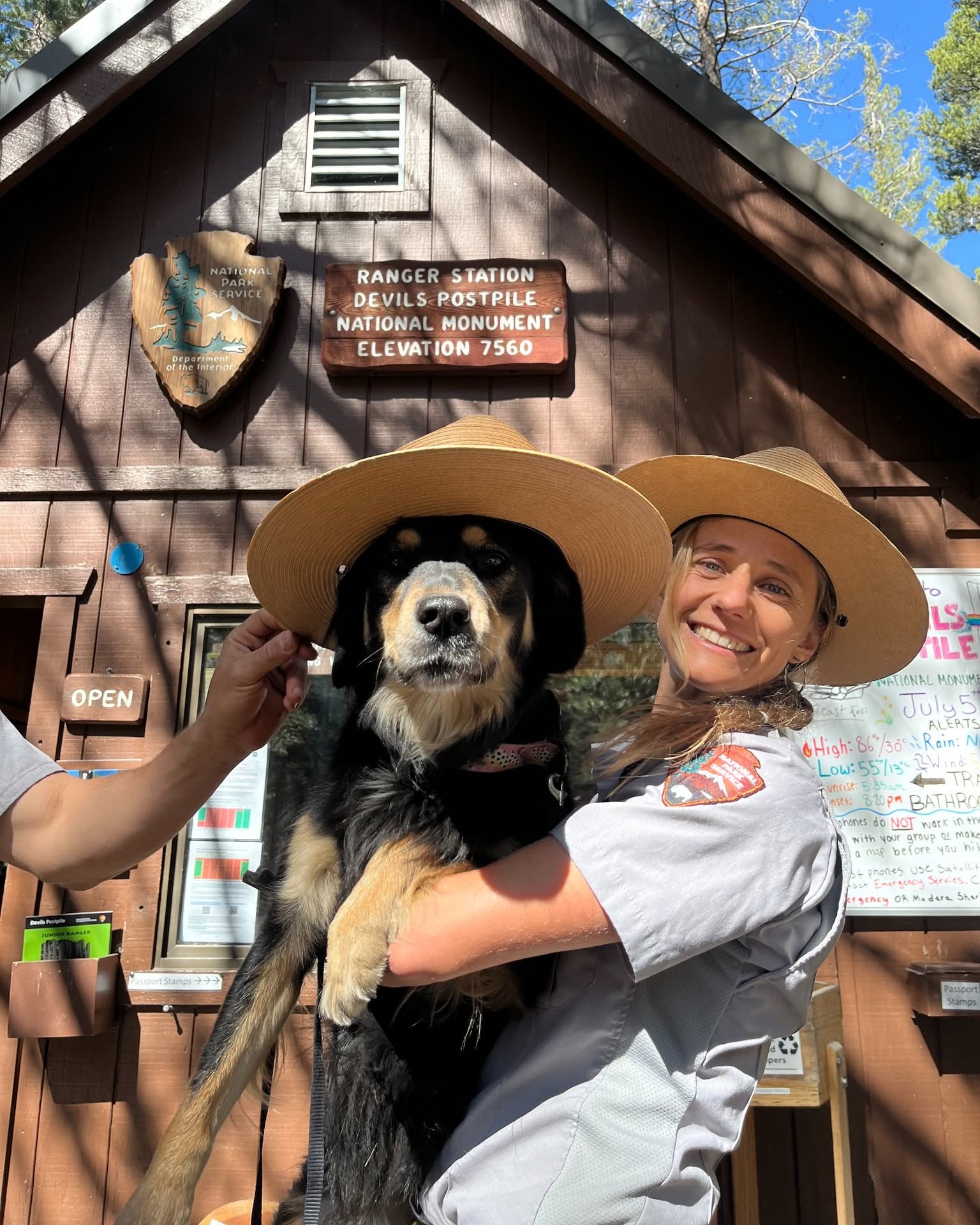
Adding another layer to its unique history, the monument’s Ranger Station itself carries a legacy of conservation and reuse. Constructed in 1941, this rustic wooden structure replaced an earlier ranger’s tent. Significantly, the materials used to build the station were salvaged from the demolition of Yosemite’s iconic Sentinel Hotel, further intertwining the history of Devils Postpile with that of its larger, more famous neighbor.
The Mystery of the Missing Apostrophe and the Name’s Folklore Origins
The name "Devils Postpile" itself is rooted in local folklore and a common practice of attributing unusual natural features to supernatural forces. When sheep herders, among the first non-Indigenous people to frequent the area, encountered the striking columnar basalt formation, they lacked the scientific understanding to explain its origin. In the vernacular of the 19th century, such awe-inspiring and peculiar geological formations were often linked to the devil. Consequently, the herders initially referred to the site as the "Devil’s Woodpile." Over time, the term "woodpile" evolved into "postpile," likely due to the appearance of the columns resembling stacked posts.
Interestingly, the official designation of the monument omits the possessive apostrophe, resulting in "Devils Postpile" rather than "Devil’s Postpile." This grammatical decision aligns with a long-standing policy of the U.S. Board on Geographic Names, which generally prohibits the use of possessive apostrophes in official place names. This policy is also responsible for names like Pikes Peak and Devils Tower.
Exploring the Monument: A Journey Through Geological and Natural Wonders
A visit to Devils Postpile National Monument offers a multifaceted exploration of geological history and natural beauty. The journey typically begins at the Ranger Station, situated at approximately 7,500 feet in elevation. From there, a short trail leads towards the main geological attraction.
Crossing a bridge over the Middle Fork of the San Joaquin River, visitors encounter a smaller, miniature version of the main formation, serving as a preview of the towering basalt wall. The trail then ascends towards the primary Postpile itself.
The Majestic Devils Postpile
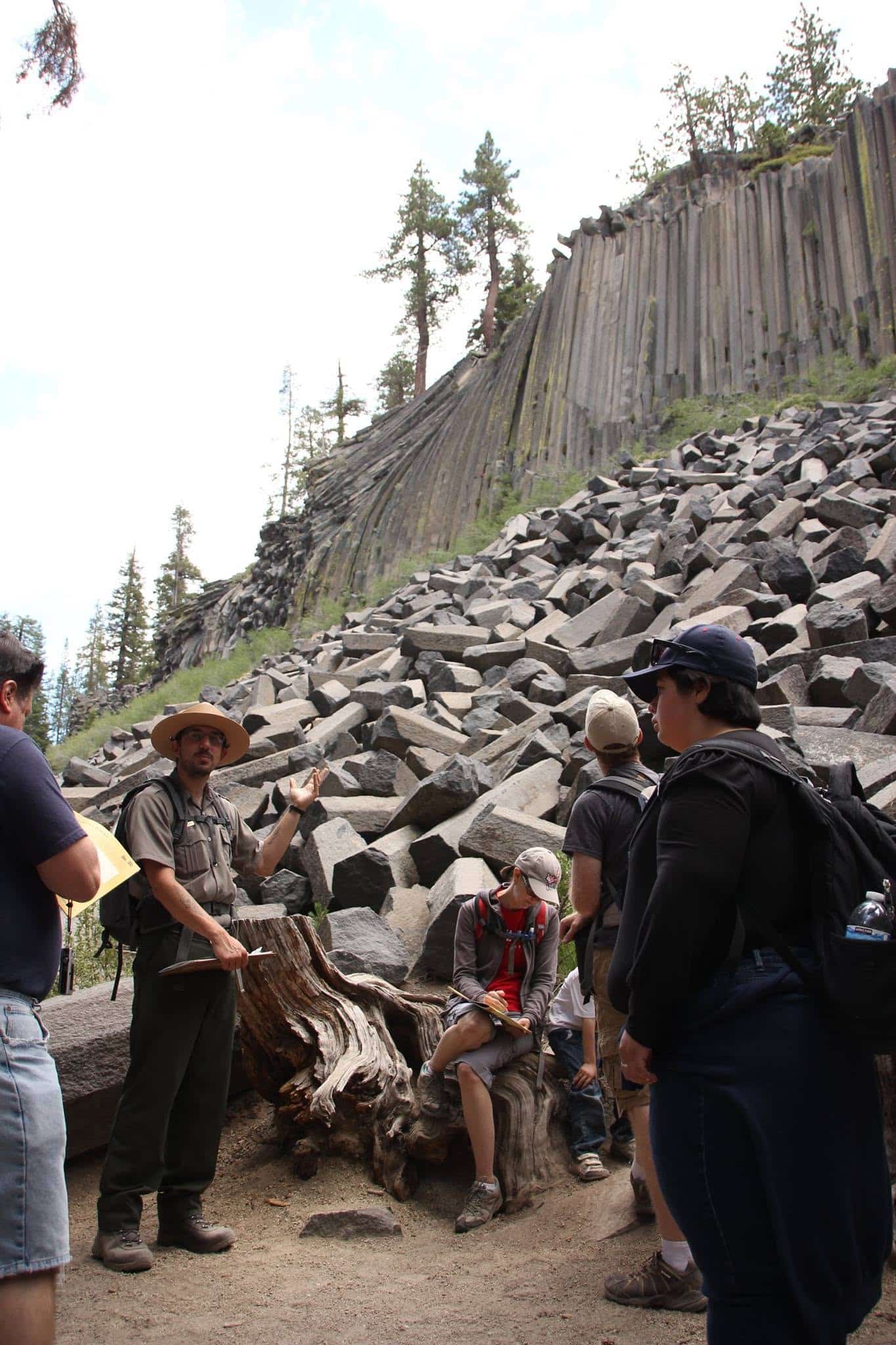
Standing at the base of the main Devils Postpile, the sheer scale and geometric precision of the columnar basalt are breathtaking. The wall rises dramatically, with hundreds of near-perfect hexagonal columns, many exceeding 60 feet in length, tightly packed together. The visual impact is striking, evoking a sense of ancient, colossal architecture.
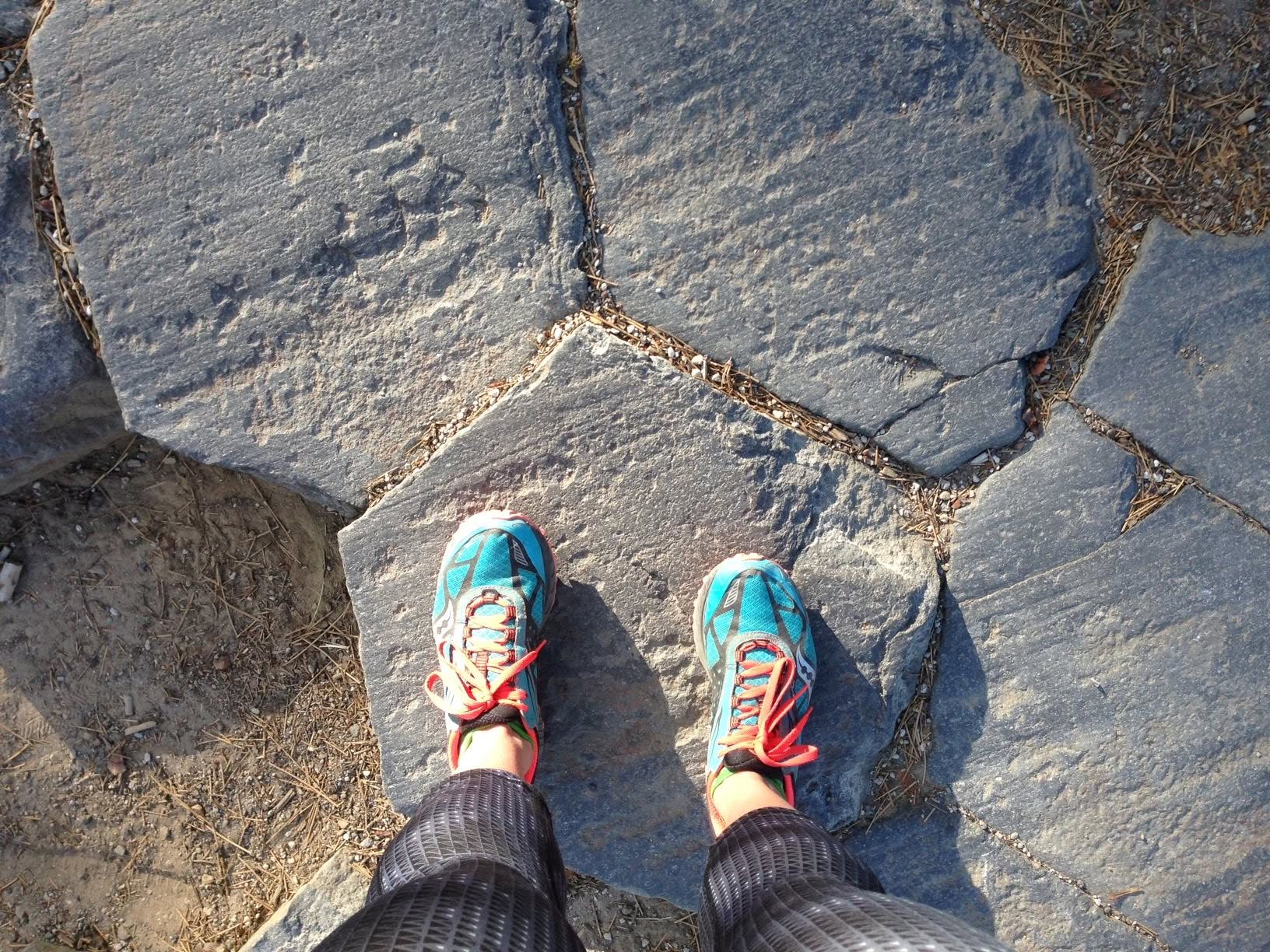
A short, steep climb up steps carved from fallen basalt columns leads to the top of the formation. From this vantage point, the extent of the glacial polishing is evident. The tops of the columns are ground smooth, creating a surreal, tiled surface that stretches across the plateau. This elevated perspective offers a unique view of the natural mosaic formed by the tops of the hexagonal columns, a direct result of the ancient lava flow and subsequent glacial sculpting.
Beyond the Postpile: Rainbow Falls and Lower Falls
The exploration of Devils Postpile National Monument extends beyond the main basalt formation. A two-mile hike downstream along the Middle Fork of the San Joaquin River leads to the spectacular Rainbow Falls. This journey traverses a landscape that bears the scars of a significant wildfire. In 1992, a lightning strike ignited a blaze that consumed over 8,000 acres. The stark, blackened trunks of trees that still stand serve as a somber reminder of the destructive power of fire and the slow, resilient process of alpine forest recovery.
Rainbow Falls itself is a magnificent sight, where the river plunges 101 feet over a basalt cliff into a vibrant turquoise pool. The falls earn their name during the midday sun, when the light refracts through the mist, creating a brilliant, stationary rainbow at the base of the cascade.
Continuing an additional half-mile downstream from Rainbow Falls leads to Lower Falls. While less dramatic than Rainbow Falls, this smaller cascade marks a significant geological boundary. It is here that the dark, volcanic basalt of the ancient lava flow abruptly ends. Below Lower Falls, the river begins to carve its path through the pale granite bedrock characteristic of the High Sierra. This transition point visually represents the cessation of the monument’s fiery volcanic origins and the resumption of the traditional granite landscape.
Preservation and Future Prospects
Today, Devils Postpile National Monument stands as a protected sanctuary, a testament to the foresight of early conservationists and the power of public advocacy. Surrounded by the vast wilderness areas, including the Ansel Adams Wilderness, the monument remains one of California’s most pristine and awe-inspiring geological wonders. Its continued protection is vital for preserving its unique geological features and the natural beauty of the surrounding Sierra Nevada ecosystem. Visitors to the monument are reminded of the delicate balance between natural forces and human impact, and the enduring importance of safeguarding these irreplaceable natural treasures.

