
Dynamic movement, mobility, and rest play a significant role in Jonny Moseley’s current fitness routine. Decades after capturing the imagination of the sports world at the 1998 Olympic Winter Games in Nagano, Japan, the legendary freeskier continues to evolve his approach to physical conditioning. Today, Moseley’s philosophy bridges the gap between old-school grit and cutting-edge wellness technology, offering a masterclass in how elite athletes can maintain peak performance long after their competitive primes.
The journey that defined a generation of skiing began well before the slopes of Nagano saw the birth of a new era in winter sports. In 1998, Moseley was operating at the absolute zenith of his career. However, his ascent to the podium was not the result of mere coincidence or raw talent; rather, it was forged through a revolutionary, data-driven training paradigm.
The 1998 Revolution: Data, Strain, and Recovery
Long before fitness trackers and biometric rings became ubiquitous consumer accessories, Moseley and his coaching staff were meticulously analyzing his physiological responses to training. He began tracking his heart rate, keeping detailed journals of his day-to-day performance, and paying close attention to second-day muscle soreness to scientifically evaluate when his body had reached peak adaptation and readiness.
This obsessive focus on the delicate balance between strain and recovery allowed Moseley to challenge prevailing dogmas in freeskiing. Elite winter athletes face a unique psychological and physical hurdle: the quadrennial nature of the Olympic Games.
"[You exist in] this cycle where you only get basically one shot every four years on the main big stage," Moseley reflected, describing the intense pressure that drives athletes to obsess over micro-cycles of training and recuperation.
This meticulous preparation bore immediate fruit in the winter of 1998. Moseley triumphed in the first two World Cup events of the season, establishing himself as the clear favorite. He then arrived in Nagano and captured the gold medal in men’s mogul skiing, injecting a "new-school" attitude into the conservative discipline. By incorporating a snowboard-style safety grab into his iconic 360-degree mute grab spin—subsequently dubbed the "Moseley Mania"—he permanently altered the aesthetic and technical trajectory of freestyle skiing.
The Evolution of Wellness Technology
The tools that shaped Moseley’s historic 1998 campaign were pioneering for their time, but the landscape of sports science has since undergone a seismic shift. While heart rate monitors only began entering mainstream athletic training in the 1980s and 1990s—paved by companies like Polar—today’s athletes have access to advanced biometrics, including heart rate variability (HRV) tracking, real-time VO2 max calculations, and AI-driven diagnostics.
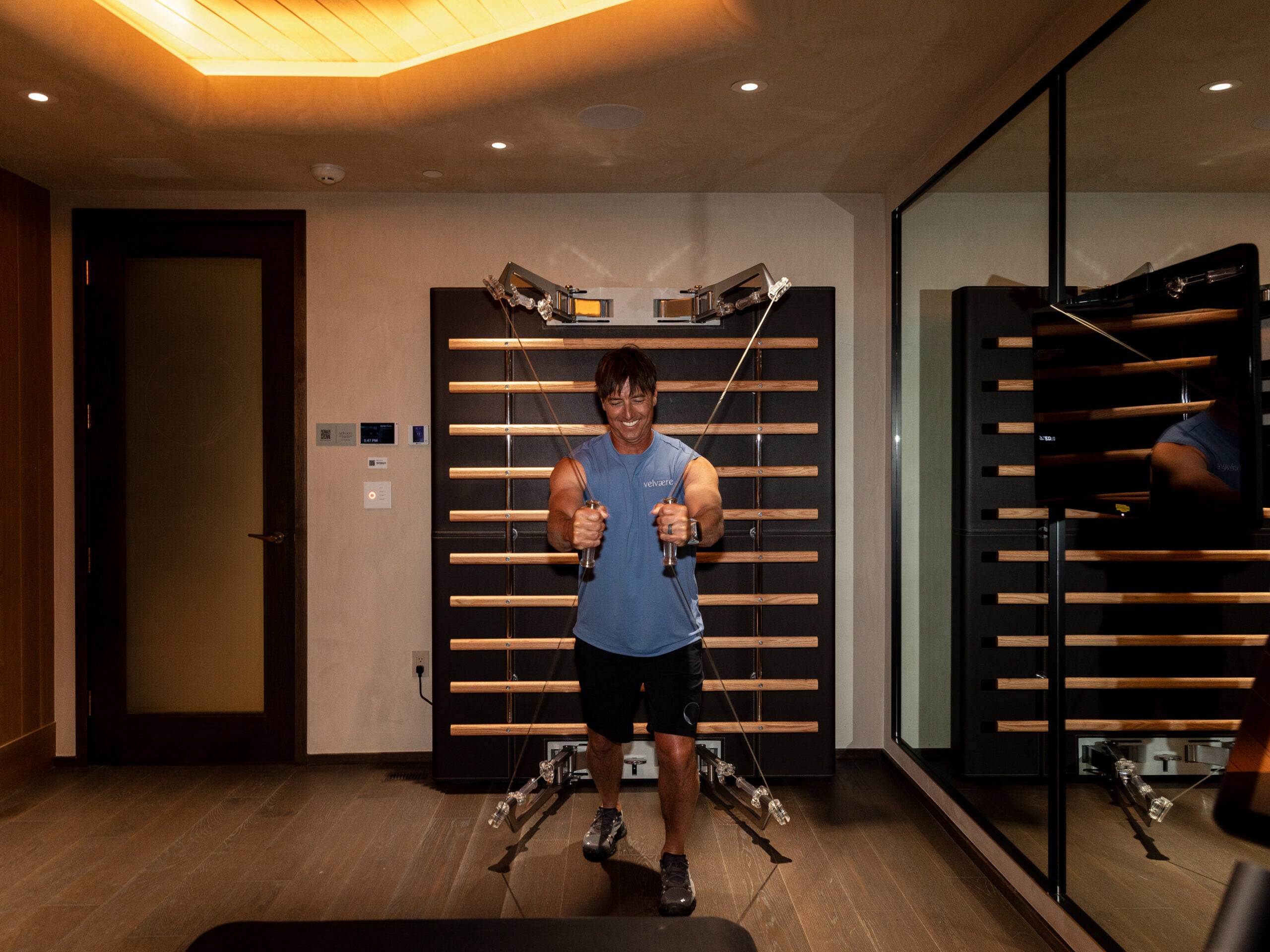
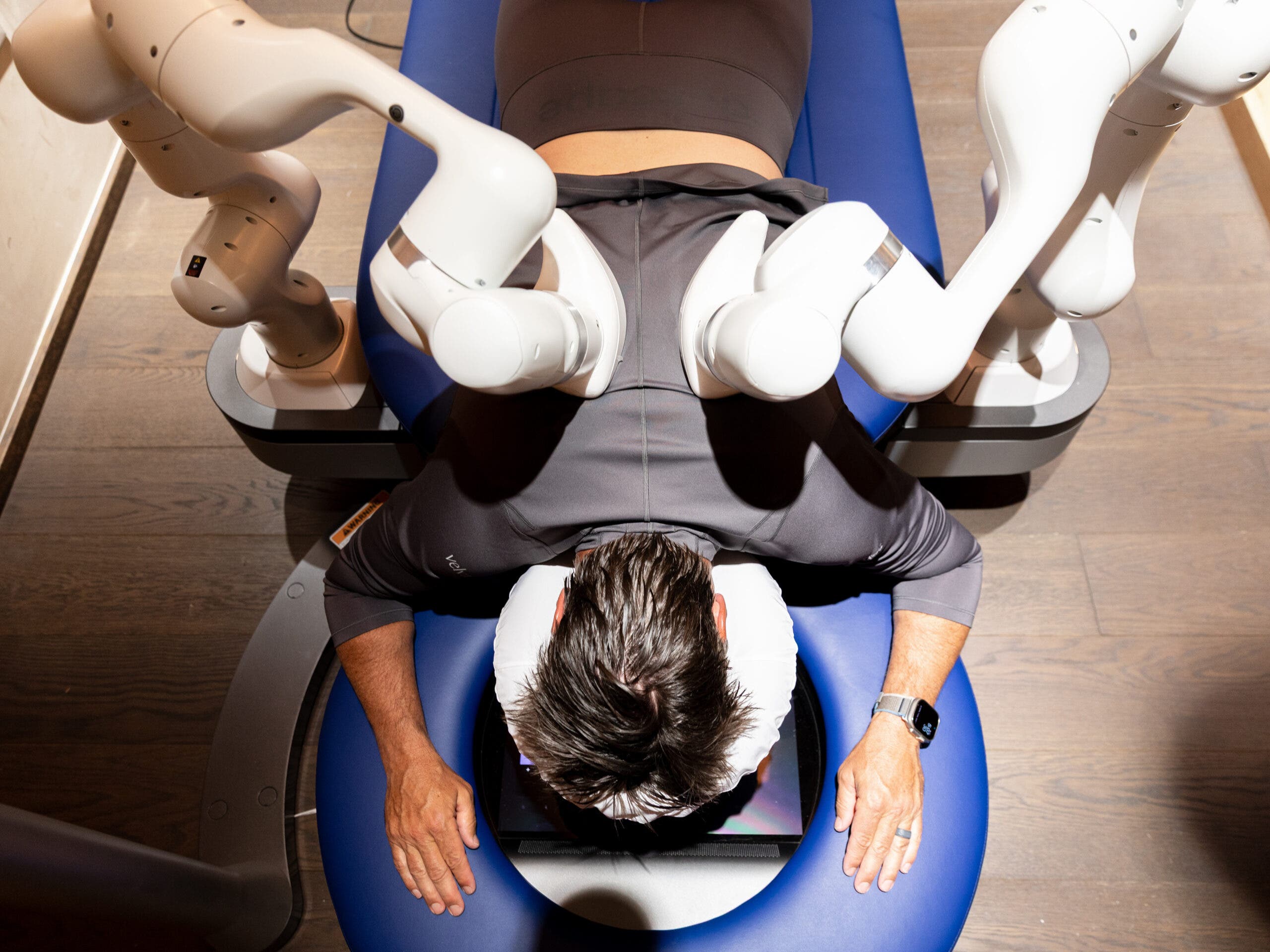
Moseley’s recent ventures reflect this continuous technological evolution. As an official ambassador for Velvaere—a private ski and wellness community nestled in Deer Valley, Utah—Moseley is deeply immersed in the next generation of recovery infrastructure. The luxury ski-in, ski-out development integrates state-of-the-art amenities designed to optimize human performance. Among its offerings are AI-powered robotic massage therapists that evaluate a user’s muscle tension and skeletal alignment before administering customized treatments. These facilities also feature cryotherapy chambers, LightStim LED therapy, flotation isolation tanks, high-grade TechnoGym equipment, traditional saunas, and cold plunge pools.
Drawing parallels to his competitive days, Moseley notes the similarities between private wellness communities and elite national training centers. "It reminds me a little bit of what we had access to at the Olympic Training Center, or even the US geeking facility [United States Olympic & Paralympic Training Centers], where they’re constantly on the cutting edge of what’s going to be beneficial to athletic potential," he explained.
Year-Round Periodization: From Strength to Endurance
Despite access to high-tech recovery modalities, Moseley emphasizes that modern wellness must be underpinned by consistent, disciplined physical work. Whether residing at his home in Lake Tahoe or visiting Park City, Utah, his daily regimen follows a structured, periodized schedule.
Moseley’s mornings invariably begin with 30 to 60 minutes of foundational cardiovascular work, ranging from brisk walks with his dog to dedicated treadmill sessions. Following this aerobic priming, he transitions into a rigorous weightlifting protocol.
His training philosophy shifts dynamically with the calendar. At the onset of summer, the primary objective is pure strength development. However, as ambient temperatures drop and the autumn leaves give way to early-season snowfalls, Moseley pivots his focus toward muscular endurance and unilateral stability. Recognizing that skiing demands asymmetrical, lateral movements, he incorporates slide boards and single-leg exercises into his routine to bulletproof his joints against the forces encountered on the mountain.
Historically, Moseley’s lifting routines leaned heavily on lower-body compound movements designed to absorb the immense impact of mogul fields. "But nowadays I balance it out," Moseley noted with a laugh. "I’m a hot yoga guy," he added, highlighting how his appreciation for joint mobility and flexibility has expanded significantly with age. When weather and season permit, he supplements these land-based workouts with high-adrenaline cross-training activities like wing foiling.
Plyometrics and Ski-Specific Preparation
As winter approaches, Moseley transitions his physiological preparation into a high-intensity, plyometric phase designed to mimic the explosive demands of competitive skiing.
"You have to get your body into a little bit of a plyometric mode," Moseley advised. "Box jumps are sort of the gold standard." However, he issues a cautionary note for recreational skiers attempting to replicate elite routines without proper preparation: leaping straight from a sedentary lifestyle into high-impact box jumps can be intensely jarring to the central nervous system and connective tissues. Instead, he recommends a progressive approach, starting with low-height platforms and gradually building explosive power.
This time of year marks a critical juncture for winter sports enthusiasts. As the first snowfalls dust the peaks, Moseley’s lifestyle philosophy zeroes in on ski-specific conditioning and accelerated recovery protocols, ensuring his body is primed to handle the physical toll of aggressive skiing.
The Broader Impact: Community and Longevity in Action
While athletic disciplines traditionally celebrate youth and reckless abandon, Moseley’s enduring career highlights a maturing paradigm within action sports: longevity is built on proactive self-care.
Admitting candidly that he is not naturally inclined toward slowing down or resting—unless forced to do so by injury—Moseley has learned to reframe mobility and recovery as non-negotiable pillars of his daily life. Furthermore, he points to the psychological benefits of environment and community. Surrounding oneself with like-minded individuals who prioritize health, wellness, and physical longevity creates a positive feedback loop that sustains motivation over decades.
Ultimately, Jonny Moseley’s transition from an unorthodox Olympic gold medalist to an advocate for advanced physical longevity illustrates a broader evolution in sports culture. By harmonizing rigorous foundational training, modern mobility practices, and cutting-edge recovery technology, Moseley continues to prove that peak human performance is not an ephemeral peak, but a lifelong pursuit.

