
The transition from the temperate summer months to the cooler autumnal period marks a critical window for alpine athletes and recreational skiers to engage in specialized physical conditioning. As the ski industry prepares for the 2025-2026 winter season, sports medicine professionals and athletic trainers are emphasizing the necessity of preseason neuromuscular and cardiovascular preparation. The stakes for such training are quantifiable; data from a comprehensive Swedish study involving alpine ski students revealed that structured preseason neuromuscular training protocols reduced the incidence of Anterior Cruciate Ligament (ACL) injuries by nearly 50% over the course of two competitive seasons. This finding underscores a growing consensus in the sports science community: physical readiness is the primary determinant in preventing the musculoskeletal fatigue that frequently leads to season-ending injuries.
The Physiological Demands of Alpine Skiing
Alpine skiing is a unique discipline that requires a synthesis of explosive power, isometric endurance, and rapid proprioceptive adjustments. Unlike steady-state cardiovascular activities, skiing involves high-intensity bursts of eccentric muscle loading, particularly in the quadriceps and glutes, interspersed with periods of relative rest on chairlifts. This "stop-and-start" nature places significant strain on the cardiovascular system and the stabilizer muscles surrounding the knee and hip joints.
For skiers entering their fourth or fifth decade of life, the biological imperative for conditioning becomes even more pronounced. Sarcopenia, or the natural decline in muscle mass associated with aging, can begin as early as the 30s, making targeted strength training essential for maintaining the "athletic stance" required for modern carving techniques. Furthermore, the ability to recover from long days on the slopes is directly tied to a skier’s aerobic base and metabolic efficiency, both of which are developed during the fall months.
A Chronology of Preseason Preparation
The ideal training timeline for a winter season typically begins 12 to 16 weeks before the first snowfall.
- Late Summer (August – Early September): Focus on building a broad aerobic base through low-intensity, long-duration activities such as cycling or swimming.
- Early Autumn (September): Introduction of verticality and terrain-specific movements. This is the period where "mountain-specific" hiking and biking become central.
- Mid-Autumn (October): Integration of high-intensity interval training (HIIT) and neuromuscular drills to improve reaction times and explosive power.
- Late Autumn (November): Fine-tuning through simulators or indoor skiing to recalibrate the "ski brain" and ensure technical form is sound before hitting natural snow.
Strategic Training Modalities for Fall
To meet these physiological requirements, experts recommend five specific activities that bridge the gap between dry-land fitness and on-snow performance.
Vertical Ascent Hiking on Ski Terrain
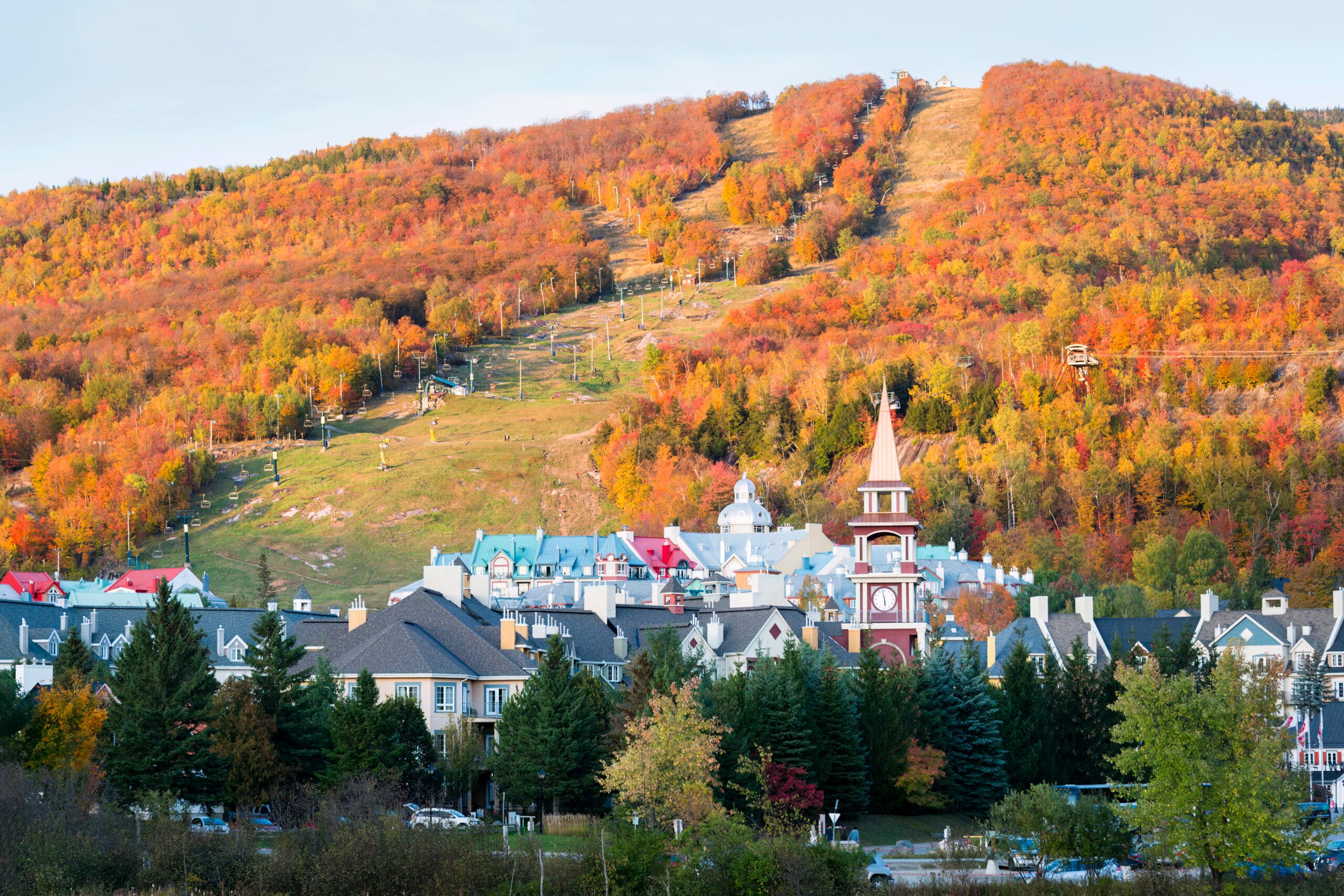
One of the most effective methods for developing "ski legs" is hiking directly up the slopes of a ski resort or similar steep inclines. This activity serves a dual purpose: it builds significant cardiovascular capacity while subjecting the lower extremities to the specific angles and stresses of alpine terrain.
Physiologically, hiking up a steep grade engages the posterior chain—the hamstrings, glutes, and lower back—which are often under-utilized in flat-ground running. For athletes looking to simulate the weight of winter gear, the use of weighted vests or "rucking" packs can increase the metabolic demand and prepare the core for the burden of carrying avalanche safety equipment or heavy outerwear. The psychological benefit of "reclaiming the mountain" on foot also provides a motivational boost during the arduous months of training.
High-Intensity Mountain Biking
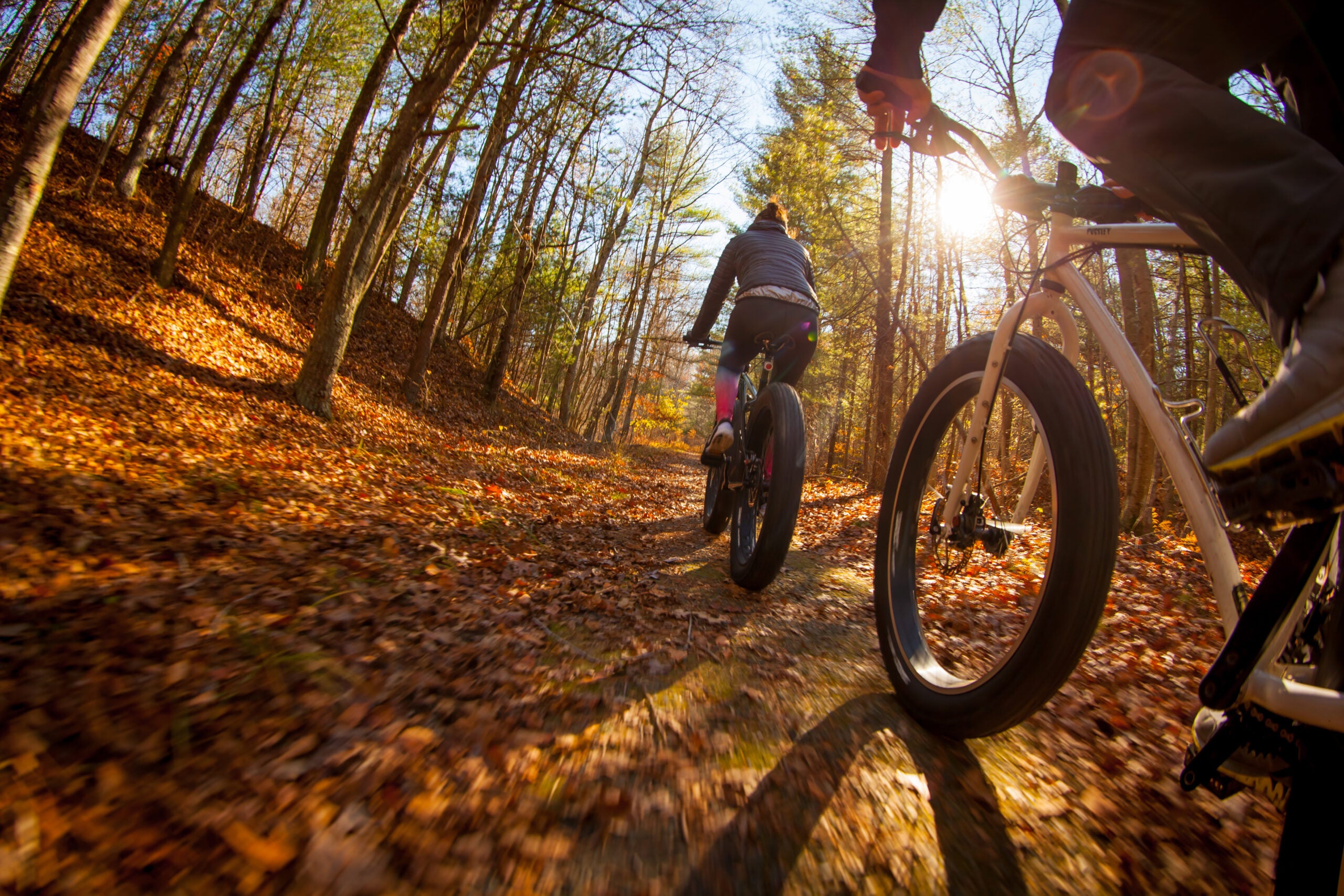
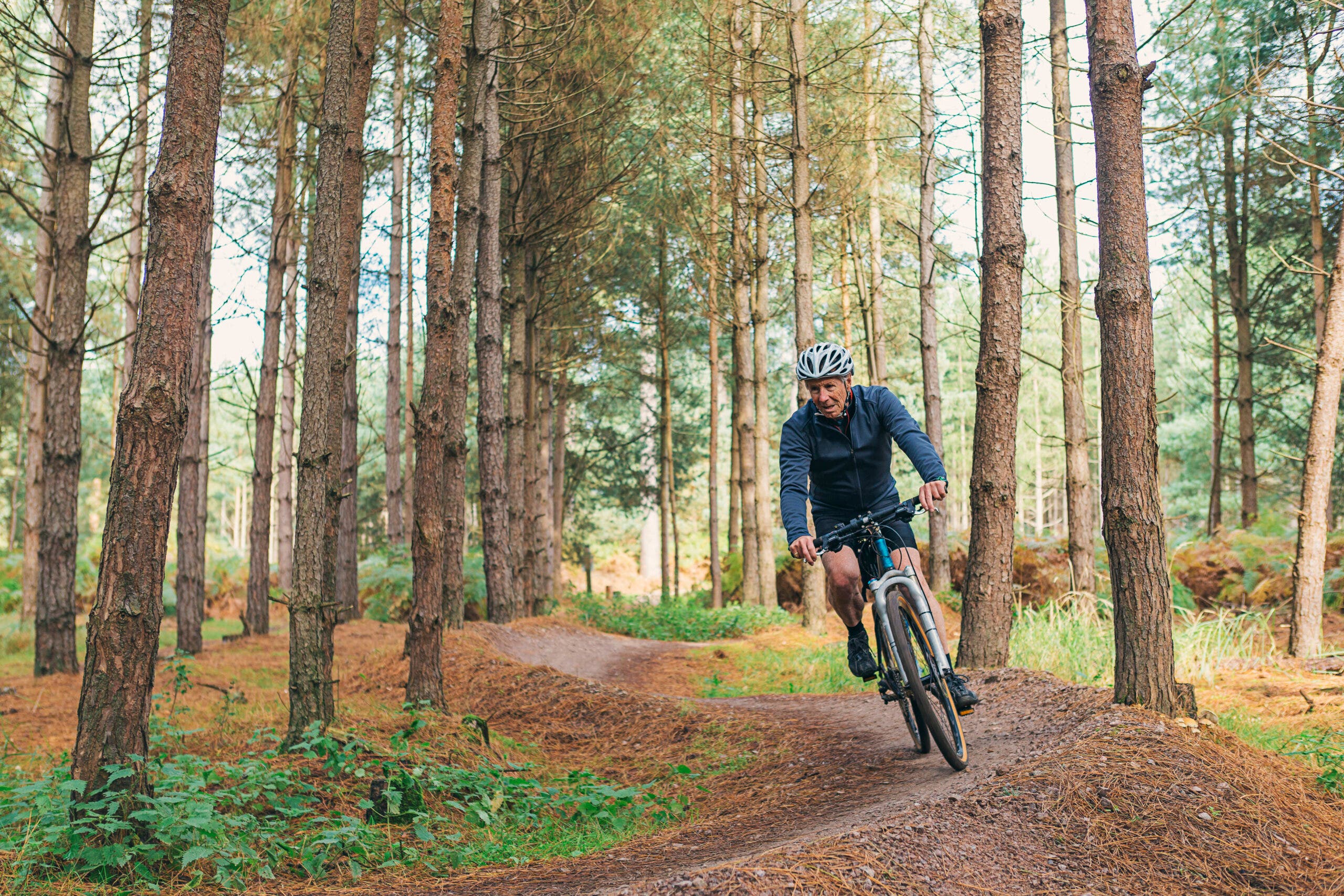
Mountain biking has emerged as the preferred cross-training sport for professional alpine racers. The mechanical requirements of navigating technical singletrack trails—such as cornering on loose surfaces, selecting lines through rock gardens, and maintaining balance during rapid descents—mimic the cognitive and physical demands of skiing variable snow conditions.
The "pedal-up, gravity-down" nature of mountain biking provides a natural interval training session. Uphill climbs build sustained leg power and lung capacity, while the descent requires high levels of focus and isometric core strength. Additionally, the use of e-bikes has gained traction among older skiers as a way to maintain high-volume training while managing joint impact and fatigue levels, allowing for longer sessions in the saddle.
Via Ferrata and Functional Core Strength
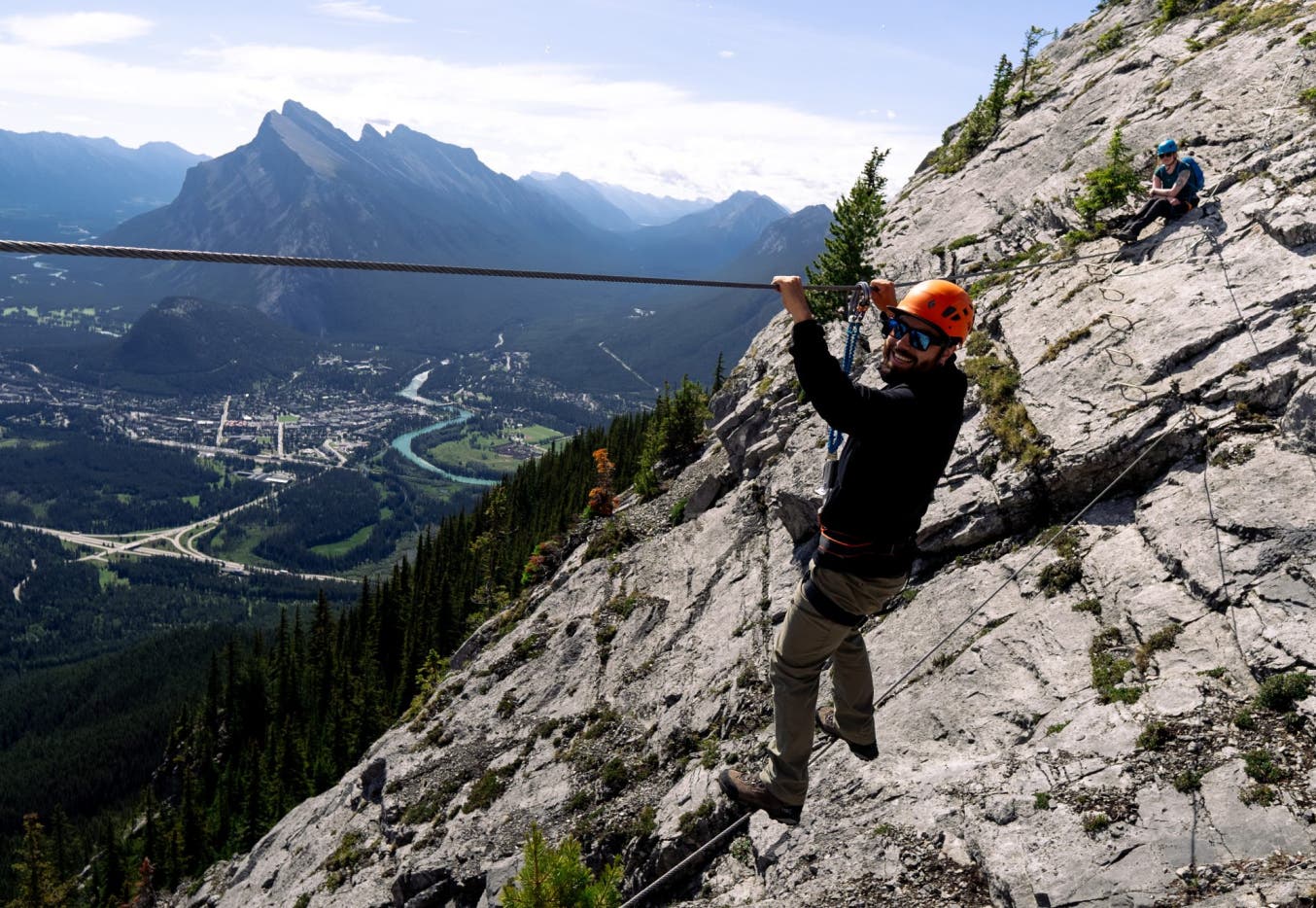
Originating in the Italian Dolomites during World War I, via ferrata (the "iron path") has become a popular training tool in North America. This activity involves traversing cliff faces using fixed cables, ladders, and rungs. From a fitness perspective, via ferrata is a full-body workout that emphasizes grip strength, upper-body pulling power, and, most importantly, core stability.
Maintaining a stable torso while moving the limbs independently is the hallmark of good skiing technique, often referred to as upper-lower body separation. The mental focus required to navigate a via ferrata—managing heights and ensuring safety clips—mirrors the "mental toughness" needed when standing atop a steep, icy couloir.
High-Altitude Trail Running
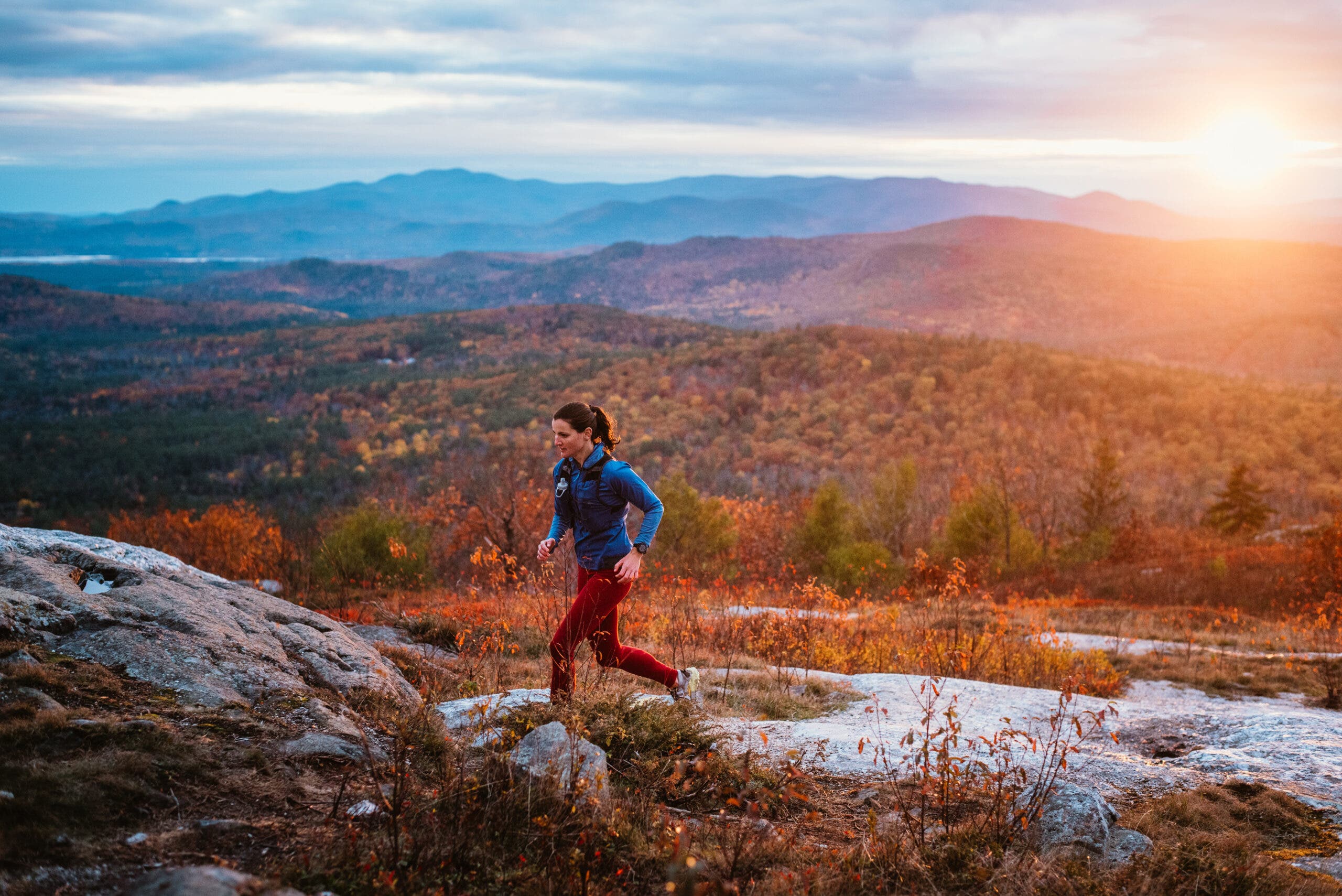
For those residing in or near mountainous regions, trail running at altitude offers a distinct physiological advantage: hypoxic training. At higher elevations, the decreased partial pressure of oxygen forces the body to increase its production of red blood cells and improve its oxygen utilization efficiency.
Trail running also challenges the stabilizer muscles of the ankles and knees. Unlike the predictable surface of a treadmill or a paved road, the uneven terrain of an alpine trail requires constant micro-adjustments in foot placement. This strengthens the tendons and ligaments that protect the ACL and MCL during the rotational forces experienced in a ski turn.
Technological Integration: Ski Simulators and Indoor Facilities
The rise of urban ski training centers has revolutionized preseason prep for those far from the mountains. Facilities like Bluerun utilize "Infinite Slopes"—large, revolving carpets that simulate a continuous downhill run. These machines allow skiers to practice carving and edge control in a controlled environment where instructors can provide real-time feedback on body positioning.
Ski simulators and indoor slopes like Big Snow American Dream provide a venue for high-repetition training. In a single hour on a revolving slope, a skier can execute more turns than they might in a full day at a crowded resort. This repetition is vital for "muscle memory," ensuring that when the athlete finally reaches the snow, their technical form is instinctive rather than forced.
Supporting Data and Medical Insights
The importance of this training is backed by orthopedic research. Dr. Robert LaPrade, a world-renowned complex orthopedic knee surgeon who has worked with the U.S. Ski Team, has frequently noted that many ACL tears occur during the last run of the day when fatigue is highest. "Conditioning isn’t just about speed; it’s about the ability of the muscles to stabilize the joint when the brain is tired," LaPrade has stated in various medical forums.
According to the National Ski Areas Association (NSAA), while the overall rate of injury has declined over the last several decades due to better equipment, the proportion of knee-related injuries remains high. Preseason programs that focus on "eccentric control"—the ability to slow down a movement under load—are cited as the most effective preventative measure against these incidents.
Broader Impact and Industry Implications
The trend toward rigorous preseason training has broader implications for the ski industry and public health. As the "Baby Boomer" and "Generation X" cohorts continue to ski into their 70s and 80s, the demand for longevity-focused fitness has created a new market for specialized gyms and wellness retreats.
Economically, injury prevention is a major factor in the stability of the ski tourism sector. A season-ending injury in December represents not only a personal loss for the skier but a loss of revenue for resorts, equipment manufacturers, and local mountain economies. By promoting "fall fitness," the industry ensures a more consistent and safer participation rate throughout the winter months.
In conclusion, the transition into the winter season should not be viewed as a passive wait for snow, but as an active period of physical and mental recalibration. Through a combination of traditional mountain activities and modern simulation technology, skiers can significantly lower their risk of injury and ensure that their performance on the slopes remains high, regardless of their age or the difficulty of the terrain. The evidence is clear: the most successful ski seasons are those that begin long before the first lift opens.

