
While the typical alpine skiing season spans only a fraction of the calendar year, the physiological demands of the sport necessitate a perennial commitment to physical conditioning. For recreational and professional skiers alike, maintaining "ski shape" during the off-season is not merely a matter of performance enhancement but a critical strategy for injury prevention. As athletes transition from the powder of winter to the activities of spring and summer, the specialized muscle groups required to navigate moguls, execute high-velocity carves, and absorb the impact of varied terrain often begin to atrophy if not specifically targeted. Sports medicine professionals emphasize that a solid foundation of hip stability, core strength, and unilateral power is essential for mitigating the risks associated with high-altitude athletics. By assessing current physical baselines and implementing a targeted strength regimen, skiers can ensure they return to the slopes with the resilience necessary to handle the rigors of the mountain.
The Biomechanics of Skiing and Injury Statistics
To understand the necessity of off-season training, one must examine the unique biomechanical stresses inherent in skiing. Unlike many traditional sports that operate primarily in the sagittal plane (forward and backward movement), skiing requires exceptional control in the frontal and transverse planes. This involves significant lateral stability and rotational control. According to data from the National Ski Areas Association (NSAA) and various orthopedic studies, knee injuries remain the most prevalent trauma in the sport, accounting for approximately 33% to 40% of all reported ski injuries. Specifically, the Anterior Cruciate Ligament (ACL) and Medial Collateral Ligament (MCL) are at high risk when the body’s stabilizer muscles—primarily the gluteus medius and the obliques—fail to maintain proper alignment under load.
Furthermore, the "eccentric" nature of skiing—where muscles lengthen under tension as the skier resists gravity and centrifugal force during a turn—places immense strain on the quadriceps and hamstrings. Without a dedicated off-season program that includes eccentric loading and core stabilization, the musculoskeletal system is ill-equipped to handle the sudden reintroduction of these forces in early winter.
Assessing Baseline Readiness: The Side Plank Test
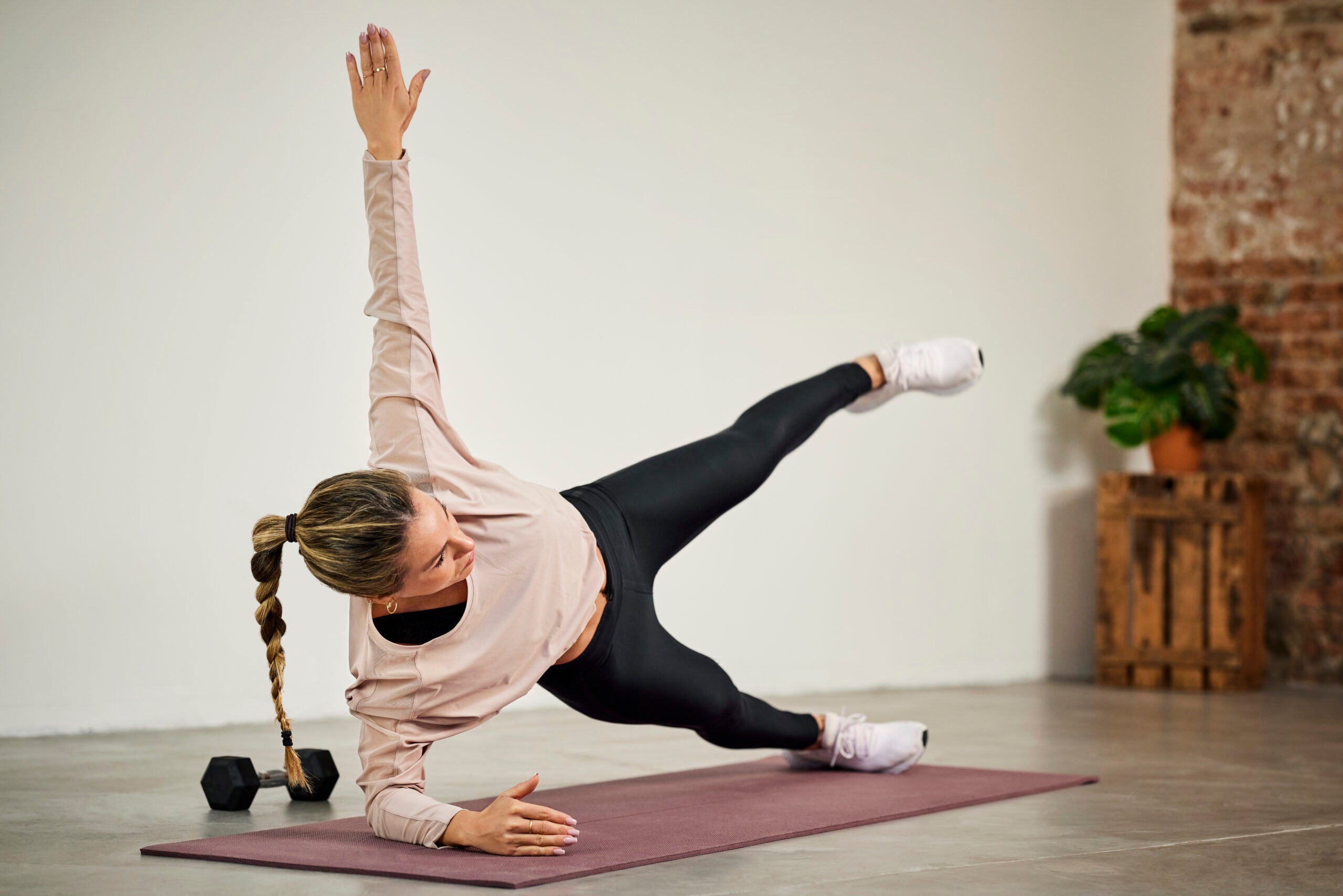
Before embarking on a rigorous conditioning program, it is imperative to establish a baseline of current strength and stability. The Side Plank Test serves as a diagnostic tool to evaluate the functional integrity of the hips, trunk, and core. This assessment specifically targets the obliques and the lateral hip stabilizers, which are responsible for maintaining a skier’s "stacked" position during high-speed maneuvers. Weakness in these areas often manifests as "hip drop" or "knee valgus" (inward collapsing of the knee), both of which are primary precursors to chronic back and acute knee pain.
Protocol for the Side Plank Test
- Positioning: Lie on your side on a firm surface. Place the forearm on the ground with the elbow positioned directly beneath the shoulder to ensure skeletal stacking.
- Execution: Stack the legs and feet. Elevate the hips off the floor, pushing them forward until the body forms a perfectly straight line from the cranium to the heels.
- The Dynamic Component: Flex the top foot and lift it toward the ceiling, reaching hip height. This movement isolates the gluteus medius. Hold the peak of the movement for one second before slowly lowering the leg with control.
- Termination Criteria: The test concludes when the athlete can no longer maintain a straight line, the shoulder collapses, the hips sag toward the floor, or the body begins to rotate forward or backward.
While an average recreational skier can typically manage five controlled lifts per side, the benchmark for "ski-ready" fitness is 10 to 15 repetitions with impeccable form. Discrepancies between the left and right sides are indicative of muscular imbalances that must be addressed to prevent one-sided fatigue and subsequent injury on the slopes.
The Annual Chronology of Ski Fitness
Professional trainers suggest a four-phase approach to the skiing calendar to maximize longevity and performance:
- Phase I: Active Recovery (April – May): Focus on low-impact cardiovascular work and mobility to heal from the previous season’s micro-traumas.
- Phase II: General Strength and Hypertrophy (June – August): Building the muscle mass and structural integrity of the lower body and core.
- Phase III: Power and Agility (September – November): Introducing plyometrics and explosive movements to mimic the fast-twitch requirements of skiing.
- Phase IV: Maintenance (December – March): Shorter, high-intensity sessions designed to maintain strength without causing excessive fatigue during the active ski season.
Five Essential Exercises for Off-Season Conditioning
The following five exercises have been curated by fitness experts to target the specific kinetic chains utilized in alpine sports.
1. Lateral Lunges
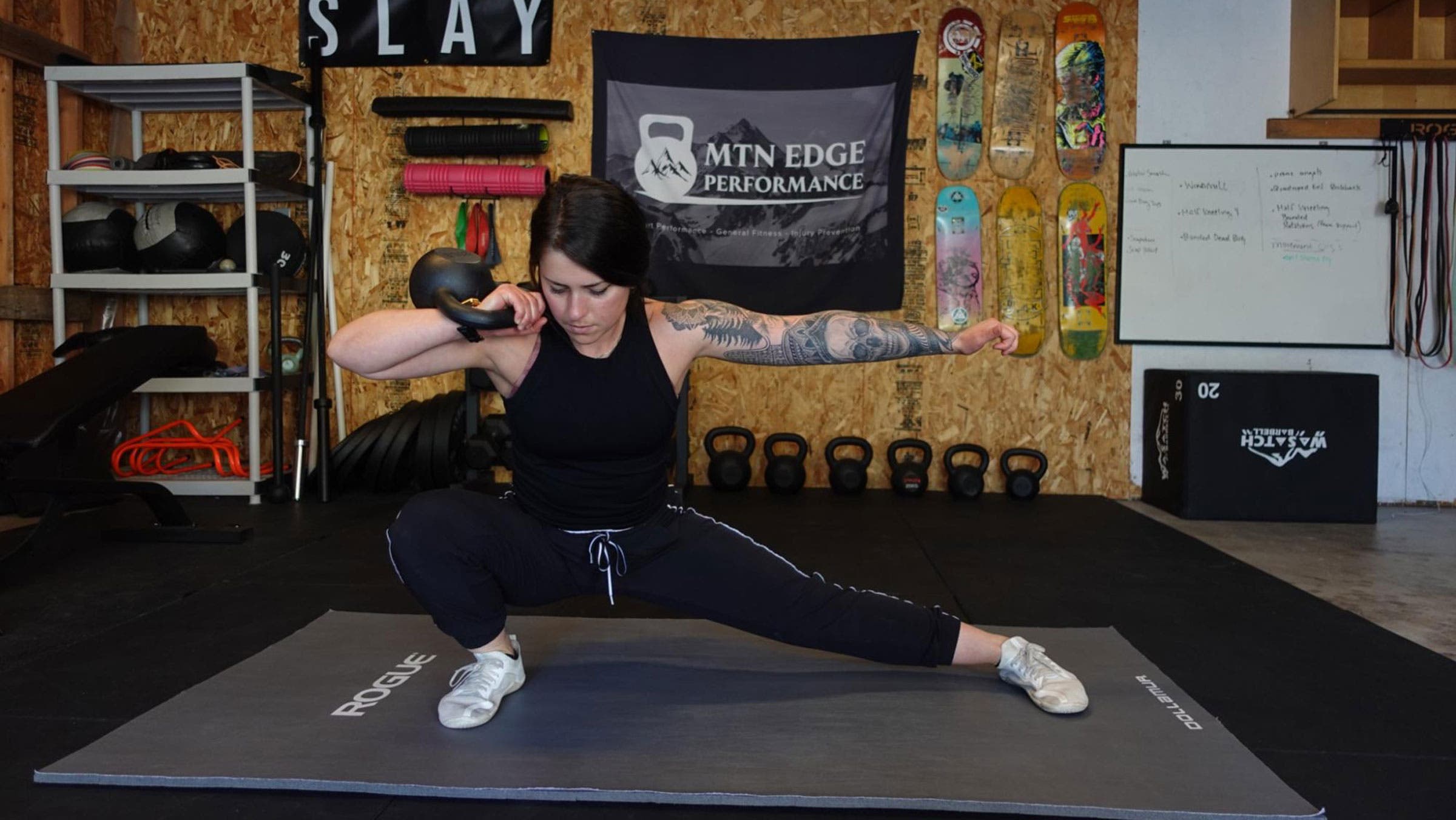
The lateral lunge is a cornerstone of ski conditioning because it replicates the side-to-side weight transfer inherent in carving. It builds robust hip strength and improves the range of motion in the adductors and abductors.
- Execution: Stand with feet hip-width apart. Take a wide step to the side, keeping the trailing leg straight while hinging at the hips and bending the leading knee. Ensure the knee stays aligned with the toes and does not cave inward. Push off the bent leg to return to the starting position.
- Volume: Aim for eight to 12 repetitions per side. For increased difficulty, a "goblet" hold with a dumbbell or kettlebell at chest height can be utilized to further engage the core.
2. Step-Ups
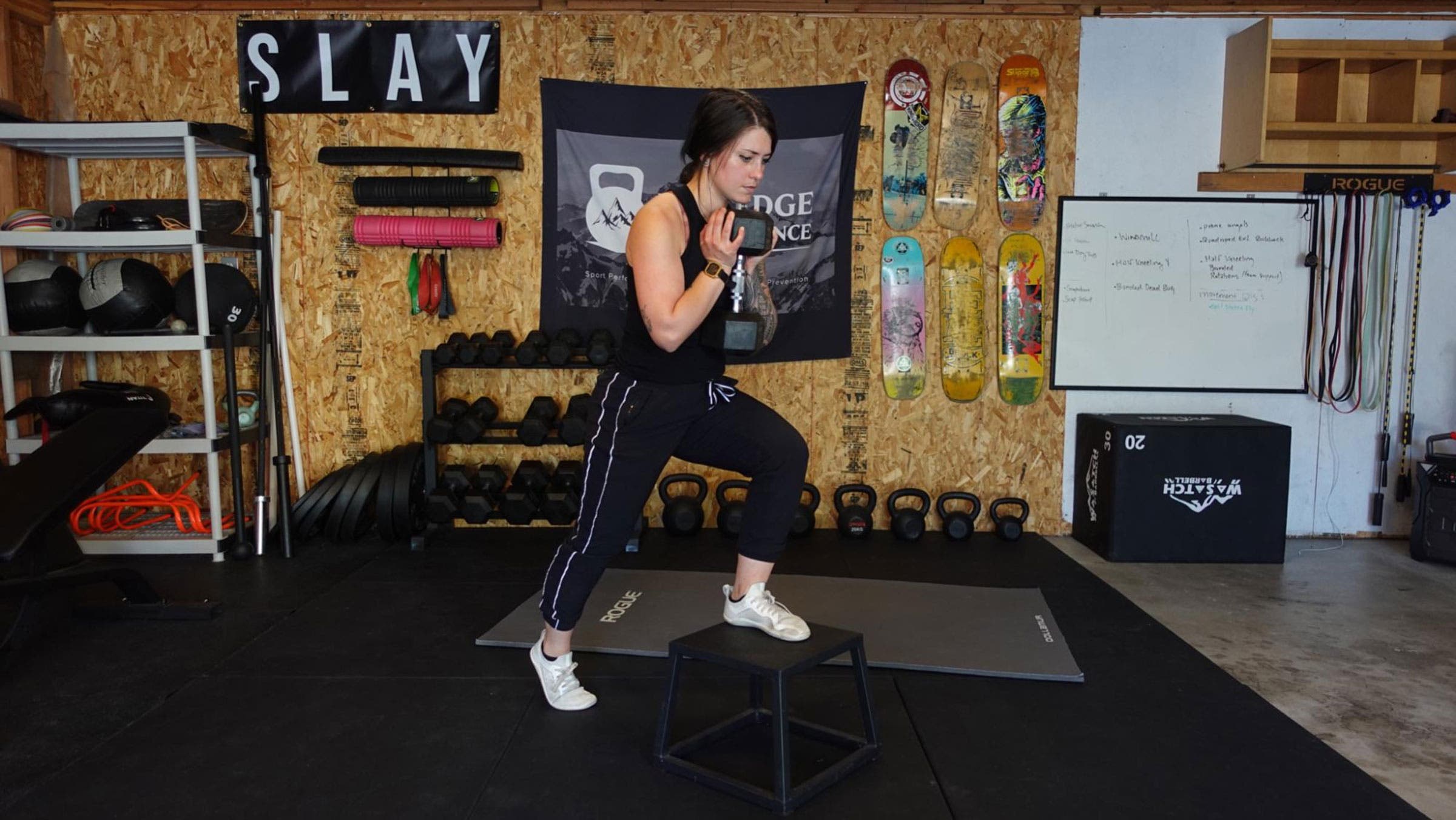
Step-ups are essential for developing unilateral (single-leg) stability. Because skiing often involves independent leg movement and varying pressure on each ski, the ability to generate power from a single limb is vital. This exercise targets the glutes, hamstrings, and quadriceps.
- Execution: Use a stable box or bench at knee height. Place one foot firmly on the surface and drive through the heel to lift the body upward. Avoid using the trailing leg to "spring" off the floor. Lower the body back down with a slow, controlled eccentric motion.
- Volume: Complete eight to 12 repetitions per leg. This movement is particularly effective for eliminating strength imbalances between the dominant and non-dominant legs.
3. Gorilla Rows
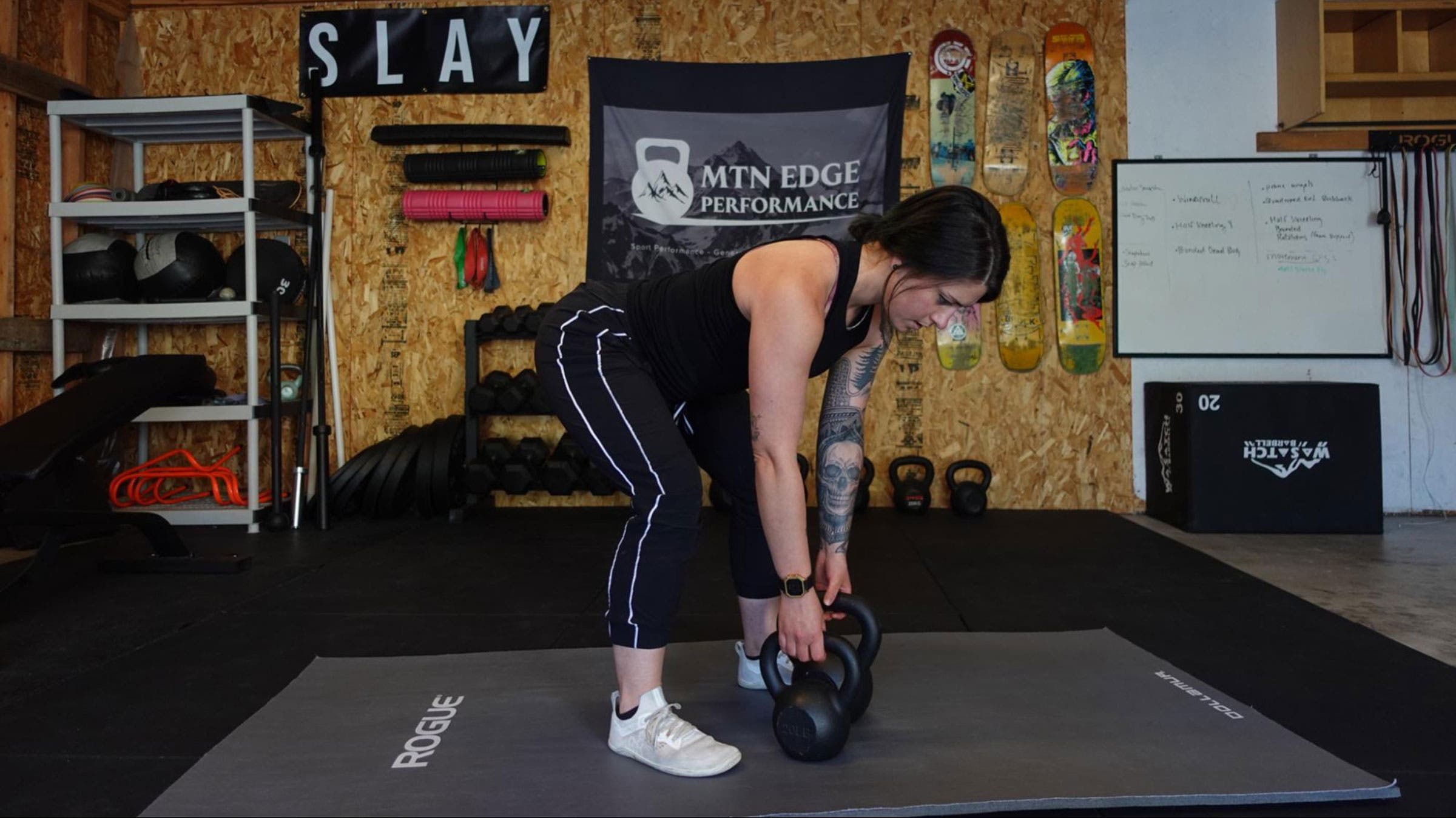
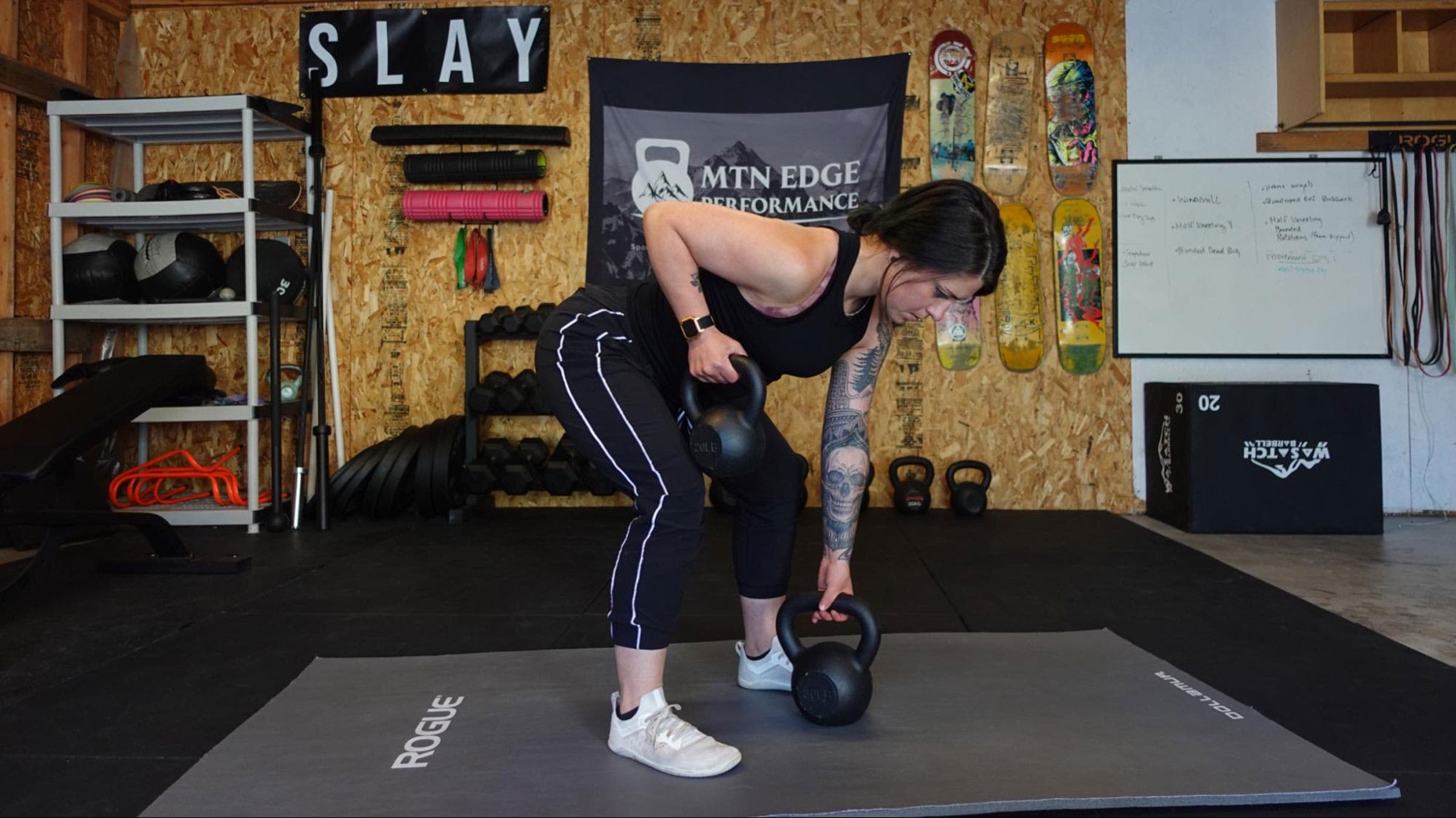
While skiing is lower-body intensive, the upper back and core must provide a stable platform for the legs to work against. The Gorilla Row targets the erector spinae and the deep muscles of the lower back, which are responsible for absorbing the impact of moguls and landings.
- Execution: Place two kettlebells on the floor between your feet. Hinge at the hips with a flat back, maintaining a deep squat-like position. Row one kettlebell toward your hip while the other remains on the floor, then switch. The "gorilla" stance forces the core to stabilize against the rotational pull of the weight.
- Volume: Eight to 12 reps per side. This builds the "anti-rotational" strength necessary to keep the torso facing downhill while the legs turn.
4. Suitcase March
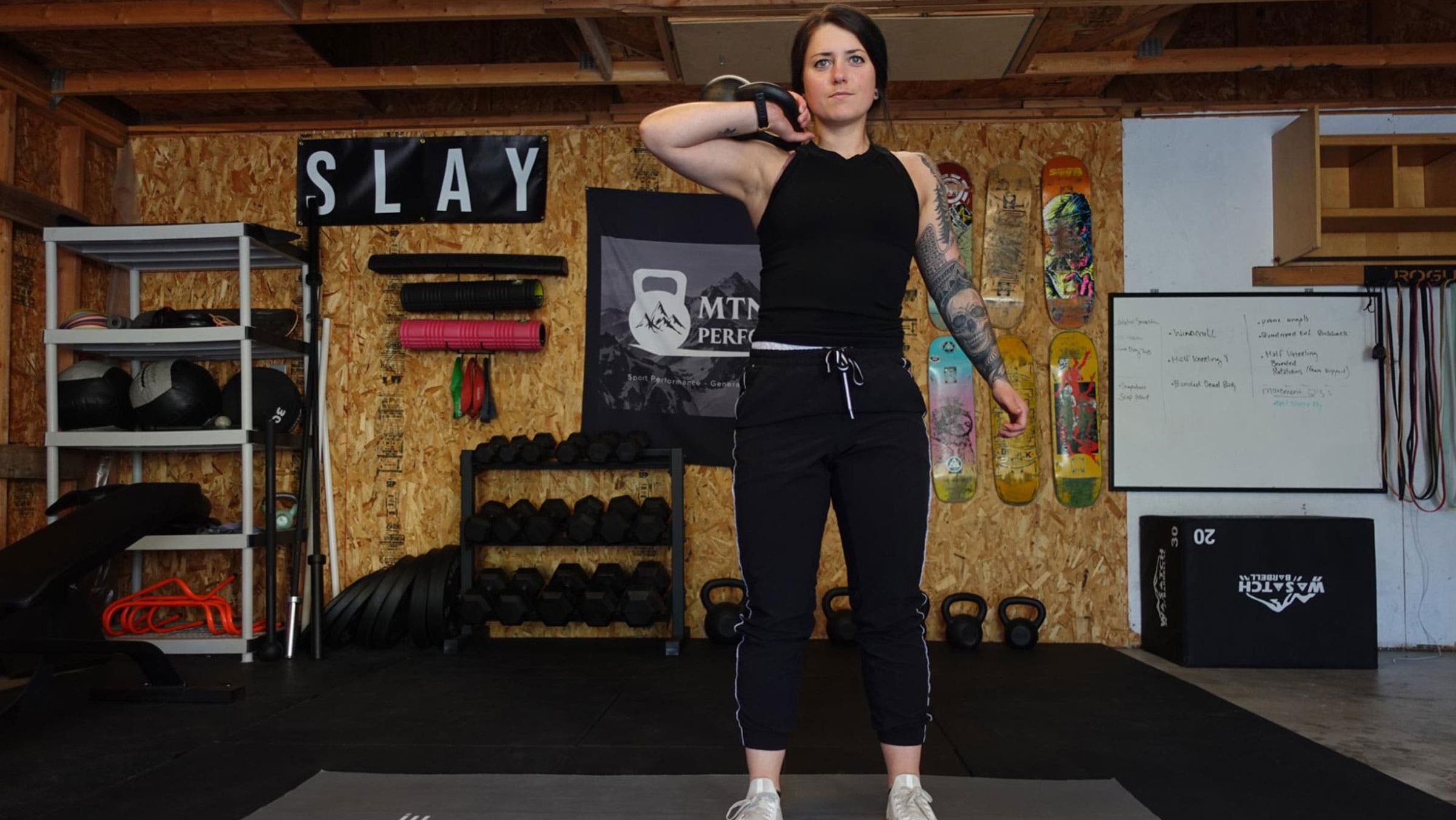
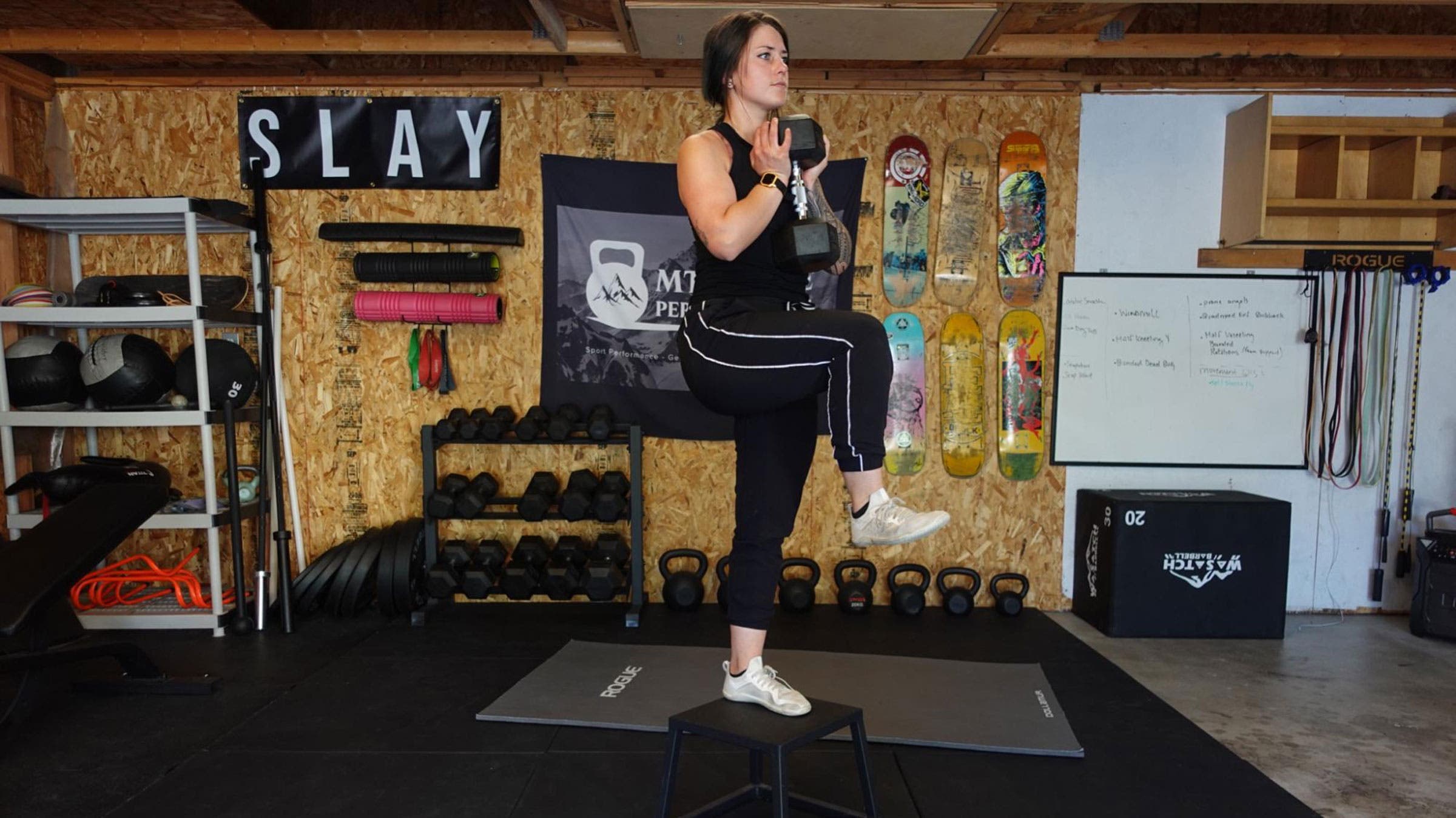
The Suitcase March is a functional core exercise that mimics the "anti-lateral flexion" required when a skier hits an unexpected bump or uneven terrain. It forces the internal and external obliques to work overtime to keep the spine vertical.
- Execution: Hold a heavy dumbbell or kettlebell in one hand, as if carrying a suitcase. Stand tall with shoulders retracted. Slowly march in place, lifting the knees to hip height while ensuring the torso does not tilt toward the weighted side.
- Volume: Perform two to four sets of 30 to 60 seconds per side. The goal is total spinal rigidity throughout the duration of the set.
5. Plank Pull-Through
A variation of the traditional plank, the pull-through introduces a dynamic element that challenges the transverse abdominis. This muscle acts as a natural "weight belt," protecting the lumbar spine during the high-torque turns of a downhill run.
- Execution: Assume a high plank position (on the hands) with a dumbbell placed just behind one wrist. Reaching across the body with the opposite hand, pull the weight to the other side. The challenge is to keep the hips perfectly level and still while the weight is moving.
- Volume: Two to four sets of 30 to 50 seconds. This exercise trains the body to respond to shifting centers of gravity, a common occurrence in powder skiing.
Expert Analysis and Broader Implications
Kinesiologists and sports physical therapists note that the transition from a sedentary off-season to a high-intensity ski trip is one of the most common causes of season-ending injuries. "The ‘weekend warrior’ syndrome is particularly dangerous in skiing," says Dr. Elena Rossi, a specialist in orthopedic sports medicine. "Without a pre-conditioned core and stable hips, the knee becomes the primary point of failure. Strengthening the gluteus medius and the obliques through exercises like the Suitcase March and Lateral Lunges creates a ‘buffer’ that protects the delicate ligaments of the knee."
Beyond individual health, the implications of off-season training extend to the broader economics of the mountain industry. Injury-related cancellations and medical costs represent a significant burden on the outdoor recreation sector. As resorts move toward more technical terrain and higher-speed lift infrastructure, the physical "entry fee" for the sport has risen. Comprehensive conditioning ensures that skiers can enjoy the full value of their season passes while minimizing the risk of long-term physical impairment.
In conclusion, the path to a successful winter season begins in the summer months. By integrating targeted strength assessments and specific multi-planar exercises into their routine, athletes can build the "bulletproof" foundation necessary to conquer the mountain. The investment in off-season conditioning pays dividends not only in improved performance and speed but in the most valuable currency of all: more days spent on the snow.

