
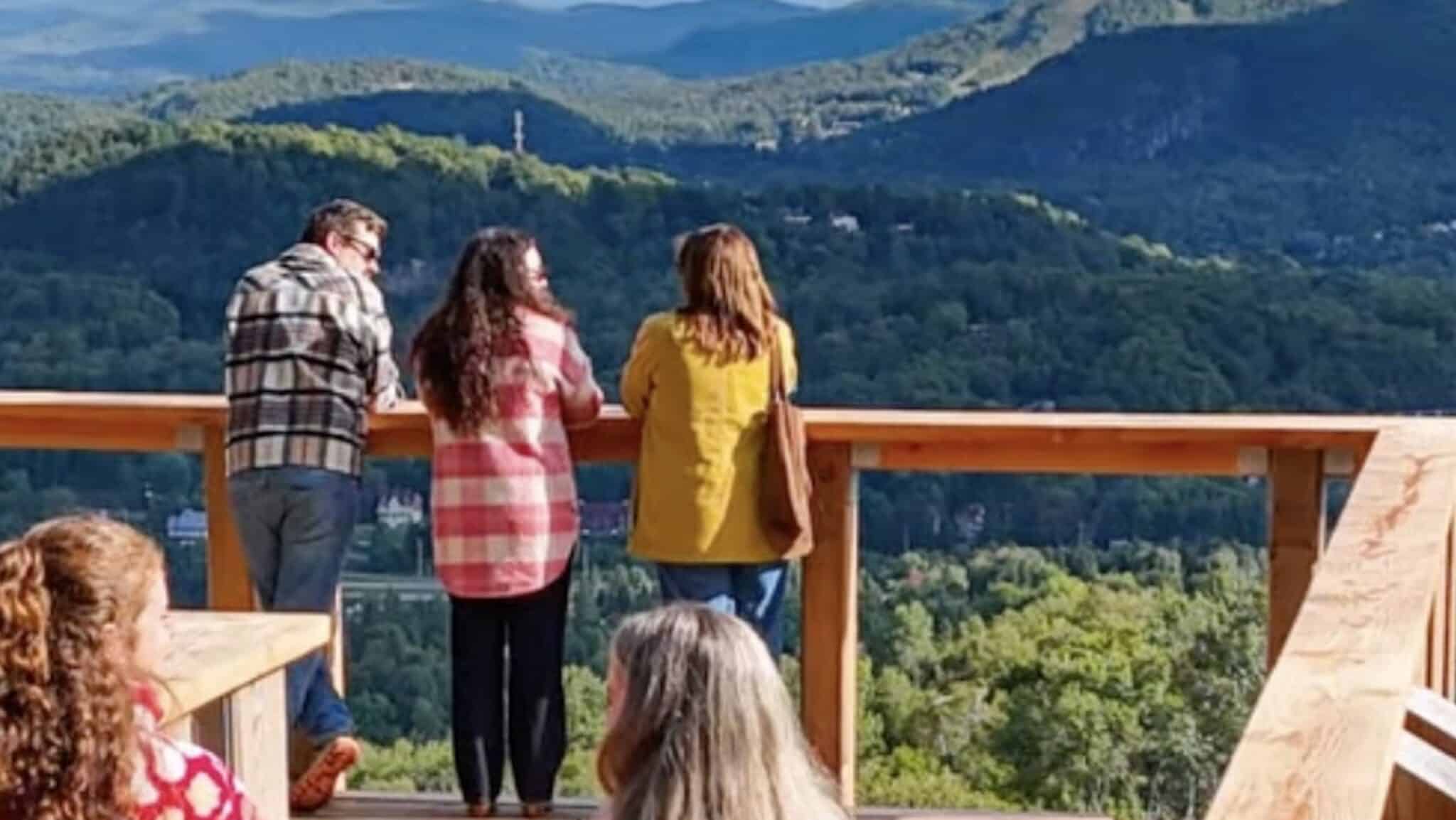
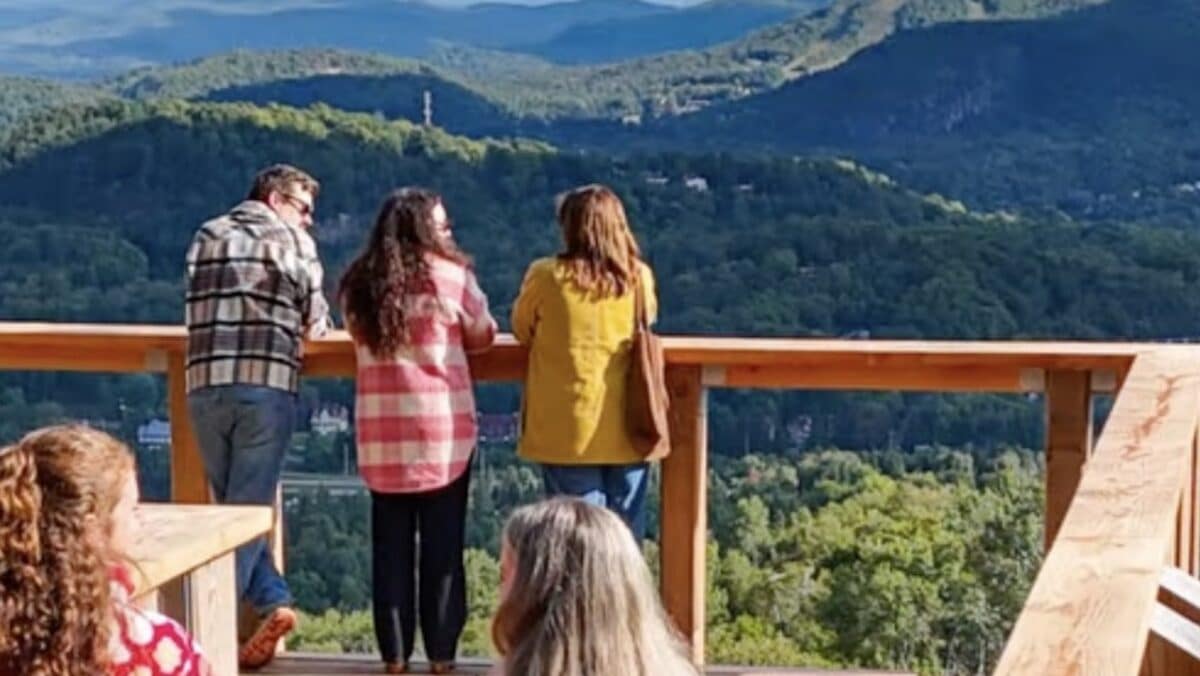
Sommet Saint-Sauveur, a prominent ski destination in Quebec’s Laurentian region celebrated for its exceptionally extended winter seasons, is officially unveiling the first phase of its ambitious new four-season attraction, La Place du Sommet. Debuting to the public, the centerpiece of this multi-million-dollar regional tourism investment is a sprawling 720-foot network of suspended walkways designed to carry visitors directly through the forest canopy at the peak of the mountain. Accessible via a scenic chairlift ride, the new elevated pathways feature multiple designated viewpoints overlooking the picturesque Saint-Sauveur Valley, merging high-altitude adventure with panoramic sightseeing.
This development marks a significant shift in how regional ski resorts operate outside of peak snowfall periods. Rather than relying solely on winter sports, ski resort operators across North America are increasingly pivoting toward robust, year-round business models to maximize infrastructure utility, generate consistent revenue streams, and mitigate the financial unpredictability brought on by changing climate patterns and shorter natural snow cycles.
Architectural Design and Elevated Experience
Unlike conventional ropes courses, aerial adventure parks, or high-octane zip-line circuits, La Place du Sommet has been explicitly designed and engineered as an inclusive sightseeing and nature-immersion experience. The suspended walkway network winds seamlessly through the mature timber near the summit, with certain elevated sections positioning pedestrians approximately 36 feet above the forest floor.
To ensure the destination is accessible to a broad demographic—ranging from families with young children to older adults seeking a tranquil mountain retreat—the engineering plan incorporates extensive ground-level connecting trails, meticulously landscaped pathways, and integrated relaxation areas directly adjacent to the suspended structures. Visitors who ascend the mountain via the chairlift find themselves immersed in a canopy walk that emphasizes environmental appreciation and quiet observation over physical exertion.
Local tourism authorities have praised the initiative as one of the most significant infrastructure investments in the Laurentians for the 2026 calendar year. While executive leadership at Sommet Saint-Sauveur has not disclosed the cumulative aggregate cost of the multi-year master plan, the sheer scale of the phase-one engineering indicates a profound financial commitment to transforming the mountain’s summit into a premier year-round hub.
Chronology of Development and Future Expansion
The unveiling of the suspended walkways on September 26 represents only the foundational building block of a comprehensive three-part master development plan that extends well into late 2027. The phased timeline reflects a strategic approach to construction, allowing the resort to generate early interest and operational data while continuing to build out complementary amenities.
Phase one establishes the primary visual and experiential draw: the canopy walkways and valley viewpoints. Construction crews were observed actively working on the mountaintop structures as early as May, working through the spring shoulder season when the resort was simultaneously operating ski trails and warm-weather attractions like its alpine coaster and water park.
Phase two is slated for the spring of 2027, during which the resort will introduce a central gathering plaza and a traditional alpine-inspired general store. This commercial and cultural hub will house a specialized regional museum dedicated to chronicling the rich history of skiing and the broader Pays-d’en-Haut community, weaving local heritage into the modern tourist experience.
Phase three will dramatically overhaul the resort’s transit infrastructure. Scheduled to open in December 2027, a brand-new high-speed six-person chairlift equipped with a modern loading conveyor will replace the aging Côte 71 chair. This upgraded lift will serve as the primary arterial route transporting visitors from the base area directly to La Place du Sommet, ensuring efficient passenger throughput during both the peak winter ski season and the high-demand summer and autumn tourism windows.
Operational Context: Extending the Calendar
The strategic launch of La Place du Sommet aligns seamlessly with Sommet Saint-Sauveur’s corporate identity as an operational outlier within the eastern Canadian ski market. The resort has long cultivated a stellar reputation for pushing the boundaries of the ski calendar, routinely claiming the longest operating season in the province of Quebec.
For the 2025–2026 operational cycle, Sommet Saint-Sauveur opened its gates to skiers and snowboarders on November 9 and maintained continuous operations through May 18. This impressive six-month season requires advanced snowmaking capabilities, meticulous slope maintenance, and a corporate culture accustomed to rapid seasonal pivots.
This operational agility was vividly displayed during the resort’s May closing weekend, where visitors could witness active construction on the high-altitude walkways while skiers carved down lingering spring snowpack just yards away from functioning mountain-biking trails. Resort executives recognized that leaving chairlifts idle during the snow-free months represented a missed economic opportunity. By converting standard winter transport into a scenic conveyor for non-skiers, the resort can monetize its vertical footprint year-round.
Broader Economic and Industry Implications
The debut of La Place du Sommet highlights a broader structural evolution across the North American ski industry. Historically, ski resorts operated under a seasonal monoculture, generating the vast majority of their annual revenue during a compressed 100-to-120-day winter window. However, rising capital costs, unpredictable winter weather patterns, and increasing consumer demand for experiential tourism have forced mountain operators to rethink their business models.
Industry analysts note that four-season diversification projects help stabilize employment figures, allowing resorts to retain skilled management and operational staff year-round rather than relying strictly on seasonal hiring and layoffs. Furthermore, attractions like canopy walks and alpine villages appeal heavily to the lucrative leaf-peeping autumn tourism demographic and summer vacationers who might not otherwise visit a ski mountain.
For the regional economy of the Laurentians, the ongoing expansion at Sommet Saint-Sauveur reinforces the area’s status as a premier Canadian adventure tourism destination. By blending modern engineering with historical homage and environmental integration, the resort has established a blueprint for how legacy ski areas can successfully reinvent themselves for the future, ensuring that the chairlifts keep turning long after the snow has melted.

