
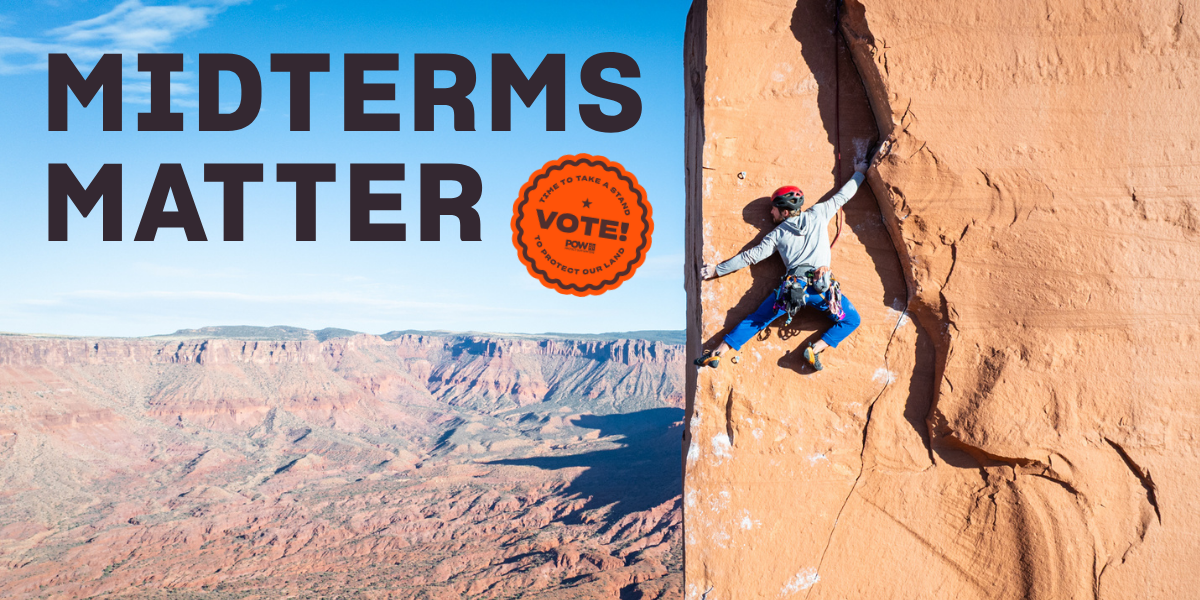
Every significant outdoor pursuit relies on a foundation of rigorous preparation, from the logistical planning required for a high-altitude expedition to the physical conditioning essential for ultra-endurance athletics. Much like navigating technical terrain where the margins for error are razor-thin, the American political landscape regarding climate policy and public land management is governed by similarly precise thresholds. As the 2026 midterm election cycle approaches, advocacy groups such as Protect Our Winters (POW) are emphasizing that the strategy applied to backcountry success—meticulous preparation and disciplined execution—must now be applied to the ballot box to address the ongoing rollbacks of environmental protections.
The Current Legislative Context and Environmental Rollbacks
Over the past eighteen months, the federal policy environment has been characterized by a notable shift regarding land conservation and climate mitigation. Since early 2023, several executive and legislative actions have targeted established protections, including the reduction of protections for certain national monuments, the expansion of oil and gas leasing on public lands, and the narrowing of definitions under the Clean Water Act.
Environmental policy experts observe that these shifts are largely a reflection of the political composition of the legislative bodies responsible for drafting and passing environmental regulations. When the voting population is disconnected from the decision-making process, legislative priorities often diverge from the interests of those who utilize public lands for recreation, conservation, and resource management. The "Outdoor State"—a demographic bloc comprising millions of skiers, climbers, hikers, cyclists, and anglers—represents a significant, yet historically under-utilized, constituency that shares a common stake in the preservation of wild places and the mitigation of climate change.
Chronology of Voter Engagement in Midterms
Historically, American midterm elections have faced challenges in maintaining high voter turnout compared to presidential election years. However, the last decade has seen a shift in this trend, indicating a higher degree of public engagement with localized and congressional issues.
- 2018 Midterms: This cycle saw a record-breaking turnout of approximately 53.4% of the voting-eligible population, the highest in over a century for a midterm election.
- 2020 Presidential Election: This year marked an unprecedented turnout, with 66.8% of the voting-eligible population casting ballots, demonstrating a heightened awareness of federal political influence.
- 2022 Midterms: Turnout remained robust at roughly 52%, marking only the third time since 1978 that turnout exceeded the 50% threshold. This trend suggests that voters are increasingly recognizing the impact of non-presidential elections on their daily lives and environmental outcomes.
- 2026 Projections: As the upcoming midterms approach, advocacy groups have set a target to engage 45 million eligible voters within the outdoor community, aiming to capitalize on the momentum generated in previous cycles to solidify climate progress as a non-negotiable policy priority.
Quantitative Impact: The "Margin of Victory" Analysis
The importance of the 2026 midterms is underscored by the narrow margins that frequently define congressional races. In the 2022 midterm elections, several key districts—which encompass vital public lands and sensitive ecosystems—were decided by fewer than 5,000 votes.
When applied to the outdoor community, these statistics indicate that the voting bloc of recreationists possesses the structural power to alter the outcome of federal, state, and local elections. In political science, the concept of a "pivotal voter" suggests that in a competitive race, individual participation is not merely additive but can be the deciding factor in policy direction. For the outdoor industry, which contributes significantly to the U.S. GDP through recreation and tourism, this represents a shift from passive observation to active participation in governance.
Official Stance and Strategic Objectives
Protect Our Winters (POW) has formalized a strategic pillar identified as "Shift Who Decides." This initiative is designed to bridge the gap between recreational passion and political efficacy. By providing clear, accessible information regarding voter registration, polling locations, and the environmental records of candidates, the organization aims to remove the barriers that often prevent outdoor enthusiasts from participating in the democratic process.
"The goal is to move beyond mere awareness and toward systemic influence," states an industry representative. "When environmental protections are viewed as a partisan issue rather than a fundamental necessity for land health, the risks to our public infrastructure—including forests, water sheds, and mountain ecosystems—increase exponentially. The objective is to make clean air and climate stability defining issues that no lawmaker can afford to overlook."
Broader Implications for Public Land Management
The implications of the 2026 midterms extend far beyond the ballot box. Legislative bodies elected in 2026 will have jurisdiction over the budgetary and regulatory frameworks that determine the future of the Antiquities Act, the Land and Water Conservation Fund (LWCF), and federal carbon emissions standards.

If the current trend of legislative rollbacks continues, the physical landscape of the United States could undergo permanent changes. For instance, the degradation of high-altitude ecosystems—often the first to exhibit the signs of climate change—can lead to irreversible losses in biodiversity and recreational viability. Conversely, a legislature prioritized toward conservation can enact policies that promote carbon sequestration, infrastructure resilience, and sustainable land-use planning.
Analysis: The Intersection of Sport and Civic Duty
The parallel drawn between the "margins" of extreme sports and the "margins" of electoral politics is statistically supported. In technical climbing, a "crimp" (a small hold on a rock face) is often the difference between a successful ascent and a failure. In the context of American democracy, the marginal participation of specific interest groups can determine whether an environmental protection policy passes or is repealed.
Fact-based analysis suggests that the outdoor community is currently under-represented in the legislative feedback loop. While the industry is a massive economic engine, its political influence is often fragmented. The effort to consolidate this influence through voter registration drives and educational campaigns represents a significant evolution in how special interest groups interact with the federal government.
Preparing for the 2026 Election Cycle
For the individual voter, the path forward involves a structured approach similar to planning an expedition. The process includes:
- Registration Verification: Ensuring that voter registration is current, particularly if a change of address has occurred due to seasonal employment or migration.
- Tracking Deadlines: Identifying the dates for primary elections and early voting, which are often overlooked compared to the general election date.
- Candidate Research: Utilizing non-partisan tools to evaluate the voting history of incumbents and the stated platforms of challengers regarding land and climate issues.
- Civic Participation: Engaging in local elections, which often have a more direct impact on land-use permits, water rights, and local environmental ordinances.
Conclusion
The 2026 midterms represent a critical juncture for the preservation of the American outdoors. As legislative rollbacks continue to threaten the integrity of public lands and the progress made toward climate stability, the necessity for a highly engaged and informed electorate becomes paramount. By treating the voting process with the same level of discipline and preparation as a high-stakes outdoor objective, the outdoor community can ensure that its voice is not only heard but that it fundamentally shapes the trajectory of environmental policy for the coming generation. The margins are indeed thin, but the potential impact of a mobilized, consistent, and informed "Outdoor State" remains one of the most potent tools for protecting the natural heritage of the United States.

