
The fight to mitigate the impacts of climate change has historically been framed as a struggle for technological innovation, economic shifts, and public consensus. However, a significant realignment is occurring within the environmental movement, suggesting that the most critical obstacle to climate progress is not the lack of sustainable energy solutions, but the mechanisms of political governance. As recent federal policies have systematically dismantled clean energy frameworks and public land protections, organizations like Protect Our Winters (POW) are arguing that the preservation of democratic processes—specifically the right to vote—is now a foundational element of climate advocacy.
The Legislative Erosion of Climate Progress
The current administration has initiated a rapid reversal of established environmental protections, demonstrating that climate policy is as volatile as the individuals in power. The most notable legislative turning point occurred last year with the passage of the "One Big Beautiful Bill Act." While the act was marketed as a fiscal reform package, its substantive impact on the energy sector was severe. By clawing back essential clean energy tax credits and accelerating project deadlines—effectively shrinking the developmental runway for solar, wind, and battery storage projects from nine years to a mere twelve months—the government triggered a systemic stall in the transition to renewable energy.
Data provided by industry analysts indicates that the ripple effects were immediate. Approximately $83 billion in planned renewable energy infrastructure projects were either canceled or indefinitely postponed following the legislation’s enactment. These projects were projected to be a primary engine for green-collar employment, with labor estimates suggesting a loss of roughly 470,000 potential jobs across the manufacturing, installation, and engineering sectors.
This legislative trend reached a flashpoint on July 13, when the administration announced a 90 percent reduction in the size of the Bears Ears National Monument. By shrinking the protected territory from 1.36 million acres to approximately 121,000 acres, the government effectively opened the majority of the previously protected land to extractive industries, including mining. Furthermore, the decision to dissolve the tribal commission responsible for the co-management of the land signaled a significant shift in the federal government’s approach to public land stewardship and indigenous sovereignty.
A Chronology of Voting Rights Challenges
The correlation between these environmental rollbacks and the simultaneous tightening of electoral access has drawn sharp criticism from civil rights watchdogs and climate advocates alike. The strategy appears to rely on limiting the constituency capable of holding the current administration accountable for these shifts.
In March, the administration issued executive directives to the Department of Homeland Security (DHS) to compile comprehensive citizen lists, while simultaneously ordering the United States Postal Service (USPS) to restrict the distribution and processing of mail-in ballots. While these directives faced immediate legal challenges and were partially struck down by federal courts for constitutional overreach, the administrative intent created significant confusion for election officials across the country.
The situation escalated throughout the summer. In July, the administration terminated the remaining members of the Election Assistance Commission (EAC). By stripping the commission of its quorum, the government effectively paralyzed the agency responsible for the certification and security testing of voting hardware and software.
Parallel to federal actions, state-level legislation has introduced a patchwork of restrictive measures. Currently, a dozen states have implemented mandates requiring documentary proof of citizenship for voter registration. In Utah and South Dakota, these statutes have already taken effect for the current election cycle. In Texas, the state government has initiated aggressive purges of voter rolls, citing federal data that critics and advocacy groups have characterized as flawed and inaccurate. Similarly, Ohio is currently embroiled in high-stakes litigation regarding its own voter registration purge policies.
Analysis of the Strategic Nexus
Political scientists observing these developments suggest that the intersection of climate policy and voting rights is not coincidental. By creating administrative hurdles to voting, the current leadership is insulating itself from the electoral repercussions of its environmental policies. When environmental policy is set by executive decree rather than public consensus, the ballot box becomes the only viable mechanism for correction.
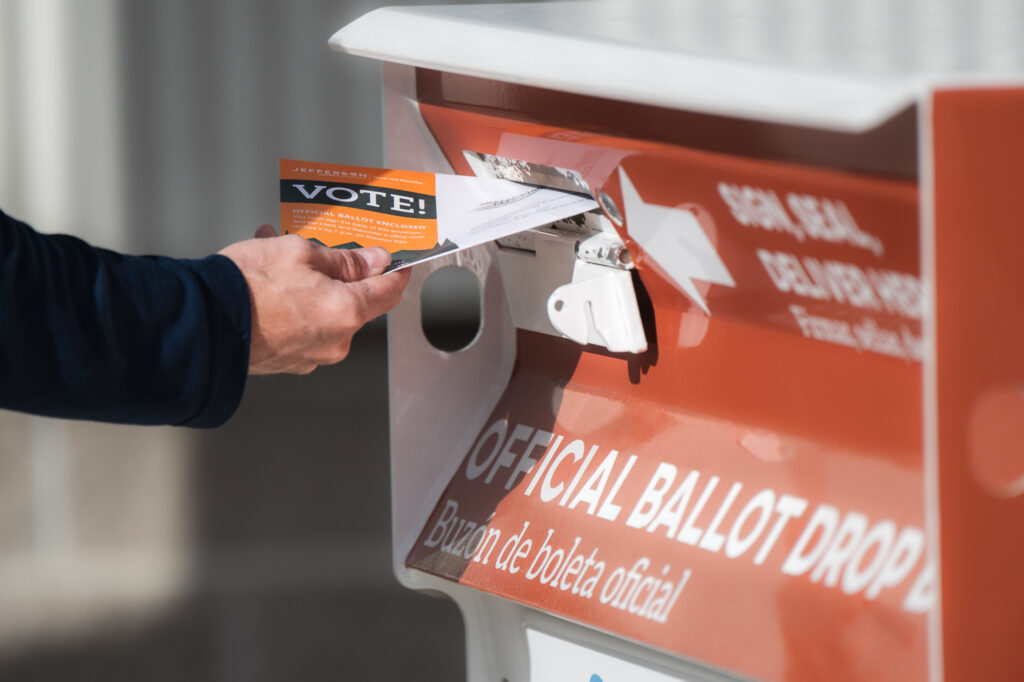
If the electorate is systematically disenfranchised, the capacity to demand legislative reform—such as the reinstatement of tax credits or the expansion of monument protections—is fundamentally crippled. This creates a feedback loop: those in power enact policies that alienate climate-conscious voters, then implement electoral restrictions that diminish the influence of those same voters.
The Institutional Response
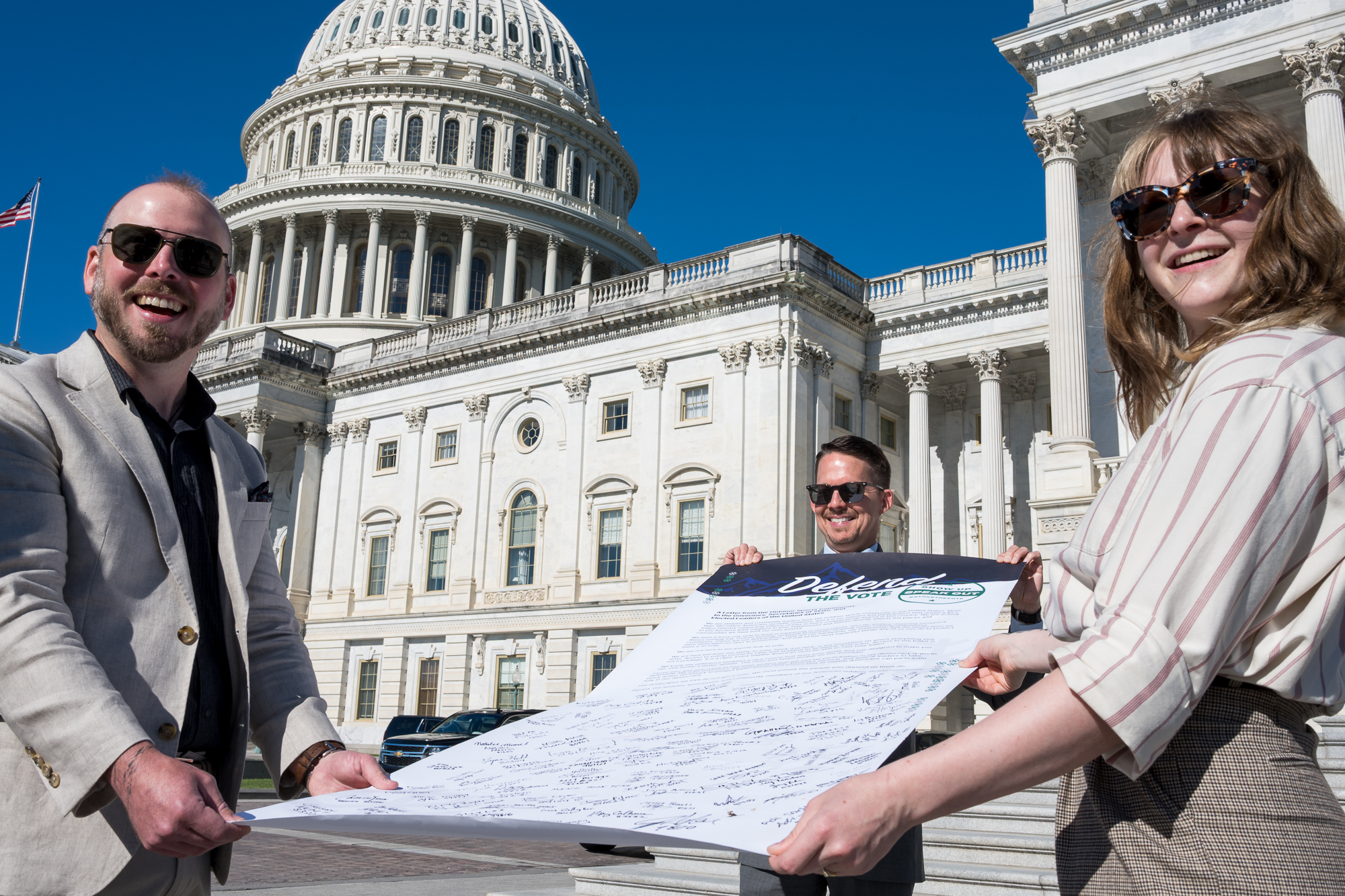
Organizations that were traditionally focused solely on climate and outdoor recreation are now pivoting to address these structural threats. The "Defend the Vote" campaign, spearheaded by POW, represents a tactical shift toward grassroots political engagement. Rather than focusing on broad, national-level messaging, the campaign is concentrating resources on specific geographies where election integrity is most at risk, including Montana and New Hampshire.
By engaging directly with secretaries of state in these regions, advocates are attempting to secure the administrative integrity of the upcoming elections. This approach prioritizes "election-day readiness" over general awareness campaigns. The response from the corporate sector has been notable; a growing coalition of outdoor industry brands has signed on to advocacy letters, indicating that the business community views the stability of democratic institutions as a prerequisite for the long-term viability of the outdoor recreation economy.
Implications for the Midterm Cycles
The central challenge for the upcoming election cycle is voter turnout. The current analysis suggests that the climate movement has reached a crossroads where the technical solutions—solar panels, wind turbines, and carbon sequestration—are subordinate to the political reality of who controls the legislative process.
The implications are clear: the ability to influence environmental policy is contingent upon the ability to cast a ballot. As such, civil rights and climate advocacy have become inextricably linked. For the climate-conscious voter, the act of participating in the democratic process is no longer just a civic duty; it is a defensive maneuver against the rapid dismantling of environmental infrastructure.

The data suggests that the window for reversing these trends is narrow. With the EAC in a state of suspended animation and voter rolls undergoing unprecedented purges, the stability of the upcoming electoral results rests on the ability of local organizations to navigate these legal and administrative obstacles.
As the midterms approach, the rhetoric from environmental groups is shifting from purely scientific or ecological concern to a focus on the mechanics of power. The consensus among these organizations is that climate work, in the current political climate, is defined by the defense of the franchise. Without the preservation of free and fair elections, the environmental movement loses its most effective tool for long-term impact. As the debate continues, the fundamental message remains consistent: the ballot is the primary instrument of climate action, and protecting its integrity is the essential prerequisite for all other environmental progress.

