
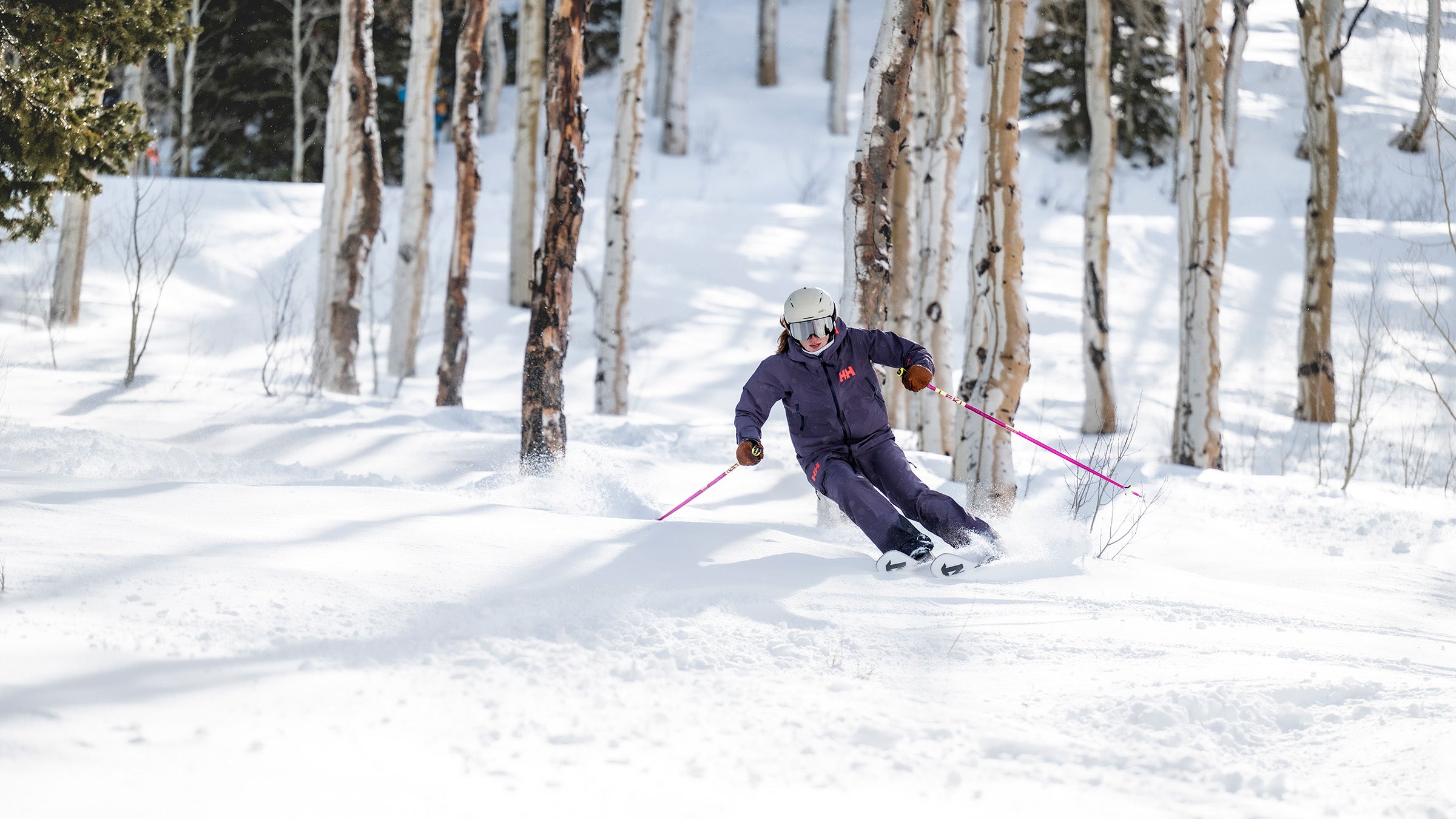
The pursuit of the ultimate powder day while maintaining high performance on groomed runs has long defined the engineering challenges of modern ski design. At the 2026 SKI Test held at Deer Valley, Utah, an expert panel of testers put fifteen of the industry’s top women’s wide all-mountain skis—categorized by waist widths between 100 and 110 millimeters—through a rigorous evaluation process. Designed primarily for Western resorts averaging over 200 annual inches of dry powder, these wide platforms are engineered to deliver effortless float in fresh snow, absorb punishing crud, and retain the reliable edge hold necessary to navigate back to the chairlift.
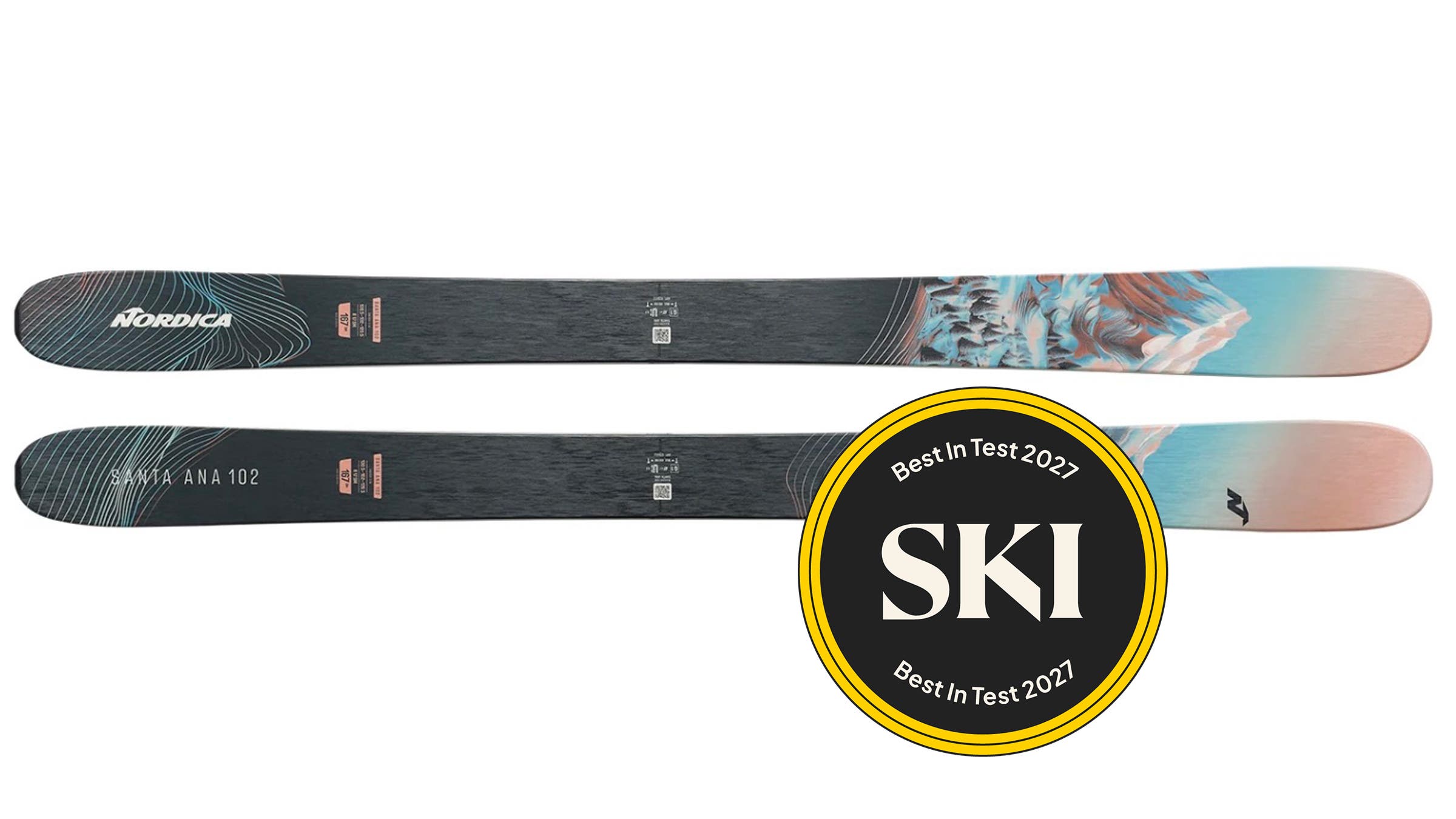
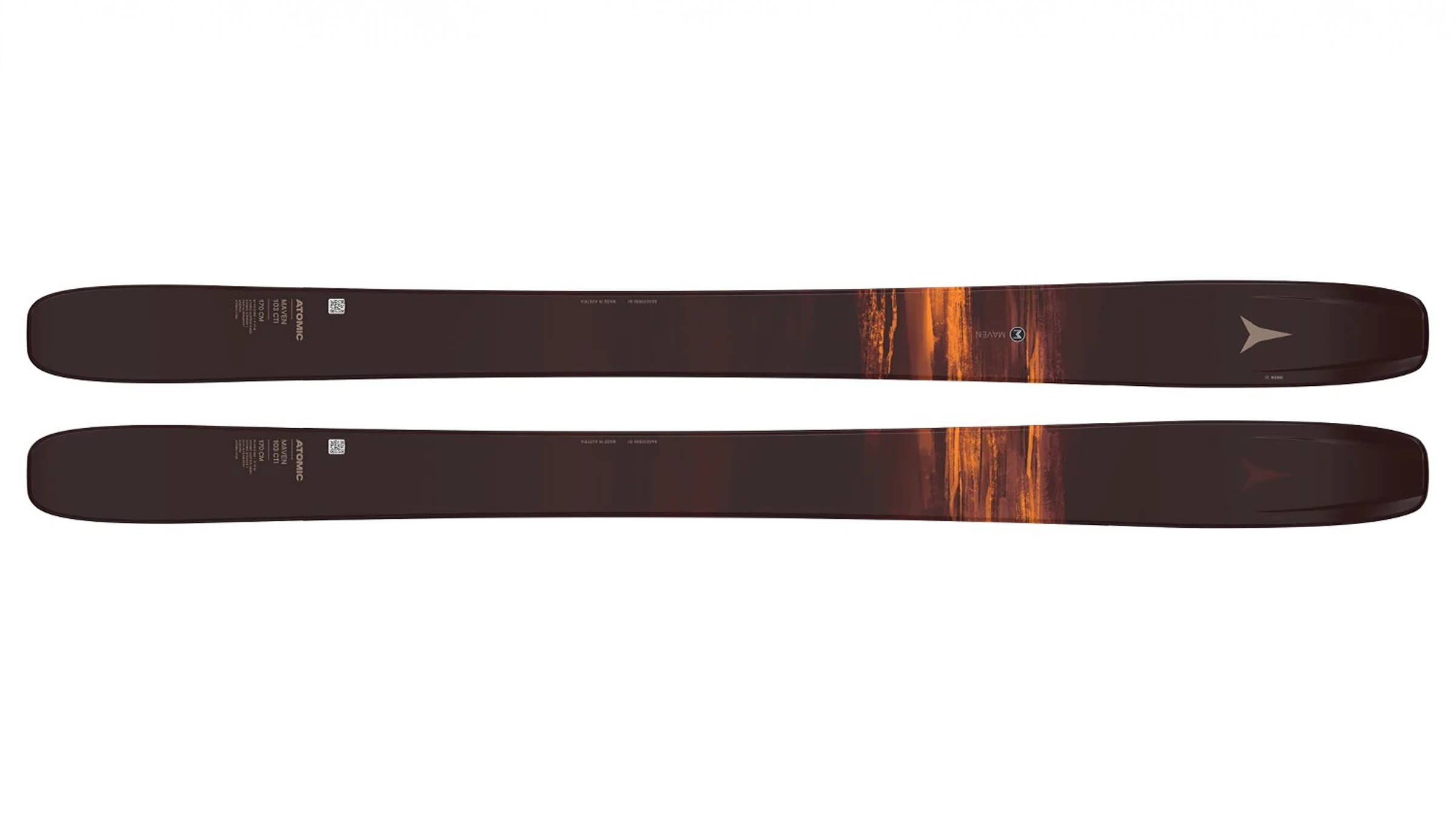
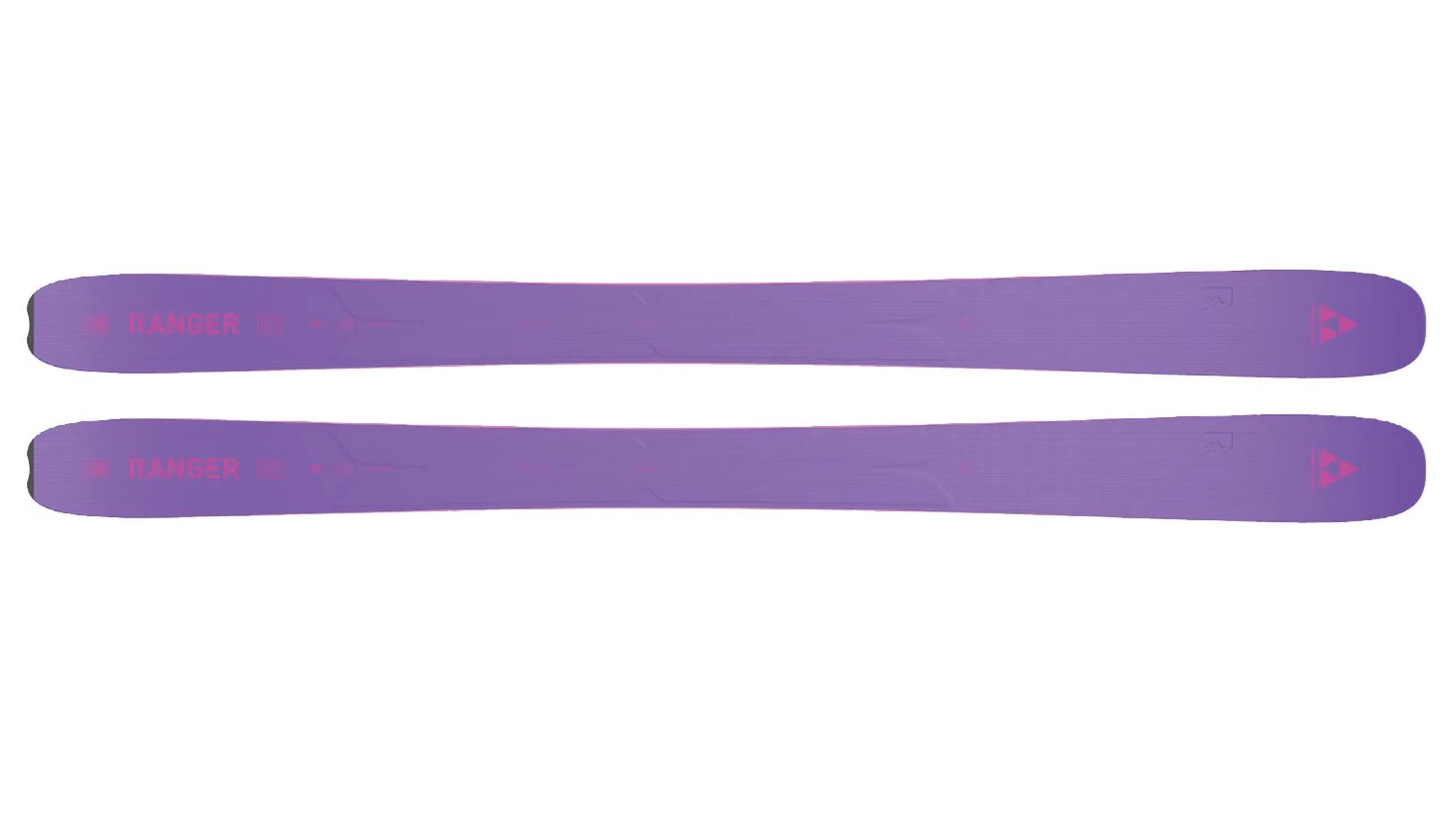
The annual multi-day evaluation concluded with clear frontrunners identified across distinct performance categories. The Nordica Santa Ana 102 captured the overall Best in Test designation, while the Blizzard Sheeva 10 claimed the title of Most Fun. Additional top honors went to the Salomon QST 106 for Best for Powder, the Atomic Maven 103 CTi for Quickest, and the Fischer Ranger 102 as Most Forgiving. These models distinguished themselves among fifteen competitors by demonstrating exceptional versatility and soft-snow adaptability during side-by-side comparative trials.
Chronology and Background of the 2026 SKI Test
The evaluation methodology employed at Deer Valley represents one of the most comprehensive testing initiatives in the ski industry. Planning for the 2026 gear cycle began months prior, as manufacturers shipped their upcoming product lines for pre-season cataloging. The on-snow testing phase took place under carefully controlled conditions, ensuring that every panelist rode each model on the same day, across identical snow surfaces, and under matching weather scenarios.
This standardized approach minimizes subjective bias. Testers utilized a digital scorecard system to rate each ski across nine strict criteria, including stability at speed, hard-snow performance, carving agility, bump absorption, and floatation. While all-mountain skis span a broad spectrum from 80mm to 110mm underfoot, this specific subset of 100mm to 106mm waist widths underwent heightened scrutiny regarding how effectively they bridged the gap between deep-snow performance and hardpack dependability. Organizers placed the heaviest analytical weight on crud-busting capability and powder flotation, recognizing these as the defining metrics for modern wide all-mountain configurations.
Comprehensive Performance Breakdown of Top Models
The 2026 test results highlighted the diverse engineering philosophies manufacturers use to achieve versatility in wider platforms.
The Nordica Santa Ana 102, retailing at $900, established itself as the premier choice for aggressive skiers. Built with dual sheets of Titanal, the Santa Ana 102 provides exceptional damping through heavy chunder and hardpack alike. Testers noted its immediate edge engagement and unwavering reliability. However, this level of stability demands physical engagement; reviewers emphasized that the ski requires significant quad power and offers little forgiveness for skiers who fall into the backseat during bump runs.
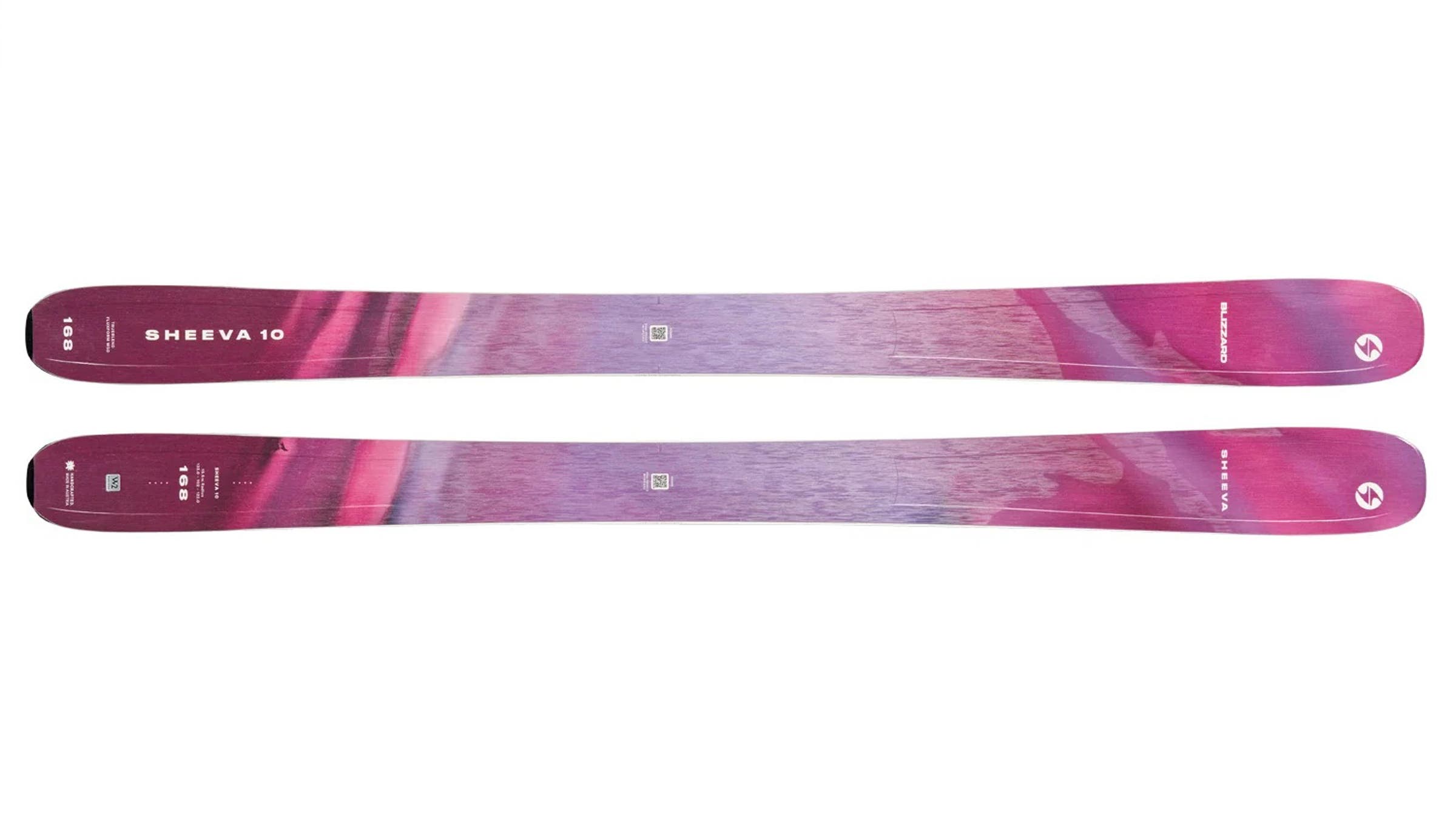
For those prioritizing a more energetic and playful ride, the Blizzard Sheeva 10 ($850) emerged as a standout performer. By strategically placing metal exclusively along the edges rather than across the entire chassis, Blizzard maintained a lightweight, maneuverable profile while preserving hardpack edge grip. Testers observed that the Sheeva 10 encourages progression among intermediate to advanced skiers, though its heavily rockered profile causes it to ski slightly short and get deflected in exceptionally heavy spring mank.
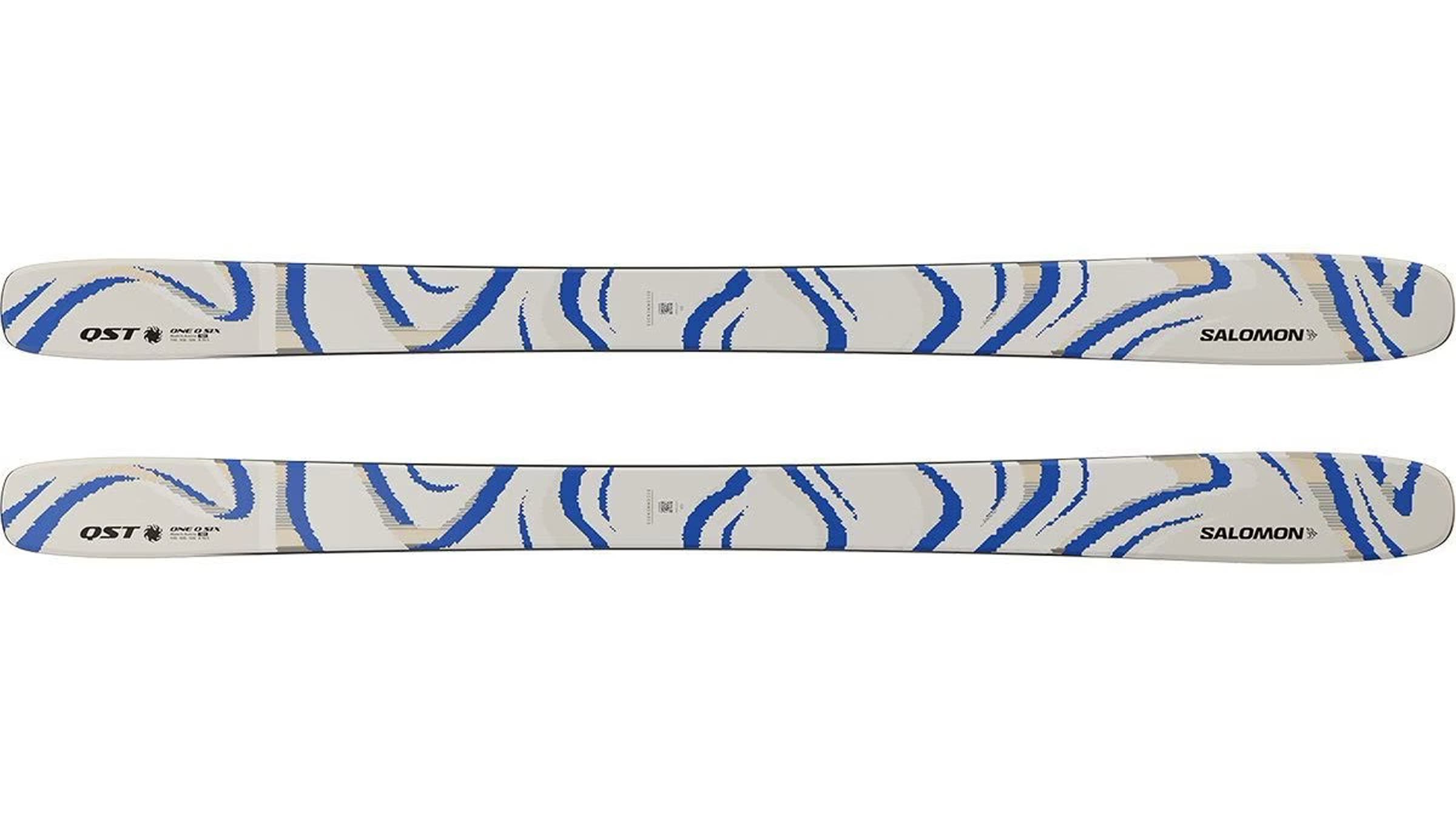
Powder enthusiasts found their benchmark in the Salomon QST 106 ($850). As the widest ski in the primary test group at 106mm underfoot, it relies on cork dampening in the tips and tails rather than heavy metal sheets. This construction creates a surfy, highly intuitive ride that excels in deep powder and chopped-up snow. While its generous girth demands more effort to transition onto hardpack edges, its off-piste flotation proved unmatched in deep accumulation.
Quickness and Agility in Tight Terrain
Maneuverability in trees and moguls remains a critical priority for all-mountain skiers navigating complex resort topography. The Atomic Maven 103 CTi ($850) addressed this demand by earning the designation of Quickest. Designed to favor finesse over brute strength, the Maven 103 CTi allows skiers to pivot, smear, and scrub speed effortlessly in tight spaces. While testers noted some tip chatter at high velocities on firm snow, its agility in soft snow and bumps received unanimous praise.
Similarly, the Fischer Ranger 102 ($850) prioritized accessibility and an easygoing nature, earning the title of Most Forgiving. Incorporating a shaped Titanal layer for a modest backbone, the Ranger 102 makes powder skiing approachable for progressing intermediates. Although expert skiers capable of driving the ski at maximum speeds might overpower its flex, its lightweight construction delivers comfort and reliability across off-piste environments.
Notable Alternatives and Industry Innovations
Beyond the primary podium spots, several honorable mentions introduced notable technological advancements for the 2026 and 2027 gear cycles.
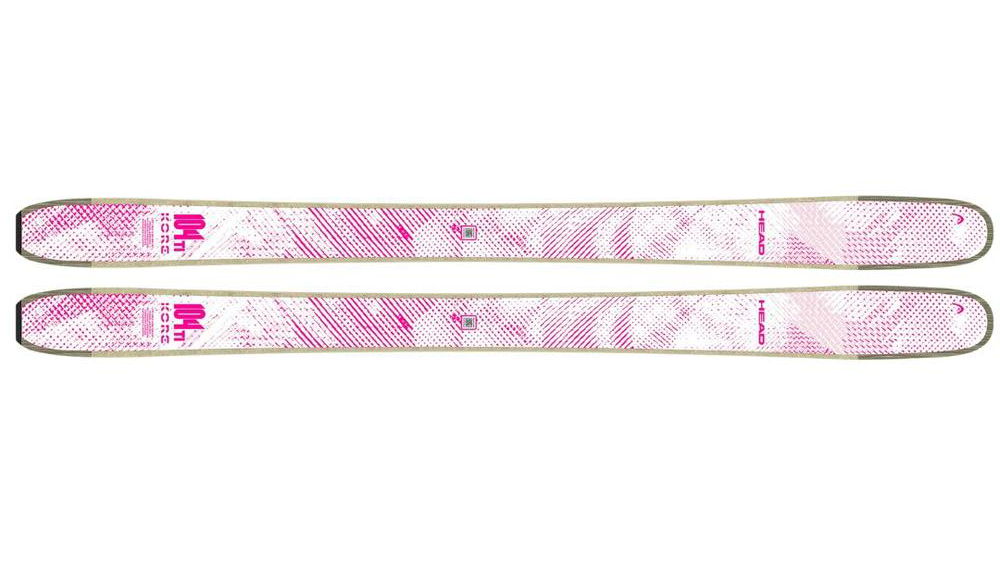
Head updated its popular Kore series with the Head Kore 104 Ti W, integrating two full sheets of Titanal into the wood core. This addition successfully transformed a historically lightweight touring-leaning ski into a composed resort charger that dampens high-speed chatter without sacrificing its agility in bumps.
Rossignol restructured its branding nomenclature, streamlining its lineup into the simplified Soul W 102. Utilizing a 15-meter turning radius and damping metal underfoot, the Soul W 102 caters to advanced skiers who prefer long, high-speed arcs in open powder bowls rather than quick, short-radius turns in moguls.
Meanwhile, K2 introduced a striking technological innovation in the Mindbender 101 W by embedding metal-infused plastic damping pucks—marketed as Dark Matter—forward and aft of the binding zone. This proprietary vibration-control system sharply divides opinion among testers; some praised its ability to lock the ski onto hardpack and plow through variable crud, while others found it required a higher physical output than traditional playful K2 models.
Implications for Consumers and the Ski Market
The data gathered from the 2026 SKI Test underscores a broader trend in the snowsports industry: the blurring lines between dedicated powder skis and daily-driver all-mountain boards. As ski manufacturing technology advances, brands are successfully integrating titanal reinforcements and advanced damping materials into wider chassis without making them overly fatiguing.
For consumers, these developments mean that skiers residing in regions with reliable snowfall no longer need to sacrifice groomer performance to secure adequate powder float. However, prospective buyers must carefully match their local snow conditions and personal skiing styles to the specific build characteristics of each model. Aggressive chargers seeking high-speed stability will find success on metal-reinforced platforms like the Nordica Santa Ana 102 or Rossignol Soul 102, whereas skiers prioritizing playful pivot points and ease of handling in tight trees will lean toward options like the Atomic Maven 103 CTi or Blizzard Sheeva 10.
Ultimately, the independent testing model maintained by industry experts ensures that consumers receive transparent, objective data free from commercial bias. As climate patterns continue to create variable snow conditions at ski resorts across North America, the versatility demonstrated by this elite group of wide all-mountain skis provides a reliable roadmap for skiers seeking uncompromising performance across the entire mountain.

