
The winter gear market for alpine skiing continues to evolve, balancing specialized carving precision with the adaptability required for variable mountain conditions. At the annual SKI Test held at Deer Valley Resort in Utah, industry professionals, bootfitters, former competitive racers, and hardgoods buyers gathered to evaluate the most anticipated women’s frontside skis for the 2027 season. Over several days of rigorous on-snow evaluations, a diverse panel of experts subjected 16 distinct models to corduroy groomers, steep moguls, bulletproof ice, and heavy afternoon chop. The objective was clear: determine how these narrow-to-mid-waisted tools perform across hard-snow integrity, edge grip, responsiveness, and overall all-mountain versatility.
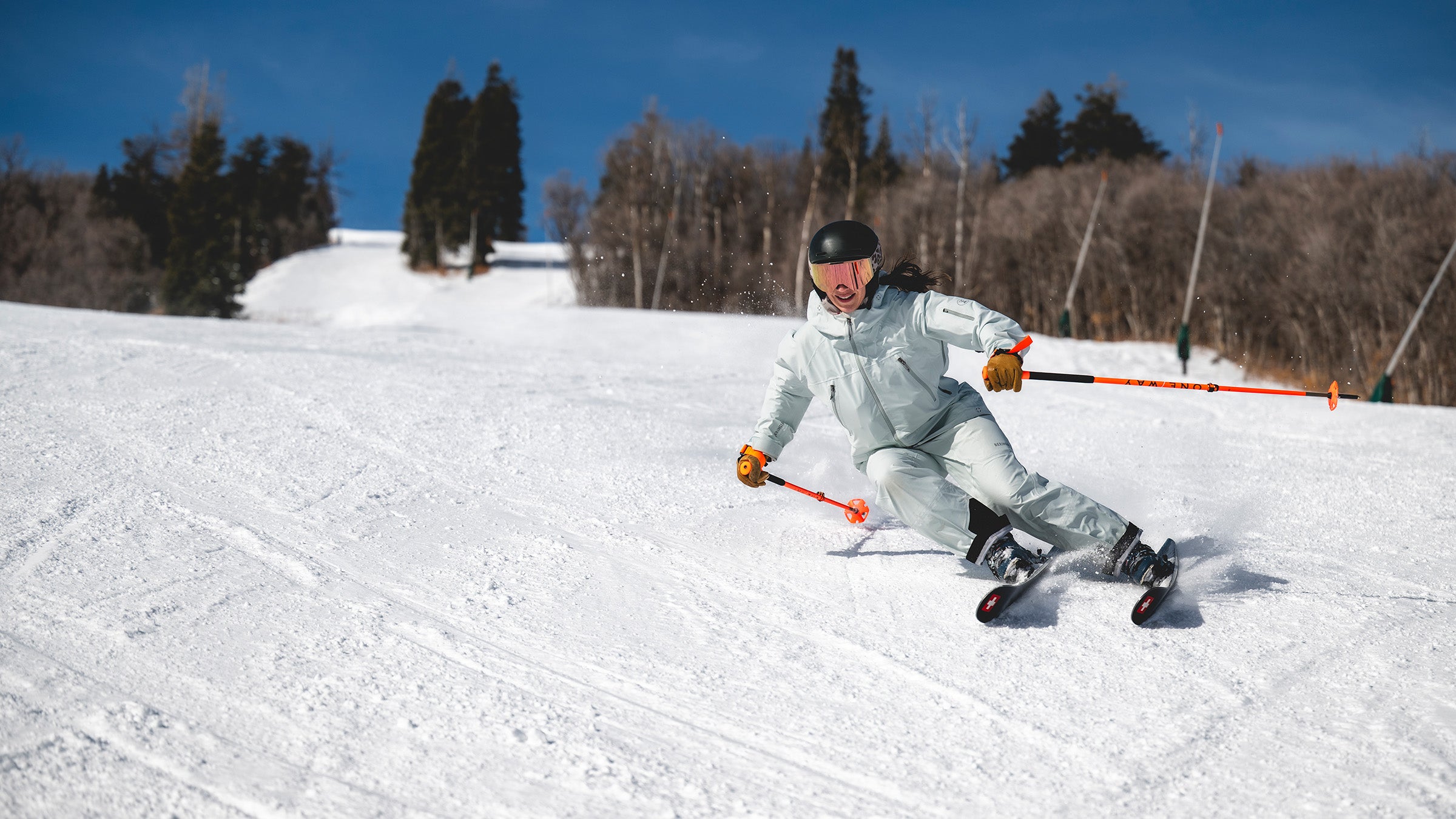
Frontside skis occupy a specific niche in the alpine equipment ecosystem, serving as the equivalent of a versatile crossover vehicle in automotive terms. Generally featuring waist widths between 80 and 90 millimeters, subtle tip rocker, and a slightly more approachable, lighter-weight construction compared to their unisex counterparts, these skis are engineered for resort-goers who spend the majority of their time on groomed trails but demand the freedom to venture off-piste into soft or variable snow.
The evaluation process at Deer Valley was structured to eliminate subjective bias through rigorous controls. Testers skied identical models on the same days under standardized conditions, subsequently logging digital scorecards. This year’s testing underscored a broader industry trend: manufacturers are increasingly bridging the gap between uncompromising race-room edge hold and freeride-inspired forgiveness, offering everyday skiers elite performance without requiring professional-level aggression.
Top-Tier Performers and Category Winners
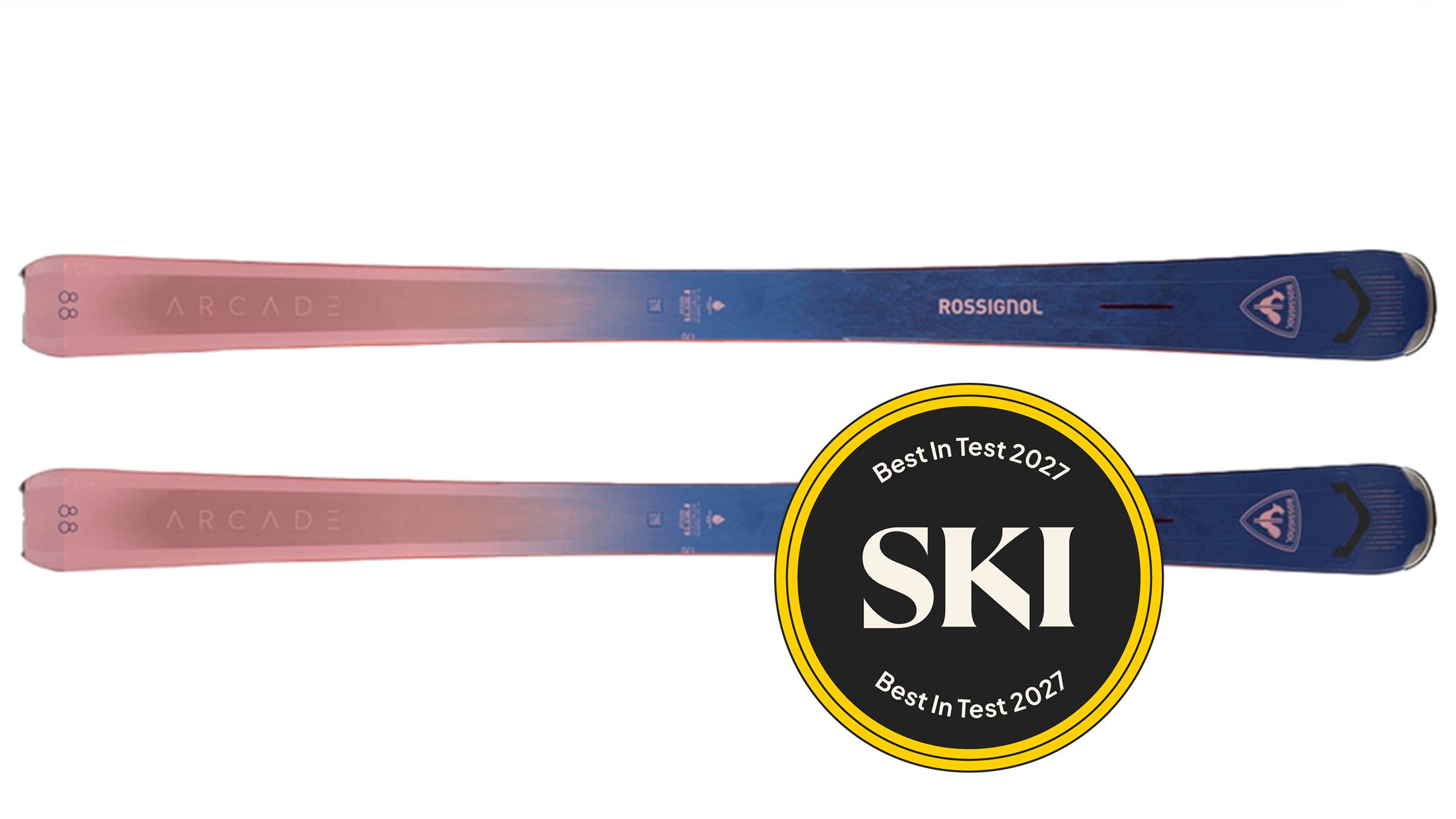
Standing out among a crowded field of high-performance hardware, the Rossignol Arcade W 88 captured the coveted Best in Test designation. Priced at $750, the Arcade W 88 impressed evaluators with its intuitive edge engagement and robust hard-snow integrity. Engineered with a full layer of Titanal, a central power rail embedded in the wood core, and an hourglass sidecut featuring a rockered tip, the ski struck a rare balance between approachability for advanced intermediates and the high-speed stability demanded by experts. Testers noted that while its stiff tail requires an active forward stance, the ski functions as an effective multi-tool capable of transitioning seamlessly from pristine groomers to chopped-up crud and moguls.
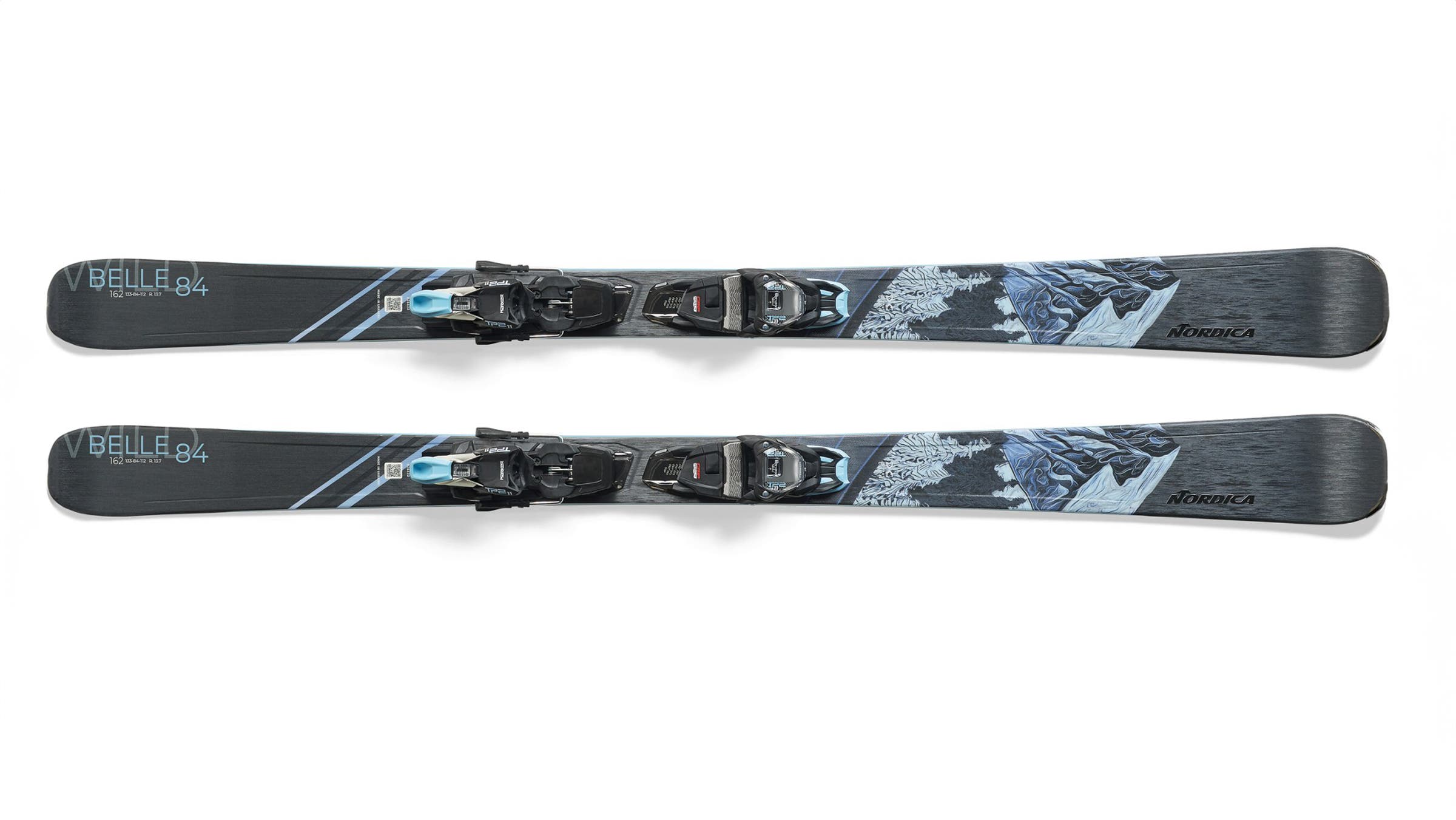
For skiers prioritizing economic value without sacrificing structural integrity, the Nordica Wild Belle 84 DC emerged as the Best Value winner at $750. Redesigned to incorporate a shorter binding plate that allows the dual wood-and-elastomer core to flex naturally, the Wild Belle 84 DC excels in medium-to-long-radius turns. Testers described its behavior on wide-open cruisers as metronomic and predictable, making it a reliable confidence booster, though it demonstrated a distinct resistance to short-radius slalom turns.
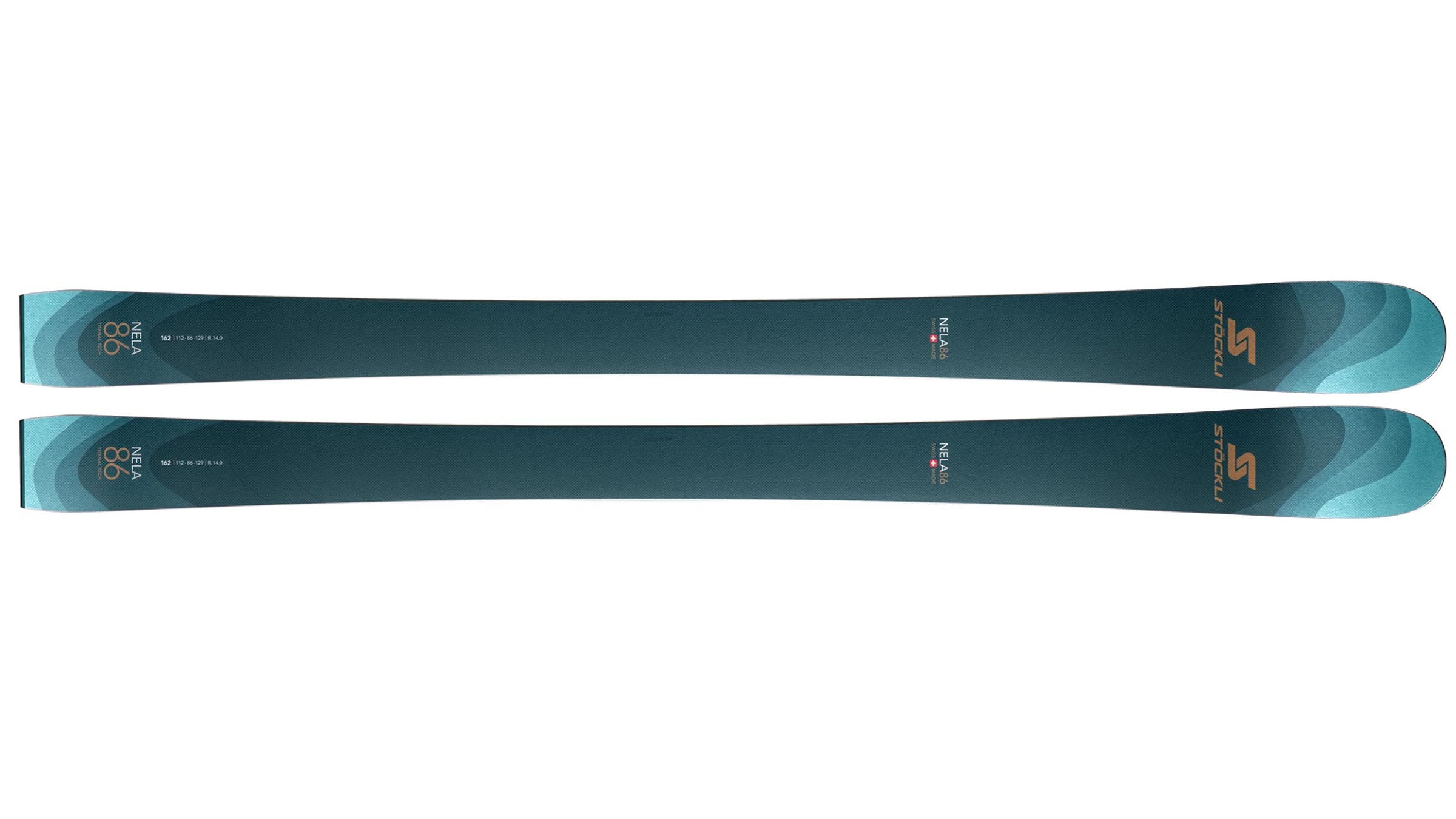
At the premium end of the market, the Stöckli Nela 86 claimed the title of Best for Experts. Commanding a retail price of $1,529, this high-end model delivers the trademark "glued-to-the-snow" smoothness and unwavering stability at speed that the Swiss brand is renowned for. By softening the construction slightly compared to traditional carving skis—integrating a wood core with a Titec topsheet and a freeride tail—Stöckli imbued the 86-millimeter-waisted ski with off-piste versatility. However, testers cautioned that its relatively stiff chassis requires advanced technical proficiency and can prove demanding in tight moguls.
Carving and Specialized Performance Models
For purists dedicated to high-speed turns on hardpack, the Fischer The Curv GT 80 earned top honors as Best for Carving. With an 80-millimeter waist, it was the narrowest model evaluated in the frontside category. Featuring a strategic metal laminate, carbon-fiber wrap, and a triple-radius sidecut, the ski delivers exceptional energy, quickness, and edge retention. While highly dynamic, evaluators noted that the ski loads up rapidly and demands attentiveness from the pilot, as it lacks the dampening required to cruise comfortably through heavy crud.
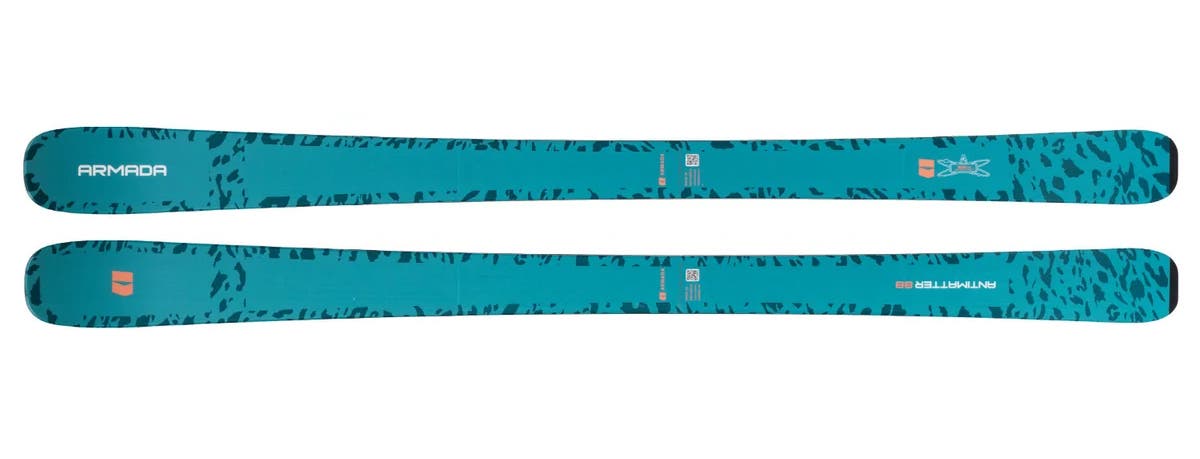
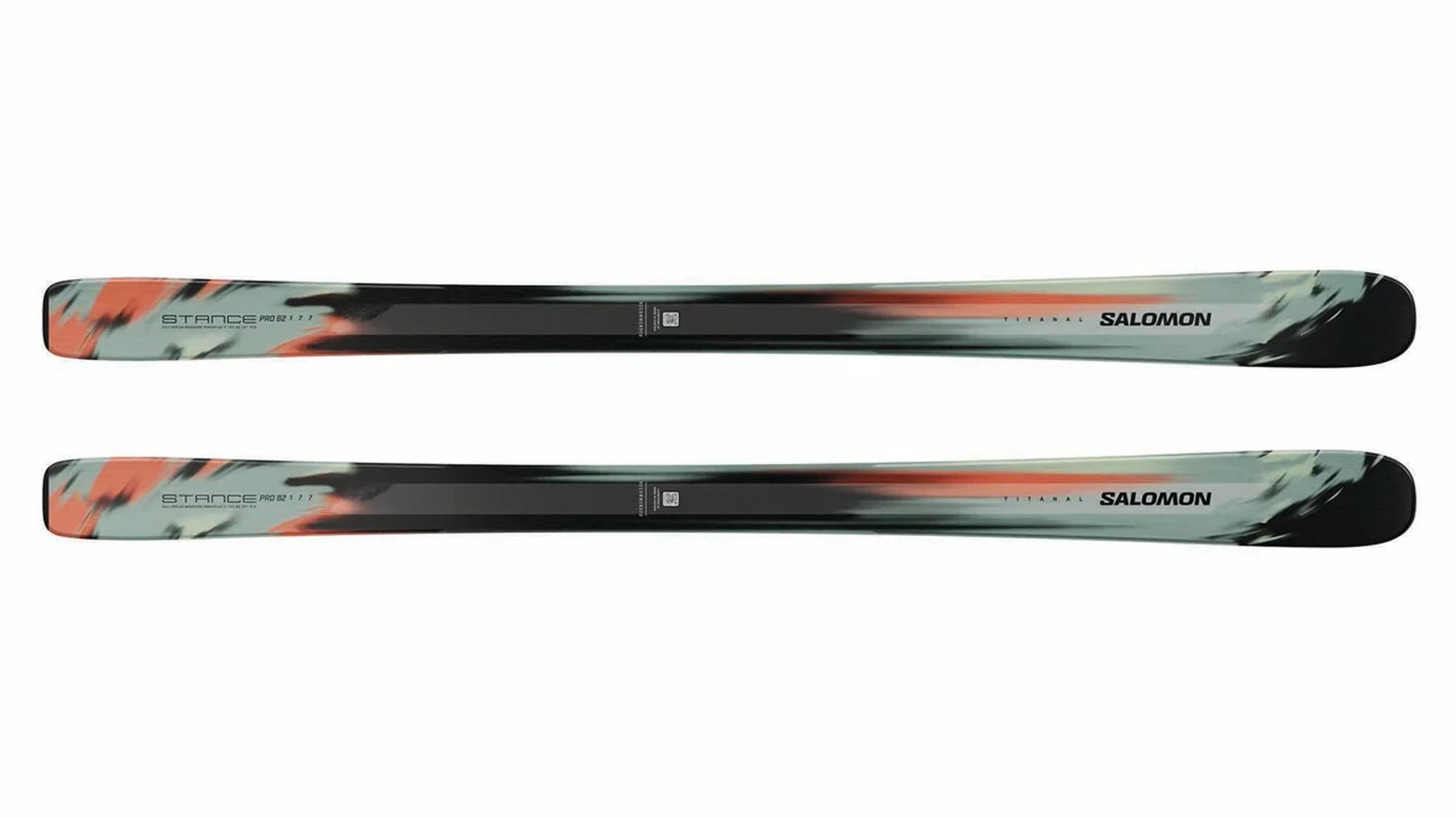
Conversely, skiers seeking a more forgiving, accessible ride found strong alternatives among the test pool. The Armada Antimatter 88 W was recognized as Most Forgiving, utilizing carbon stringers to shed weight and provide a snappy, compliant response across varied resort terrain. Similarly, the Salomon Stance Pro 82 earned the Most Playful designation, utilizing a lively poplar wood core and targeted titanium reinforcement to deliver nimble maneuverability in soft snow and bumps, making it exceptionally approachable for recreational skiers.
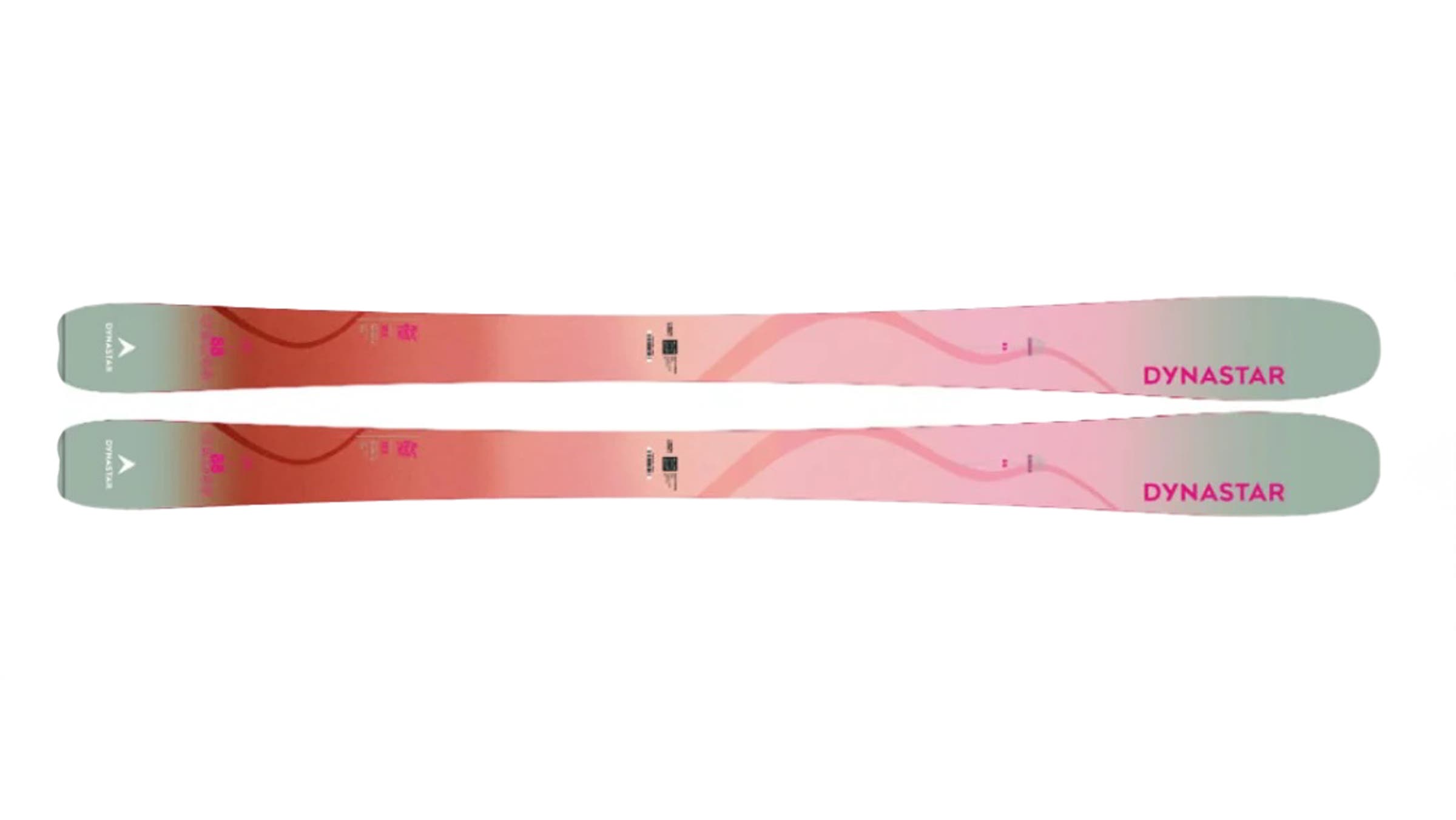
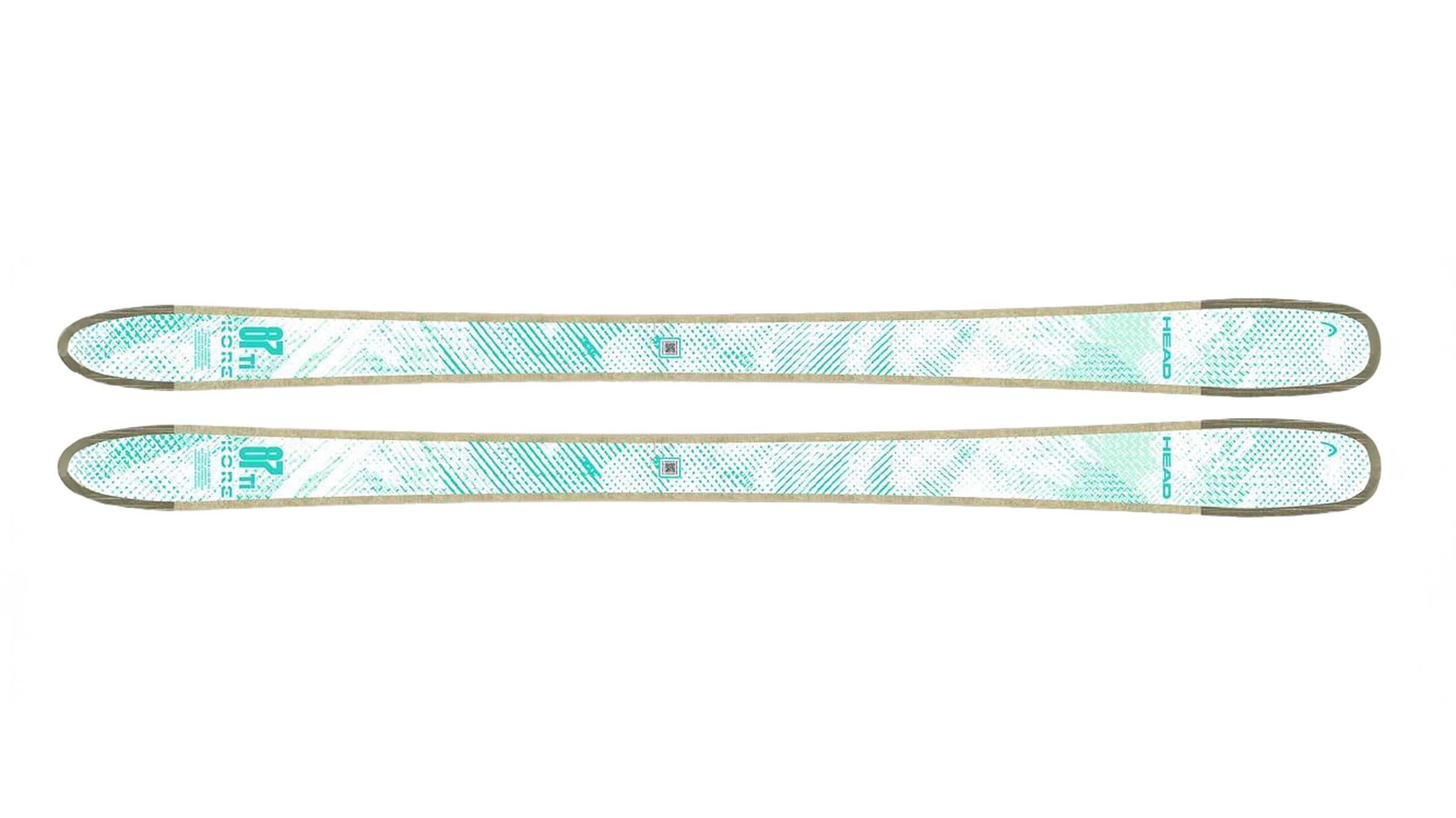
For tackling adverse snow conditions, the Dynastar M-Cross 88 W secured the Best for Crud award. Built with a Hybrid 2.0 Core blending poplar and multi-directional polyurethane, the ski functioned as an unshakeable dampening platform capable of driving through heavy, chopped snow, even if its stiffer, tank-like disposition yielded some chatter on pure ice. Rounding out the primary accolades, the Head Kore 87 Ti W captured the Best Confidence Booster award, leveraging its sandwich-cap construction, graphene, and dual Titanal layers to offer a balanced, dependable ride that encourages progression across multiple ability levels.
Understanding Frontside Skis Versus Carving and All-Mountain Categories
To contextualize these testing outcomes, consumers must understand the mechanical distinctions dividing modern ski categories. Carving skis function essentially as consumer-accessible race skis; built with narrow waists, deep sidecuts, and full camber, they are engineered exclusively to leave razor-thin, precise tracks on groomed corduroy. They require active, precise execution from the skier and offer minimal utility off-piste.
Frontside skis, conversely, occupy the middle ground between dedicated carving instruments and wider all-mountain boards. By introducing modest tip rocker and slightly wider platforms—typically 80 to 90 millimeters underfoot—manufacturers sacrifice a fraction of absolute edge-hold on sheet ice in exchange for immense versatility. This geometry allows the ski to smear turns in tight spaces, float through light chop, and absorb the irregularities of afternoon resort snow without deflecting.
Furthermore, the ongoing debate regarding gender-specific ski design remains a significant factor in purchasing decisions. Industry analysis reveals that the vast majority of skis are fundamentally unisex in their core structural architecture, with manufacturers frequently offering identical internal construction wrapped in distinct topsheet aesthetics to market toward specific demographics. True physiological adjustments are typically restricted to shorter length offerings—scaling down from 170 cm to 148 cm—and softer flex profiles tailored to lower average height and weight distributions. Consequently, expert female skiers frequently cross over into unisex or men’s lines to secure stiffer flexes and longer sizing options, while intermediate skiers benefit immensely from the lighter, more approachable engineering found in dedicated women’s models.
Rigorous Testing Methodology and Industry Implications
The integrity of the SKI Test relies heavily on standardized protocols designed to eliminate commercial bias. Brands do not pay to participate, and editorial coverage is not guaranteed, ensuring that the resulting gear guides serve as objective consumer resources. The 2026 evaluation at Deer Valley utilized a cohort of veteran professionals whose collective experience spans alpine coaching, retail management, elite racing, and technical equipment fitting.
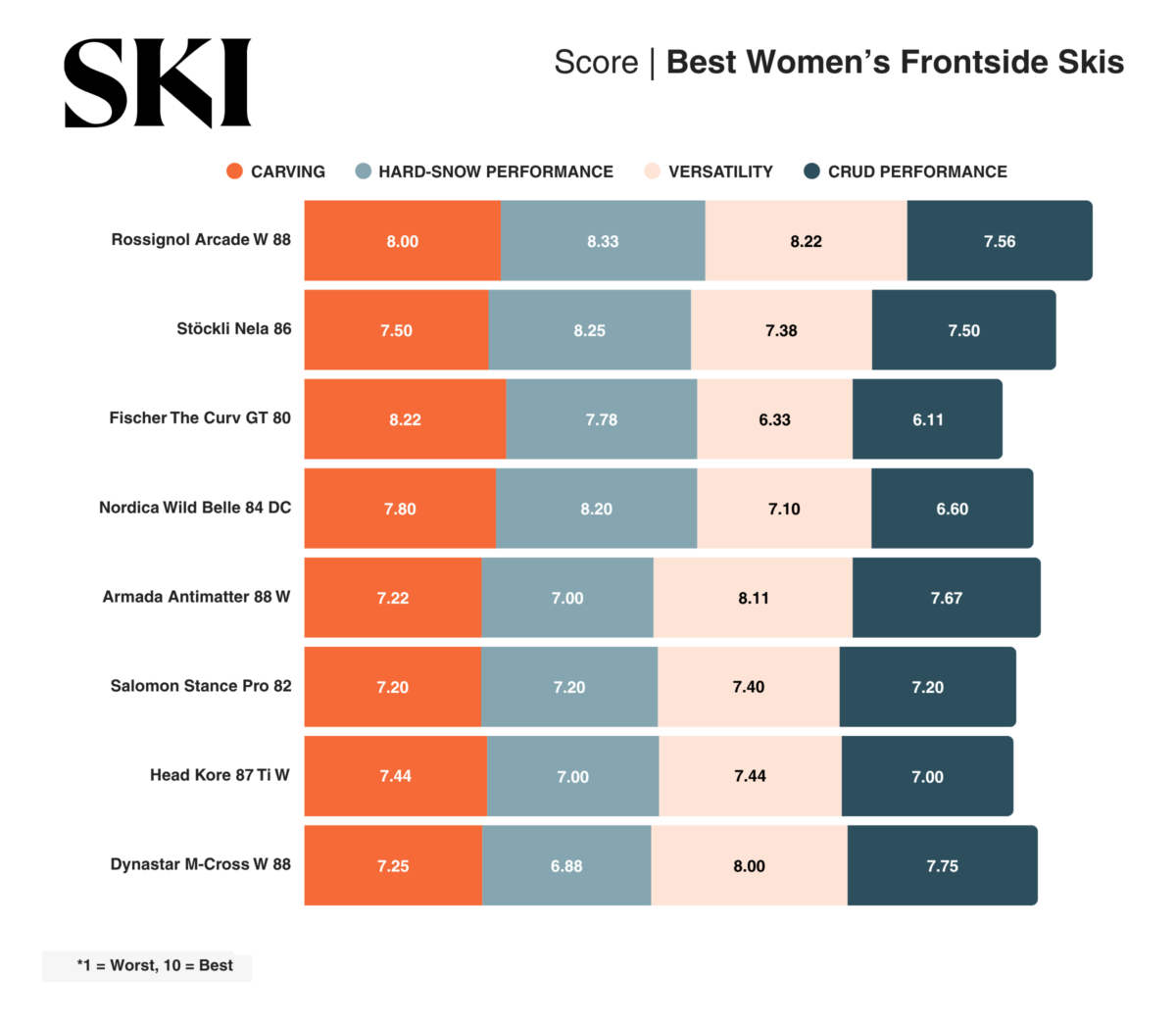
By evaluating skis across nine distinct performance metrics—including hard-snow integrity, stability at speed, carving, and forgiveness—the test panel provides actionable data for skiers navigating an increasingly complex equipment landscape. The comprehensive findings from the 2027 test indicate that modern ski engineering has largely eliminated the historical compromise between stability and agility. Whether consumers seek the elite high-speed precision of Stöckli, the approachable versatility of Rossignol, or the forgiving playfulness of Armada, the current market offers refined options capable of elevating the on-mountain experience for every tier of skier.

