
The architecture of environmental policy in the United States is rarely static, yet the current political landscape suggests a period of profound transition. As the nation approaches the 2026 midterm election cycle, a coalition of outdoor enthusiasts, environmental advocacy groups, and climate scientists are intensifying efforts to mobilize a constituency often referred to as the "Outdoor State." This demographic, comprising millions of Americans who engage in activities ranging from backcountry skiing and mountaineering to angling and cycling, is increasingly viewing the ballot box as the primary venue for protecting the ecosystems that sustain their livelihoods and recreation.
The preparation required for high-stakes outdoor pursuits—meticulous planning, physical conditioning, and a clear understanding of the risks involved—is now being framed by organizations like Protect Our Winters (POW) as an essential blueprint for political engagement. The core argument is that the margins of success in a mountain environment are often measured in millimeters, and similarly, the margins of victory in midterm elections are frequently determined by razor-thin voter turnouts.
The Legislative Landscape and Environmental Rollbacks
The impetus for this mobilization stems from a sustained period of regulatory volatility. Over the past 18 months, federal oversight of public lands and climate protection standards has faced significant challenges. Legislative and executive efforts have focused on streamlining energy extraction on federal lands, often at the expense of conservation mandates that were established to preserve biodiversity and watershed integrity.
According to data from the U.S. Department of the Interior, the volume of land under lease for oil and gas development has seen fluctuations that conservationists argue prioritize short-term resource extraction over long-term ecological stability. Furthermore, administrative shifts regarding the National Environmental Policy Act (NEPA) have historically changed how major infrastructure projects are assessed, reducing the timeframes for public comment and environmental impact reviews. For the outdoor industry—a sector that contributes an estimated $1.1 trillion to the U.S. economy, according to the Bureau of Economic Analysis—these policy shifts represent a direct threat to the natural assets that drive regional tourism and local economies.
Chronology of Political Engagement and Environmental Policy
The trajectory of the "Outdoor State" as a political entity can be traced back to the early 2010s, but it gained significant momentum following the 2020 election cycle.
- 2020–2022: A heightened focus on the "30 by 30" initiative—a global effort to conserve 30% of lands and oceans by 2030—became a focal point for environmental lobbyists.
- 2022 Midterms: Voter turnout reached approximately 52% of the voting-age population, a high-water mark for midterms that signaled a shifting public consciousness regarding federal influence on climate policy.
- 2024–2025: Current legislative sessions have been defined by a series of legal challenges regarding the Clean Water Act and federal land usage, creating a climate of uncertainty for land management agencies.
- 2026 Outlook: As the nation prepares for the 2026 midterms, political analysts note that the balance of power in Congress will dictate the viability of future climate legislation, specifically regarding renewable energy infrastructure and the permanent protection of wilderness areas.
The Power of the Voting Bloc
The "Outdoor State" is not a monolith, but it is a massive, often-underestimated voting bloc. Estimates suggest that if the millions of Americans who participate in outdoor recreation were to align their political participation with their recreational values, they could influence the outcome of races in key swing states where public land access is a primary concern.
The strategy for 2026 is grounded in a "Shift Who Decides" framework. By educating voters on the specific records of local and federal candidates regarding environmental stewardship, organizations aim to move the needle from passive concern to active participation. The logic is straightforward: when policymakers are not held accountable by the people who rely on these lands for clean air, water, and economic stability, those lands are increasingly treated as commodities for auction rather than public trusts.
Quantitative Analysis of Voter Turnout and Political Impact
Historical trends in midterm elections suggest that the party out of power traditionally gains seats, but the impact of issue-specific mobilization can disrupt these cycles. In 2022, the surge in participation was largely attributed to localized issues and a heightened sense of urgency among younger demographics.
Data from the U.S. Census Bureau highlights that midterm participation remains significantly lower than presidential election years, typically hovering between 40% and 50%. This disparity creates a "margin of impact" where a relatively small group of motivated voters—such as the outdoor community—can swing results in narrow districts. If voter turnout in 2026 can be pushed beyond the 50% threshold again, it could fundamentally alter the legislative priorities of the next Congress, ensuring that climate resilience is treated as a foundational policy issue rather than a peripheral one.
Official Perspectives and Institutional Responses
While the outdoor industry typically remains focused on gear, logistics, and safety, its pivot toward political advocacy has been met with both support and skepticism. Proponents of this mobilization argue that the outdoor industry is an economic powerhouse that has been under-represented in the halls of power for too long. They contend that the "Outdoor State" is uniquely positioned to bridge the divide between rural communities, who live on the front lines of land management decisions, and urban populations, who provide the consumer demand for outdoor recreation.
Conversely, some political observers caution that single-issue voting can lead to polarization. Critics of the environmental advocacy movement argue that a singular focus on climate and conservation may overlook other pressing economic concerns, such as energy independence and inflation. However, organizations like Protect Our Winters maintain that these issues are not mutually exclusive; they argue that a sustainable economy is predicated on the preservation of the natural resources that fuel it.

Broader Implications for the Future of Public Lands
The implications of the 2026 midterms extend far beyond the immediate election cycle. The legislative decisions made in the next two years will likely set the course for federal land management for the next decade. Policies regarding the expansion of public trails, the preservation of wildlife corridors, and the transition to a low-carbon energy economy are all on the ballot.
For the individual who hikes, bikes, or skis, the realization that their sport exists within a political context is becoming a rite of passage. The "backcountry guide" approach to voting—which emphasizes registration, staying informed on critical dates, and understanding the nuances of local ballot measures—reflects a broader maturation of the outdoor community.
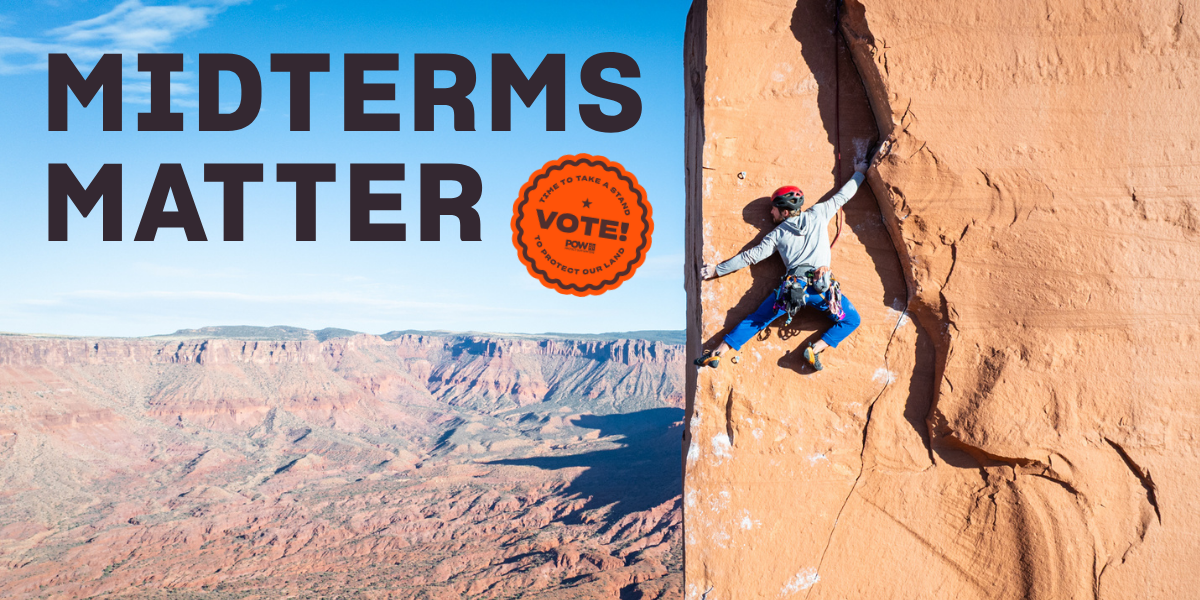
As the 2026 cycle progresses, the focus will remain on the efficacy of this mobilization. If the outdoor community can demonstrate the same level of discipline and preparation at the polls as they do in the mountains, the potential for policy change is significant. The "crimp"—a reference to the small, precise handhold in rock climbing—serves as an apt metaphor for the voter’s role in the democratic process: it is the small point of contact that, when executed with precision and strength, allows for the successful completion of an otherwise impossible ascent.
Ultimately, the 2026 midterms will test whether the collective voice of the outdoor community can be transformed into a consistent political force. With the stakes for clean water, clean air, and protected wild spaces at an all-time high, the effort to "Shift Who Decides" is not merely an act of political advocacy—it is, in the eyes of many, an essential component of protecting the American wilderness for future generations.

