
If your summer outdoor excursions have begun to feel less like recreation and more like an exercise in endurance, the data suggests your perception aligns with a profound meteorological shift. Across the globe, heat waves are becoming more frequent, more intense, and significantly longer in duration. What was once considered an occasional mid-summer anomaly has evolved into a persistent climatic hazard, challenging the infrastructure of our cities and the safety of our natural spaces.
To understand the mechanics behind this escalating trend, it is necessary to examine the atmospheric systems driving these events. Will Stikeleather, a Boston-based meteorologist and atmospheric scientist, notes that while the colloquial term for these events is simple, the science is complex. The National Oceanic and Atmospheric Administration (NOAA) broadly defines a heat wave as a period of two or more days of abnormally high temperatures. However, meteorologists argue this definition often overlooks the critical role of humidity, which exacerbates physiological heat stress.
The Mechanics of the Heat Dome
At the heart of most extreme heat events is the "heat dome"—a large, high-pressure system in the upper atmosphere that traps heat over a specific geographic region. As high pressure forces air downward, the air compresses and warms, leading to a rise in surface temperatures. This system acts as a stagnant atmospheric lid, rotating air in a way that can pull in additional moisture or heat from surrounding areas, depending on the wind patterns.

When these high-pressure systems stall due to "blocking patterns" in the jet stream, the result is an atmospheric traffic jam. A notable historical example occurred in the Pacific Northwest and British Columbia in June and July of 2021, where a trapped heat dome sent temperatures soaring past 115°F. These blocking patterns are increasingly recognized as a signature of a shifting climate, where the typical, fast-moving flow of the upper atmosphere becomes "wavier" and more prone to stagnation.
Chronology and Frequency of Escalation
The shift toward more frequent and severe heat events is not a recent discovery, but rather a long-term trend captured by longitudinal data. Since 1895, the contiguous United States has experienced an average warming of approximately 2°F. While this figure may appear modest, it represents a significant shift in the baseline temperature, effectively lowering the threshold for what constitutes an extreme event.
According to NOAA data, the frequency of heat waves in the United States has nearly tripled since the 1960s. Perhaps more concerning is the expansion of the "heat wave season." Historically, extreme heat was concentrated in the height of mid-summer; however, the window between the first and last heat wave of the year has more than doubled, stretching from roughly 25 days to approximately 70 days. This elongation means that regions are now susceptible to extreme heat well into the spring and late autumn.
The Attribution of Climate Change
Scientific consensus, reinforced by the Intergovernmental Panel on Climate Change (IPCC), identifies climate change as the primary driver behind these trends. The Sixth Assessment Report (IPCC6) states that it is "virtually certain" that human-induced climate change has increased the frequency and severity of warm temperature extremes globally.

The 2021 Western Canada heat wave serves as a stark case study in attribution. Climate models suggest that such an event was historically a "one-in-1,000-year" occurrence. With the warming experienced between 1850 and the present, the event was made approximately 2°C hotter than it would have been in a pre-industrial climate. Similarly, European heat waves have seen a marked increase in intensity. A study by World Weather Attribution concluded that the record-breaking temperatures experienced in Europe in 2026 were 3.5°C higher than the peak temperatures of 1976, which was then the benchmark for extreme summer heat.
Geographical Vulnerabilities and Humidity
The impact of a heat wave is rarely uniform; geography and local environmental factors play a decisive role in how heat is experienced. The East Coast of the United States, for instance, faces a dual threat: high temperatures compounded by high humidity. As sea surface temperatures rise, the rate of evaporation increases, fueling higher humidity levels that migrate inland.
This combination of heat and moisture is measured using the Wet Bulb Global Temperature (WBGT), which provides a more accurate picture of how the environment affects human physiology. In June 2026, 45% of urban areas across Western Europe set new WBGT records. Because the atmosphere can hold approximately 7% more moisture for every 1°C of warming, scientists expect these records to continue to fall as humidity and temperature rise in tandem.
Urban Heat Islands and Nighttime Recovery
Cities present a unique challenge due to the urban heat island effect. Concrete, asphalt, and steel absorb solar radiation during the day and re-radiate it slowly at night. In rural areas, vegetation cools the environment through evapotranspiration, but in dense urban centers, these natural cooling processes are absent.
The lack of nighttime cooling is a significant public health concern. The human body requires lower nighttime temperatures to recover from daytime heat stress. When overnight lows remain elevated, the cumulative health toll on vulnerable populations—including the elderly, those with underlying health conditions, and outdoor laborers—increases substantially.
Broader Implications for Ecosystems and Infrastructure
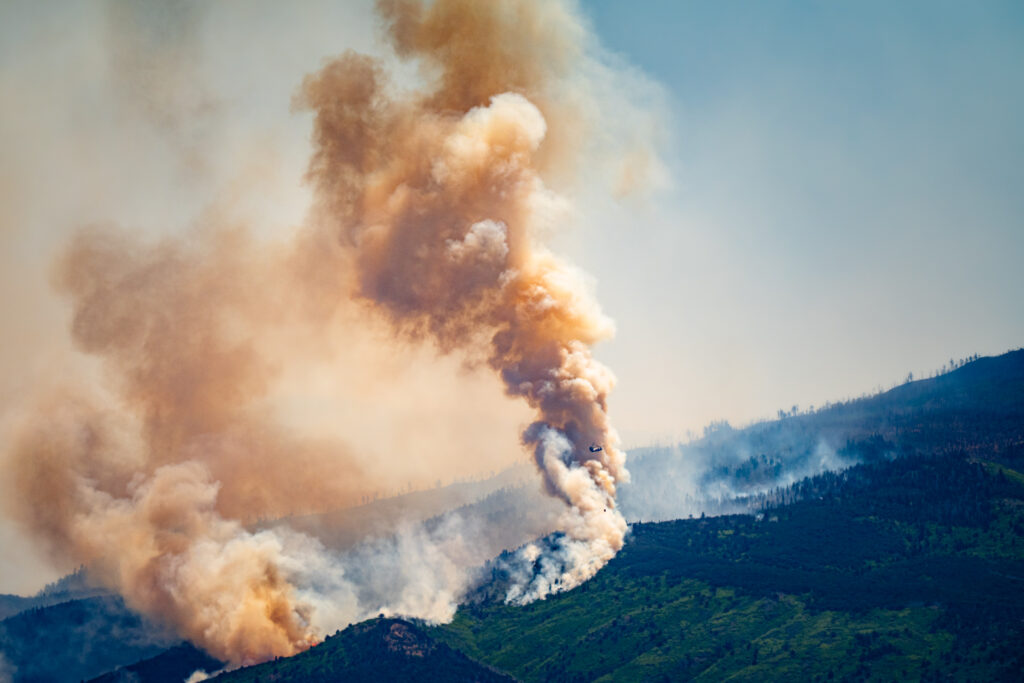
The cascading effects of extreme heat extend far beyond individual discomfort. Drought conditions, often triggered by prolonged heat domes, lead to dried-out vegetation, which in turn acts as fuel for wildfires. This year, the Pacific Northwest saw vegetation "cure" or dry out weeks earlier than historical averages, significantly extending the wildfire season.
Infrastructure, including the power grid, is also being tested. As reliance on air conditioning grows, the resulting strain on electrical grids creates a feedback loop: increased energy consumption often requires more fossil fuel combustion, which releases more greenhouse gases, thereby further warming the planet.
Pathways Toward Resilience
While the meteorological trends are sobering, the shift toward local resilience is already underway. From the installation of rooftop solar arrays to the formation of community-led energy cooperatives, local organizations are beginning to prioritize infrastructure that is both sustainable and capable of withstanding extreme conditions.
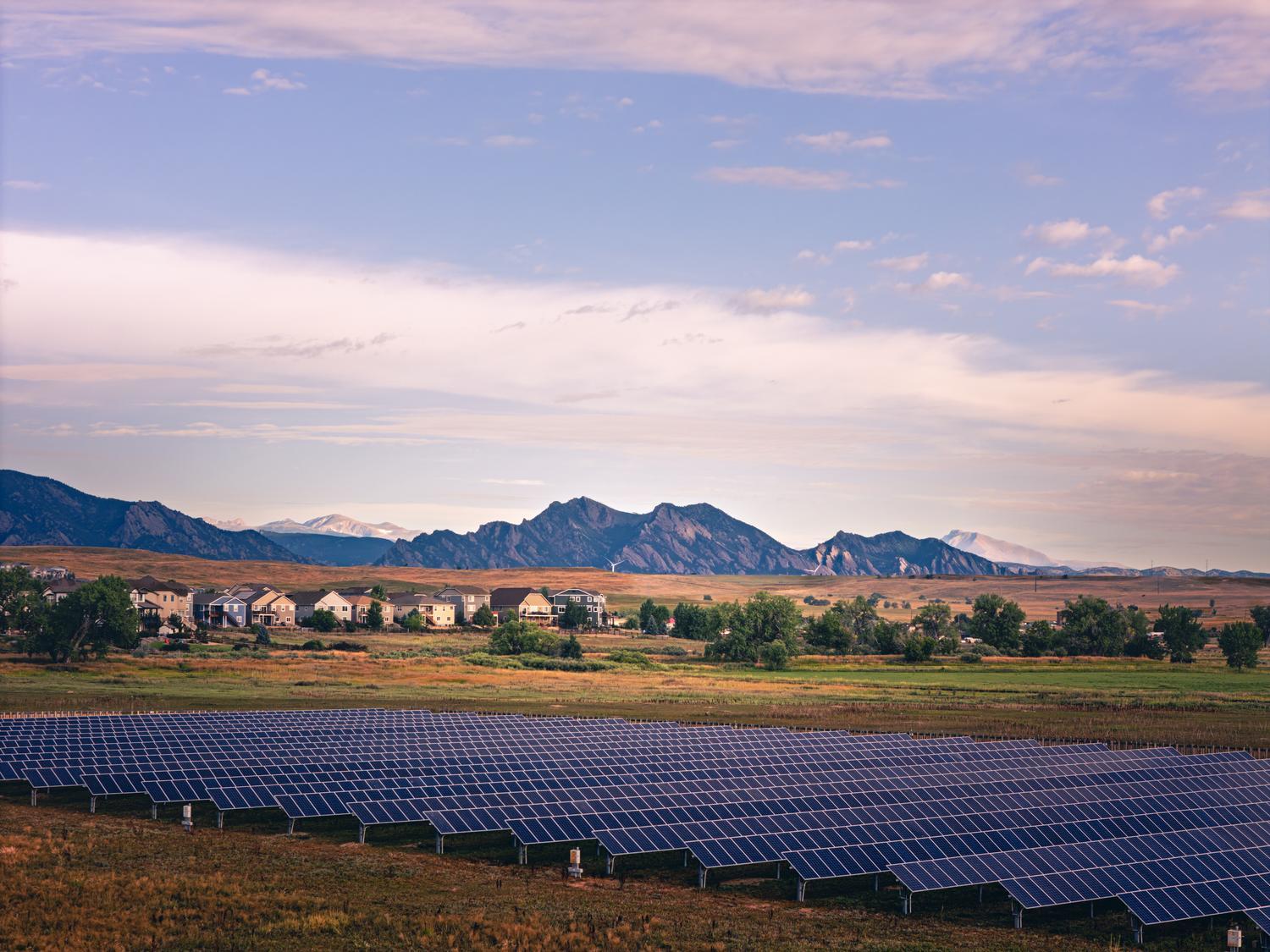
Experts suggest that addressing the crisis requires a two-pronged approach: mitigation and adaptation. Mitigation involves transitioning to renewable energy sources to reduce the greenhouse gas emissions that drive climate change at the source. Adaptation involves structural changes, such as increasing urban tree canopy coverage, upgrading building materials to be more reflective (increasing albedo), and implementing early-warning systems for vulnerable populations.
For those who rely on the outdoors for their physical and mental well-being, the current climate necessitates a change in strategy. Planning activities for the early morning, staying hydrated, and monitoring local WBGT indices are becoming essential skills for outdoor enthusiasts. As the climate continues to change, the ability to adapt to these new environmental parameters will be a defining feature of the next several decades.
The data is clear: the "sufferfest" of summer is not a transient inconvenience but a signal of a broader transformation. Whether this leads to a permanent decline in outdoor recreation or a new era of resilience depends largely on the speed at which global and local communities act to address the root causes of the warming trend. As of now, the message from the scientific community is a call to action—not just to endure the heat, but to dismantle the systems that continue to fuel it.

