
Despite the widespread misconception that alpine skiing is an effortless glide down a snowy slope, the reality of the sport demands extraordinary physical exertion, muscular resilience, and cardiovascular stamina. While a recreational skier might casually complete a few weekend runs without feeling the immense physiological toll, tackling demanding back bowls, steep moguls, and continuous top-to-bottom laps requires a foundation of rigorous physical conditioning. Elite ski racers and seasoned instructors alike know that preparing the body long before the first snowfall is the single most effective way to maximize performance, enhance mountain safety, and prevent debilitating injuries.
Renowned conditioning coach Chris Miller, whose career spans years of training elite international ski racers, emphasizes that true ski fitness transcends basic leg strength. Preparing the human body to withstand the relentless physical forces encountered on the mountain requires specialized training methodologies designed to build not only raw muscle power, but also sustained muscular endurance under extreme fatigue. This specialized attribute is known as power endurance—the critical physiological bridge between explosive strength and long-term stamina.
Understanding Power Endurance in Alpine Skiing
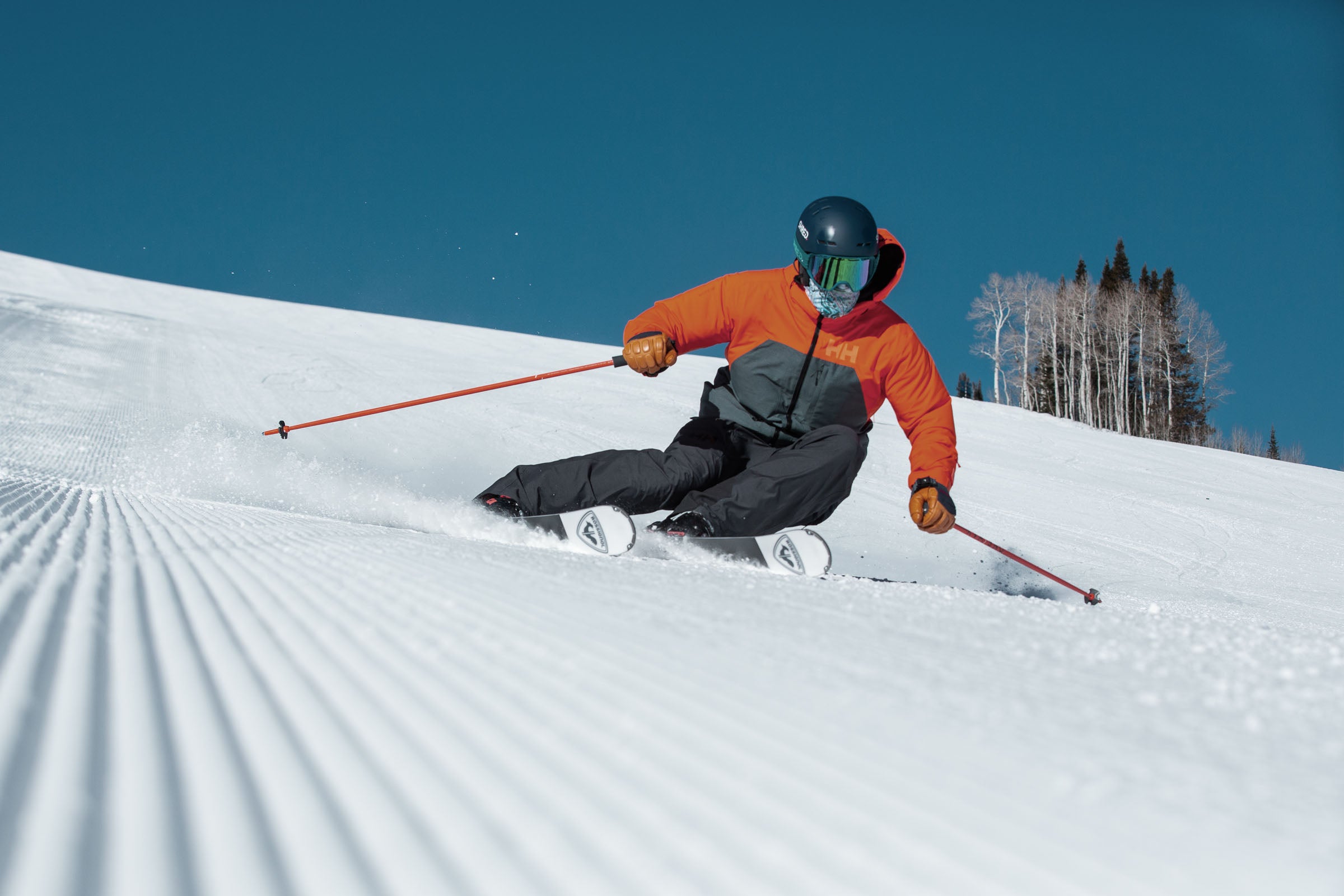
On the slopes, every single turn, carved arc, and sudden absorption of undulating terrain demands rapid, high-intensity muscular contractions. Skiers must continuously engage their quadriceps, hamstrings, glutes, and core stabilizers to maintain control, generate speed, and navigate unpredictable snow conditions over the course of hours. However, the true challenge of alpine skiing lies in repeatability. A skier cannot simply execute one powerful turn; they must repeat those explosive movements thousands of times in a single day, from the initial morning lift opening to the final afternoon descent.
Without targeted power endurance, muscular fatigue sets in rapidly. As lactic acid accumulates and energy reserves deplete, physical form begins to deteriorate. Skiers experience slower reaction times, compromised balance, and sloppy technique, which dramatically increases the probability of knee ligament tears, ankle sprains, and other severe alpine injuries. By incorporating dedicated power endurance training—such as plyometric circuits, jump squats, and high-intensity interval routines—into a pre-season fitness regimen, athletes can significantly delay the onset of fatigue. This ensures pristine technical execution, longer days on the mountain, and a vastly reduced risk of trauma.
The Evolution of Pre-Season Ski Conditioning
Historically, pre-season preparation for winter sports was limited to basic jogging and generic calisthenics, leaving many skiers unprepared for the unique lateral and eccentric loading demands of alpine environments. Over the past two decades, sports science and kinesiology have revolutionized how athletes train for winter sports. Coaches like Miller have pioneered integrated dry-land training programs that accurately replicate the biomechanical stressors of skiing.
The integration of structured pre-season boot camps has become a cornerstone for competitive organizations and dedicated recreational clubs alike. Modern training philosophies focus heavily on neuromuscular coordination, dynamic core stability, and multi-planar movement patterns. This scientific shift acknowledges that skiing is not a linear sport; it requires rapid transitions between flexion and extension, demanding robust stabilizing mechanisms within the hips, spine, and lower extremities.
Comprehensive Training Routine for Peak Winter Performance
To help skiers of all abilities prepare their bodies for the upcoming season, experts have curated an easy-to-follow, highly efficient power endurance workout. Designed to be performed at home with minimal equipment, this program systematically targets the exact muscle groups utilized during a demanding day on the mountain.
Cardio Warm-Up and Mobility Foundation

Before diving into high-intensity power circuits, athletes must prime their cardiovascular systems and mobilize their joints to prevent injury and enhance movement efficiency. A proper warm-up increases core body temperature, lubricates synovial joints, and activates the central nervous system.
The foundation of the routine begins with the Quadruped Series, executed for approximately six repetitions per side. This sequence establishes baseline stability through the shoulders and hips while engaging the deep stabilizing muscles of the spine. Following the quadruped movements, practitioners transition into a Lunge Series, performing two repetitions per side to dynamically stretch the hip flexors, quads, and adductors. The warm-up concludes with a Dynamic Series consisting of six repetitions per side, designed to elevate the heart rate and prepare the neuromuscular pathways for explosive multi-directional movements.
Power Circuit No. 1: Lower Body Explosiveness
The first primary circuit focuses exclusively on the lower extremities, developing the explosive power required to stomp landings, carve through heavy snow, and absorb aggressive moguls. Utilizing a targeted sandbag series, this block requires athletes to cycle through four distinct exercises with zero rest between individual movements, followed by a mandatory 45-second recovery period between complete sets.
Exercises within this lower-body circuit emphasize unilateral stability and explosive lateral translation. Movements such as skater hops and weighted sandbag squats simulate the continuous lateral weight-shifting inherent in alpine turning. By demanding high force output while the body is under metabolic stress, this circuit directly trains the power endurance threshold of the quadriceps, glutes, and calves.
Power Circuit No. 2: Core and Trunk Stabilization

While powerful legs are essential, a strong and stable core acts as the transmission belt that transfers power from the lower body to the upper body, ensuring balance and posture over the skis. The second power circuit centers entirely on anti-movement trunk stability, utilizing exercises like the dead bug and dynamic plank variations.
Athletes complete three demanding sets of anti-movement core exercises, resting 45 to 60 seconds between each set to allow for adequate adenosine triphosphate (ATP) resynthesis. Anti-movement training teaches the abdominal and lumbar musculature to resist unwanted spinal rotation, flexion, and extension when external forces—such as high-speed turns or unexpected terrain bumps—attempt to knock the skier off balance.
Broader Impact and Implications for the Ski Industry
The growing emphasis on structured pre-season conditioning has profound implications for the broader ski industry, impacting everything from resort safety statistics to the longevity of recreational participants. Industry data consistently indicates that a significant percentage of ski-related injuries occur during the first few days of the winter season, frequently attributed to poor physical preparation and sudden muscular fatigue.
Sports medicine professionals and resort safety patrols have long advocated for proactive physical conditioning programs. When skiers invest time in pre-season routines that prioritize power endurance, the overall incidence of fatigue-related wipeouts decreases. Furthermore, improved physical conditioning enhances the consumer experience; skiers who possess superior stamina are able to enjoy full days on the mountain without suffering from excessive delayed onset muscle soreness (DOMS) or premature exhaustion.
As winter approaches, athletes ranging from elite racers to casual weekend enthusiasts are increasingly turning to digital training guides, instructional videos, and professional coaching regimens to optimize their physical readiness. By dedicating just a few weeks to targeted power endurance training, skiers can transform their physical capabilities, ensuring a safer, stronger, and vastly more exhilarating season on the slopes.

