
The physical toll of elite alpine sports has long been accepted as an inevitable trade-off for outdoor enthusiasts, but emerging sports science suggests that targeted strength conditioning can mitigate decades of musculoskeletal wear. Newton’s third law of physics dictates that every action carries an equal and opposite reaction; in the context of professional and recreational skiing, the euphoric highs of deep-powder descents frequently manifest years later as chronic joint pain, muscular imbalances, and debilitating spinal stress. Industry data indicates that a significant percentage of lifelong skiers begin experiencing persistent lower back and extremity discomfort by their early thirties, a phenomenon traditionally managed through passive therapies such as yoga, chiropractic adjustment, and massage. However, sports medicine specialists and physical conditioning experts are increasingly pointing toward structured weight training as a primary preventative intervention, reframing resistance exercise not merely as a bodybuilder’s pursuit, but as a clinical necessity for mountain sport longevity.
Main Facts and the Anatomical Reality of Skiing
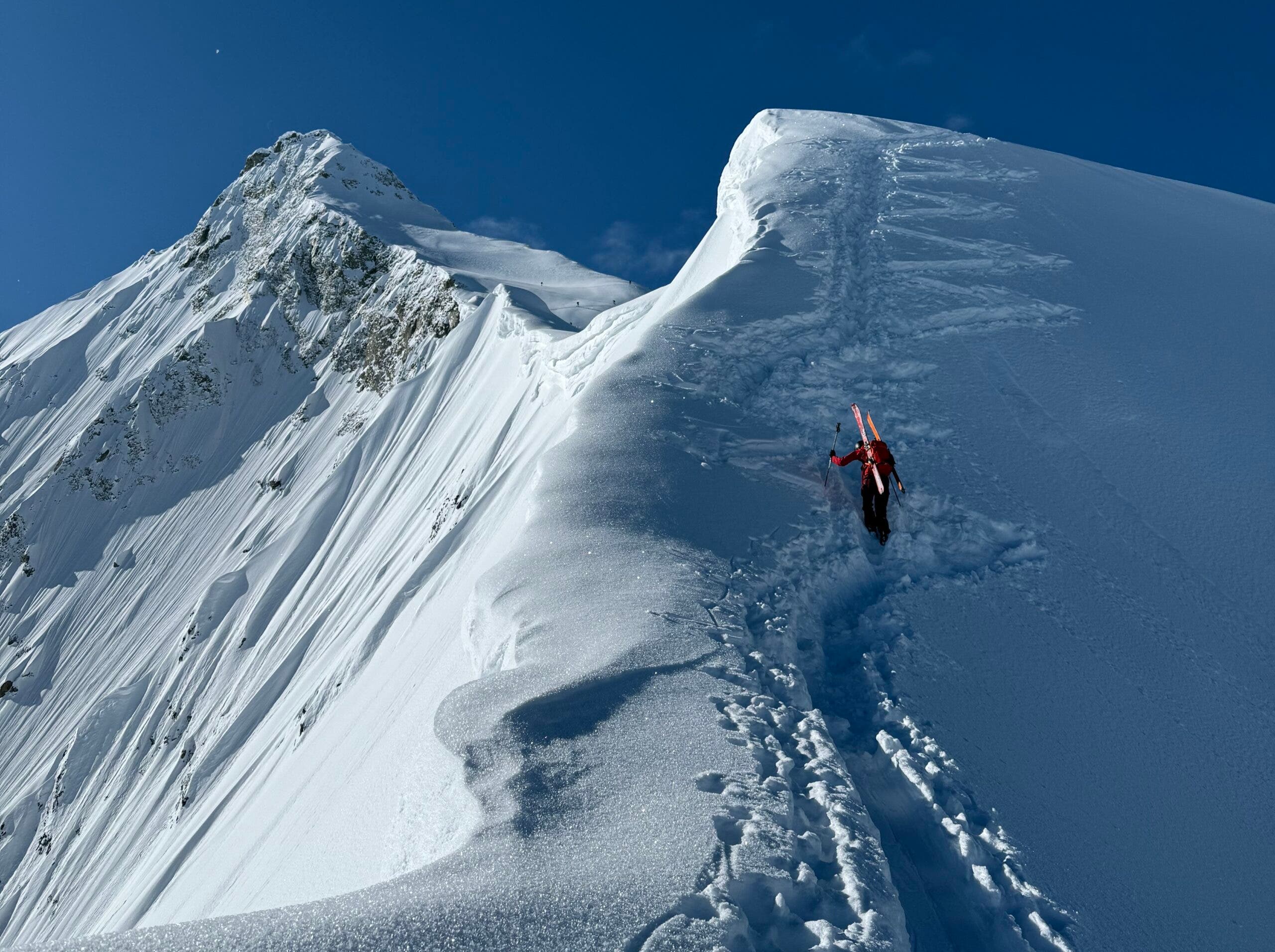
Biomechanically, skiing places unique and unnatural demands on the human skeletal system. The sport requires rapid, high-load rotational movements of the upper body while the lower back absorbs continuous shock without adequate structural stabilization from the gluteal muscles. According to physical conditioning professionals, the average human anatomy—particularly in an era dominated by sedentary desk jobs—is fundamentally unevolved for the extreme lateral forces and eccentric contractions inherent to alpine skiing.
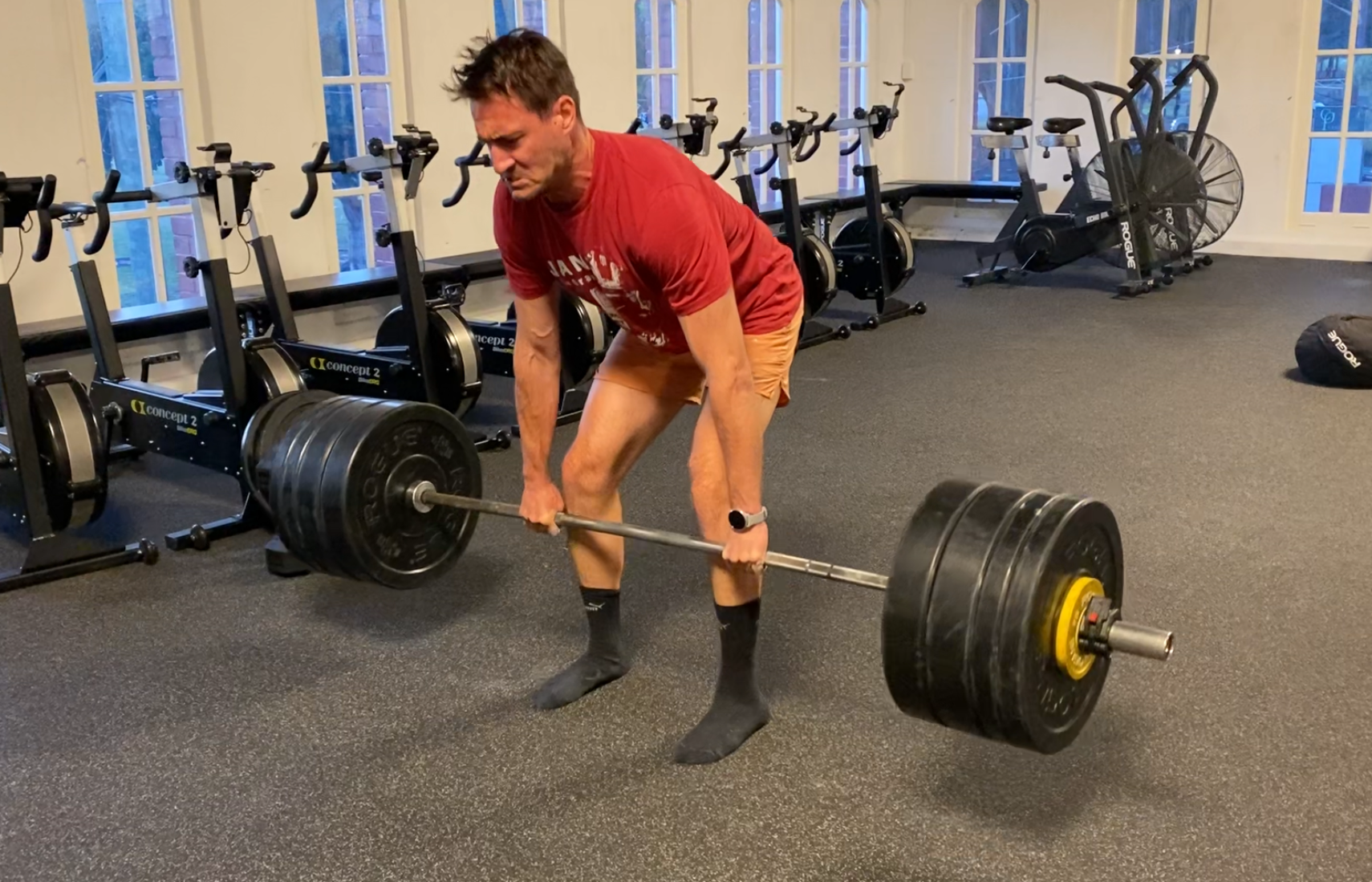
Franco Morris, Head of Program Delivery at a Sydney-based athletic facility, emphasizes that genetic predispositions and modern sedentary lifestyles compound these vulnerabilities. As individuals age, muscular tissue naturally loses its elasticity and responsiveness, elevating the risk of acute strains, ligament tears, and chronic inflammatory conditions. For many athletes, this culminates in severe lumbar strain or acute back spasms—pathologies that frequently sideline participants during peak seasons and threaten long-term physical mobility. Traditional interventions like stretching, foam rolling, and core isolation exercises often fail to address the root cause of these issues: deep-seated posterior chain weakness and intermuscular imbalances.
Chronology of a Paradigm Shift in Ski Conditioning
For decades, the standard protocol for ski preparation revolved around cardiovascular endurance, high-repetition bodyweight circuits, and passive recovery. Enthusiasts with over a thousand days on the mountain routinely accumulated years of chronic lower back stiffness, hip soreness, and localized joint degradation, treating these symptoms as standard occupational hazards.
The turning point for many athletes occurs when passive management strategies fail, forcing a transition toward active load-bearing resistance routines. Over the past several years, a growing cohort of skiers has integrated barbell and kettlebell mechanics into their weekly schedules. Rather than focusing on aesthetic or "glamour" muscle groups—such as the chest, biceps, and superficial abdominals—this new conditioning paradigm prioritizes the posterior chain, encompassing the hamstrings, glutes, lower back, and calves. By shifting the physiological focus toward controlled, multi-joint resistance movements, athletes have reported a dramatic reduction in chronic pain within twelve to eighteen months of consistent programming.

Supporting Data and Physiological Implications
Clinical observations from sports therapists underscore the multifaceted benefits of resistance training for endurance-focused mountain athletes. Beyond merely correcting muscular asymmetries, progressive overload stimulates osteoblast activity, thereby increasing bone mineral density and reinforcing the skeletal scaffolding against high-impact trauma.
Furthermore, data from strength and conditioning coaches highlight the efficacy of volume-focused resistance work over maximal lifting capacity. Skiers operate primarily as endurance athletes navigating variable terrain over extended periods; consequently, training protocols emphasizing moderate weight with higher repetitions—such as sets of ten at sixty percent of a one-rep maximum—yield superior functional outcomes. This approach builds localized muscular endurance and enhances joint stability without adding superfluous upper-body mass that could compromise balance and agility on steep slopes.
Key movements frequently cited in clinical and athletic conditioning protocols include:
- Barbell Deadlifts: Engage the entire posterior chain, fostering direct neural and muscular recruitment from the calves to the upper back.
- Kettlebell Swings: Utilize explosive hip-hinge mechanics to train power generation through the glutes rather than the lower back or arms.
- Barbell Hip Thrusts: Isolate the gluteal complex, providing essential foundational support for the lumbar spine during rotational maneuvers.
- Weighted Step-Ups: Replicate unilateral stability demands encountered during single-ski weighting phases on uneven terrain.
Official Responses and Expert Perspectives
Sports medicine practitioners and strength coaches widely endorse the integration of structured resistance training, emphasizing that professional guidance is critical to avoid compounding existing injuries. Working with qualified trainers ensures proper biomechanical execution, particularly during complex compound lifts where poor form can exacerbate spinal compression.
"We are not evolved for what we do, whether that’s skateboarding, skiing, or sitting," notes Morris. He highlights that targeted resistance exercise acts as a biological buffer against aging. "Building muscle promotes bone density, as well as adding cushioning tissue around bones. Most people have so much room for improvement that they can counter the effects of aging for a long time."
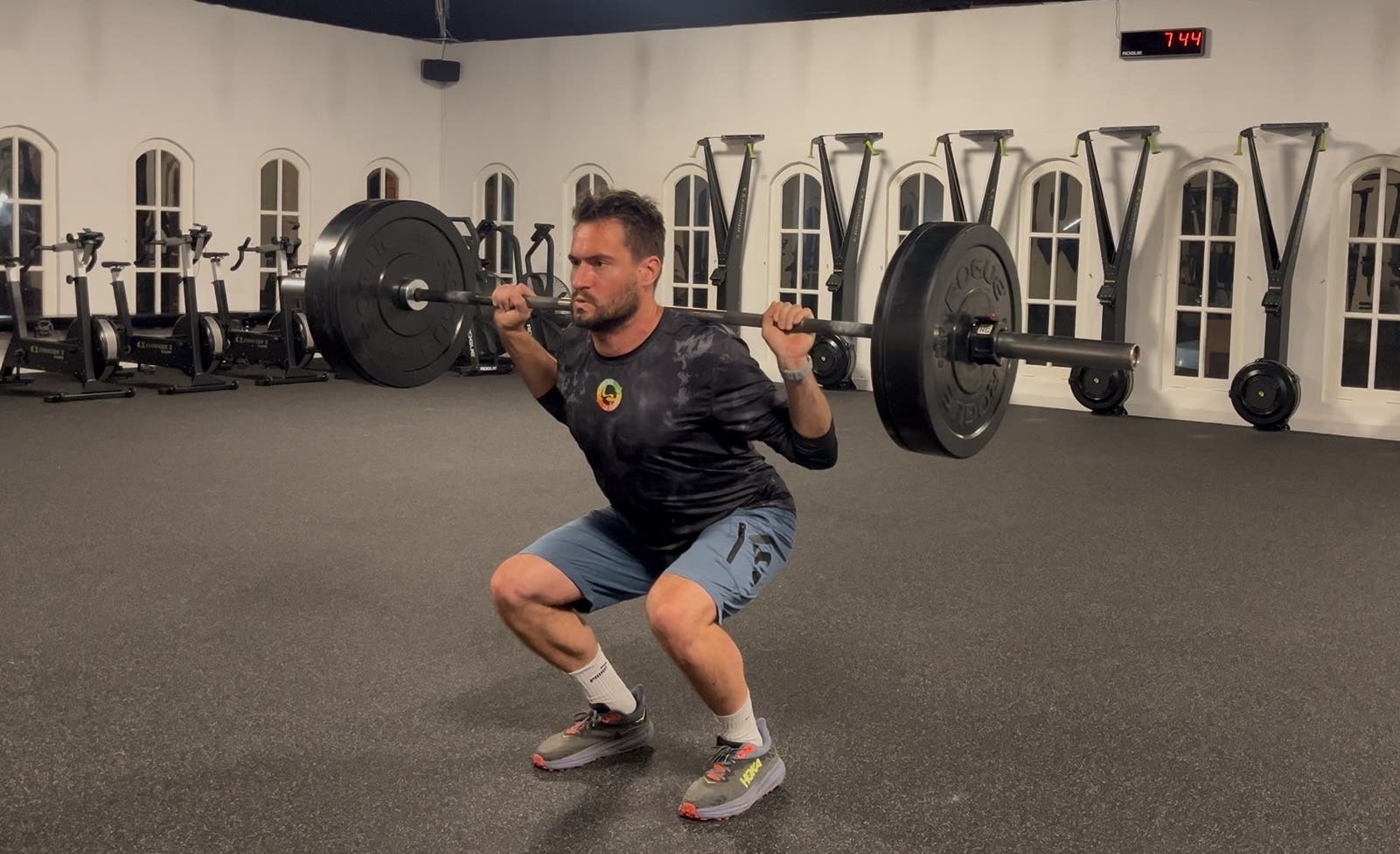
Experts stress that while group training models and community-based fitness classes have democratized access to professional coaching—making specialized instruction financially viable for the average recreational athlete—individualized adjustments remain paramount. Exercises that traditionally dominate ski conditioning, such as heavy back squats, must be carefully weighed against their potential to aggravate pre-existing lumbar sensitivities.
Broader Impact and Industry Implications
The growing adoption of heavy resistance training among skiers signals a broader cultural shift within mountain sports culture. Historically characterized by a laissez-faire attitude toward physical preparation, the ski community is increasingly adopting the rigorous recovery and conditioning standards historically reserved for elite professional disciplines.
This shift carries significant implications for the broader snowsports industry. As participants embrace proactive strength regimens, the average athletic lifespan of recreational skiers is extending well into middle age and beyond. By treating physical conditioning as a non-negotiable component of mountain readiness, athletes are successfully mitigating the long-term physiological costs of their sport, ensuring that the pursuit of alpine recreation can remain a lifelong endeavor rather than a temporary chapter curtailed by preventable injury.

