
The approach to ski-season preparation has long been plagued by last-minute fitness panics, with enthusiasts attempting to cram months of conditioning into the fleeting weeks before the first snowfall. However, orthopedic surgeons and sports medicine specialists emphasize that effective preparation for alpine skiing is a continuous, year-round endeavor. According to Dr. Kevin Stone, a former U.S. Ski Team physician and orthopedic surgeon at The Stone Clinic in San Francisco, the ideal conditioning window begins immediately following the conclusion of the previous winter season. This philosophy shifts the paradigm from isolated, pre-season workouts to maintaining a baseline of total-body fitness throughout the entire year.
Main Facts and Core Philosophy of Off-Season Training
Alpine skiing places extraordinary demands on the human musculoskeletal system, requiring a unique combination of strength, endurance, balance, and dynamic agility. Historically, fitness regimens prescribed for skiers focused heavily on rigid, sport-specific movements performed exclusively in the months leading up to winter. Modern sports science, however, advocates for a more integrated approach.
Dr. Stone notes that the most effective off-season training regimen is one that an individual finds enjoyable and sustainable. Rather than forcing year-round lateral ski jumps and dynamic squats, athletes are encouraged to maintain cardiovascular and muscular health through activities they genuinely prefer, such as cycling, running, or general gym-based conditioning. The primary objective is to preserve the quad strength, core stability, and cardiovascular endurance developed during the ski season, thereby preventing athletes from starting their preparation phase at zero when autumn arrives.
For those who arrive at the pre-season window without an active off-season routine, targeted interventions remain effective. The fundamental building block of ski fitness continues to be the dynamic squat. Performing squats with lateral variations replicates the unpredictable terrain shifts skiers encounter on the mountain, preparing the joints and muscle groups for rapid absorption of physical impact.
The Chronology of Ski Preparation and Injury Prevention
A structured timeline for alpine skiing safety and performance spans across four distinct phases: the post-season recovery, the off-season maintenance period, the immediate pre-season conditioning phase, and the active winter season.
During the post-season phase—typically spanning spring and early summer—athletes are advised to address any lingering minor injuries, rest overworked joints, and transition into diverse cardiovascular activities. This prevents burnout and maintains baseline fitness without overstressing ski-specific muscle memory.
Throughout the off-season, which covers summer and early autumn, the focus shifts to community-driven or enjoyable physical activities. Studies in sports psychology consistently indicate that training performed in groups or through enjoyable recreational pursuits yields higher adherence rates than solitary, monotonous routines.
As November approaches, the immediate pre-season phase begins. This is when athletes should integrate dynamic, multi-planar movements into their exercise routines. Focusing on agility drills, core stability, and lower-body endurance during these final weeks helps bridge the gap between general fitness and the specific demands of carving down a mountain.
Finally, the winter season itself demands vigilance not only in physical execution but also in equipment management and cognitive alertness.
The Critical Role of Cognitive Focus and Mental Preparedness
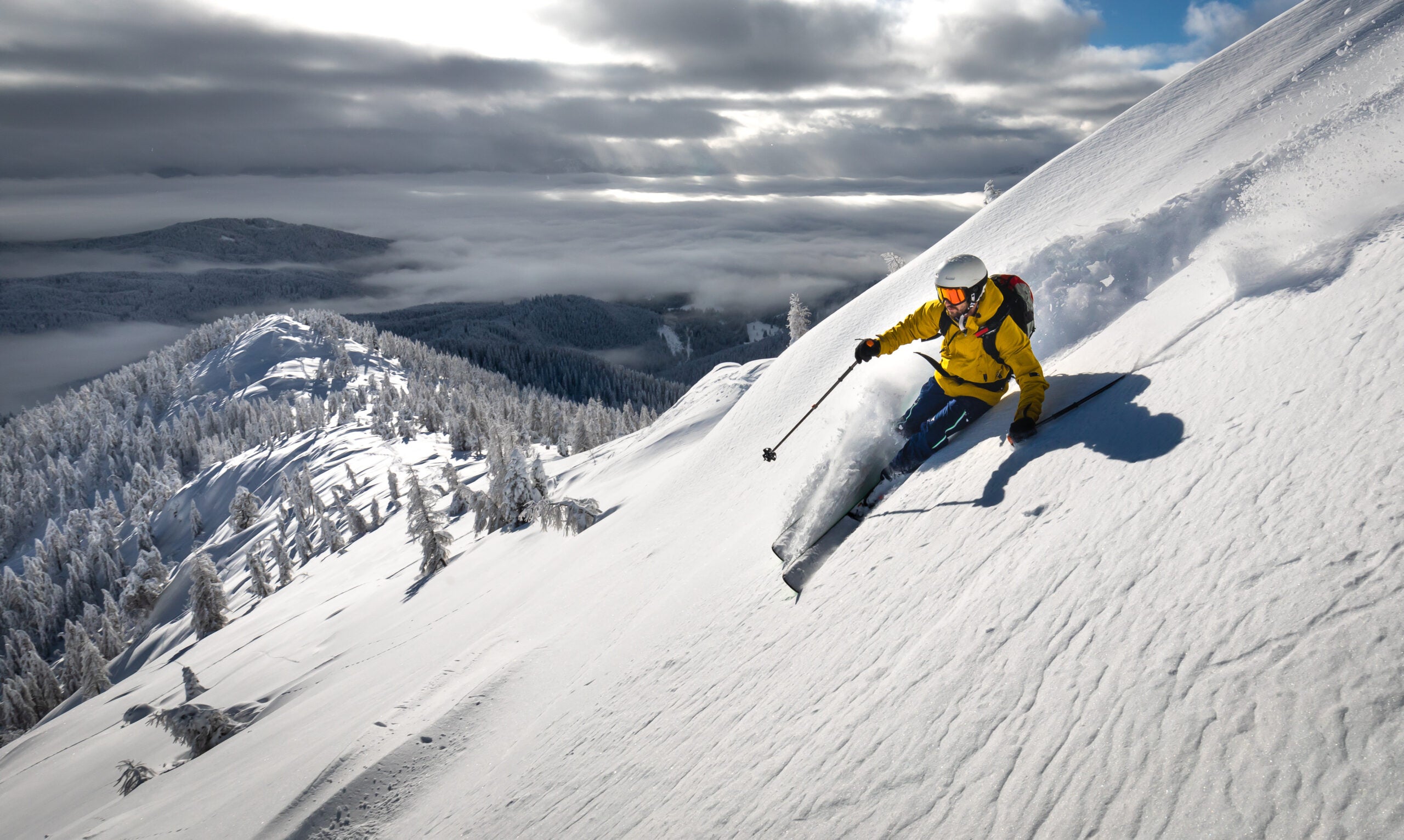
Beyond physical conditioning, sports medicine data underscores the significant role that mental fatigue plays in alpine injuries. Dr. Stone highlights that an overwhelming majority of patients report a distinct internal sense that "something was off" immediately preceding an accident.
Unlike contact sports where external collisions cause trauma, skiing injuries frequently stem from momentary lapses in concentration. Whether an athlete is distracted by external thoughts, fatigue, or social interactions on the chairlift, a breakdown in mental focus directly impairs neuromuscular control. Muscle strength alone is insufficient to protect joints if the brain fails to coordinate appropriate stabilization responses in real time. Consequently, maintaining situational awareness on the slopes is recognized as a critical safety protocol, often superseding raw physical power in preventing catastrophic knee and shoulder trauma.
Technological Advancements in Ski Gear and Safety
Equipment evolution has fundamentally altered the safety landscape of modern skiing. Decades ago, ski gear was heavily rigid, prioritizing strict mechanical control at the expense of comfort and joint health. Today, advancements in manufacturing technology have yielded safer, more ergonomic equipment.
Outdated notions regarding ski boots—specifically the belief that skiers must endure severe discomfort and rigid stiffness to achieve optimal performance—have been largely debunked. Modern manufacturing allows for boots that offer appropriate flex, enabling athletes to utilize their ankles and knees fluidly during turns. According to industry analyses, approximately 90 percent of recreational skiers benefit significantly from softer, better-fitting boots that reduce localized joint stress and enhance overall control. Similarly, contemporary bindings and skis incorporate release mechanisms and vibration-dampening materials that drastically lower the incidence of high-impact lower-extremity injuries compared to legacy equipment from previous decades.
Demographic-Specific Injury Patterns and Medical Interventions
Injury profiles among skiers typically divide along demographic lines, requiring tailored medical approaches for younger populations versus older enthusiasts.
Younger Skiers and Acute Trauma
Younger athletes participating in alpine sports frequently present with acute structural trauma, most notably anterior cruciate ligament (ACL) tears, meniscus damage, shoulder dislocations, and rotator cuff injuries. Medical consensus emphasizes the necessity of early, accurate diagnoses through comprehensive physical examinations, X-rays, and magnetic resonance imaging (MRI). Dr. Stone points out a reliable clinical indicator: when a skier reports twisting the knee accompanied by an audible pop and rapid swelling, there is a ninety percent statistical probability of a structural tear within the joint. When surgical reconstruction is required, modern orthopedic preferences often lean toward donor tissue over autografts harvested from the patient’s patellar tendon or hamstrings, thereby preserving the structural integrity of the surrounding musculature.
Older Skiers and Degenerative Joint Management
Conversely, older populations frequently navigate degenerative conditions such as knee and hip osteoarthritis. Rather than defaulting immediately to invasive total joint replacements, contemporary sports medicine utilizes advanced regenerative therapies. Intra-articular injections involving hyaluronic acid (viscosupplementation) and platelet-rich plasma (PRP) have demonstrated profound efficacy in managing chronic joint pain. These biological treatments leverage the body’s natural growth factors to lubricate worn joints and reduce inflammation, allowing individuals with advanced joint wear to maintain an active lifestyle well into their later decades.
Broader Impact and Implications for the Ski Industry
The ongoing evolution in ski conditioning, medical technology, and equipment design carries broad economic and cultural implications for the global winter sports industry. As resorts experience shifting demographic trends with an aging yet increasingly active population of older skiers, the demand for preventative healthcare, advanced rehabilitation protocols, and customized gear fittings continues to expand.
Furthermore, the shift from punitive, high-intensity pre-season bootcamps to sustainable, enjoyment-focused off-season fitness models reflects a broader cultural movement toward lifelong wellness and injury mitigation. By treating preparation as a year-round lifestyle choice rather than a seasonal obligation, athletes can extend their participation longevity, reduce the burden on healthcare systems, and sustain participation in alpine sports with minimized risk of long-term disability.

