
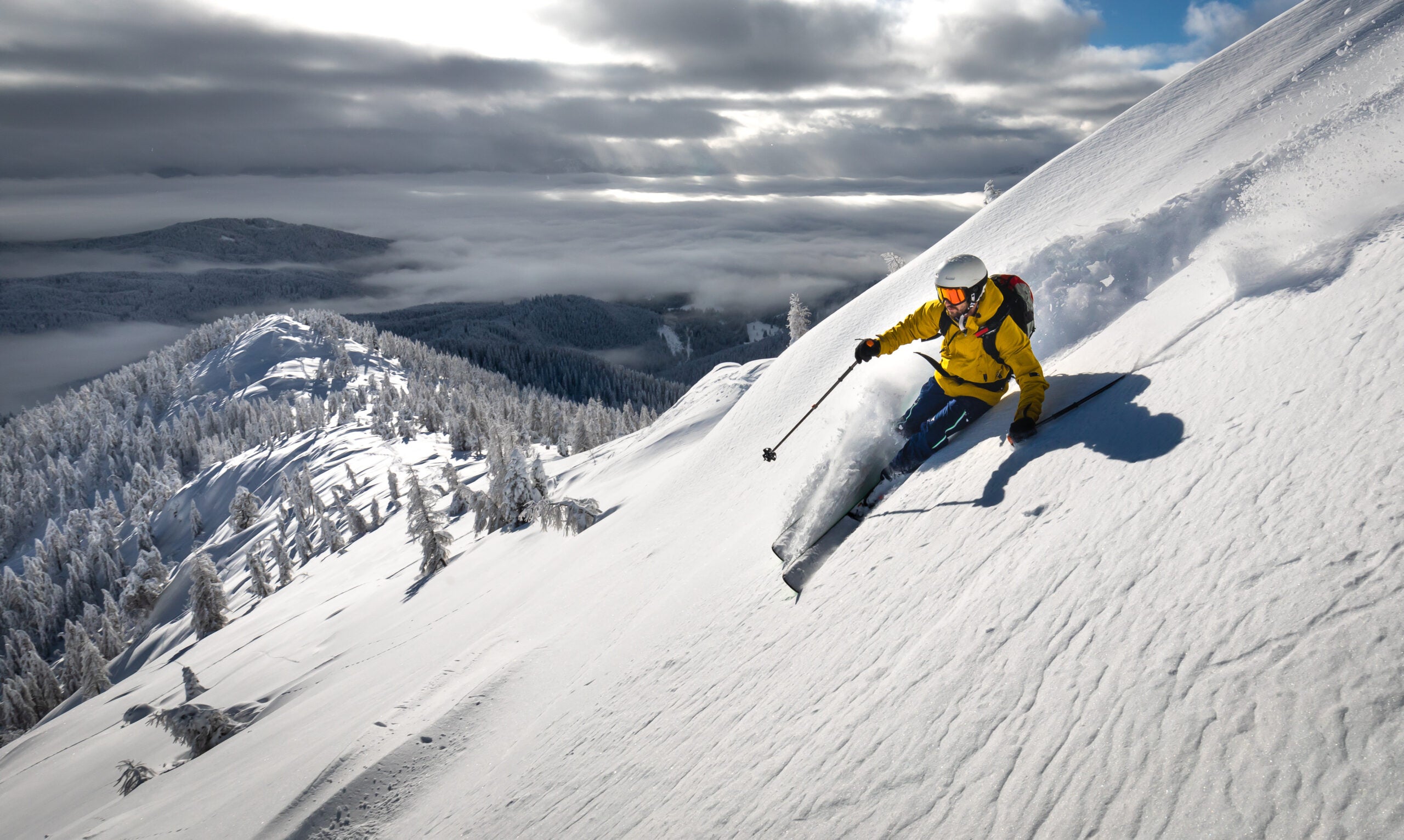
With the arrival of winter weather, millions of outdoor enthusiasts turn their attention toward the mountains, dusting off equipment and rushing to condition their bodies for the physical demands of downhill skiing. However, orthopedic specialists and sports medicine professionals emphasize that adequate preparation for the ski season cannot be accomplished through last-minute routines initiated just weeks or days before hitting the slopes. According to Dr. Kevin Stone, a prominent orthopedic surgeon and former U.S. Ski Team physician practicing at The Stone Clinic in San Francisco, effective ski conditioning is a continuous, year-round endeavor that ideally begins the moment the previous winter season concludes.
The transition from off-season inactivity to high-velocity mountain sports frequently exposes unprepared bodies to severe physical stress. While recreational skiers often scramble to build quad strength and core stability late in the autumn months, sports science indicates that maintaining baseline cardiovascular and muscular fitness year-round serves as the primary defense against season-ending injuries. Modern sports medicine has evolved away from rigid, sport-specific isolation exercises, favoring instead a holistic approach to total-body fitness that emphasizes accessibility, enjoyment, and consistency.
The Evolution of Off-Season Conditioning and Total Body Fitness
For decades, conventional wisdom dictated that pre-season training must mimic the exact mechanical movements of skiing through lateral ski jumps, plyometrics, and specialized balance board exercises. While these movements remain valuable, contemporary orthopedic guidelines prioritize sustainability above all else. Dr. Stone notes that the most effective off-season training regimen is simply one that an athlete will consistently perform and genuinely enjoy.
Rather than enduring monotonous gym routines dedicated exclusively to ski preparation, athletes are encouraged to engage in diverse physical activities such as cycling, long-distance running, swimming, or team sports. The primary objective is to preserve the cardiovascular endurance and muscular tone established during the winter months, preventing a complete regression to a sedentary baseline by the time November arrives. Furthermore, studies in sports psychology indicate adherence rates increase significantly when conditioning programs incorporate social elements, such as group training sessions or recreational club sports, ensuring that athletes remain physically engaged throughout the spring, summer, and autumn months.
Dynamic Movement and the Enduring Value of the Squat
For individuals whose off-season preparation fell short of ideal standards and who face imminent ski trips, targeted interventions can still mitigate risk. Orthopedic specialists stress the importance of dynamic movement to prepare joints and connective tissue for the unpredictable terrain transitions encountered on modern mountainsides.
The foundational exercise for alpine skiing remains the dynamic squat. Biomechanical analyses confirm that performing multi-directional and dynamic squats efficiently recruits the quadriceps, glutes, and core muscles required to absorb shocks and maintain edge control on varying snow surfaces. Unlike static weightlifting, dynamic variations simulate the rapid load-bearing shifts necessary when navigating moguls, powder, or hard-packed groomed trails. Incorporating these functional movements into a short-term pre-trip routine can significantly improve neuromuscular coordination, reducing the likelihood of fatigue-induced mechanical failures on the slopes.
The Critical Role of Mental Focus in Injury Prevention
While physical conditioning is essential, empirical data from orthopedic clinics suggests that muscular strength alone is insufficient to protect joints from trauma. A predominant factor in ski-related injuries involves cognitive lapses rather than pure physical exhaustion. According to data compiled from elite ski racing teams and recreational clinics, the vast majority of acute injuries are preceded by a distinct mental distraction.
Skiers frequently report experiencing a subjective sense that "something was off" immediately prior to a fall. These incidents commonly occur when athletes divert their attention away from the immediate task of descending the mountain—such as anticipating lunch, managing interpersonal dynamics, or becoming complacent on familiar terrain. Because skiing demands continuous real-time decision-making at high velocities, maintaining absolute cognitive engagement is paramount. Bridging the gap between physical readiness and mental presence remains one of the most effective strategies for preserving joint health throughout the winter.
Technological Advancements in Modern Ski Equipment
Beyond physical and mental preparation, advances in equipment technology have fundamentally altered the safety landscape of alpine skiing. Historically, gear was viewed secondary to physical conditioning, and skiers were often encouraged to endure rigid, uncomfortable equipment to maximize performance. Contemporary research demonstrates that utilizing outdated skis, bindings, or boots substantially increases the risk of severe trauma.
Modern engineering has revolutionized ski boot design. Modern manufacturing allows for softer, more ergonomically forgiving boot shells that accommodate natural ankle and knee flexion. Orthopedic experts note that approximately 90 percent of recreational skiers benefit significantly from softer-flexing boots, which allow for better pressure distribution and precise edge engagement without subjecting the lower extremities to excessive, rigid stress. Similarly, modern binding release mechanisms and shaped skis have drastically reduced the incidence of traditional tibial shaft fractures, shifting the injury profile toward soft tissue trauma.
Clinical Analysis of Common Ski Injuries
Despite advancements in training and equipment, alpine skiing remains an inherently high-risk sport characterized by significant rotational and linear forces acting upon the human body. Among younger skiers and snowboarders, acute trauma frequently results in severe ligamentous and cartilaginous damage.
The most prevalent injuries documented in clinical settings include:
- Anterior Cruciate Ligament (ACL) tears
- Meniscal cartilage damage
- Glenohumeral (shoulder) dislocations
- Rotator cuff tears
Sports medicine specialists emphasize the necessity of rapid, comprehensive diagnostic evaluations following any acute trauma. Classic presentation indicators—such as experiencing an audible pop, subsequent joint swelling, and immediate instability following a rotational knee twist—carry a predictive accuracy exceeding 90 percent for underlying structural damage. Thorough diagnostic protocols typically mandate physical examinations supplemented by advanced imaging, including magnetic resonance imaging (MRI) and radiographs, to establish precise treatment pathways.
When surgical reconstruction is required, particularly for ACL injuries, modern orthopedic preferences increasingly lean toward allograft (donor) tissue transplantation over autografts harvested from the patient’s own patellar or hamstring tendons. Utilizing donor tissue avoids introducing donor-site morbidity to an already compromised limb, preserving baseline muscle flexibility and accelerating functional recovery timelines. Furthermore, specialists strongly advise patients to seek out orthopedic surgeons who actively participate in mountain sports, ensuring the clinician possesses a comprehensive understanding of the specific biomechanical demands placed upon the recovering joint.
Innovations in Managing Osteoarthritis for Aging Skiers
While acute trauma predominantly affects younger demographics, aging populations encounter distinct physiological challenges, most notably knee osteoarthritis. Historically, advanced joint degeneration often mandated early cessation of athletic pursuits or immediate total joint replacement surgery. However, modern regenerative medicine has introduced viable alternatives that allow mature athletes to maintain active lifestyles well into their later decades.
Recent advancements in intra-articular injections have transformed the management of osteoarthritic joints. Therapies utilizing hyaluronic acid-based lubricants and platelet-rich plasma (PRP) growth factors harness the body’s intrinsic healing capabilities, effectively reducing friction and inflammation within worn-out compartments. Clinical observations indicate that these minimally invasive interventions frequently provide sufficient pain relief and functional restoration to successfully bridge patients through multiple consecutive winter seasons, delaying or entirely avoiding the need for invasive arthroplasty.
Broader Implications and the Road to Recovery
The enduring appeal of alpine skiing persists despite its inherent physical risks. For dedicated enthusiasts, the psychological draw of the mountains remains an integral component of outdoor recreation. Consequently, sports medicine professionals view acute injuries not merely as catastrophic setbacks, but as pivotal educational milestones.
Clinical data suggests that individuals who experience a sports-related injury frequently return to the activity fitter, faster, and stronger than their pre-injury baseline. The psychological impact of rehabilitation provides powerful intrinsic motivation, compelling athletes to address pre-existing fitness deficits, refine their technical execution, and prioritize mental vigilance. By integrating comprehensive year-round conditioning, utilizing modern equipment, and respecting the physiological limits of the human body, skiers can successfully navigate the winter season while minimizing the incidence of debilitating injuries.

