
As the winter season approaches and the annual SKI Test concludes at Solitude Mountain Resort, the focus for enthusiasts and professionals alike has shifted from equipment selection to physical preparation. While the industry frequently highlights the technical advancements in carving skis and alpine boots, veteran coaches and sports scientists emphasize that the most critical component of a successful season is the athlete’s physiological readiness. Skiing, despite being a gravity-assisted sport, places extraordinary demands on the human body, requiring a specific blend of explosive strength and sustained stamina known as power endurance. This discipline is the primary focus of a new training methodology developed by elite coach Chris Miller, designed to transition skiers from off-season conditioning to mountain-ready performance.
The Definition and Necessity of Power Endurance in Alpine Sports
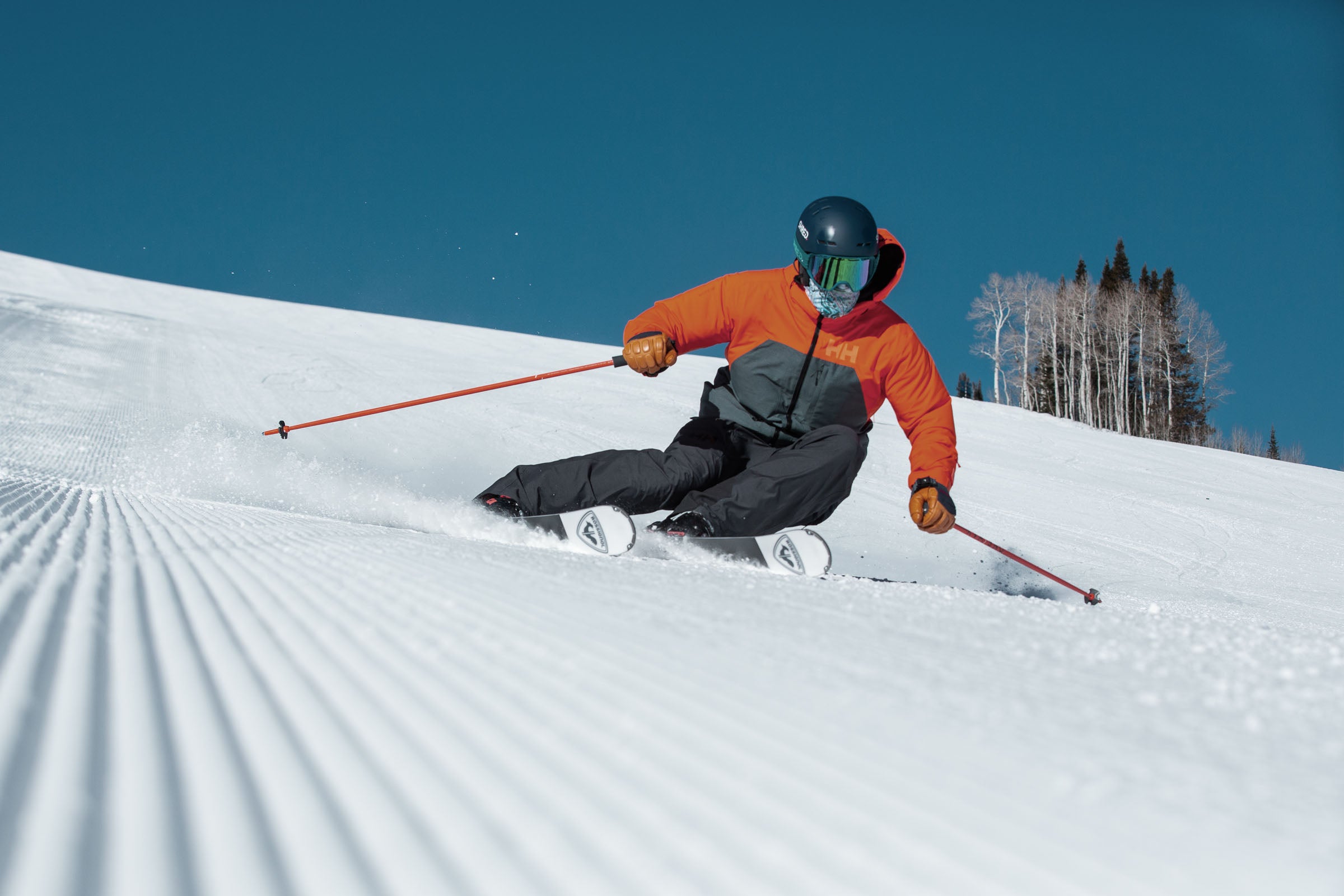
Power endurance is defined in sports science as the ability to maintain a high level of power output over an extended period. In the context of alpine skiing, this translates to the capacity to execute precise, high-force turns from the top of a run to the bottom without a degradation in form. While raw strength allows a skier to hold an edge on icy "pristine corduroy," it is power endurance that ensures the skier can repeat that effort across thirty or forty turns in a single descent.
According to data from sports medicine clinics specializing in winter sports, a significant percentage of non-contact skiing injuries occur after 2:00 PM. This "fatigue window" coincides with the depletion of muscular glycogen and the failure of power endurance. When the legs lose their ability to absorb terrain and stabilize the core, the load shifts from the muscles to the ligaments, dramatically increasing the risk of ACL tears and meniscus damage. By prioritizing power endurance, skiers are not only enhancing their performance but are implementing a vital injury-prevention strategy.
The Evolutionary Context of Ski Fitness
The philosophy of ski training has undergone a radical transformation over the last two decades. In the late 20th century, pre-season preparation often focused heavily on static leg strength, such as wall-sits and heavy barbell squats. However, as the "carving revolution" changed ski geometry, the physical requirements of the sport evolved. Modern skis allow for higher edge angles and greater centrifugal forces, demanding better lateral stability and more dynamic core engagement.
Coach Chris Miller, who has spent years training world-class ski racers, notes that true ski fitness must mirror the "chaotic" nature of the mountain. Unlike a controlled gym environment, skiing involves constant micro-adjustments in balance. Miller’s approach moves away from isolated muscle training toward integrated movement patterns. The timeline for this preparation typically begins twelve weeks before the first snowfall, starting with a base of general hypertrophy and culminating in the high-intensity power endurance circuits currently being utilized by professional teams.
Detailed Breakdown of the Power Endurance Circuit
The workout regimen proposed for the 2024-2025 season is structured into three distinct phases: the Quadruped Series for mobility and neurological activation, the Leg Circuit for explosive lateral power, and the Trunk Circuit for "anti-movement" stability.
Phase I: The Quadruped and Dynamic Warmup
The initial phase of the workout is designed to prime the central nervous system and address common mobility restrictions in the hips and thoracic spine. This series is performed in a quadruped position (on all fours), focusing on:

- Quadruped Series: Six repetitions on each side. These movements facilitate hip dissociation—the ability to move the legs independently of the pelvis—which is crucial for maintaining a stable upper body while the lower body tracks through a turn.
- Lunge Series: Two repetitions on each side, emphasizing deep range of motion to prepare the joints for the deep flexed positions of mogul skiing.
- Dynamic Series: Six repetitions on each side. This incorporates movement to increase the heart rate and improve proprioception, or the body’s awareness of its position in space.
Phase II: The Leg Power Circuit
The core of the workout focuses on the "Sandbag Series" and "Skater Hops." The use of a sandbag is intentional; unlike a dumbbell or barbell, the weight in a sandbag shifts during movement, forcing the stabilizing muscles to work harder. This mimics the uneven pressure felt when skiing through variable snow conditions or "crud."
- Sandbag Series: This consists of four sets with no rest between exercises and a 45-second recovery between sets. This short recovery window is specifically designed to train the body to clear lactic acid quickly, a hallmark of power endurance training.
- Skater Hops: These plyometric movements are the most sport-specific element of the circuit. They require the athlete to explode laterally and land on a single leg, mirroring the weight transfer and edge-loading required in a high-speed carve.
Phase III: The Trunk and Anti-Movement Series
In modern skiing, the "trunk" or core does not just provide strength; it provides "anti-movement." This is the ability to resist being pulled out of position by external forces.
- Deadbug Series: This exercise trains the athlete to keep the spine neutral while the limbs are in motion.
- Anti-Movement Training: Consisting of three sets with 45 to 60 seconds of rest, these exercises focus on resisting rotation. On the slopes, this prevents "upper body rotation," a common technical error where the chest follows the skis, leading to a loss of edge pressure and control.
Industry Implications and Expert Analysis
The shift toward these sophisticated training modules has broader implications for the ski industry and resort management. Industry analysts suggest that better-conditioned skiers are more likely to purchase multi-day lift passes and invest in high-performance equipment. When a skier feels physically capable, their "perceived value" of a ski vacation increases, as they are able to utilize the mountain from "bell-to-bell"—opening to closing.
Furthermore, from a safety perspective, the adoption of power endurance programs could potentially lower the strain on mountain patrol and medical facilities. A report from the National Ski Areas Association (NSAA) has previously noted that "skier education and physical preparedness" are key pillars in reducing on-mountain incidents. By providing accessible, video-based tutorials like those offered by Miller, the industry is empowering the "weekend warrior" to train with the same scientific rigor as a competitive athlete.

Chronology of Pre-Season Preparation
For the optimal results, sports physiologists recommend the following timeline:
- September – October (Base Phase): Focus on general strength, flexibility, and aerobic capacity.
- October – November (Conversion Phase): Introduction of power endurance circuits, increasing intensity and decreasing rest periods.
- Late November (Maintenance Phase): Shifting to two sessions per week to allow for recovery as the actual skiing season begins.
The 2021-2022 SKI Test served as a reminder that even the best equipment cannot compensate for a lack of physical conditioning. As the industry moves into the 2025 season, the integration of professional-grade fitness programming into the mainstream skiing culture marks a significant step forward.
Conclusion: The Long-Term Impact on the Sport
The evolution of ski-specific training reflects a deeper understanding of human biomechanics and the specific rigors of the alpine environment. Power endurance is not merely a fitness metric; it is the foundation of modern skiing technique. By focusing on the ability to sustain high-intensity effort, skiers can ensure that their last run of the day is as safe and exhilarating as their first.
As Coach Chris Miller’s methodology becomes more widely adopted, the gap between professional racers and recreational enthusiasts continues to narrow—not necessarily in speed, but in the quality of the experience. The commitment to pre-season conditioning ensures that when the "pristine corduroy" beckons, the skier is not just ready to ride, but ready to dominate the terrain with stability, power, and control. This holistic approach to the sport, combining the best in gear with the best in physical preparation, defines the modern era of alpine excellence.

