
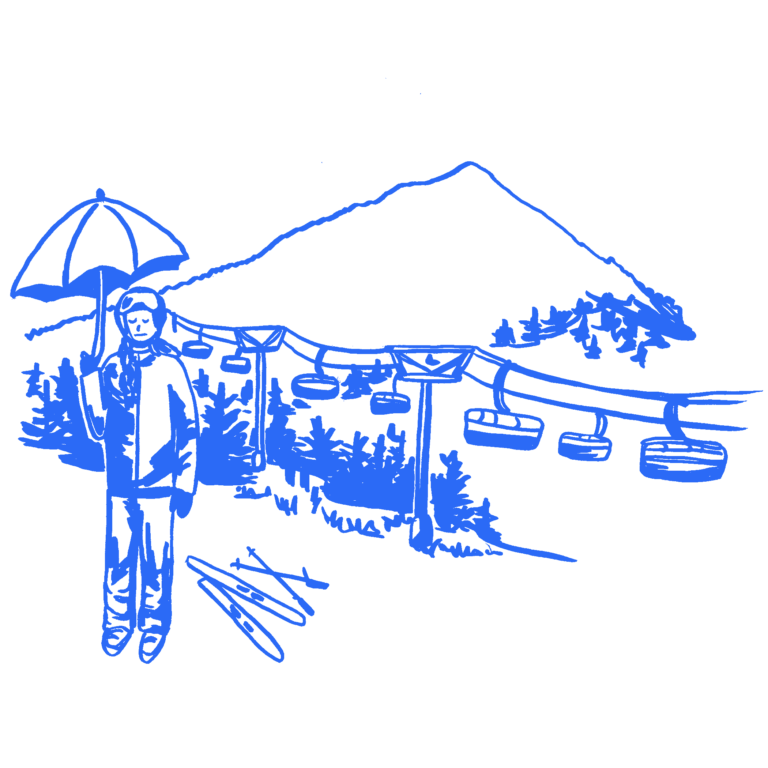
On winter mornings at high-altitude hubs like Turnagain Pass, Red Mountain, and Teton Pass, the ritual is consistent: lines of idling trucks, the smell of exhaust, and the quiet anticipation of the first descent. For the outdoor community, this daily routine is deeply tied to the precarious nature of the climate. The difference between a pristine powder day and a rain-soaked slope often hinges on a single degree of temperature variation. As global temperatures rise, the very landscapes that sustain a $1.3 trillion outdoor recreation economy are facing unprecedented threats from shifting weather patterns, wildfires, and reduced snowpack. This reality has catalyzed a significant shift within the outdoor sector, transforming a community of enthusiasts into a structured political force aimed at long-term climate mitigation.

The organization Protect Our Winters (POW), established in 2007 by professional snowboarder Jeremy Jones, serves as the primary engine for this movement. What began as a niche initiative to raise awareness among snow sports athletes has evolved into a comprehensive advocacy organization that bridges the gap between recreational passion and policy influence. The current strategy marks a departure from individualistic environmentalism, focusing instead on systemic change through legislative advocacy, grassroots organizing, and the strategic deployment of cultural influencers.
A Chronology of Climate Advocacy in the Outdoor Sector
The evolution of climate activism in the outdoor space can be traced through several key phases over the last two decades. In the early 2000s, environmental concerns within the industry were largely relegated to corporate sustainability initiatives—such as reducing carbon footprints in manufacturing or switching to sustainable packaging. However, by 2007, there was a recognized need for a dedicated political voice.
The founding of POW signaled the beginning of a transition from awareness to action. Throughout the 2010s, the organization focused on "climate literacy" among its base, utilizing professional athletes to explain the science of climate change to their fans. The strategy reached a turning point around 2016, coinciding with broader national political shifts. The organization realized that "lifestyle" marketing was insufficient; it required the mobilization of political will.
By 2020, the organization had expanded its scope beyond snow sports to include trail runners, climbers, and mountain bikers, recognizing that the entire outdoor recreation economy was under threat. The period from 2023 to 2026 has seen the most aggressive push to date, characterized by deep engagement in state-level regulatory hearings, such as the 2026 Montana Public Service Commission hearings, where outdoor advocates occupied a significant portion of the room to lobby for energy planning.

Supporting Data and Economic Implications
The argument for climate action within this sector is as much economic as it is ecological. The Outdoor Industry Association (OIA) has consistently reported that the outdoor recreation economy accounts for approximately 2.2% of the U.S. GDP. This massive economic footprint is highly sensitive to climate volatility.
Recent data suggests that the transition to a clean energy economy is not only possible but increasingly cost-effective. Solar power costs have plummeted by approximately 90% since 2010, making it a viable alternative to fossil-fuel-heavy energy grids. Furthermore, despite concerns about economic contraction during a green transition, the U.S. has maintained economic growth while simultaneously reducing its overall carbon output compared to 2010 levels.

In terms of direct impact, POW’s recent campaigns have demonstrated the efficacy of targeted mobilization. In 2025 and 2026 alone, the organization reported that its clean energy initiatives helped facilitate 297 megawatts (MW) of new renewable energy capacity. The group has set a target of 500 MW by the end of 2026, with a long-term goal of reaching one gigawatt (GW) of capacity by 2028. These metrics are achieved not by building the infrastructure itself, but by shifting the regulatory environment that allows such projects to break ground.
Building Political Will: The Role of the "Trusted Messenger"
A central tenet of the current movement is the concept of "norm shifting." Social scientists have long posited that behavior changes when it moves from a fringe activity to a societal standard. The outdoor industry is uniquely positioned to act as a "trusted messenger." Because professional athletes and outdoor personalities hold significant social currency, their endorsement of climate policy can break through the noise of traditional political rhetoric.

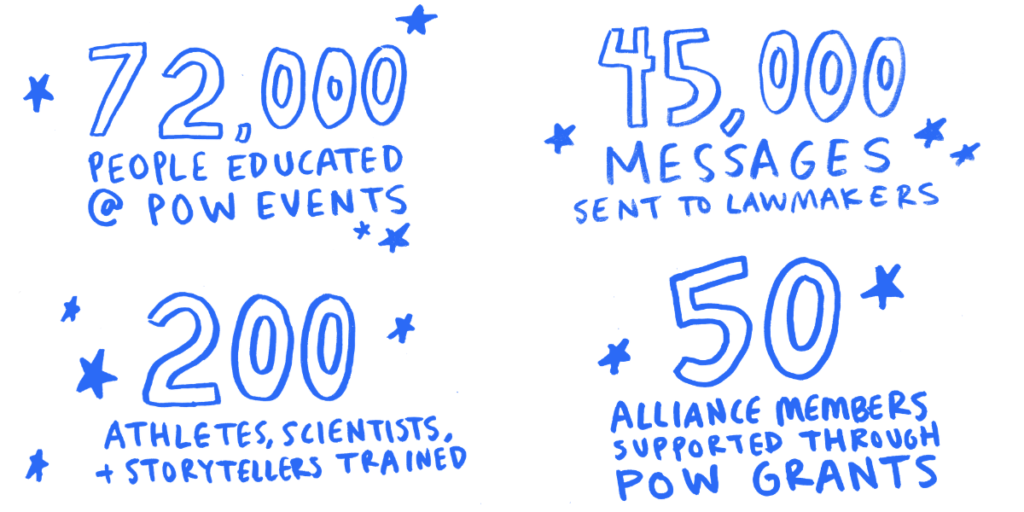
This strategy is evident in the organization’s approach to the 2026 election cycle and ongoing legislative lobbying. By training 200 athletes and storytellers to act as advocates, POW has been able to generate 36 million impressions for its climate stories. These figures represent a shift in the "window of possible action," where topics like carbon taxation and renewable energy grid integration are moved from partisan talking points to necessary steps for the preservation of a multi-trillion-dollar industry.
Defending Public Lands and Shifting Infrastructure
The organization’s current operational model rests on three distinct pillars: defense of public lands, the construction of clean energy infrastructure, and the reform of decision-making processes.
- Defending Public Lands: Public lands are the primary infrastructure of the outdoor industry. Advocacy efforts have focused on blocking fossil fuel extraction in sensitive regions such as the Arctic National Wildlife Refuge and Bear’s Ears. By framing these lands as essential carbon sinks, the organization has successfully integrated conservationism with climate science.
- Building What We Need: The energy transition requires physical changes to the power grid. Through community-led efforts in states like Nevada, Colorado, and Montana, advocates are pushing for the inclusion of wind and solar resources. The 93% share of new electricity capacity held by wind, solar, and batteries in the last year underscores that the technology is ready; the primary barrier remains the regulatory approval process.
- Shifting Who Decides: The final pillar is voter mobilization. With over 7.5 million people reached during the last federal election cycle, the focus is on converting recreational interest into civic participation. The strategy involves translating complex technical data—such as resource planning documents—into actionable information for outdoor enthusiasts who may not otherwise engage with local commissions or town halls.
The Broader Impact and Future Outlook
The implications of this shift extend beyond the preservation of a hobby. By aligning the outdoor industry with the broader decarbonization movement, these groups are forcing a dialogue between traditional industry stakeholders and environmental policymakers. While the oil and gas industry maintains a massive lobbying apparatus, the outdoor sector offers a counter-narrative based on the tangible, lived experience of climate change.
Critics often point to the inherent contradictions in the outdoor industry, such as the carbon footprint of travel to remote locations or the manufacturing processes for technical gear. However, the movement’s leadership acknowledges these imperfections, arguing that individual guilt is a secondary concern to systemic change. The focus is on policy-driven decarbonization rather than personal lifestyle modification.

As the 2026 calendar progresses, the focus of this movement will remain on the intersection of grassroots advocacy and national policy. The goal is to ensure that when the next generation of skiers, climbers, and runners reaches the trailhead, the environment they inhabit remains stable.
Ultimately, the movement represents a maturing of the outdoor community. It is no longer satisfied with merely enjoying the benefits of the natural world; it is attempting to participate in the political processes that determine the future of the planet. Whether this strategy will be sufficient to counter the influence of established energy interests remains a subject of intense debate, but the trajectory suggests that the outdoor industry is committed to a long-term, systemic challenge. The "new normal" is not just about changing how we recreate, but about how we advocate for the systems that support the winters we hope to pass on to the future.

