
Long before data-driven biometrics, heart rate variability (HRV) monitors, and automated recovery pods became mainstream staples in elite athletics, freestyle skiing icon Jonny Moseley was already quietly revolutionizing how athletes train, strain, and recover. Backed by a meticulous regimen of biometric tracking, performance journaling, and strategic physical cycling, Moseley transformed the landscape of winter sports. Today, decades after capturing the gold medal at the 1998 Nagano Winter Olympics, the legendary skier continues to champion the intersection of advanced wellness, dynamic mobility, and longevity, aligning with high-end communities like Velvaere in Deer Valley, Utah, to explore the future of human performance.
The 1998 Nagano Breakthrough and the Science of Pacing
In the late 1990s, freestyle skiing was viewed through a traditional, rigid lens. However, the stakes were extraordinarily high for competitors who faced the reality of the Olympic cycle—a grueling four-year wait for a single opportunity to perform on the world stage. Recognizing the immense psychological and physical toll of this framework, Moseley and his coaching staff instituted a revolutionary training philosophy.
Rather than relying purely on high-intensity output, Moseley introduced a systematic approach to strain and recovery. He began rigorously tracking his resting heart rate, journaling his daily athletic output, and evaluating second-day muscle soreness to determine the exact threshold of peak performance. This data-driven methodology allowed him to time his physical peak precisely with the competition calendar.
The strategy yielded immediate dividends. Moseley dominated the international circuit by winning the first two World Cup events of the 1998 season. He carried this momentum into the Nagano Olympics, where he clinched the gold medal in the moguls event by introducing a groundbreaking "new-school" aesthetic. By incorporating a snowboard-style safety grab into his 360-degree spin—a maneuver previously unseen in elite moguls competition—Moseley forever altered the technical and creative boundaries of freeskiing.
Evolution of Athletic Recovery and High-Tech Wellness
The tools that gave elite competitors an edge in the late 20th century have since evolved dramatically. When the first commercial heart rate monitor was introduced in 1982, its application was rudimentary. It was not until the 1990s that sports scientists fully understood the implications of tracking cardiovascular metrics and aerobic capacities like VO2 max.
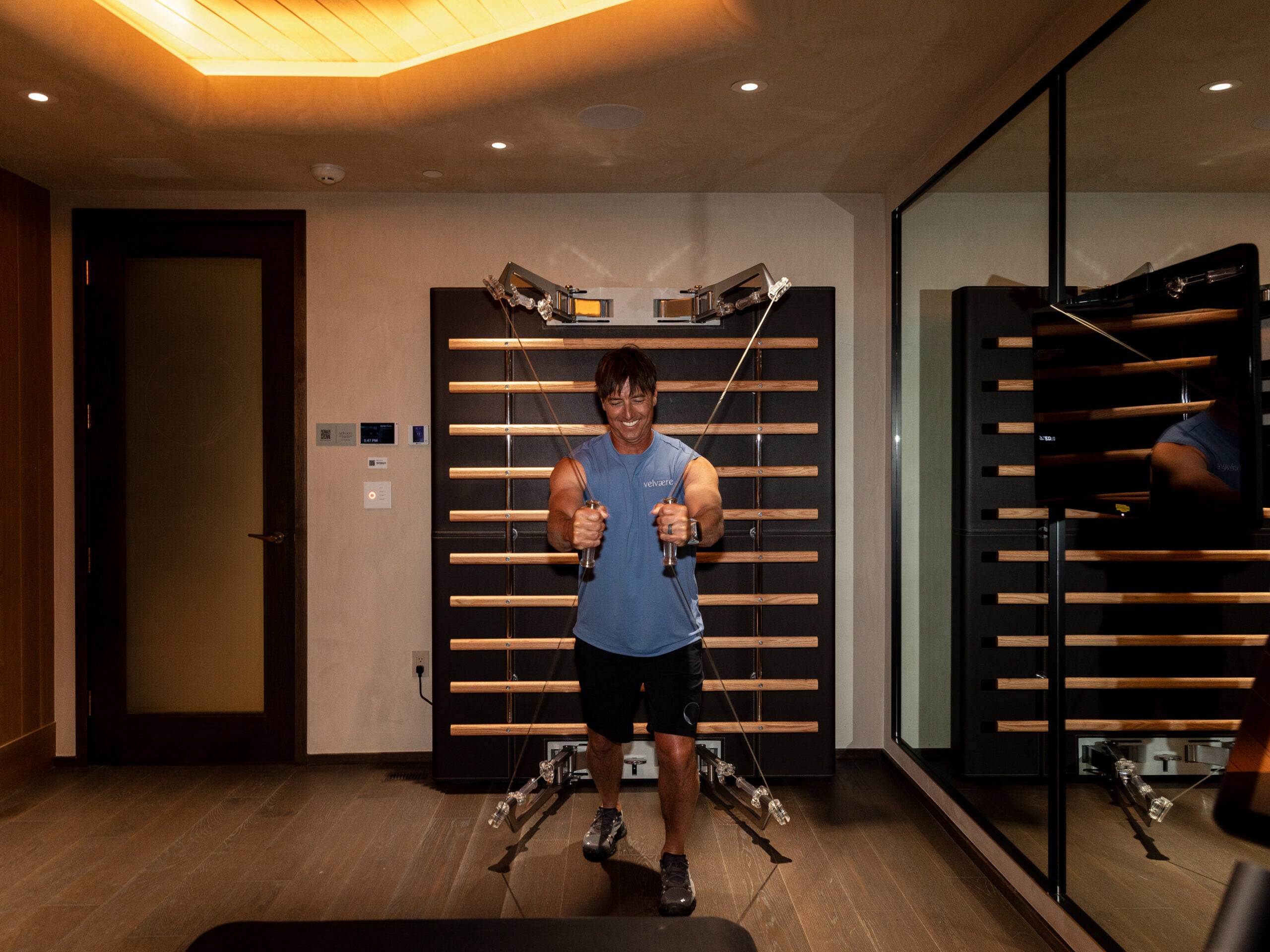
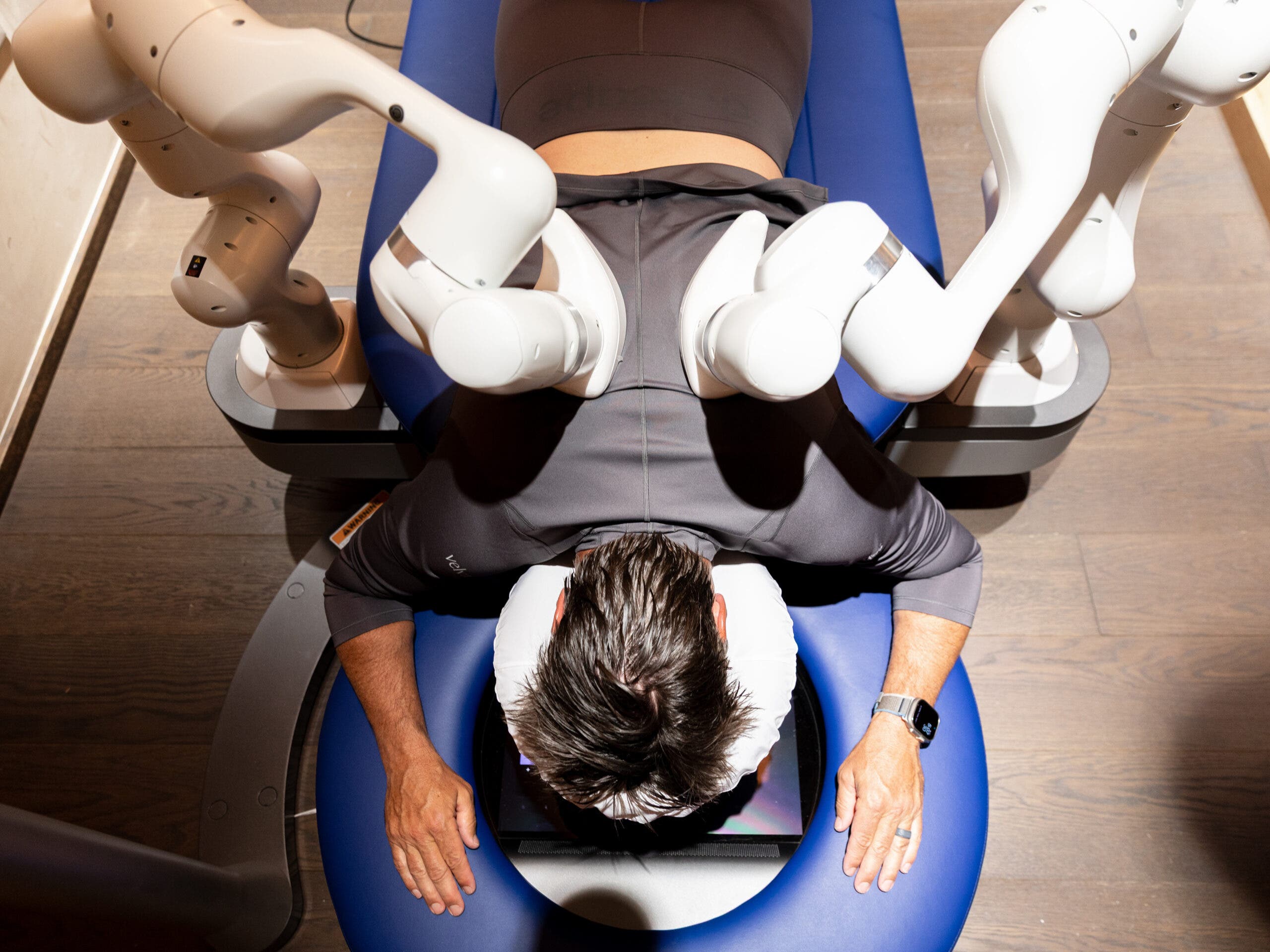
In his post-competitive career, Moseley has remained at the vanguard of athletic technology. His recent ambassadorship with Velvaere, a private ski-and-wellness enclave in Deer Valley, reflects a modern shift toward integrating clinical-grade recovery tools into residential and recreational spaces. The facility features futuristic amenities, including AI-powered massage robots that evaluate human muscle tension before administering customized treatments, alongside cryotherapy, LightStim LED therapy, hyperbaric flotation chambers, TechnoGym apparatuses, and traditional sauna and cold plunge circuits.
Comparing these modern luxuries to his days on the elite circuit, Moseley draws direct parallels to elite institutional training environments. "It reminds me a little bit of when we had access to the Olympic Training Center, or even the US training facilities, where they’re constantly on the cutting edge of what’s going to be beneficial to athletic potential," Moseley notes. Facilities like Velvaere represent a broader commercial trend: bringing elite, data-driven recovery methodologies out of exclusive governmental labs and into the mainstream wellness market.
Seasonal Training Architecture: From Tahoe to Park City
Despite retiring from formal Olympic competition, Moseley maintains a rigorous, year-round physical regimen across his homes in Lake Tahoe and Park City, Utah. His structured routine is designed to bridge the gap between general cardiovascular health and the specific, high-impact demands of alpine skiing.
Moseley’s daily training architecture begins every morning with a disciplined block of cardio lasting between thirty to sixty minutes. This foundational phase typically involves power-walking with his dog or logging steady-state miles on a treadmill. Following the cardiovascular warm-up, he transitions directly into targeted weight training.
The nature of his strength regimen shifts in tandem with the calendar and seasonal weather patterns. At the onset of summer, the primary objective is pure strength acquisition. As temperatures drop and the ski season approaches, Moseley pivots toward endurance and unilateral stability. Utilizing specialized equipment such as slide boards, he emphasizes single-leg training to replicate the lateral, side-to-side forces experienced during aggressive carving on steep slopes.
Historically, Moseley’s weightlifting routine was heavily skewed toward compound, lower-body movements. However, decades of high-impact skiing have necessitated a more holistic approach to physical longevity. "Nowadays I balance it out," Moseley explains with a laugh, noting his affinity for hot yoga. As he has aged, flexibility and joint mobility have taken center stage in his weekly schedule, supplemented by outdoor cross-training activities like wing foiling when weather and seasonal conditions permit.
Preparing the Body for Impact: Plyometrics and Injury Prevention
As autumn transitions into winter and the first significant snowfalls blanket the mountains, Moseley intensifies his ski-specific conditioning. Alpine skiing places extreme, multi-directional stress on the joints, requiring athletes to condition their nervous systems for rapid absorption of kinetic energy.
To prepare his body for the jarring forces of mogul fields and steep descents, Moseley incorporates targeted plyometrics into his routine. "You have to get your body into a little bit of a plyometric mode," he explains. While box jumps are widely regarded as the industry standard for developing explosive lower-body power, Moseley cautions against abrupt transitions from sedentary periods to high-intensity jumping. He recommends a progressive approach—starting with low-height platforms and gradually increasing elevation—to mitigate the risk of acute tendon and ligament strain.
Beyond explosive power, Moseley emphasizes the critical role of active recovery. Candidly admitting that he historically struggled with slowing down outside of periods dictated by injury, he now views mobility work and structured rest as non-negotiable components of his physical framework.
Broader Implications: Community and the Future of Longevity Fitness
Moseley’s current philosophy highlights a significant evolution in how aging athletes approach physical longevity. The historic paradigm of "train until failure, rest only when injured" has been largely replaced by preventative maintenance, proactive recovery protocols, and integrated lifestyle wellness.
Industry analysts note that the integration of artificial intelligence, robotics, and advanced biometric tracking into residential and resort real estate is transforming the wellness sector. Communities that offer immediate access to cryotherapy, infrared saunas, and AI-driven diagnostics are no longer viewed merely as luxury developments, but as holistic longevity hubs. For athletes and active lifestyle enthusiasts alike, this ecosystem approach provides the necessary infrastructure to sustain high-level physical performance well into later decades.
Ultimately, Moseley’s journey from a gold-medal-winning innovator to a modern advocate for holistic wellness underscores a timeless athletic truth: sustained performance is not merely the product of a single moment of brilliance, but the cumulative result of disciplined preparation, intelligent recovery, and an environment that fosters physical longevity.

