
The transition from late summer to autumn marks a critical period for winter sports enthusiasts, particularly alpine skiers preparing for the upcoming season. While the temptation to remain sedentary during the shoulder season is high, sports medicine research consistently demonstrates that unstructured or unprepared entries into downhill skiing significantly elevate the risk of acute trauma and chronic fatigue. Clinical data underscores the necessity of targeted neuromuscular conditioning during the fall months to mitigate these hazards.
Epidemiological Data and Injury Prevention
A comprehensive multi-year study conducted in Sweden focusing on alpine ski students revealed that structured preseason neuromuscular training reduced anterior cruciate ligament (ACL) injuries by nearly 50 percent over two consecutive seasons. The knee joint, particularly the ACL, is subjected to immense rotational forces and high-impact landings during alpine skiing.
Orthopedic specialists, including surgeons affiliated with elite organizations like the U.S. Ski Team, frequently emphasize that physical preparation must precede the first snowfall. Without adequate conditioning of the quadriceps, hamstrings, gluteal complex, and core stabilizers, the kinetic chain fails to absorb the shock of variable snow conditions and high-speed turns. This lack of preparation forces ligaments and joints to absorb forces they are unequipped to handle, resulting in severe trauma.
Physiological Demands of Alpine Skiing
Downhill skiing is an intermittent, high-intensity sport requiring a complex combination of eccentric strength, aerobic endurance, anaerobic capacity, and dynamic balance. Unlike linear sports such as running, skiing demands continuous lateral stability, edge control, and rapid deceleration. Muscles must contract while lengthening—known as eccentric contraction—which generates substantial micro-trauma and delayed-onset muscle soreness if the body is unconditioned.
As athletes age, physiological changes such as declining bone density, reduced muscle mass, and slower neural response times necessitate a more rigorous and deliberate approach to preseason conditioning. Maintaining functional fitness into one’s fourth, fifth, and sixth decades requires intentional cardiovascular and muscular training designed to protect joint integrity and sustain movement efficiency.
Chronology of Fall Conditioning: A Phased Approach
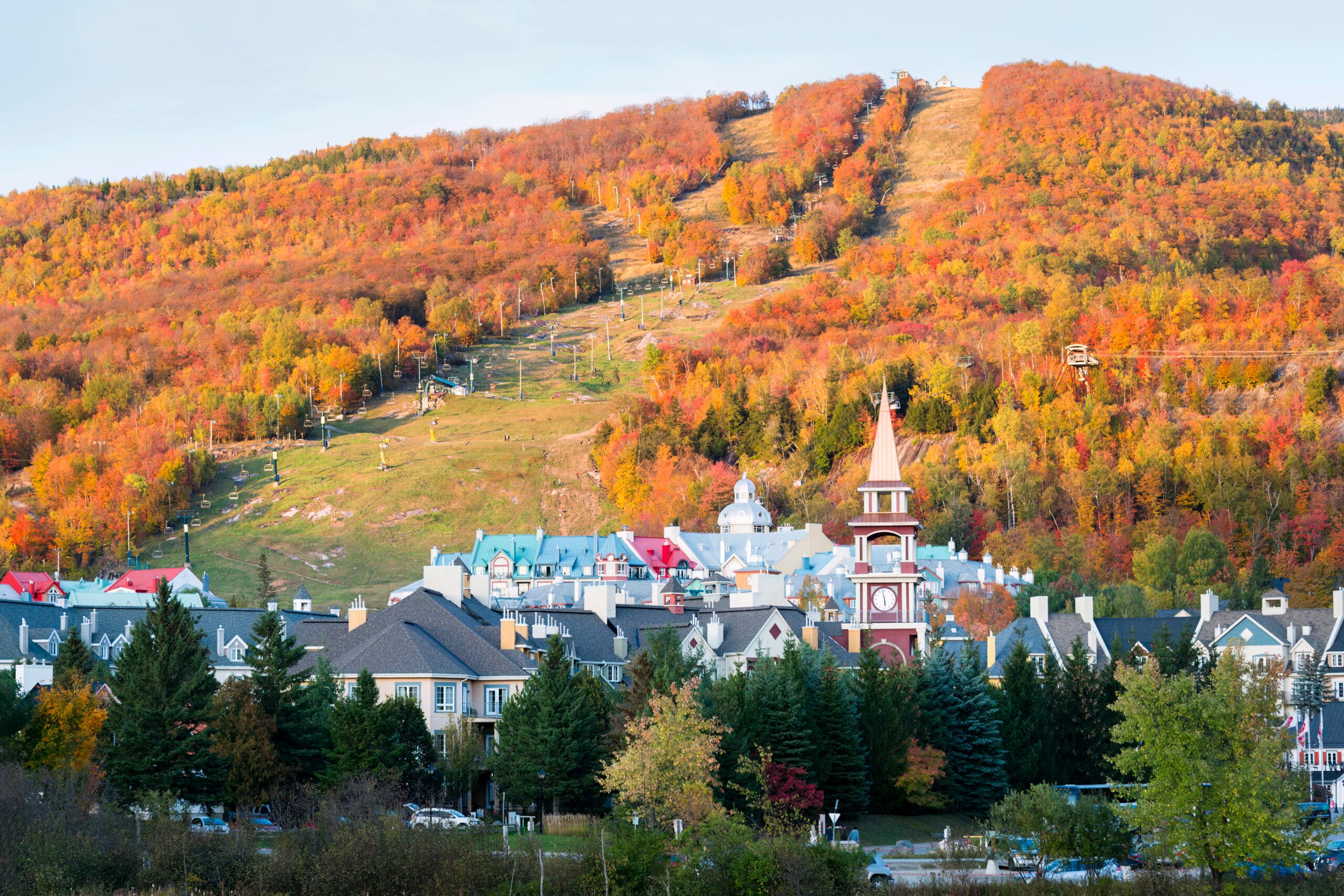
Sports scientists and physical therapists recommend a structured, multi-phase timeline for autumn conditioning to ensure optimal physical readiness by the time chairlifts open.
Phase 1: Early Fall (September) – Aerobic Base and Stabilization
During the initial weeks of autumn, the primary objective is establishing an aerobic foundation and engaging stabilizing muscle groups. Activities that mimic the topographical challenges of a mountain environment are integrated into the routine.
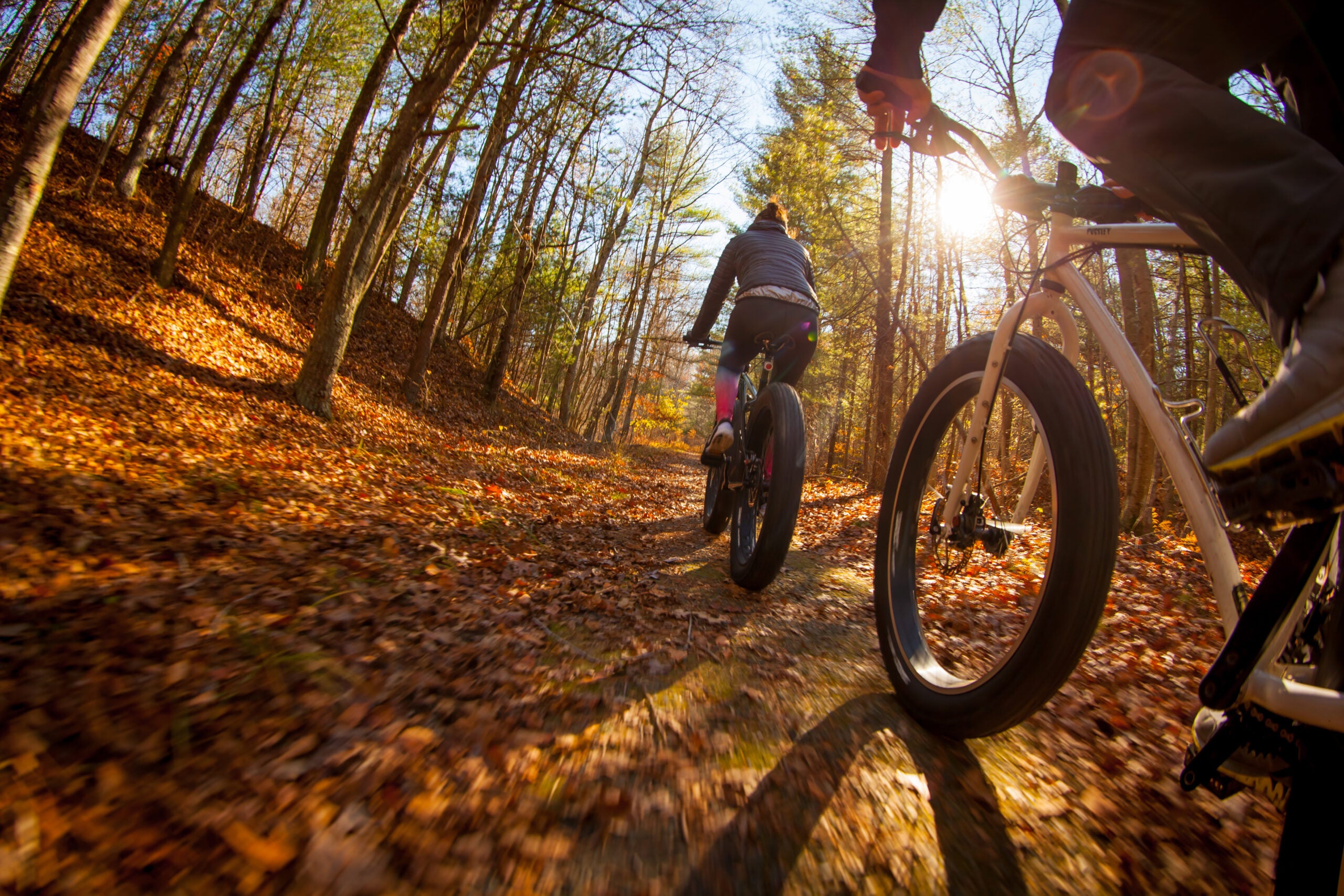
- Uphill Slope Hiking: Ascending local ski slopes or steep hiking trails forces the cardiorespiratory system to adapt to significant elevation gains while heavily taxing the quads and glutes. The movement pattern mirrors the eccentric demands of descending a mountain, while the ascent builds lower-body muscular endurance. For advanced conditioning, athletes frequently incorporate weighted vests to simulate the load of backcountry touring equipment or avalanche safety packs.
- Altitude Trail Running: Transitioning from flat urban pavement to uneven alpine trails challenges the body’s stabilizer muscles. Navigating roots, rocks, and uneven terrain enhances proprioception—the body’s ability to sense its position in space—which directly translates to better balance on variable ski snow.
Phase 2: Mid Fall (October) – Strength, Power, and Lateral Dynamics
As the season draws closer, training shifts toward high-intensity power generation, lateral agility, and core engagement.
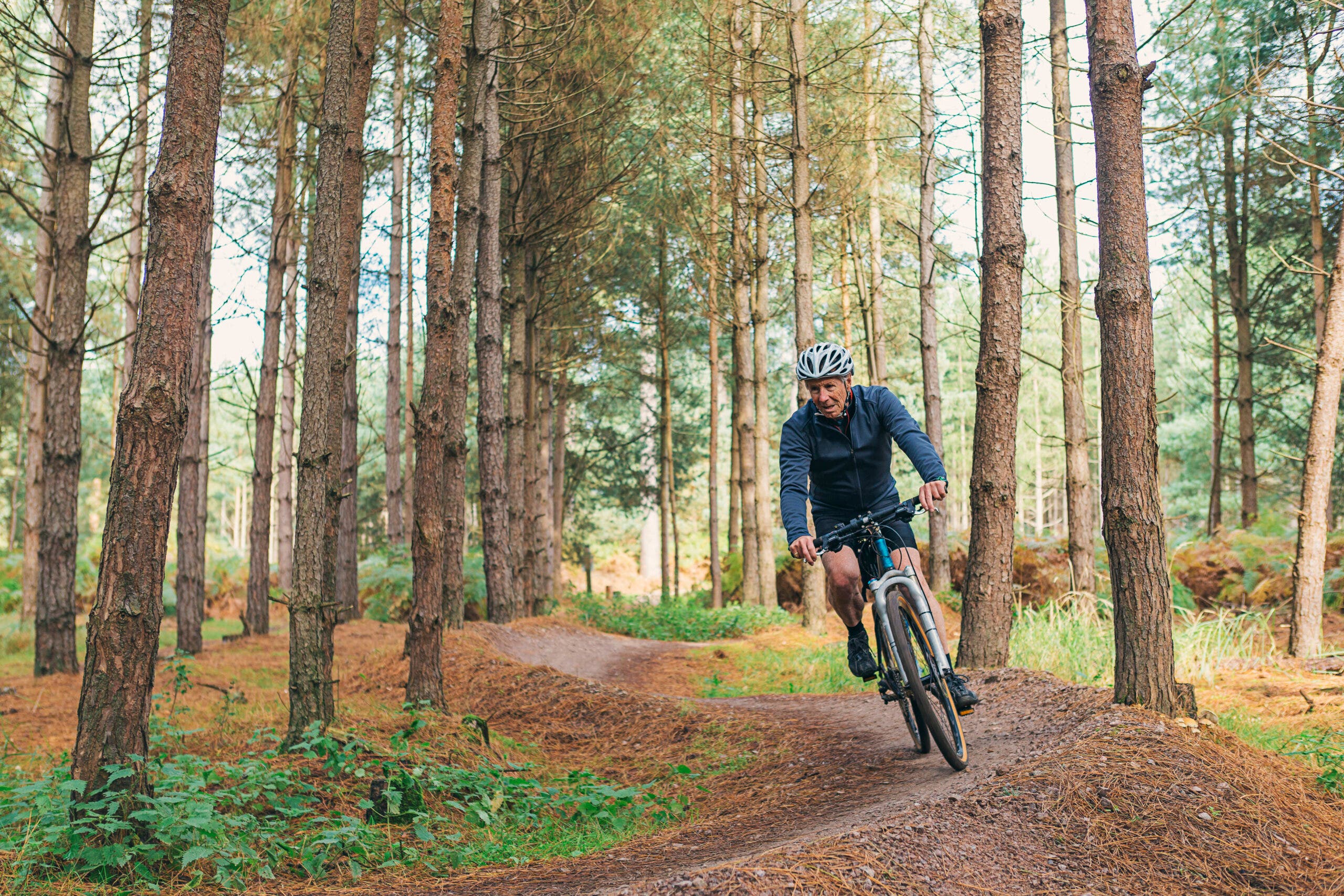
- Uphill Mountain Biking: Cycling requires continuous pedal strokes, constant gear-shifting, and precise line choices over uneven surfaces. This activity builds high-level cardiovascular endurance while training the brain and body in edge control and trajectory selection, mirroring the cognitive and physical requirements of carving turns down a steep pitch.
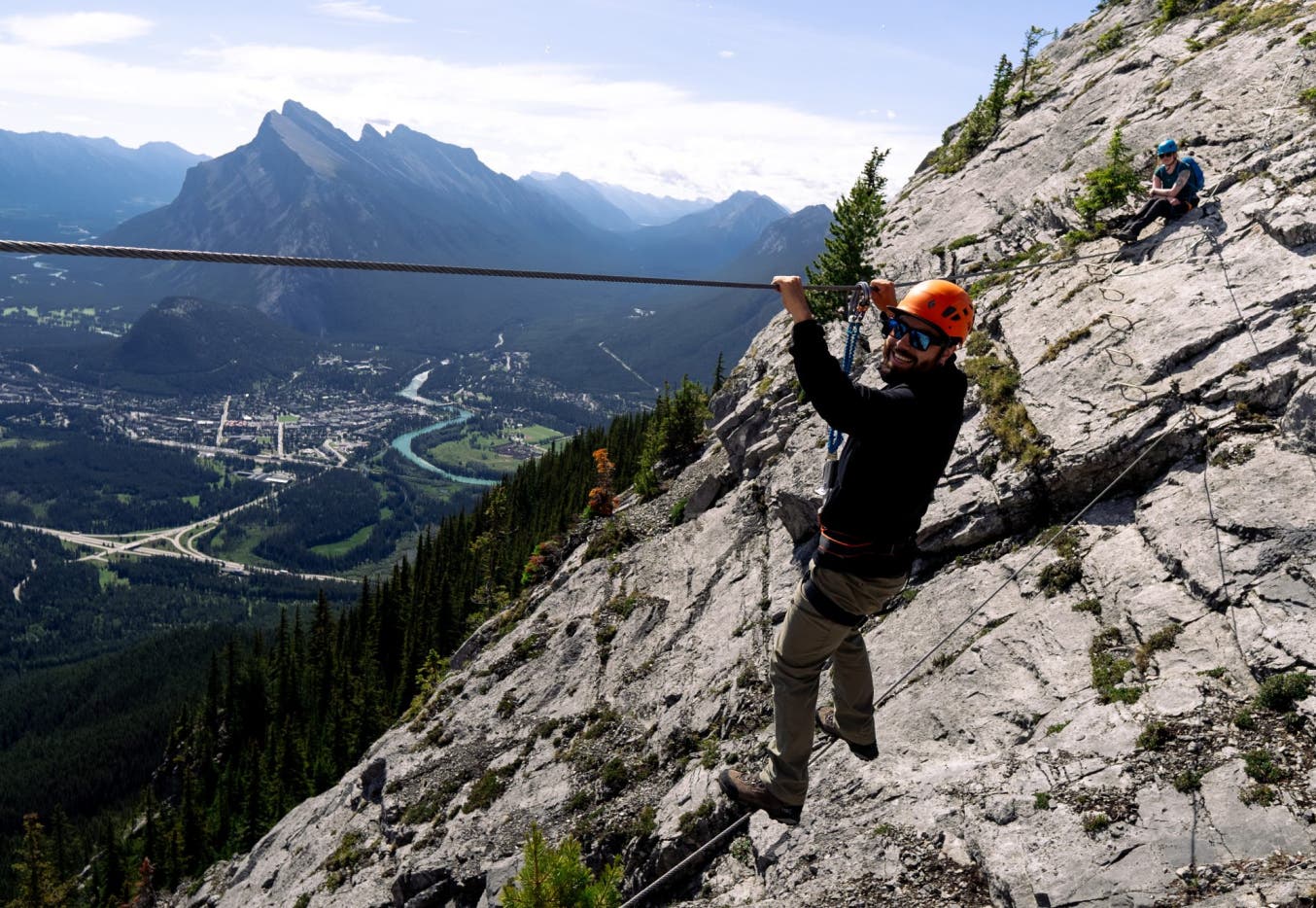
- Via Ferrata Ascents: Increasingly popular across North America and Europe, via ferratas—protected climbing routes utilizing steel cables, rungs, and ladders—offer a rigorous test of upper-body strength, core stability, and mental focus. Maneuvering across sheer cliff faces demands sustained grip strength and core activation, muscles heavily relied upon when maintaining an aggressive, balanced athletic stance on skis.
Phase 3: Late Fall (November) – Sport-Specific Simulation
In the weeks immediately preceding the season opener, training focuses heavily on sport-specific movement patterns and high-volume muscle endurance.
- Indoor Ski Simulators and Revolving Slopes: For populations residing far from mountainous regions, technological advancements in indoor training facilities have transformed preseason preparation. Facilities utilizing "Infinite Slopes"—mechanized, revolving carpets that simulate continuous downhill skiing—allow athletes to practice carving, weight shifting, and edge transitions in a controlled environment. Interactive ski simulators provide real-time biomechanical feedback, enabling skiers to refine hip angulation, upper-lower body separation, and plyometric endurance without the interference of weather or lift lines.
Expert Insights and Industry Response
Physical therapists and athletic trainers working with winter sports athletes have increasingly shifted their focus from generic fitness to task-specific neuromuscular education. According to clinical consensus statements from sports medicine journals, traditional weight training alone is insufficient for alpine readiness. Programs must incorporate multi-planar movements, perturbation training (unexpected disruptions to balance), and plyometrics to adequately prepare the central nervous system for the unpredictable nature of snow sports.
Furthermore, commercial fitness trends reflect this physiological necessity. The proliferation of urban climbing gyms, specialized indoor ski training centers, and structured trail-running programs indicates a broader industry recognition that the ski season is no longer just a winter event, but a year-round athletic discipline.
Broader Economic and Health Implications
The financial and physical costs associated with alpine ski injuries are substantial. According to healthcare data analytics, winter sports injuries account for thousands of emergency room visits annually, with knee ligament tears representing a significant percentage of severe cases. These injuries lead to costly surgical interventions, extensive physical therapy, and prolonged periods of immobility, creating both personal health burdens and economic strain on healthcare systems.
By adopting a rigorous, evidence-based preseason training regimen, skiers significantly lower their probability of catastrophic injury. Beyond personal health preservation, proactive conditioning ensures that participants can maintain active lifestyles well into their later decades, sustaining participation in outdoor recreation and supporting mountain communities year after year. The data remains unequivocal: proactive physical investment in the autumn months dictates safety, performance, and longevity on the snow.

