
As the autumn equinox transitions into the shorter days of late September, the global skiing community shifts its focus toward the physiological demands of the upcoming winter season. While the traditional "off-season" has historically been characterized by recreational downtime, modern sports science and longitudinal studies now emphasize the critical importance of autumn conditioning. This transitional period serves as a vital window for neuromuscular adaptation, cardiovascular priming, and injury mitigation. Data from the medical community suggests that the difference between a successful season and a premature exit due to injury often resides in the training protocols established months before the first snowfall.
The Science of Injury Prevention and Neuromuscular Training
Central to the argument for rigorous fall preparation is the prevention of Anterior Cruciate Ligament (ACL) injuries, which remain one of the most common and debilitating occurrences in alpine sports. A landmark Swedish study involving alpine ski students demonstrated the efficacy of targeted preseason intervention. The research revealed that students who participated in consistent preseason neuromuscular training—focusing on balance, core stability, and joint alignment—reduced the incidence of ACL injuries by nearly 50% over the course of two consecutive seasons.
Neuromuscular training functions by "teaching" the nerves to fire in patterns that protect the joints during high-impact or unpredictable movements. In skiing, where variable snow conditions and high speeds create constant fluctuations in force, these reflexive muscular responses are the primary defense against ligament tears. Medical professionals, including surgeons affiliated with the U.S. Ski Team, emphasize that as skiers age, particularly those entering their 40s and 50s, the degradation of muscle mass and bone density makes this preparatory phase even more critical for long-term participation in the sport.
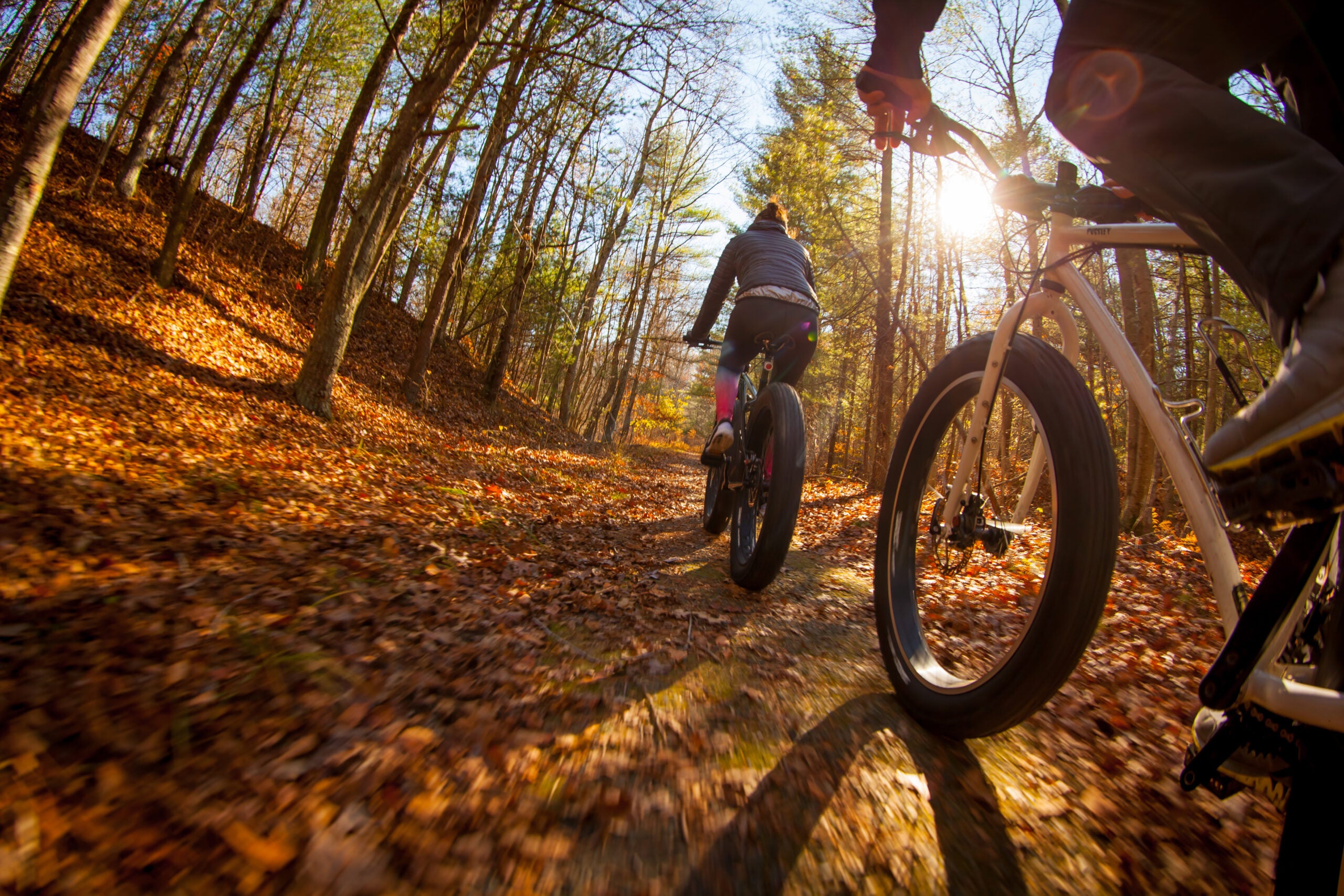
A Chronology of Preseason Preparation
The timeline for an effective ski-conditioning program typically spans twelve weeks, beginning in mid-September and concluding with the opening of major resorts in late November or early December. This chronology allows for three distinct phases of physiological development:
- September (Aerobic Foundation and Stability): The focus is on building a cardiovascular base through low-intensity, long-duration activities like hiking and cycling, alongside balance-oriented exercises to engage stabilizer muscles.
- October (Strength and Hypertrophy): Training shifts toward building the power required for carving and absorbing bumps. This involves eccentric loading—focusing on the "lowering" phase of movements—which mimics the way muscles work while skiing downhill.
- November (Power and Specificity): The final phase introduces high-intensity interval training (HIIT) and sport-specific simulations, such as plyometrics or indoor skiing, to prepare the heart and lungs for the high-altitude demands of the mountains.
High-Altitude Hiking and Vertical Gain Strategies
For those with access to mountainous terrain, hiking up ski slopes provides a direct correlation to the physical output required during the winter. Unlike flat-ground walking, ascending steep inclines forces the quadriceps and glutes into sustained contractions that mirror the isometric and eccentric demands of alpine skiing.
Sports physiologists note that "hiking the line" allows skiers to visualize their winter runs, providing a psychological benefit alongside the physical. To further enhance this workout, experts recommend the use of weighted vests. Carrying an additional 10 to 20 pounds mimics the weight of an avalanche pack and winter gear, increasing the metabolic cost of the hike and strengthening the core muscles responsible for maintaining an upright posture under load. Furthermore, the descent on foot—provided it is done carefully—trains the knees to stabilize against gravity, a key component of downhill control.
Mountain Biking as a Tool for Edge Control
Mountain biking has emerged as the premier cross-training activity for professional and amateur skiers alike. The mechanical similarities between the two sports are significant. Both require the athlete to maintain a "ready position," absorb terrain changes through the limbs, and choose lines through technical obstacles.
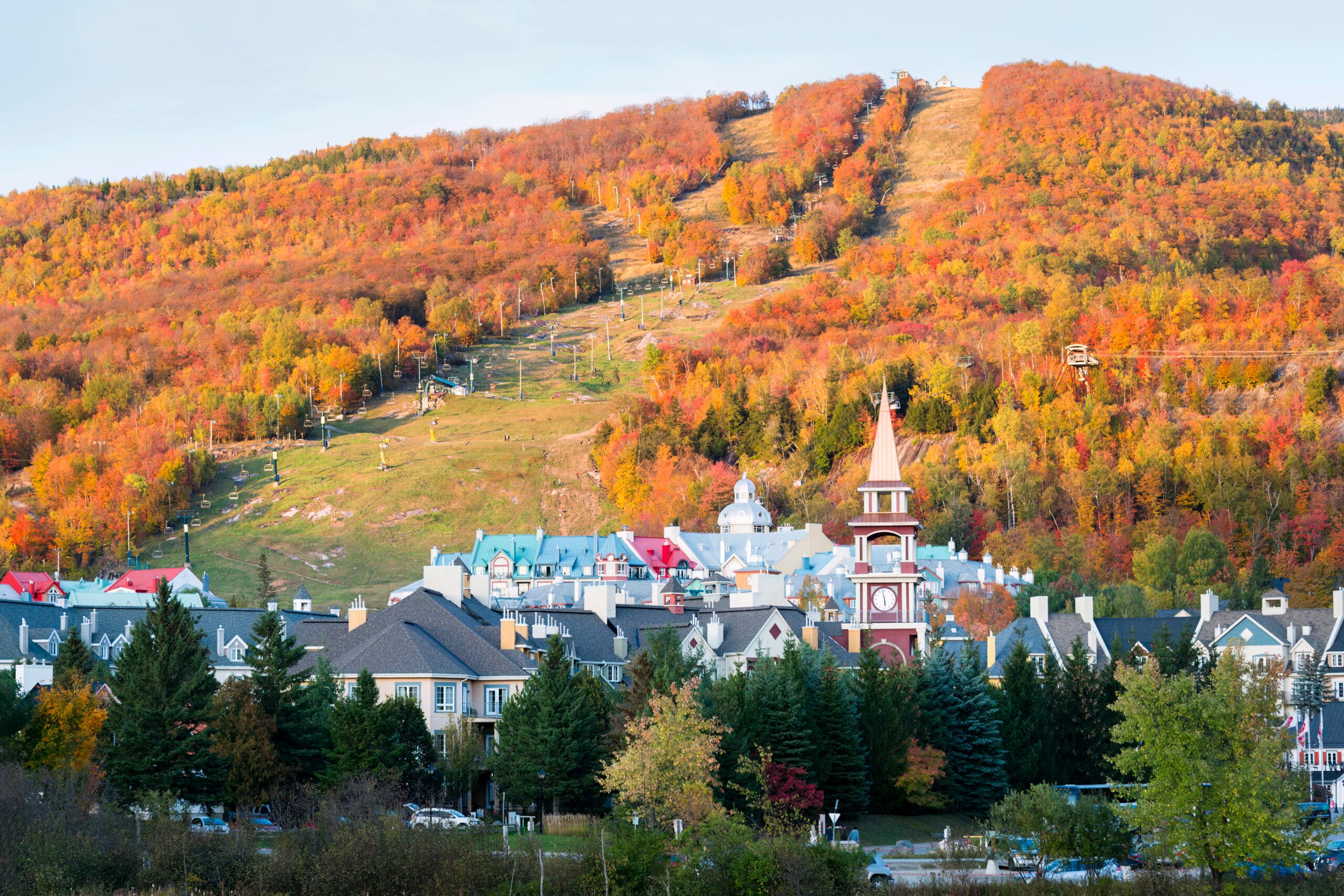
The act of cornering on loose dirt or gravel provides a sensory feedback loop that translates to edge control on snow. As a biker leans into a turn, they must manage weight distribution and tire traction, much like a skier manages the sidecut of their skis on ice or powder. Additionally, the high-intensity "bursts" required to clear uphill obstacles on a mountain bike provide excellent anaerobic training, preparing the heart for the short, intense periods of exertion characteristic of a typical ski run. For those in flatter regions, indoor cycling with high resistance settings can simulate the leg burn of a long descent.
The Rise of Via Ferrata and Technical Core Engagement
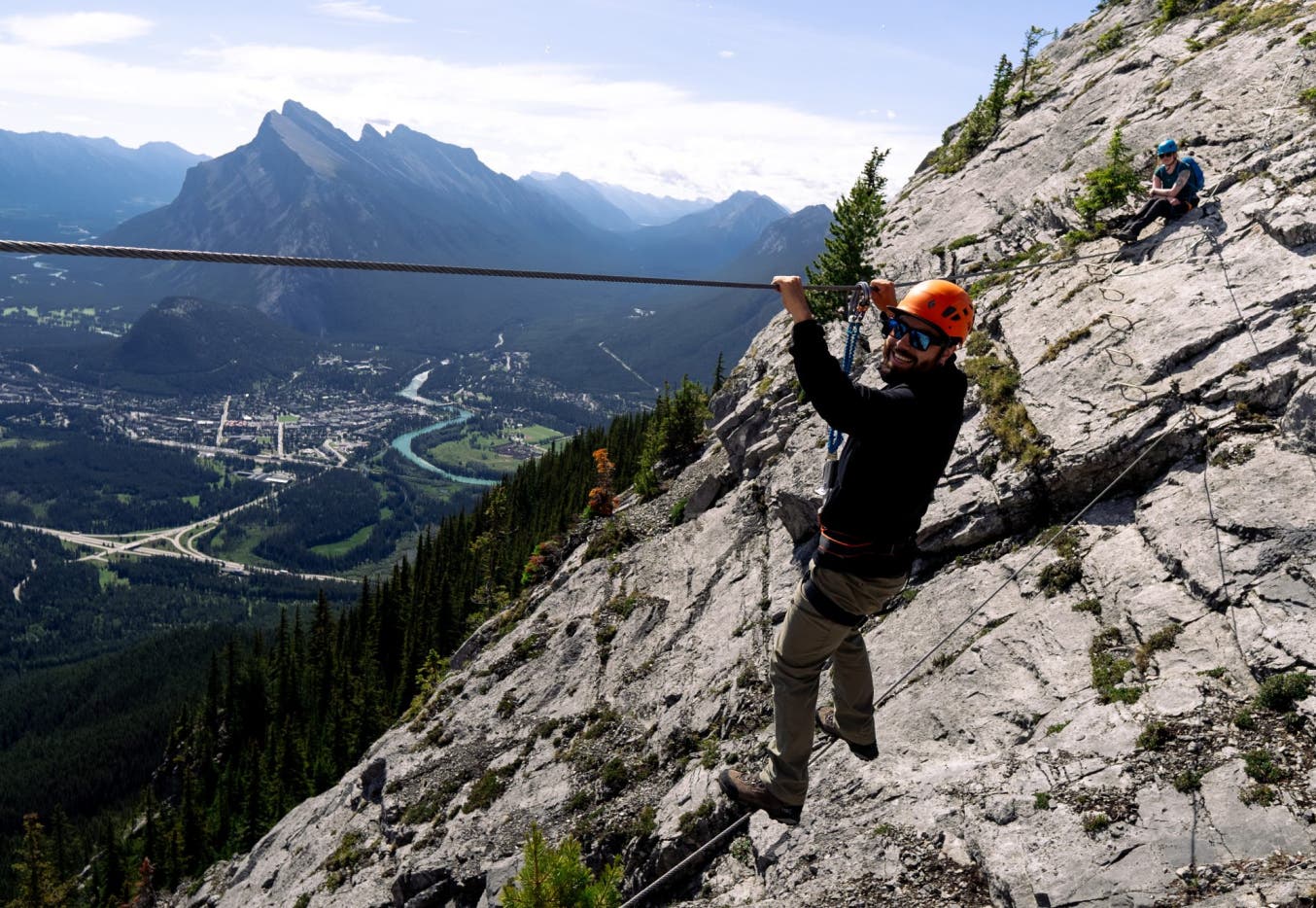
Originally developed in the Italian Dolomites for military movement—the same region that will host the 2026 Winter Olympic Games—the Via Ferrata (or "Iron Path") has become a popular summer and fall training tool in North America. These protected climbing routes involve navigating cliff faces using steel cables, rungs, and ladders.
From a fitness perspective, Via Ferrata is an exceptional tool for developing "functional" core strength. Unlike traditional gym exercises, climbing requires the body to maintain tension across multiple planes of motion. The grip strength developed during these climbs is also beneficial for pole planting and stability. Perhaps most importantly, the mental focus required to navigate height-exposed terrain prepares the athlete for the psychological demands of steep, "no-fall" zones in the backcountry or high-alpine bowls.
Altitude Adaptation and Trail Running
Trail running at altitude is perhaps the most efficient way to increase a skier’s VO2 max—the maximum amount of oxygen the body can utilize during exercise. At higher elevations, the decreased partial pressure of oxygen forces the cardiovascular system to become more efficient.
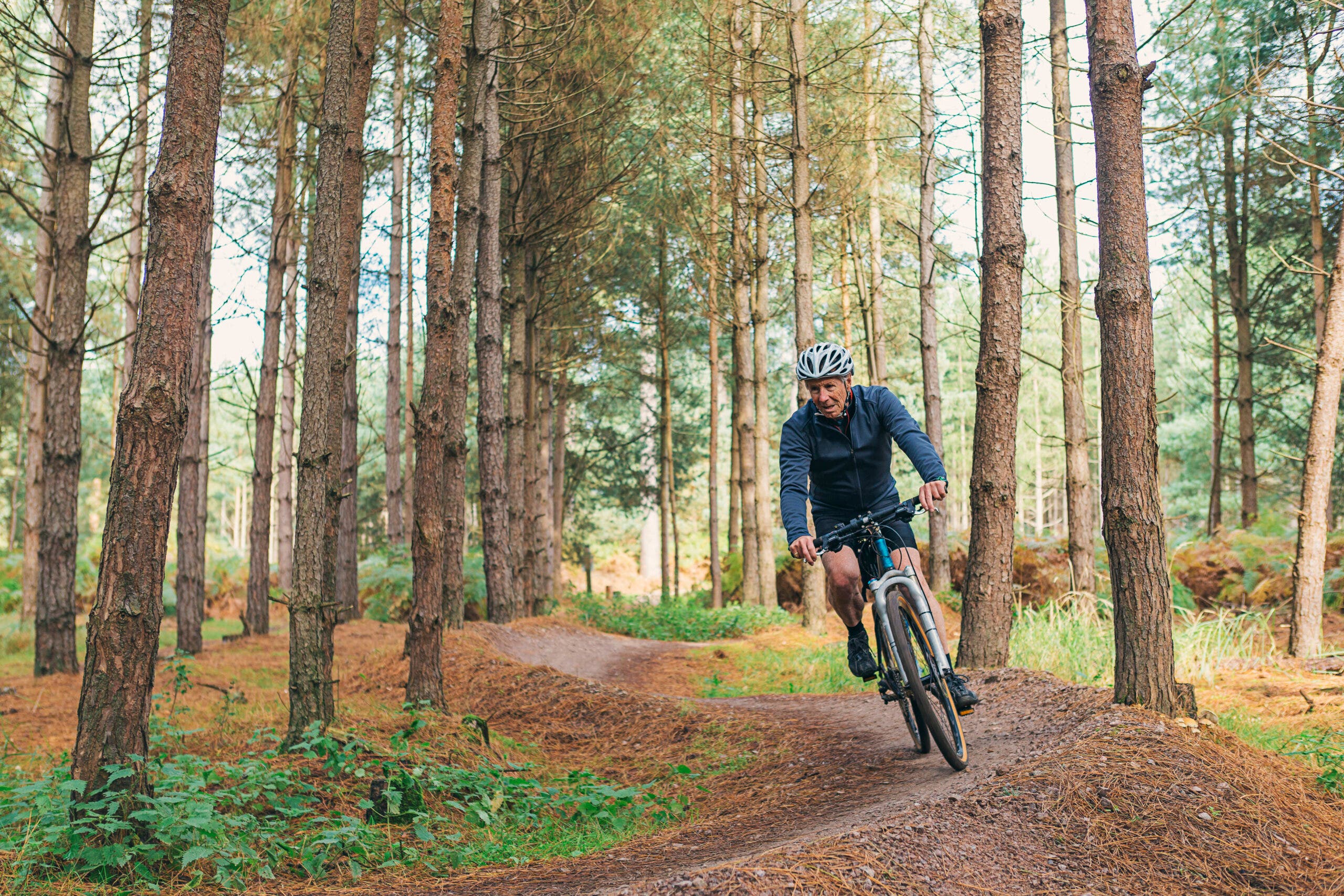
The uneven surface of a mountain trail also serves a vital role in injury prevention. Running on pavement involves repetitive, linear motions that can lead to overuse injuries. In contrast, trail running requires the ankles, knees, and hips to constantly adjust to rocks, roots, and slopes. This strengthens the small stabilizer muscles around the joints, which are often the first to fail when a skier becomes fatigued at the end of a long day on the slopes. For urban dwellers, treadmill training on a high incline (10–15%) serves as a viable substitute for mountain trails.
Technological Integration: Ski Simulators and Indoor Facilities
The evolution of indoor ski technology has revolutionized preseason training for those living far from the mountains. Facilities such as "Big Snow" at the American Dream mall in New Jersey provide real snow year-round, but a newer trend involves "Infinite Slopes" and interactive simulators.
Systems like those found at Bluerun utilize revolving carpets with adjustable speeds and inclines. These machines allow for "infinite" turns without the interruption of a chairlift, enabling a level of repetition that is impossible to achieve on a standard mountain. This high-volume repetition is ideal for refining technique, such as upper-lower body separation and hip angulation.
Industry analysts suggest that the growth of these urban training centers is a response to the increasing cost of lift tickets and the desire for "shorter runways" to peak performance. By the time a skier who has trained on a simulator reaches the actual mountain, their muscle memory is already primed, reducing the typical "day one" soreness and technical rust.
Broader Impact and Economic Implications
The shift toward proactive fall conditioning has broader implications for the ski industry and public health. Resort operators have noted that prepared skiers are less likely to require mountain patrol interventions, which can strain resources during peak holiday periods. Furthermore, the "longevity" movement in sports is encouraging skiers to remain active well into their 70s and 80s.
"The goal is no longer just to survive the first weekend of the season," says one industry consultant. "The goal is to maintain a high level of performance across decades. That requires a year-round commitment to joint health and cardiovascular fitness."
As the 2025-2026 season approaches, the data remains clear: the investment made in September and October pays dividends in January and February. By utilizing a combination of traditional mountain activities and modern technological simulators, skiers can ensure that when the lifts finally turn, they are physically prepared for the rigors of the alpine environment, significantly reducing the risk of injury and maximizing their time on the snow.

