
The evolution of athletic performance has transitioned from a paradigm of "more is better" to a sophisticated, data-driven methodology where recovery is weighted as heavily as the training itself. Jonny Moseley, the 1998 Olympic gold medalist whose "new-school" approach once revolutionized freestyle skiing, is now at the forefront of a second revolution: the integration of artificial intelligence and high-end wellness technology into the daily lives of both professional athletes and enthusiasts. His current partnership with Velvaere, a luxury wellness community in Deer Valley, Utah, serves as a testament to the shifting landscape of sports science, where the focus has moved from the sheer grit of the 1990s to the precision-guided longevity of the 2020s.
The Genesis of Modern Performance: The 1998 Nagano Paradigm Shift
To understand Moseley’s current focus on AI-driven recovery and bio-individual training, one must look back to the 1998 Winter Olympics in Nagano, Japan. At the time, mogul skiing was a discipline defined by rigid technicality and traditionalist judging. Moseley, however, disrupted the status quo by introducing a "new-school" attitude that borrowed heavily from the burgeoning world of snowboarding and freeskiing. His signature move—a 360-degree mute grab—was more than just a trick; it was a cultural pivot point that ushered in a new era of creativity in the sport.
However, the flair Moseley displayed on the slopes was backed by a training regimen that was, for its time, remarkably analytical. Long before the era of smartphones and wearable rings that track sleep cycles, Moseley was meticulously journaling his daily performance and tracking his heart rate. He focused heavily on "second-day soreness," a qualitative metric used to gauge his body’s recovery curve. This obsession with the four-year Olympic cycle forced him to view his body as a machine that required precise timing to reach peak performance exactly when the world was watching.
This historical context is vital because it highlights a career-long trend: Moseley has always been an early adopter of technology. In the 1990s, he was utilizing the early iterations of heart rate monitors—technology that first emerged in 1982 but did not gain widespread athletic acceptance until a decade later. By recognizing the influence of Heart Rate Variability (HRV) and VO2 max early on, Moseley was able to dominate the 1998 World Cup circuit, winning the first two events of the season before clinching gold in Nagano.
The Evolution of Recovery: From the Olympic Training Center to AI-Powered Wellness
In the decades following his Olympic triumph, Moseley’s relationship with fitness has transitioned from the pursuit of explosive, podium-level power to a focus on sustainable mobility and systemic health. This evolution has led him to his current role as an ambassador for Velvaere, a residential wellness community that represents the pinnacle of "wellness real estate."
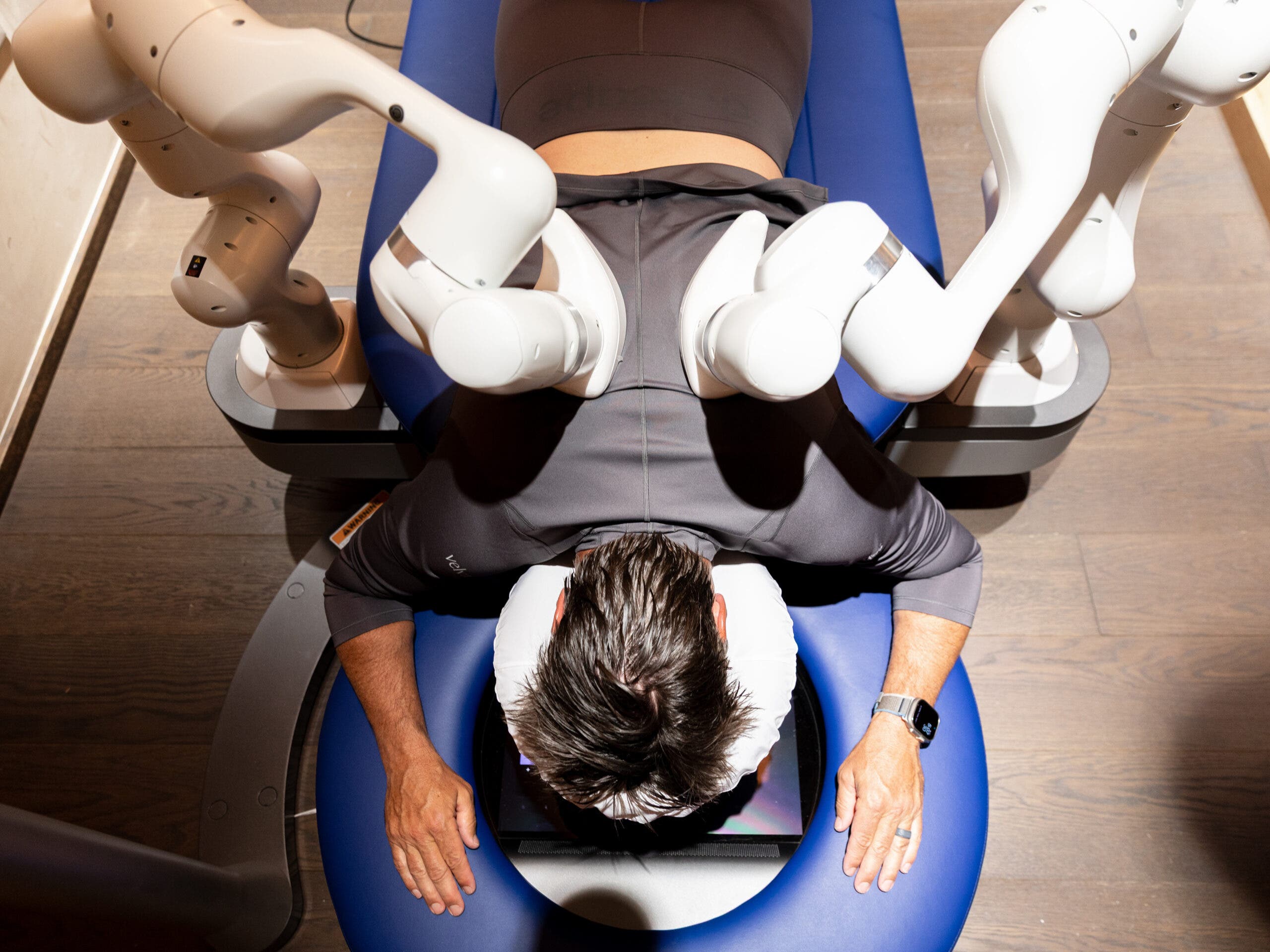
The facility, located in the prominent ski destination of Park City, Utah, offers a glimpse into the future of athletic maintenance. It features amenities that were once reserved for elite Olympic training centers or secretive professional sports laboratories. Among these is an AI-powered massage robot designed to evaluate the human musculoskeletal system in real-time before administering a customized treatment. This level of personalization mirrors the precision Moseley sought in the 90s through manual journaling, but with the added efficiency of modern computing.
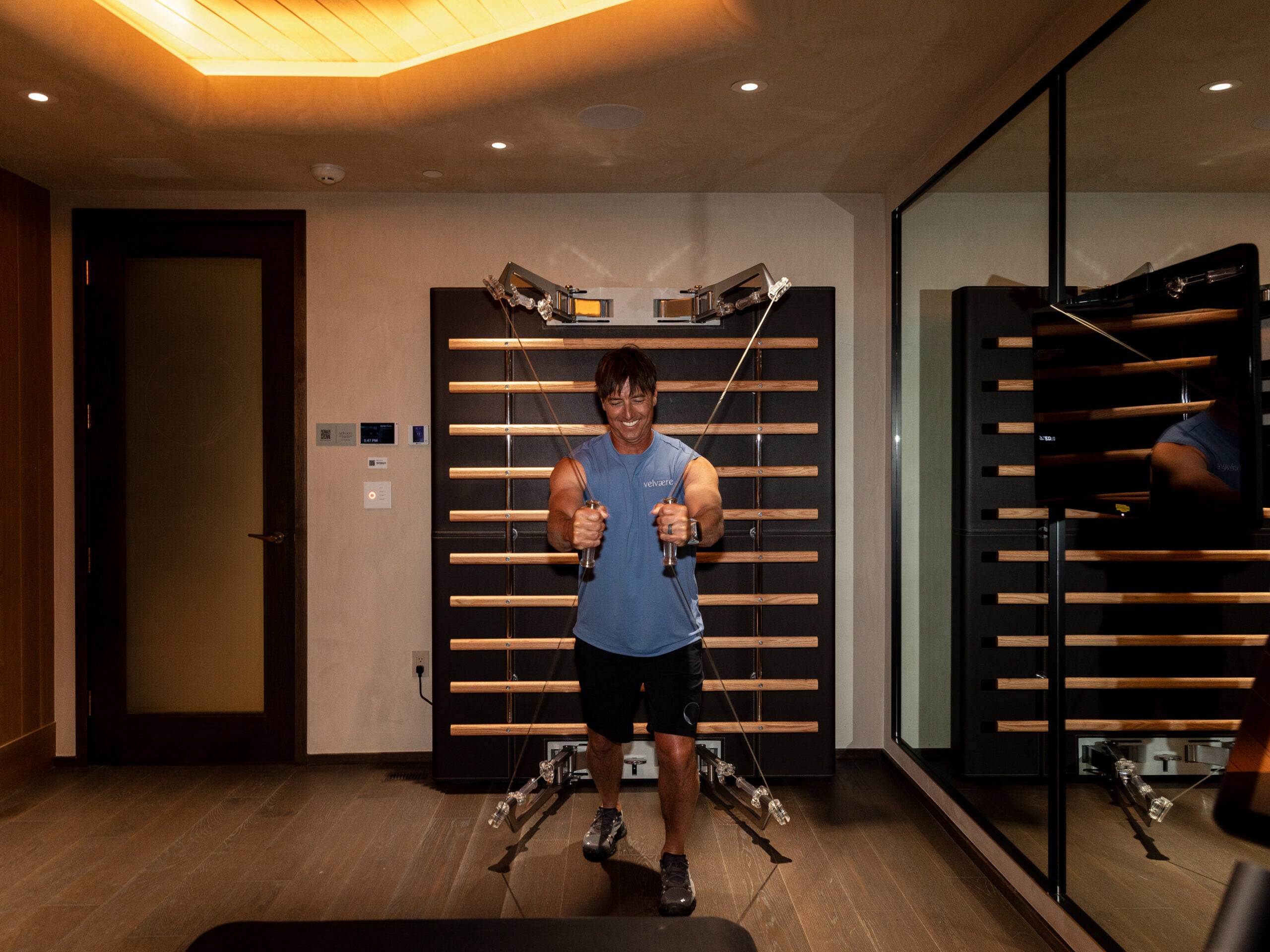
Moseley has compared these facilities to the United States Olympic & Paralympic Training Centers (USOPTC), noting that they stay on the cutting edge of what benefits athletic potential. The integration of cryotherapy, LightStim LED therapy, and flotation tanks represents a holistic approach to inflammation management and nervous system regulation. While the 1990s were about pushing through the pain, the 2025 approach is about using technology to mitigate the physiological toll of high-impact sports like skiing.
The Science of Seasonal Training: Strength, Endurance, and Mobility
Despite the high-tech assist from AI robots and cold plunges, Moseley maintains that fundamental physical conditioning remains the bedrock of skiing performance. His current training year is divided into distinct seasonal phases, reflecting the specific demands of the sport.
Phase I: Summer Strength and Compound Movements
During the early summer months, Moseley’s focus is on building a robust foundation of strength. In his younger years, his lifting regimen was almost exclusively focused on the lower body, utilizing heavy compound lifts to handle the immense G-forces of mogul landings. Today, while strength remains a priority, he emphasizes a more balanced "total body" approach. This phase involves traditional weightlifting designed to maintain bone density and muscular mass as he navigates his middle years.
Phase II: The Autumn Shift to Endurance and Lateral Stability
As temperatures drop and the ski season approaches, the training focus shifts from pure strength to endurance and sport-specific movements. Moseley incorporates "one-leg training" to mimic the side-to-side (lateral) demands of skiing. Tools such as slide boards are utilized to build the stabilizing muscles around the knees and hips, which are critical for preventing injuries on the slopes.
Phase III: Plyometrics and the "Gold Standard" of Power
Transitioning from a sedentary state to the explosive demands of skiing can be "jarring" to the system, as Moseley notes. To prepare the central nervous system, he utilizes plyometrics, with box jumps serving as the "gold standard." However, he advocates for a graduated approach—starting with lower heights to build tendon elasticity before moving to more demanding heights. This "plyometric mode" is essential for the fast-twitch response required to navigate variable snow conditions and mogul fields.
The Integration of Mindfulness and Mobility
Perhaps the most significant change in Moseley’s routine is his embrace of "hot yoga." For an athlete whose career was built on the rigidity and impact of mogul skiing, the shift toward mobility and flexibility is a tactical one. As athletes age, the risk of injury often stems from a lack of range of motion rather than a lack of strength. Moseley credits yoga with keeping him limber and capable of maintaining the "ski-like movements" necessary for high-level performance.
Furthermore, he has adopted a lifestyle that includes "fun" activities like wing foiling during the off-season. This serves a dual purpose: it provides a low-impact cardiovascular workout while maintaining the balance and core stability required for skiing, all while avoiding the mental burnout associated with repetitive gym workouts.
Analysis: The Rise of Wellness Communities and the Future of Sports
The partnership between a legendary athlete like Moseley and a facility like Velvaere highlights a broader trend in both the real estate and fitness industries. We are witnessing the birth of "performance-integrated living." In this model, wellness is not an extracurricular activity but a built-in component of the home environment.
Data suggests that the global wellness real estate market is growing rapidly, as high-net-worth individuals and former athletes look for ways to extend their active years. The inclusion of TechnoGym equipment, sauna-and-cold-plunge circuits, and recovery-focused amenities in residential properties suggests that the "marginal gains" philosophy—once the sole domain of professional cycling and Olympic teams—is becoming a lifestyle choice for the general public.
Moseley’s endorsement of these technologies also validates the effectiveness of tools that were once dismissed as experimental. Just as heart rate tracking transitioned from a niche tool in 1982 to a standard feature in every smartwatch by 2015, AI-driven massage and LED light therapy are poised to become standard protocols for anyone serious about physical longevity.
Conclusion: A Community-Based Approach to Performance
While the technology is impressive, Moseley emphasizes that the psychological and social aspects of wellness are equally vital. He notes that being part of a community where wellness is a shared lifestyle contributes significantly to successful performance. The "cycle of strain and recovery" that he became obsessed with in 1998 is no longer a solitary pursuit; it is now supported by a network of professionals, AI systems, and like-minded individuals.
Jonny Moseley’s journey from the 1998 Nagano podium to the recovery suites of Deer Valley illustrates the complete arc of modern sports science. By combining the "gumption" of old-school training with the precision of 21st-century recovery tech, he continues to challenge the perception of what is possible for a veteran athlete. For Moseley, the goal is no longer just a gold medal—it is the ability to stay on the mountain, performing at a high level, for as long as possible. In this new era, the ultimate "new-school" move is not a grab or a spin, but the mastery of one’s own biological longevity.

