
The landscape of professional skiing underwent a seismic shift in 1998, a year defined not just by the Nagano Winter Olympics but by the emergence of a training philosophy that would eventually redefine the intersection of athletic performance and long-term wellness. Jonny Moseley, the freestyle skier who captured the world’s attention with his gold-medal performance in the moguls, did not ascend to the top of the podium through raw talent alone. His victory was the result of a revolutionary, data-driven approach to training that was decades ahead of its time. Today, as Moseley transitions into a new chapter of his career as an ambassador for Velvaere, a wellness-focused community in Deer Valley, Utah, his focus has shifted from the pursuit of Olympic gold to the science of athletic longevity and restorative health.
The 1998 Revolution: Data-Driven Performance in a Pre-Digital Era
In the late 1990s, the concept of "marginal gains" and biometric tracking was largely confined to elite endurance cycling and laboratory settings. However, Moseley and his coaching staff recognized that the high-impact nature of mogul skiing demanded a more sophisticated understanding of the body’s limits. While his competitors were often relying on traditional high-volume training, Moseley began implementing a regimen centered on physiological feedback.
He pioneered the use of heart rate monitors to track cardiovascular strain and maintained meticulous journals documenting his daily performance metrics. Perhaps most significantly, Moseley focused on "second-day soreness"—a phenomenon now scientifically recognized as Delayed Onset Muscle Soreness (DOMS)—to evaluate his recovery windows. By understanding when his body reached peak performance and when it required absolute rest, he was able to time his training cycles to coincide perfectly with the Olympic schedule.
This obsession with the "cycle of strain and recovery" was born from the unique pressure of the Olympic Games. As Moseley reflected, athletes in his position exist in a cycle where they essentially receive one opportunity every four years to perform on the world’s largest stage. This four-year window necessitates a level of precision that leaves no room for overtraining or injury. In 1998, this precision paid off. Moseley won the first two World Cup events of the season before heading to Nagano, where he introduced the "360 mute grab"—a move borrowed from snowboarding culture that fundamentally altered the trajectory of freestyle skiing.
The Technological Leap: From Heart Rate Monitors to AI-Powered Recovery
The evolution of fitness technology since 1998 has been exponential. The first wireless heart rate monitor was released by Polar in 1982, but it took nearly fifteen years for the technology to become a staple in high-performance coaching. Today, the metrics Moseley once tracked manually—Heart Rate Variability (HRV), VO2 max, and sleep cycles—are available on consumer-grade wearable devices. However, the next frontier of wellness is no longer just about tracking; it is about automated, customized intervention.
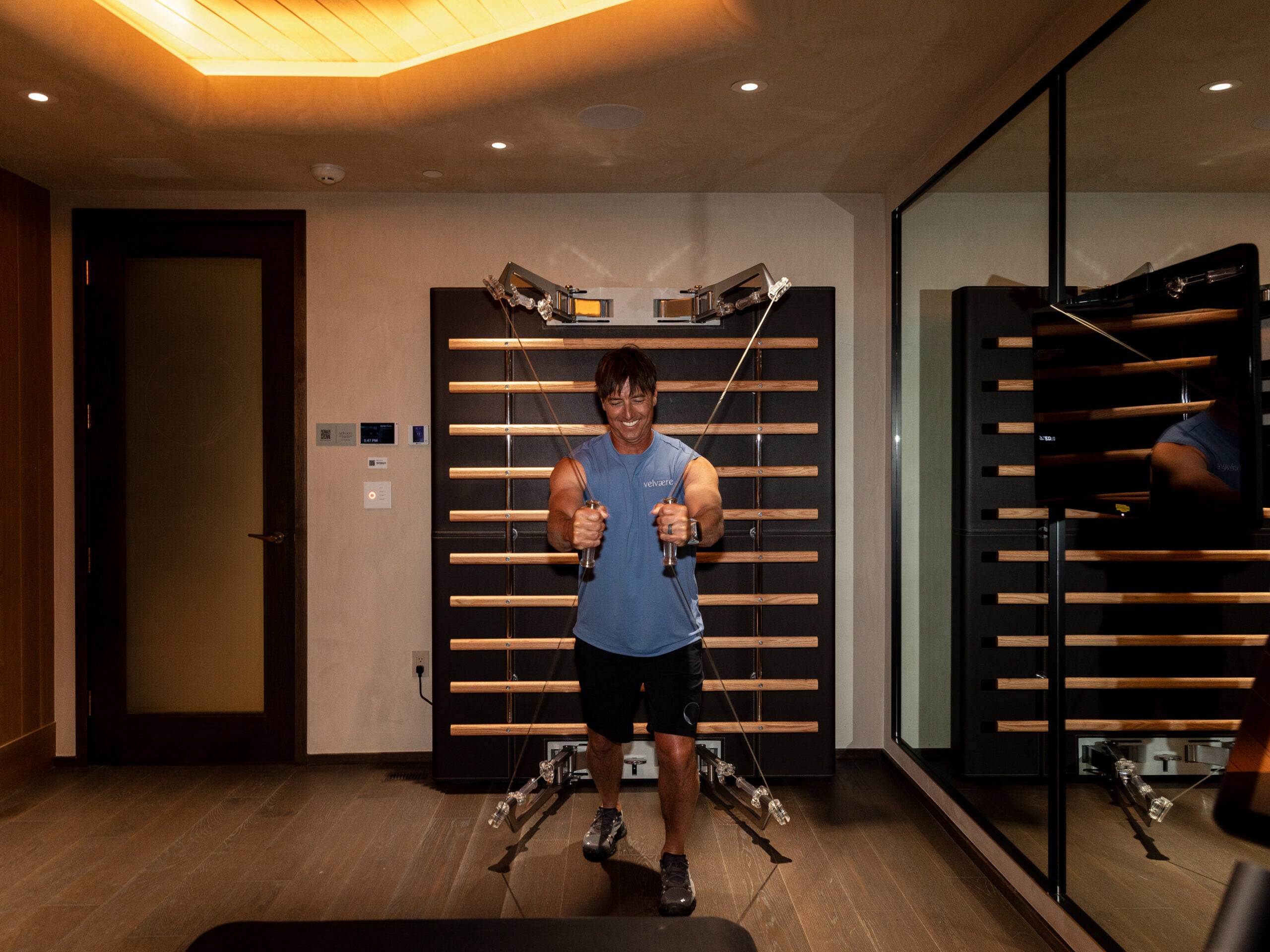
Moseley’s current involvement with Velvaere represents the pinnacle of this technological evolution. Located in the luxury enclave of Deer Valley, Utah, Velvaere is a private ski-in, ski-out wellness community that integrates clinical-grade technology into daily residential life. The facility features amenities that Moseley compares to the United States Olympic & Paralympic Training Centers (USOPTC), emphasizing a shift from general fitness to "athletic potential."
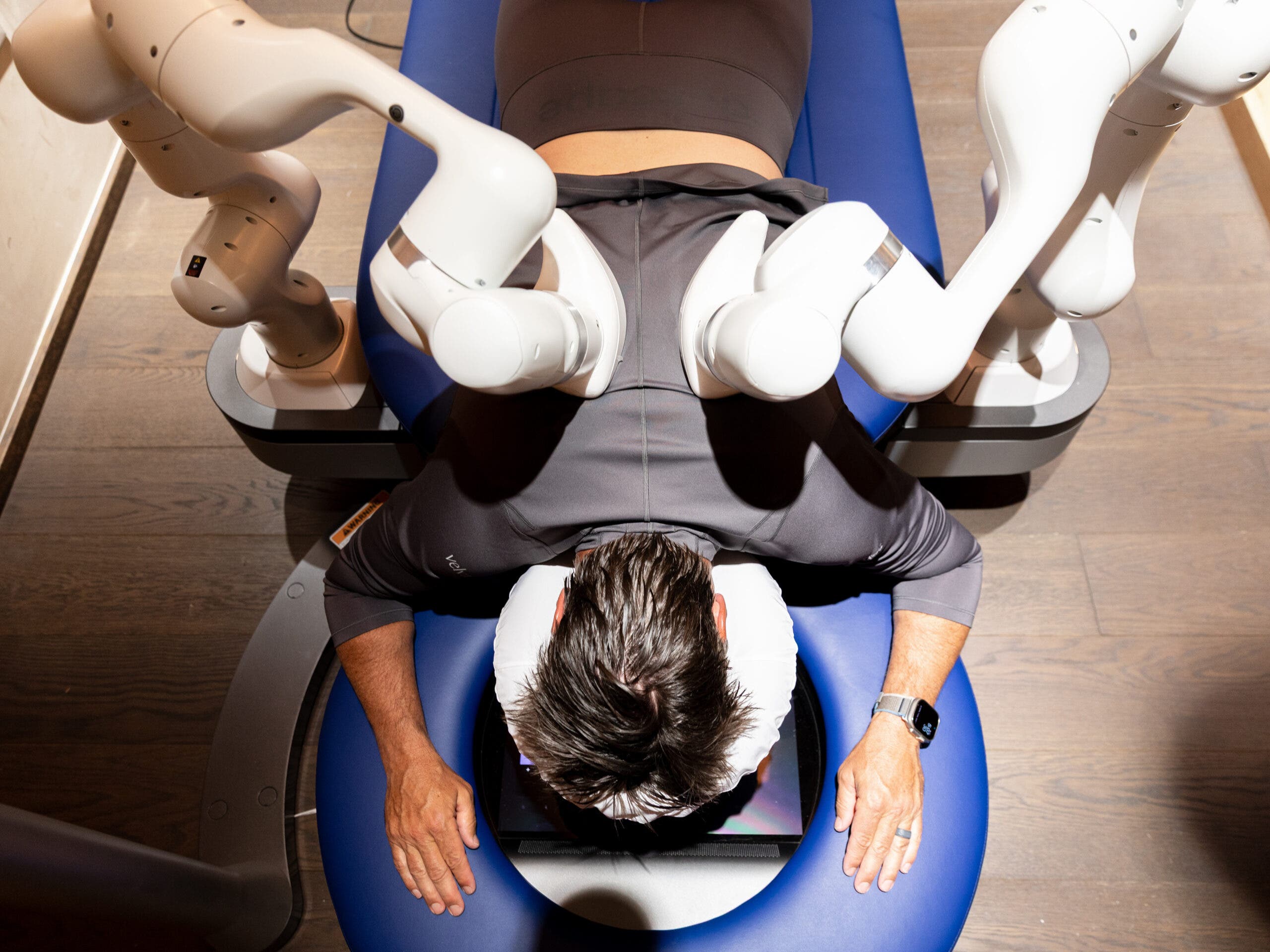
Among the most advanced offerings at the facility is an AI-powered robotic massage system. This technology utilizes sophisticated sensors to evaluate the user’s musculoskeletal structure before administering a customized massage designed to target specific areas of tension or inflammation. This is supplemented by a suite of recovery modalities including:
- Cryotherapy: Using extreme cold to reduce systemic inflammation and accelerate tissue repair.
- LightStim LED Therapy: Utilizing specific wavelengths of light to stimulate cellular energy production and collagen growth.
- Flotation Therapy: Providing sensory deprivation and magnesium-rich environments to reduce cortisol levels and alleviate joint pressure.
- TechnoGym Ecosystems: Utilizing AI-driven resistance training that adjusts in real-time to the user’s power output and range of motion.
A New Regimen: The Anatomy of Modern Maintenance
Now in his late 40s, Moseley’s personal fitness routine has evolved to prioritize mobility and dynamic movement over the sheer explosive power required during his competitive years. His current regimen serves as a blueprint for "master athletes" who wish to maintain high levels of activity while mitigating the risks of aging.
Moseley’s daily schedule begins with a strict morning routine. He dedicates 30 to 60 minutes to cardiovascular work, which varies between low-impact walking with his dog and structured intervals on a treadmill. This "base" cardio is essential for maintaining metabolic health and cardiovascular efficiency. Following the aerobic phase, he transitions into strength training, but with a philosophy that has shifted significantly over the last two decades.
In his youth, Moseley’s lifting was almost exclusively focused on the lower body, utilizing compound lifts like squats and cleans to build the "pistons" required for moguls. Today, he emphasizes balance and symmetry. "I’m a hot yoga guy now," Moseley admitted, highlighting the importance of heat-based flexibility training to maintain joint health and muscle elasticity. This focus on mobility is a direct response to the cumulative impact of a career spent on the world’s most demanding ski runs.
Seasonal Periodization and Ski-Specific Conditioning
Despite his focus on general wellness, Moseley remains an active skier, which requires a specialized form of periodization. His training year is divided into distinct phases:
- Summer Strength Phase: During the warmer months, the focus is on hypertrophy and foundational strength. This provides the structural integrity needed to support the joints during the winter.
- Autumn Endurance and Lateral Phase: As the temperature drops, Moseley shifts toward endurance and "side-to-side" movements. He utilizes slide boards—a tool that mimics the lateral weight transfer of skiing—to condition the adductors, abductors, and gluteus medius.
- Pre-Season Plyometric Phase: Just before the snow falls, Moseley introduces "ski-like" movements. This involves transitioning the body into a plyometric mode to improve "explosive" recovery. While he cites box jumps as the "gold standard" for skiers, he cautions against jumping into high-impact movements after a period of inactivity. He recommends starting with lower heights to allow the tendons and ligaments to adapt to the eccentric loading.
The Broader Impact: Wellness as a Community Lifestyle
Moseley’s partnership with Velvaere highlights a growing trend in the real estate and hospitality industries: the "wellness-centric" development. No longer are high-end buyers satisfied with a simple gym; there is an increasing demand for integrated health ecosystems that offer the same level of care provided to professional athletes.
Industry analysts suggest that the integration of AI and clinical recovery tools into residential spaces reflects a broader societal shift toward "proactive" healthcare. By making recovery tools like saunas, cold plunges, and light therapy as accessible as a kitchen or a bedroom, these communities aim to lower the barrier to consistent self-care.
For Moseley, the greatest contributor to performance is not a single piece of equipment, but rather being part of a community where wellness is the default lifestyle. He acknowledges that while he is not naturally inclined toward slowing down or practicing "self-care" in the traditional sense, the environment at Velvaere encourages the discipline required for recovery.
Conclusion: The Legacy of a Pioneer
Jonny Moseley’s career has come full circle. In 1998, he was a pioneer of the "new-school" attitude, bringing creativity and data-driven discipline to a sport that was still finding its modern identity. Today, he continues to lead by example, demonstrating that the transition from elite athlete to active veteran requires a willingness to embrace new technologies and a commitment to listening to the body’s changing needs.
As the ski industry looks toward the future, the "Moseley model"—balancing high-intensity sport with AI-driven recovery and mindful mobility—is likely to become the standard for anyone seeking to enjoy the mountains well into their later years. The gold medals of the past have been replaced by a different kind of prize: the ability to keep skiing, keep moving, and keep challenging the perception of what is possible at any age.

