
In a significant legal development that could impact the operational landscape of one of Utah’s premier ski destinations, a non-profit landowner has initiated a lawsuit against Vail Resorts, the operator of Park City Mountain Resort. The core of the dispute centers on the right to operate two critical chairlifts, the Iron Mountain Express and the Timberline, on land acquired by the non-profit in 2024. UI Charitable, the plaintiff, asserts that the existing easements do not grant Vail Resorts the authority to operate ski resort infrastructure, leading to claims of trespass and a demand for millions in damages, as well as the potential shutdown of these key lifts. Vail Resorts, in its defense, has filed a motion to dismiss the lawsuit, arguing that the non-profit’s claim is "unsupportable" and disregards decades of established ski operations.
The Genesis of the Dispute: A New Landowner’s Challenge
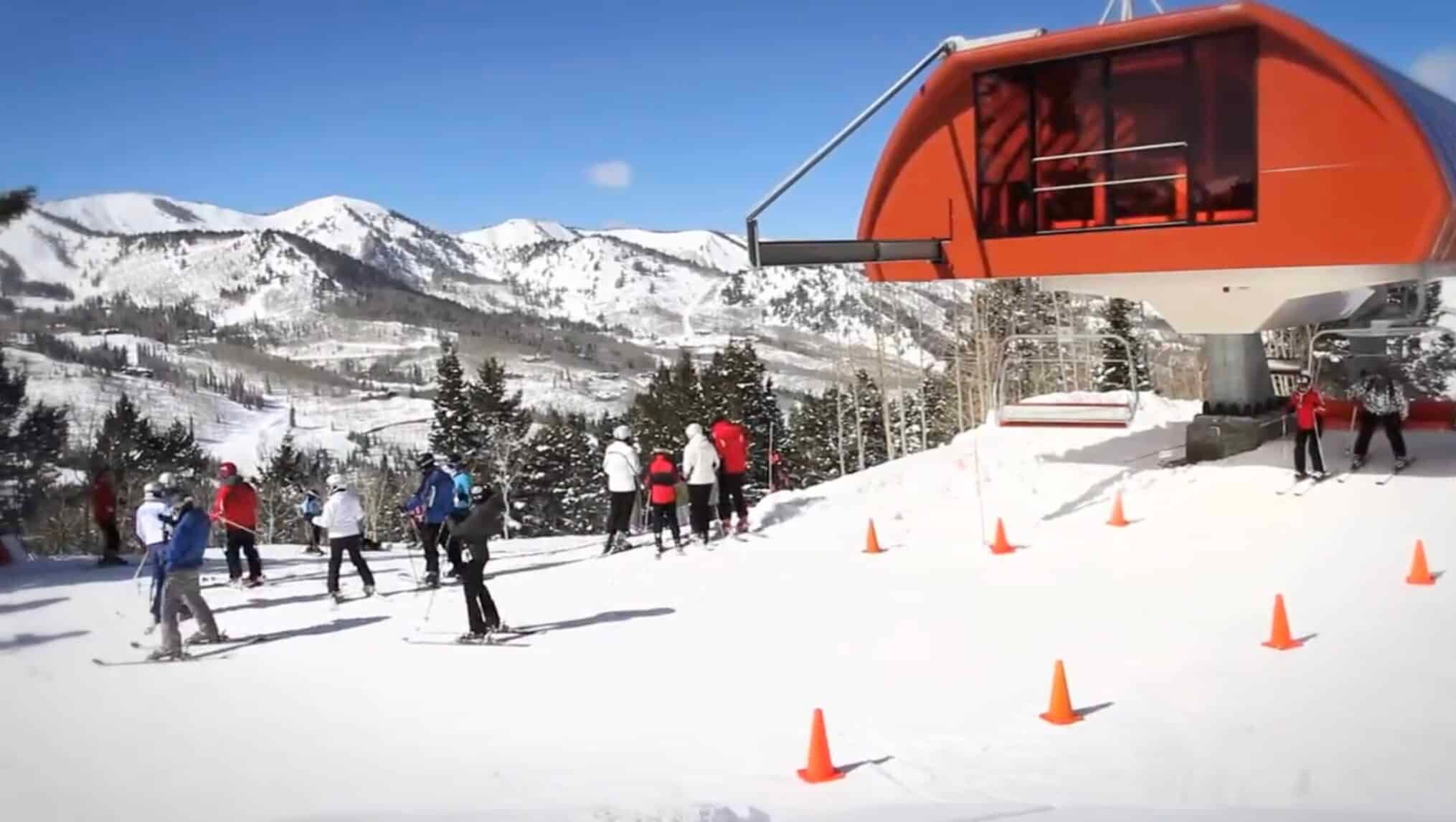
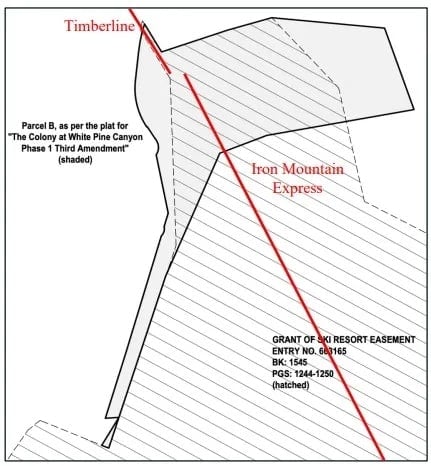
The legal battle was officially brought to light in February of this year when UI Charitable, a non-profit organization that acquired the disputed land parcel in 2024, filed its complaint in Summit County’s 3rd District Court. The lawsuit alleges that the land on which the Iron Mountain Express and Timberline chairlifts are situated is being used beyond the scope of any valid easement. UI Charitable contends that while previous agreements may have permitted "ski easement uses," they did not extend to "ski resort uses," which they define as the operation of chairlifts, trail maintenance, and the broader infrastructure associated with a commercial ski resort.
According to filings obtained by ABC4 Utah, UI Charitable has stated that Park City Mountain Resort’s current operations "exceeds the scope of any easement, constitutes ongoing trespass, and unjustly enriches them by enhancing resort connectivity, increasing revenues, and reaping operational benefits—all at UI’s expense and without compensation." The non-profit is seeking substantial financial compensation, reportedly in the millions, and is also petitioning for the cessation of operations for both the Iron Mountain Express and Timberline chairlifts. This action directly challenges Vail Resorts’ long-standing ability to utilize these crucial pieces of infrastructure that are integral to the resort’s connectivity and guest experience.
Vail Resorts’ Defense: A Long-Standing Right to Operate
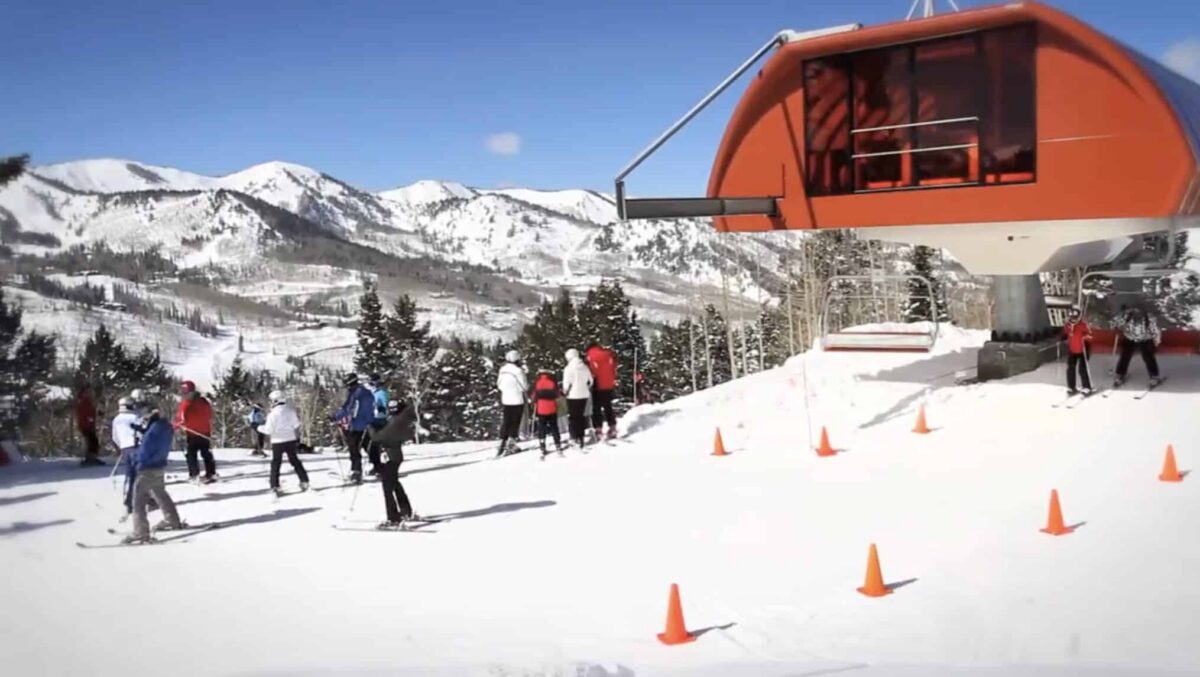
Vail Resorts, which manages Park City Mountain Resort, has responded to the lawsuit with a firm legal stance. In a motion to dismiss the case, filed in early April, the ski resort conglomerate argued that UI Charitable’s assertion is fundamentally flawed and ignores the history of the area. The company’s filing, as reported by The Park Record, highlights the "unsupportable claim that a ski resort that has been operating… for nearly two decades, and for many years before Parcel B even existed as a legal parcel, suddenly has no right to do so."
Vail Resorts’ defense hinges on a 2003 easement agreement, which they maintain explicitly grants the ski resort operator the right to maintain trails and operate lifts on the land in question. This easement predates the current lawsuit by over two decades and was in place during periods when the land was owned by entities that subsequently led to the current operational framework of Park City Mountain Resort. The company argues that the non-profit’s interpretation of the easement is narrow and overlooks the established practices and agreements that have governed the use of this land for ski resort purposes.
A History of Operations and Easements
The dispute is further complicated by the complex history of land ownership and easement agreements in the Park City area. UI Charitable’s legal argument also posits that the American Skiing Company, which at one point owned The Canyons (now integrated into Park City Mountain Resort), never properly transferred its easements to subsequent owners, including Vail Resorts. This assertion suggests a potential gap or lapse in the chain of title for these crucial rights, which could undermine Vail Resorts’ claim to operate the lifts.
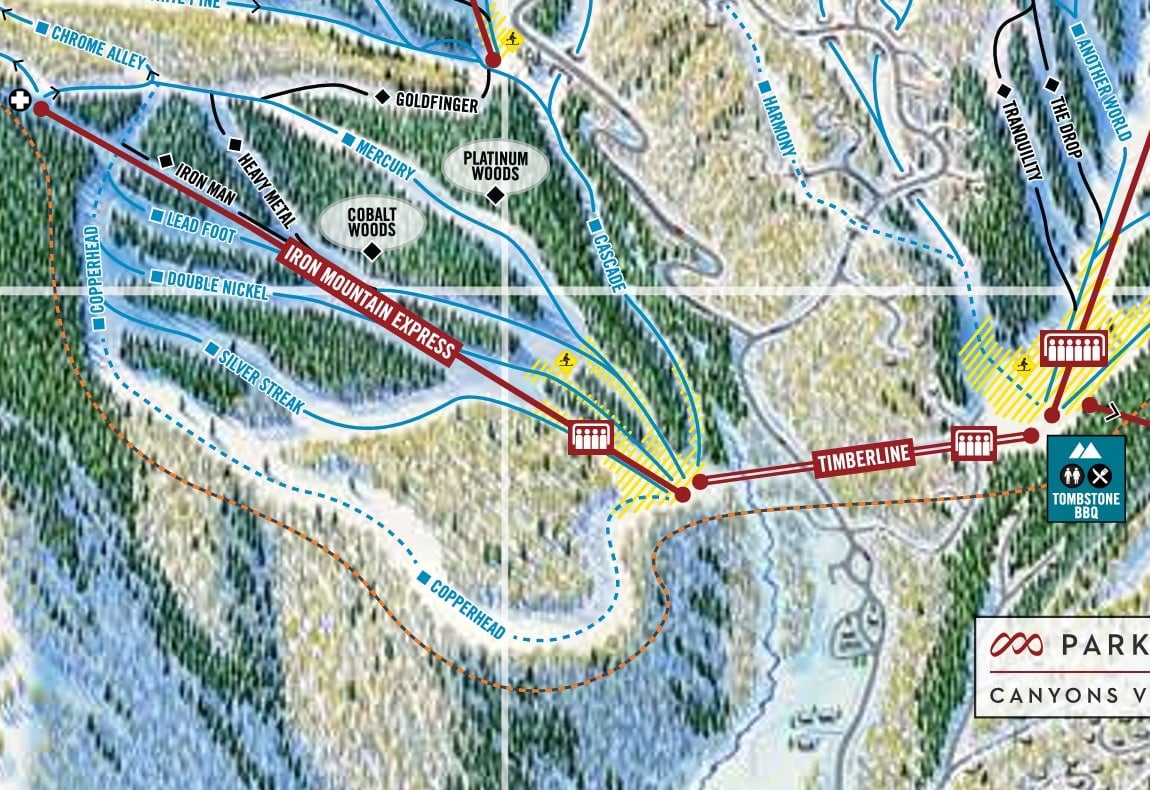
However, Vail Resorts counters that the 2003 easement provides a clear and sufficient legal basis for their operations. The Timberline chairlift was first introduced in 2008, and the Iron Mountain Express was installed in 2010. These lifts serve distinct but interconnected functions within the resort. The Iron Mountain Express provides access to intermediate and advanced terrain, including gladed areas, enhancing the skiable acreage and variety available to guests. The Timberline lift acts as a vital connector, linking the Tombstone and Iron Mountain areas, and facilitating return routes to Canyons Village and the QuickSilver Gondola, thereby improving overall guest circulation and access across the vast resort. The operational history of these lifts, spanning over a decade and a half, forms a significant part of Vail Resorts’ defense.
Implications of the Lawsuit: Potential Impacts on the Resort and Community
The potential consequences of this lawsuit are far-reaching. If UI Charitable were to succeed in its legal bid, the shutdown of the Iron Mountain Express and Timberline chairlifts would have a significant impact on Park City Mountain Resort’s operational capacity and its appeal to skiers and snowboarders. These lifts are not merely access points; they are integral to the resort’s layout, flow, and ability to offer a diverse and connected skiing experience. The loss of these lifts could lead to reduced skiable terrain, longer traverse times between different areas of the mountain, and a diminished overall guest experience.
Vail Resorts has emphasized these potential negative impacts in its filings. The company has argued that a shutdown would result in job losses due to decreased operational needs and an inability to maintain trails for Homeowners Association (HOA) members who rely on these areas. Furthermore, the resort operator contends that the economic and operational harm to Vail Resorts would "far outweigh" the alleged harm to UI Charitable. They assert that the injury would extend beyond the resort itself, affecting its employees, guests, and the broader Park City community, which relies heavily on the economic contributions of the ski industry.

The Broader Context: A History of Litigation in Park City
This lawsuit is not an isolated incident in the complex relationship between ski resorts and landowners in Park City. The area has a history of contentious legal battles concerning land use, easements, and operational rights. Previous disputes, such as the protracted litigation between Park City Mountain Resort and Talisker Mountain, Inc. (which involved the development of Canyons Resort prior to its acquisition by Vail Resorts), have highlighted the intricate legal landscape governing ski operations on leased or easement-held land. These past conflicts underscore the challenges of navigating long-term agreements and evolving land ownership structures within the context of a thriving ski resort economy. The current legal action against Vail Resorts by UI Charitable adds another chapter to this ongoing narrative, raising questions about the interpretation and enforcement of historical land use agreements in the face of new ownership and changing priorities.
The resolution of this lawsuit will likely depend on the court’s interpretation of the 2003 easement agreement and the historical context of its creation and subsequent use. Vail Resorts’ motion to dismiss will be a critical first step in determining whether the case proceeds to a full trial or is resolved at an earlier stage. The outcome will have significant implications for Park City Mountain Resort’s future operations and the broader legal framework governing ski resort development and land access in resort communities.

