
May 6th, 2026 – A recent court ruling in Bonneville, Haute-Savoie, has sent ripples of concern through the international skiing community following the manslaughter conviction of a skier responsible for the death of a 5-year-old British child in the French resort of Flaine. The incident, which occurred in 2022, involved an out-of-control skier colliding with the young girl at an estimated speed of 60 km/h (37 mph) while she was in the rear of a ski school group. The impact propelled both skier and child a considerable distance down the slope. Despite immediate first aid and swift transport to Sallanches hospital, the child was pronounced dead.
The defendant, a 43-year-old man, acknowledged in court that his speed may have been inappropriate for the prevailing conditions. The Bonneville judicial court imposed a 12-month suspended sentence and ordered him to pay €165,000 (£142,000) in damages to the grieving family. This verdict, however, has ignited a fervent discussion among PlanetSKI readers, highlighting what many perceive as a growing problem of reckless behaviour on ski slopes worldwide. The widespread reaction underscores a deep-seated concern for safety, particularly for vulnerable skiers, and has prompted a robust exchange of opinions and potential solutions.
Chronology of the Flaine Tragedy
The tragic events unfolded in 2022 on the slopes of Flaine, a popular ski resort in the French Alps. A young British girl, identified as being part of a ski school group, was skiing in a formation. At a critical juncture, a skier, later identified as a 43-year-old man, lost control or, as acknowledged in court, skied at a speed deemed inappropriate for the conditions. He collided with the child at approximately 60 km/h (37 mph). The force of the impact was significant, resulting in both individuals sliding a considerable distance down the piste. Emergency services were immediately alerted. First aid was administered at the scene, and the child was transported to Sallanches hospital. Tragically, she was declared deceased upon arrival. The subsequent investigation and legal proceedings culminated in the manslaughter conviction and sentencing of the skier.
Reader Reactions: A Call for Stricter Enforcement and Cultural Shift
The PlanetSKI platform has become a focal point for skiers and snowboarders sharing their experiences and anxieties. The comments reveal a shared frustration with a perceived decline in slope etiquette and a strong desire for more effective safety measures.
Lena Haurits Nielson articulates a nuanced view, distinguishing between "out of control" skiing and a more insidious form of recklessness: "It’s not just about people skiing out of control. A major issue is those who are technically in control but choose not to slow down in busy areas, weaving through others as if they’re obstacles instead of people. They may feel skilled and precise, but they’re ignoring the most important part of control: adapting speed and space to the environment and the unpredictability of others." She emphasizes that true control lies not in navigating around others, but in skiing in a manner that requires no reaction from fellow slope users.
Yvonne Murray echoes this sentiment, lamenting the "straight line skiers and boarders over last few years thinking they are invincible." She underscores the tragic outcome when "a little child is the victim of such mad irresponsible behaviours." Murray suggests practical measures, including ski patrol confiscating lift passes from offenders and notes the concerning trend of individuals using speed-tracking apps for competition. She also raises the issue of helmet use, observing that while common, French ski instructors often do not wear them, setting a potentially poor example for younger skiers.
Jackie Jones shares a deeply personal and harrowing account of losing her daughter to a collision with a French boarder years ago, highlighting the devastating consequences of reckless skiing. Her plea for "secret ski patrols to monitor safe skiing" and the confiscation of passes for reckless skiers underscores a desperate need for proactive enforcement.
Ellie Fennessy offers a legalistic perspective, distinguishing between being "out of control" and "irresponsible." She argues that the defendant’s admission of skiing too fast for conditions points to irresponsibility rather than a complete loss of control, suggesting a potential nuance in legal definitions and their application.
Lara Webber addresses the often-underestimated speeds achievable on skis. She recounts her 7-year-old managing nearly 60 km/h in a controlled environment, illustrating how quickly such speeds can be reached. Webber points to broader issues like skiers cutting across slopes without looking and sudden turns, advocating for "tighter restrictions and a basic tested level of safety to use the slopes."
Glenys Vargas de Sorrentino presents a comprehensive list of potential safety enhancements, vociferously endorsing proactive piste patrols, speed limits, lift pass confiscation, "piste police," breathalysing, improved signage, safety barriers, and increased education. Her simple yet potent statement, "If you are skiing too fast to stop, then you are skiing too fast," encapsulates a fundamental safety principle.
Pete Croney, a frequent skier, distinguishes between speed and "inappropriate speed," highlighting that 60 km/h might be acceptable on an empty slope but dangerous amidst ski school groups. He advocates for distributing the FIS (Fédération Internationale de Ski) Code of Conduct with every lift pass, suggesting that issues like stopping over crests and entering pistes without looking are often overlooked.
Sheila Frampton recounts an incident on a black piste where a group of children, seemingly out of their depth, were scattered across the slope, creating a dangerous obstacle course. This observation points to potential issues with ski school placement and instructor supervision.
Emily Baraclough expresses disillusionment with French slopes due to perceived "idiots," opting for skiing in Sweden, though even there, she encountered similar issues in resorts frequented by British tourists. This comment raises questions about cultural attitudes towards skiing safety among different nationalities.
Kimberly Sims questions the leniency of the suspended sentence, arguing it offers "no justice for the little victim and her family." This sentiment reflects a broader concern that legal penalties may not adequately reflect the severity of such tragic outcomes.
Andy Dickinson points to the influence of ski apps, suggesting that the pursuit of speed records encourages reckless behaviour, particularly among younger skiers.
Erika Byrne shares a personal experience of being injured due to a family blocking a slope, leading to a fractured knee. She contemplates the possibility of "family-only areas" and empathizes with the immense burden of potentially causing harm to a child.
Noreen Andro criticizes beginners who view skiing as simply descending a slope without considering evasion or braking, likening it to driving without control.
Gareth Tinker calls for technological solutions like GPS-chipped passes and AI to monitor speed and proximity, suggesting automatic pausing of skiing privileges for infractions.
Matthew Badger simply states, "Good, there are way too many out of control idiots out there," reflecting a common frustration.
Sean Marks reiterates that 60 km/h on a blue slope is inherently too fast without clear visibility and no other skiers present.
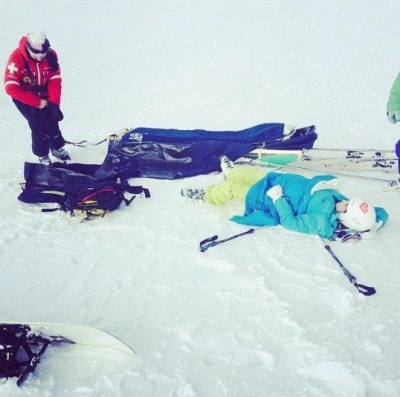
Vickie State shares her own experience of being hit by an out-of-control skier, sustaining serious injuries, and expresses relief that she was not a child.
William Barrie Fairhurst highlights the heightened awareness required when encountering ski school groups, particularly those in high-visibility vests.
Jan Verbeeren echoes the sentiment that boasting about speed on platforms like Strava is a driving factor for reckless skiing.
Anika Louise York Stewart attributes the problem to "self-centred people who lack common sense" and calls for "zero tolerance to dickish behaviour from a well-staffed ski patrol."
Toria Hyder emphasizes the ease with which accidents can happen due to adults skiing out of control and unable to stop quickly. She advocates for better ski school ratios, plain-clothed resort staff monitoring slopes, and the removal of ski passes for repeat offenders. She draws a stark comparison between the impact of an adult skier and a car collision with a child.
Dixie Dean notes the introduction of patrols by Italian local police in some resorts, issuing fines for reckless skiing and driving under the influence.
Alison Biden draws a parallel with driving education, highlighting the lack of comprehensive "peripheral" safety training in skiing. She advocates for more education and has experienced being injured twice in France due to careless skiers.
Lesley Benson suggests having a responsible adult at the rear of ski school groups, similar to outdoor school classes, to enhance supervision.
John Dash proposes ski tickets with GPS chips to enforce speed limits based on slope, experience, and busyness, with options for higher speed limits through approved lessons.
Callum Michael, familiar with the Flaine piste, describes it as potentially dangerous with rollers and a steep pitch, explaining how high speeds could be easily attained, making the tragedy a "tragedy waiting to happen."
Steve Prince calls for "ski police" to suspend passes and for resorts to limit capacity and ban alcohol from mountain restaurants, arguing that skiers should not be consuming alcohol during ski hours.
Chris Vernon contrasts European ski patrol effectiveness with that of North America, noting a lack of intervention for speeding or alcohol consumption in Europe.
Daran Rahill succinctly states, "60km on a blue slope is wrong."
Lara Webber reiterates her point about achievable speeds and the broader issues of skiers cutting across slopes and making sudden turns, advocating for tighter restrictions and safety testing.
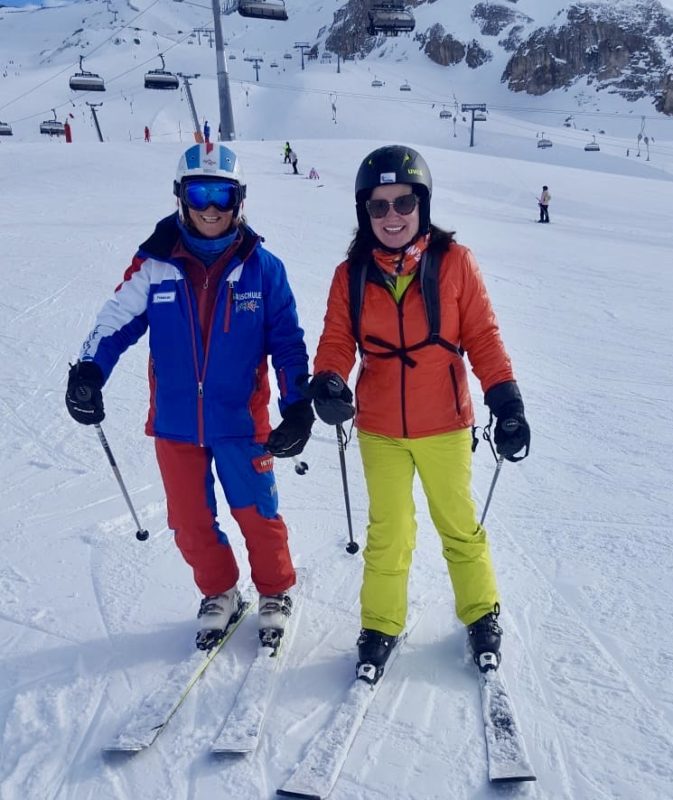
Kay Bates welcomes piste patrols, speed checks, pass confiscation, and the distribution of FIS code leaflets, emphasizing that many skiers overestimate their abilities and ski beyond their capabilities.
Victoria Brooks questions the legality and moral implications of skiing at 60 km/h on a non-race piste and the suspended sentence, comparing it to drunk driving over a school crossing.
Supporting Data and Broader Context
The Flaine incident is not an isolated event. Statistics from the International Ski Federation (FIS) and various national ski safety organizations consistently highlight collisions as a leading cause of injury on ski slopes. While precise global figures for fatalities due to collisions are difficult to aggregate, data from countries like the United States and Canada indicate that a significant percentage of ski and snowboard injuries are attributable to such incidents. For example, a study published in the American Journal of Sports Medicine found that collisions accounted for a substantial portion of injuries treated in hospital emergency departments.
The FIS Code of Conduct, often cited in discussions about slope safety, outlines ten rules for skiers and snowboarders, including the obligation to be able to stop and avoid others, to yield to those downhill, and to ski responsibly within one’s abilities. However, the enforcement of these rules varies significantly between resorts and countries. The varying legal frameworks for prosecuting skiing-related accidents also contribute to the complexity of the issue. In many jurisdictions, establishing negligence or intent is crucial, and the classification of offences can range from simple negligence to manslaughter, depending on the severity of the outcome and the degree of culpability.
Analysis of Implications
The Flaine case and the ensuing reader debate underscore several critical implications for the future of snow sports:
- Enforcement Challenges: The sheer scale of ski resorts and the transient nature of visitors present significant challenges for effective slope monitoring and enforcement. The idea of "secret ski patrols" or plain-clothed officers, while appealing to some, raises logistical and ethical questions regarding surveillance and accountability.
- Technological Solutions: The emergence of speed-tracking apps and potential for GPS integration in lift passes points towards a future where technology could play a more prominent role in safety. However, concerns about privacy and the potential for misuse of such data need careful consideration.
- Education and Culture: Many comments highlight a perceived deficit in basic skiing education, particularly regarding slope etiquette and hazard anticipation. A cultural shift towards prioritizing safety and mutual respect over speed and individual performance appears to be a recurring theme in the reader feedback.
- Legal and Sentencing: The suspended sentence in the Flaine case has been a point of contention, raising questions about the adequacy of legal penalties in deterring reckless behaviour and providing justice for victims.
Related Parties and Potential Responses
While the primary parties involved are the convicted skier, the victim’s family, and the judicial system, the broader ski industry, including resort operators, ski schools, and governing bodies like FIS, have a vested interest in addressing these safety concerns.
- Resort Operators: Could implement more visible signage of the FIS Code, enhance ski patrol presence, and potentially explore technological solutions for speed monitoring. Limiting the number of skiers on busy slopes during peak times could also be considered.
- Ski Schools: The role of ski schools in instilling safe practices from the outset is paramount. There is a clear call for instructors to reinforce the importance of controlled skiing, especially for beginners and children.
- FIS: Continued efforts to promote and update the FIS Code of Conduct, along with providing resources and training for national ski federations and resorts, are essential.
Case Study: The Lingering Impact of Slope Incidents
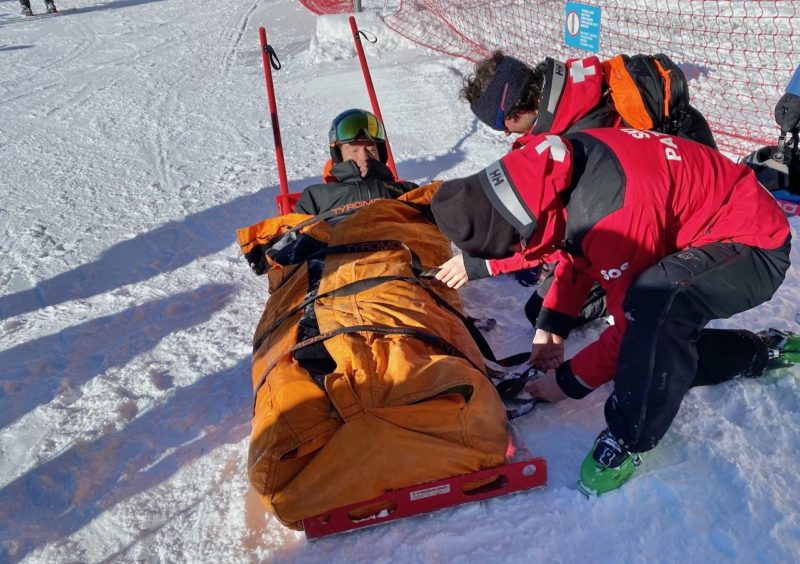
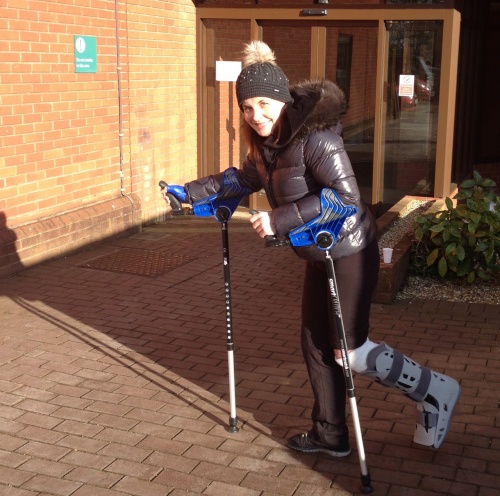
The PlanetSKI article also features a poignant case study of Clare Meaney, who suffered life-changing injuries after being hit by an out-of-control skier in Val d’Isère in 2015. The perpetrator fled the scene, leaving Clare to battle a long and arduous recovery. Her subsequent articles detailing her journey back to skiing, including adaptive skiing, serve as a powerful testament to the devastating and long-lasting consequences of reckless skiing and the resilience of the human spirit. Her experience, shared through PlanetSKI, further amplifies the call for greater accountability and a safer environment for all snow sports enthusiasts.
The tragic death of the young British girl in Flaine serves as a stark reminder that the pursuit of winter sport enjoyment must always be balanced with a profound respect for the safety of others. The widespread and passionate response from PlanetSKI readers indicates a collective yearning for a safer, more responsible approach to skiing, urging a fundamental reassessment of attitudes and enforcement on the world’s slopes.

