
For generations of winter sports enthusiasts, the rigid, uncompromising grip of a ski boot has been accepted as a necessary trade-off for downhill performance, often viewed as a "badge of honor" among seasoned athletes. However, as the 2026 ski season approaches, medical professionals are increasingly highlighting the thin line between the expected discomfort of high-performance gear and the onset of permanent physiological damage. While the sport of skiing relies on the transfer of energy from the leg to the ski through a stiff plastic shell, the internal environment created for the human foot can become a catalyst for chronic deformities and neurological issues if the equipment is not meticulously managed.
The Biomechanics of the Rigid Shell and Common Pathologies
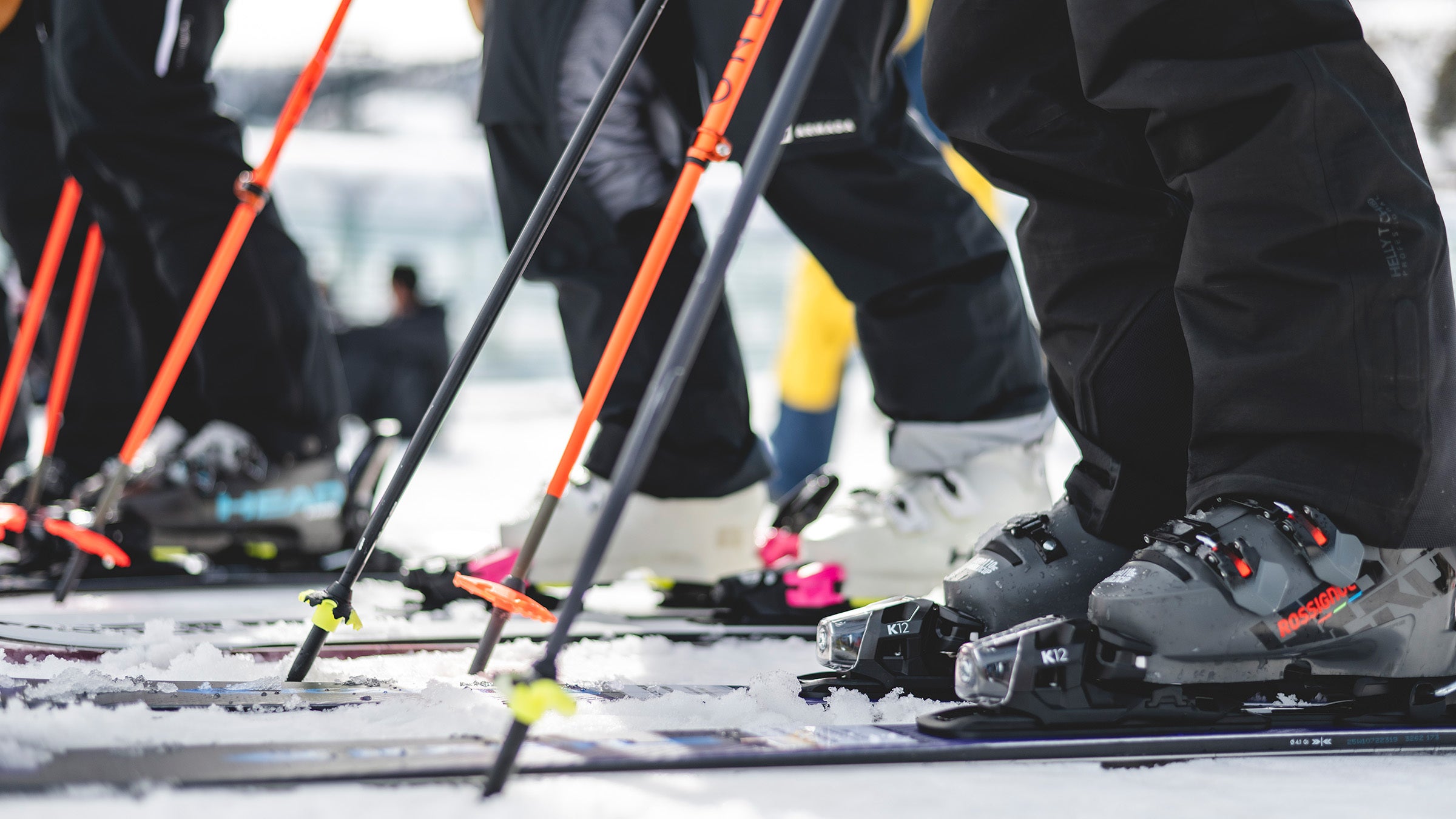
The primary function of a ski boot is to stabilize the ankle and foot, providing a direct interface with the binding and ski. Unlike a running shoe, which is designed to flex with the foot’s natural gait, a ski boot is intended to restrict movement to ensure safety and control at high speeds. According to Dr. Nelya Lobkova, a New York City-based podiatrist and veteran skier, this restriction can significantly exacerbate pre-existing conditions or create new ones entirely.
Among the most common issues identified by podiatrists are bunions and Morton’s neuroma. A bunion, or hallux valgus, is a bony bump that forms on the joint at the base of the big toe. While often genetic, the pressure of a narrow toebox in a ski boot can cause the condition to progress rapidly. "When the toebox in a boot is tight, friction can cause bunions, hammertoes, and neuromas to become painful," Dr. Lobkova explains. Conversely, a boot that is too loose can be equally damaging. In an oversized shell, the foot slides forward during deceleration or turns, causing the toes to jam into the front of the boot. This repetitive micro-trauma can impinge the nerve roots, leading to Morton’s neuroma—a thickening of the tissue around the nerves leading to the toes that results in sharp, burning pain or numbness.
The Chronology of Injury: From Acute Discomfort to Permanent Deformity
The progression of foot damage in skiers typically follows a specific timeline, beginning with acute pressure and potentially ending in irreversible structural changes. In the short term, skiers often experience subungual hematoma, colloquially known as "black toenails." This occurs when pressure on the front of the boot causes bleeding under the nail bed.
"Both conditions [subungual hematoma and ingrown nails] could potentially lead to a toenail infection that may require removal of the toenail or oral antibiotics," says Dr. Lobkova. She further warns that excessive damage to the toenail bed can cause irreversible changes to the nail’s growth patterns. "The toenails may not look the same afterwards, typically appearing thicker and shorter compared to the other toenails."
The timeline of damage often accelerates during a single week of intense skiing. If a boot fits poorly on day one, the resulting inflammation increases the volume of the foot, making the fit even tighter on day two. By day three, the "tourniquet effect" can begin to take hold. This occurs when the foot and ankle swell due to exertion and temperature changes, but are confined by the unyielding plastic shell. This constriction can impede blood flow, leading to localized ischemia and increased risk of frostbite or nerve damage.
Supporting Data: The Impact of Fit on Performance and Longevity
Recent studies in sports medicine suggest that nearly 20% of all skiing-related medical consultations involve the lower extremities, excluding the knee. While ligament tears often dominate the headlines, the cumulative effect of foot issues is a leading cause of "sport dropout" among recreational skiers over the age of 45.
Dr. Mikel Daniels, a podiatric surgeon based in Baltimore, emphasizes that the distinction between "normal" and "pathological" pain is critical for the longevity of a skier’s career. "Ski boots are not ‘bad’ for your feet, but badly fit ski boots are," Dr. Daniels asserts. He notes that a new boot should feel snug, with the toes lightly brushing the front when standing upright, but pulling back slightly when the skier enters a flexed "ski stance." If the pain causes a skier to focus more on their feet than the terrain, the fit is clinically inappropriate.
The industry has responded to these concerns with the rise of professional boot fitting, a discipline that sits at the intersection of craftsmanship and biomechanical engineering. Data from major ski retailers indicates a 35% increase in the demand for custom heat-molding and shell-punching services over the last five years, as consumers become more aware of the medical risks associated with "out-of-the-box" fits.
Professional Interventions and Customization Strategies
To mitigate the risks of permanent damage, medical experts and professional boot fitters recommend a multi-step customization process. The first line of defense is heat-molding, a process where the boot’s inner liner (and sometimes the outer shell) is heated and then worn by the skier to create a precise map of their foot’s unique anatomy.
"When heat-molded and custom-fitted, downhill ski boots should contour all forefoot deformities, such as bunions, hammertoes, and Morton’s neuroma," Dr. Lobkova says. For more severe pressure points, fitters use a technique called "punching," where specialized tools are used to permanently expand specific areas of the plastic shell. Dr. Daniels recounts the case of a patient who suffered from chronic black toenails for years. "Once we got him into a boot with the right shell length and a small punch in the toe box, his toenails finally survived a ski season."
However, for many skiers, the problem lies not in the shell, but in the lack of arch support. Standard insoles provided by manufacturers are often thin and offer little structural integrity. Dr. Lobkova frequently prescribes custom orthotics specifically designed for the low-volume environment of a ski boot. These specialized inserts often include an embedded metatarsal pad to separate the toe bones and tendons, effectively preventing the compression that leads to neuromas.
Implications for the Rental Market and Casual Skiers
The risk of foot damage is disproportionately high for the rental market, where skiers often prioritize convenience over precision. Because rental boots are designed to fit the widest possible range of feet, they are frequently either too voluminous or lack the necessary support for specific foot shapes.
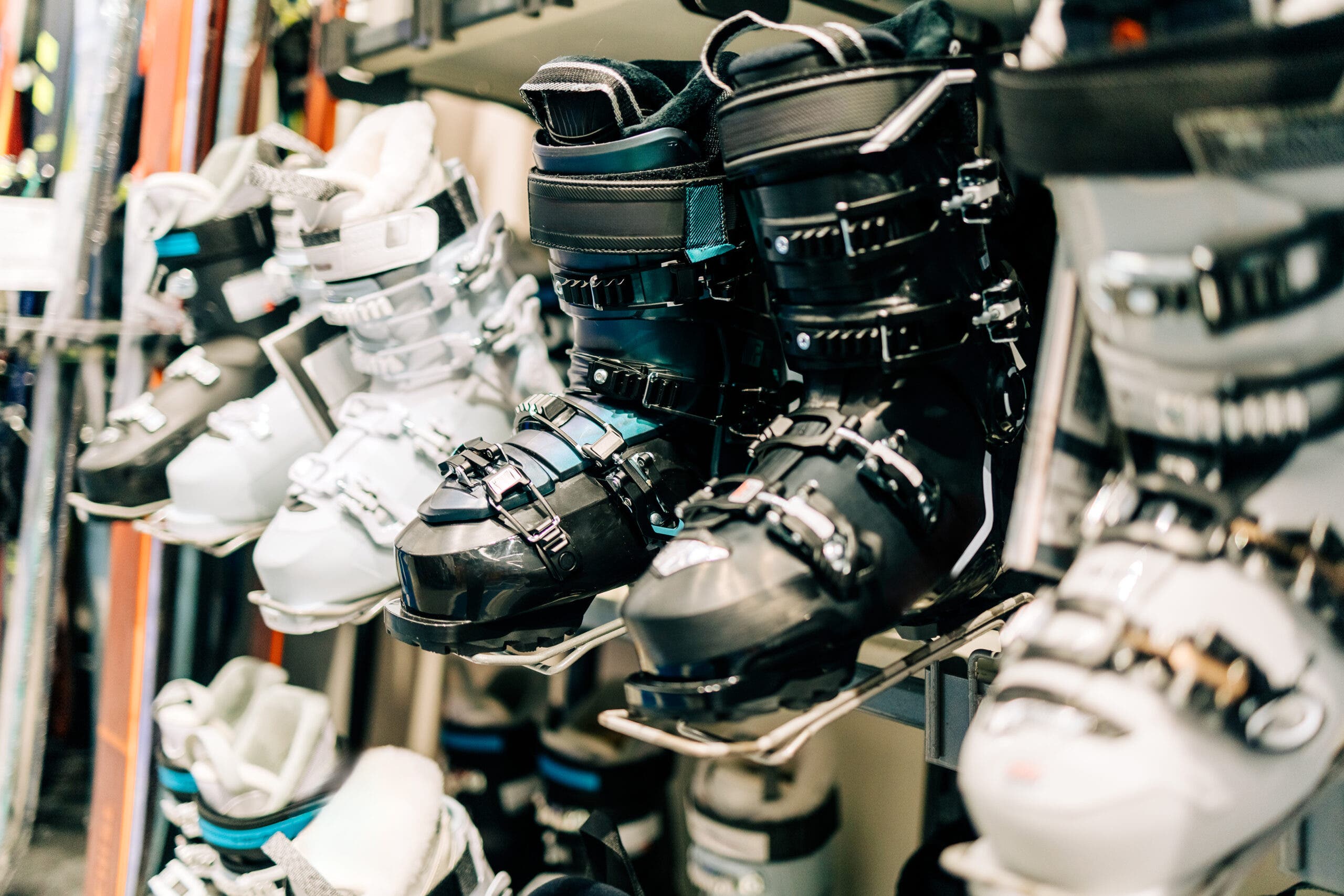
Dr. Daniels advises rental customers to be proactive. "A loose shell with over-tight buckles gives you pressure points and poor control," he warns. He suggests that even casual skiers should bring their own high-quality, merino wool socks and, if they use orthotics in their everyday shoes, they should attempt to use them in their rental boots as well. The transition from cotton to technical wool is not merely about warmth; it is about moisture management and friction reduction, both of which are essential for preventing the blisters and skin breakdowns that can lead to secondary infections.
Broader Perspectives on Winter Sports Health
The discussion surrounding ski boot fit is part of a larger movement in sports medicine toward "prehab" and preventative care. As the average age of the skiing population increases, the importance of maintaining foot health becomes a matter of general mobility. Chronic foot pain can lead to compensatory gait changes, which in turn place undue stress on the knees, hips, and lower back.
Furthermore, the physiological impact of the "lodge break" is often overlooked. Dr. Lobkova highlights the importance of loosening or removing boots during breaks to allow for circulation recovery. "When you move from a cold temperature to a warm one, your feet and ankles swell. You don’t want them to swell against a stiff boot because this will cause a tourniquet effect," she explains. This simple habit can be the difference between a successful week on the slopes and a season-ending injury.
Conclusion: Listening to the Body
As technology in the ski industry continues to evolve, the tools available to prevent foot damage have never been more sophisticated. From vacuum-molded shells to 3D-printed custom liners, the "badge of honor" associated with foot pain is rapidly becoming an outdated concept.
The consensus among podiatric experts is clear: while some level of snugness is required for performance, localized pain, persistent numbness, or changes in nail health are warning signs that should not be ignored. By treating ski boots as a piece of medical-grade equipment rather than a simple accessory, skiers can ensure that their passion for the mountains does not result in a lifetime of podiatric complications. As Dr. Daniels concludes, the ultimate goal of any fit is to allow the athlete to forget their feet and focus entirely on the sport.

