
Millions of visitors flock to America’s national parks each year, often driven by a desire to capture the perfect social media moment or to tick off a list of iconic viewpoints. This relentless pursuit of curated experiences frequently transforms ecologically sensitive park roads into mere conduits, where the urgent pace of drivers comes at a devastating cost to the wildlife that calls these protected lands home. The tragic consequences extend beyond the animal kingdom, as motor vehicle crashes have become the leading cause of unintentional fatalities within national parks, claiming hundreds of human lives annually.
The Escalating Toll on Wildlife and Visitors
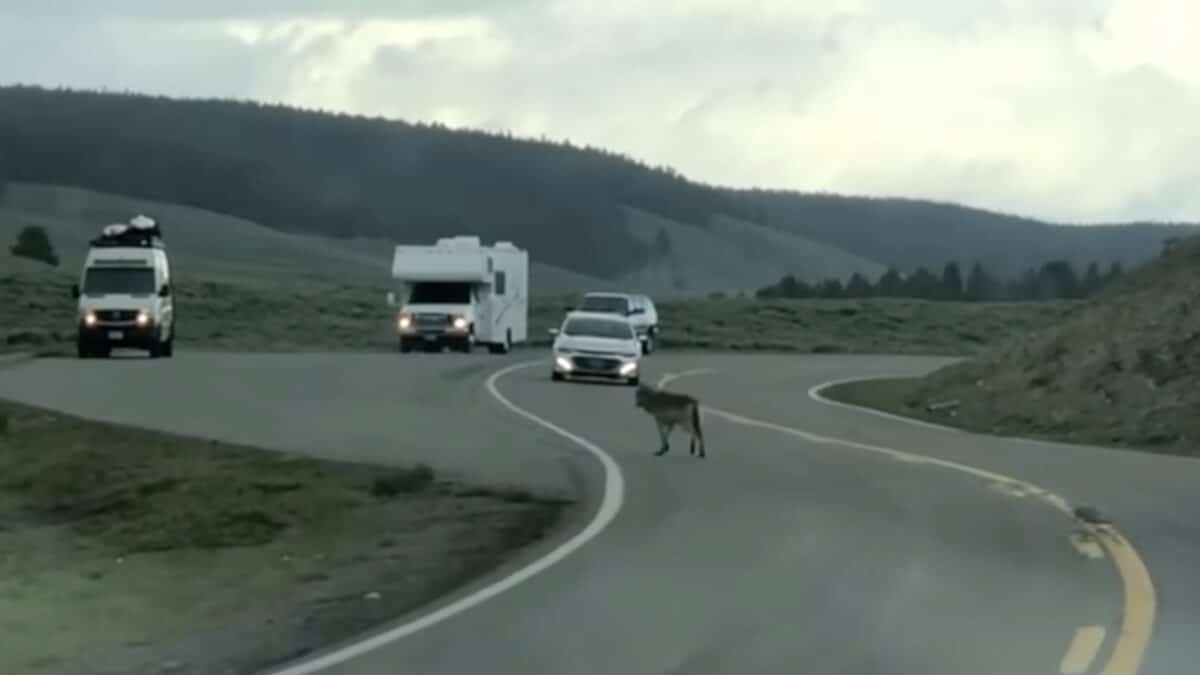
The statistics paint a grim picture of the impact of vehicular speed and driver impatience. In renowned parks like Yellowstone and Grand Teton, the combined annual toll of large animal deaths due to vehicle collisions exceeds 100. One particularly harrowing year saw Grand Teton alone lose a significant number of its iconic residents: five bears, two wolves, five moose, 48 elk, 41 deer, 17 bison, and six pronghorn. These are not isolated incidents but rather a consistent and alarming trend that underscores the vulnerability of park wildlife to human-driven vehicles.
The incident near Lewis Lake in Yellowstone, as witnessed by a wildlife filmmaker from At Home In Wild Spaces, starkly illustrates the suffering inflicted by such collisions. A grizzly bear, struck by a passing vehicle, was found injured on the roadside. While park rangers were alerted and an extensive search was initiated, the ultimate fate of the animal remains unknown. Such encounters highlight the often-unseen and protracted agony that follows a collision, with injuries that may appear survivable to the human eye proving fatal for animals struggling to hunt, evade predators, and endure the harsh elements without adequate care.

A Closer Look at Yellowstone’s Bear Fatalities
Yellowstone National Park, a sanctuary for a thriving grizzly bear population, experiences a tragic vehicular collision with a grizzly approximately every three to four years, according to the park’s chief bear biologist. While this specific statistic offers a glimpse into the impact on a keystone species, the broader data reveals a more pervasive issue. Studies indicate that both local residents and out-of-state visitors are involved in these collisions at nearly equal rates. This finding is particularly concerning given that locals constitute a minuscule percentage of overall park visitation. The implication is that familiarity with park roads, while seemingly an advantage, can breed a dangerous complacency, leading to habitual speeding and a disregard for the inherent risks.
The Critical Need for Patience and Awareness on Park Roads
National park roads, by their very nature, demand a level of patience and attentiveness that many drivers, accustomed to higher-speed highways, are unequipped to provide. The narrow lanes, sharp curves, and strictly enforced low speed limits are not arbitrary restrictions but essential safety measures designed to protect both visitors and wildlife. A collision with a 2,000-pound bison, for instance, is mechanically akin to impacting another vehicle at high speed. Even smaller animals can be propelled by the force of impact, posing a severe risk to vehicle occupants by potentially breaching windshields.
Official Guidance and the Responsibility of Visitors
The National Park Service (NPS) consistently emphasizes the critical importance of adhering to posted speed limits at all hours, regardless of perceived road conditions. Drivers are urged to remain within their vehicles when traffic stops unexpectedly, a common occurrence when wildlife is present. Furthermore, maintaining a safe distance from animals is paramount: a minimum of 100 yards from bears and wolves, and 25 yards from all other large wildlife, is strongly advised. The NPS also strictly prohibits feeding animals from vehicle windows, a practice that not only habituates wildlife to human presence but can also lead to dangerous interactions and increased collision risks.
A Shifting Paradigm: Parks as Wildlife Havens
The fundamental principle underlying park regulations is that these vast natural landscapes are primarily the domain of the wildlife that inhabits them. Human presence within these protected areas is a privilege, not an inherent right, and this privilege carries a profound responsibility. This responsibility does not diminish when the scenery becomes particularly captivating or when the desire to reach the next scenic overlook intensifies. It demands a conscious and consistent effort to prioritize the safety and well-being of the park’s natural inhabitants.
Analysis of Implications and Future Considerations
The ongoing issue of vehicle-wildlife collisions in national parks has far-reaching implications. Beyond the immediate loss of animal life and the tragic human fatalities, these incidents can have cascading effects on park ecosystems. The disruption of predator-prey relationships, the fragmentation of wildlife populations, and the potential for disease transmission are all concerns that stem from inadequate driver behavior.
The data suggesting equal involvement rates between locals and tourists points to a need for broader public awareness campaigns that transcend typical visitor demographics. Educational initiatives could be enhanced through partnerships with local communities, outdoor recreation organizations, and educational institutions to foster a deeper understanding of park ecology and responsible visitation practices.
Furthermore, the effectiveness of current enforcement strategies warrants periodic review. While fines and citations can serve as deterrents, a more proactive approach focusing on education and visitor engagement before incidents occur might prove more effective in cultivating a culture of respect and caution within park boundaries.
The ongoing challenge of balancing visitor access with wildlife preservation requires a continuous dialogue and adaptive strategies. As visitation numbers continue to rise, the imperative to slow down, observe, and respect the wild nature of our national parks becomes increasingly critical for the survival of both its animal inhabitants and its human visitors. The beauty of these landscapes is amplified when experienced with patience and a profound respect for the delicate balance of life they sustain.

