
The transition from the final spring thaw to the first dusting of winter powder represents a critical period for alpine athletes, as the physiological demands of skiing require a level of conditioning that cannot be achieved through seasonal participation alone. While the majority of recreational skiers engage with the sport for only four to six months of the year, sports medicine professionals and kinesiologists emphasize that maintaining "ski shape" is a perennial necessity rather than a seasonal luxury. The complex biomechanics of navigating powder, carving through hardpack, and absorbing the impact of moguls necessitate a robust foundation of core stability, lateral strength, and eccentric control. By implementing a rigorous off-season assessment—specifically the side plank test—and integrating targeted movements such as lateral lunges, step-ups, and anti-rotational core work, skiers can significantly mitigate the risk of common musculoskeletal injuries while enhancing their on-slope performance.

The Biomechanical Demands of Alpine Skiing
To understand the necessity of year-round training, one must first examine the specific physical stresses imposed by alpine skiing. Unlike running or cycling, which primarily occur in the sagittal plane (forward and backward movement), skiing is a multi-planar sport with a heavy emphasis on the frontal and transverse planes. As a skier initiates a turn, the body must resist centrifugal force while maintaining a stable torso over a moving base. This requires extreme activation of the obliques, the gluteus medius, and the deep stabilizers of the spine.
Data from the National Ski Areas Association (NSAA) and various sports medicine journals indicate that lower extremity injuries, particularly to the Anterior Cruciate Ligament (ACL) and the medial collateral ligament (MCL), remain the most prevalent trauma in the sport. Furthermore, chronic issues such as lower back pain and hip impingement are frequently reported by veteran skiers. Research suggests that a significant percentage of these injuries are preventable through "prehabilitation"—a proactive approach to strengthening the kinetic chain before the stresses of the season begin.
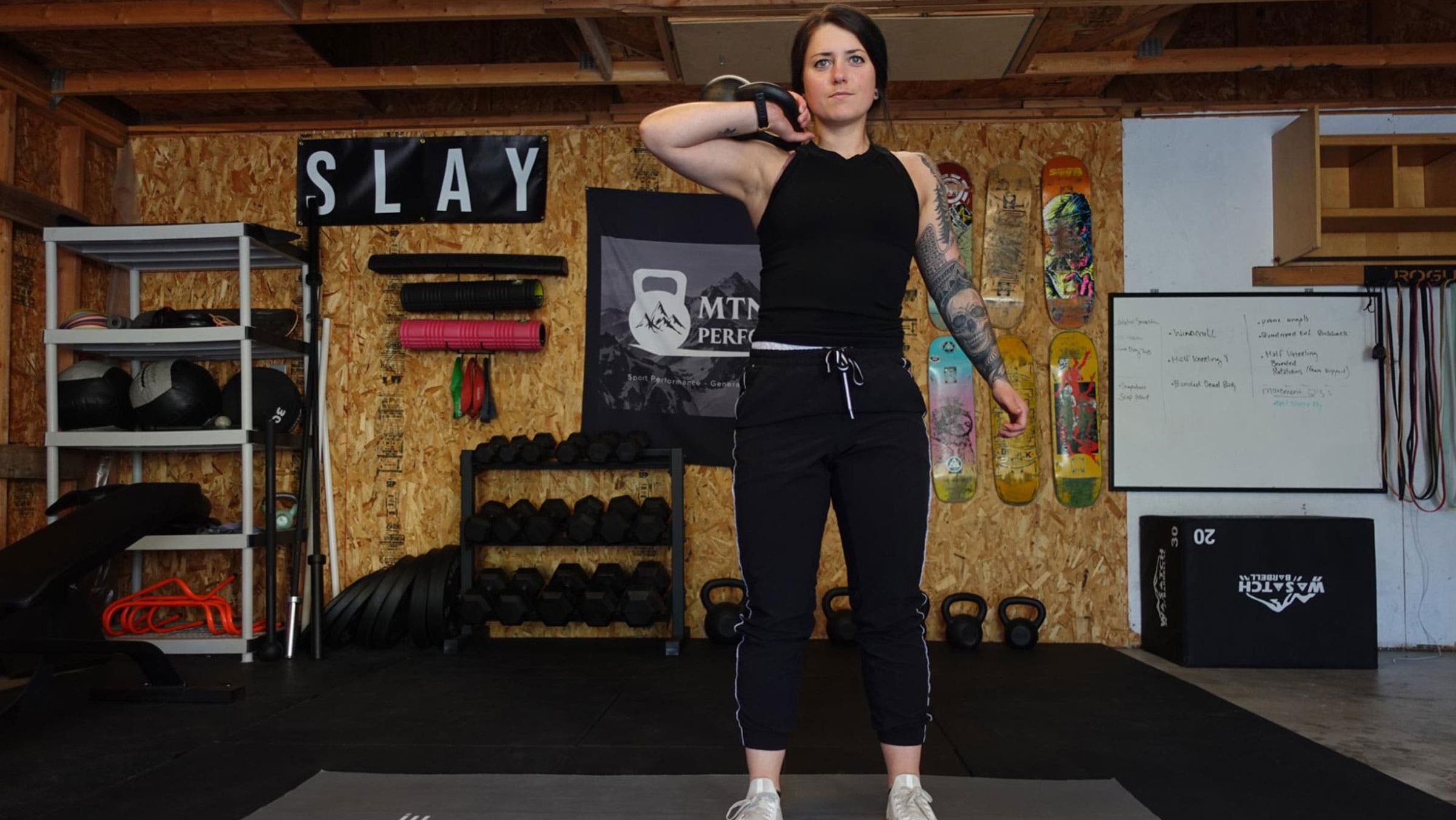
Assessing Functional Readiness: The Side Plank Test
Before beginning an intensive off-season regimen, athletes must establish a baseline for their current functional strength. One of the most effective diagnostic tools for skiers is the side plank test. This assessment is designed to reveal imbalances in the "lateral line" of the body, specifically targeting the hips, trunk, and core.
The side plank test serves as a proxy for a skier’s ability to stabilize their pelvis during a high-speed turn. When a skier lacks sufficient strength in the obliques and hip abductors, the pelvis tends to "drop" or rotate prematurely, placing excessive strain on the lumbar spine and the knee joint.
Execution and Scoring of the Side Plank Test
To perform the test, the individual must lie on their side with the elbow positioned directly beneath the shoulder to ensure skeletal stacking. The legs are stacked, and the hips are lifted until the body forms a straight line from the cranium to the calcaneus. The top foot is then flexed and lifted to hip height.
In a clinical setting, a skier’s performance is measured by the quality of their form and the number of repetitions they can sustain. A typical proficient skier should be able to complete at least five controlled lifts per side without the shoulder collapsing or the hips sagging toward the floor. However, the gold standard for peak off-season readiness is the ability to complete 10 to 15 repetitions with perfect postural integrity. Failure to reach these benchmarks indicates a deficiency in lateral stability that could lead to injury under the high-torque conditions of downhill skiing.
The Five Pillars of Off-Season Strength Training
Once a baseline has been established, the focus shifts to a structured exercise program designed to address the specific muscle groups utilized on the mountain. The following five exercises have been identified by strength and conditioning coaches as essential components of a comprehensive ski-conditioning program.
1. Lateral Lunges: Building Frontal Plane Power
Standard lunges are effective for general leg strength, but the lateral variation is far more specific to the demands of skiing. Lateral lunges target the gluteus medius, adductors, and quads in a way that mimics the weight transfer required during a turn.
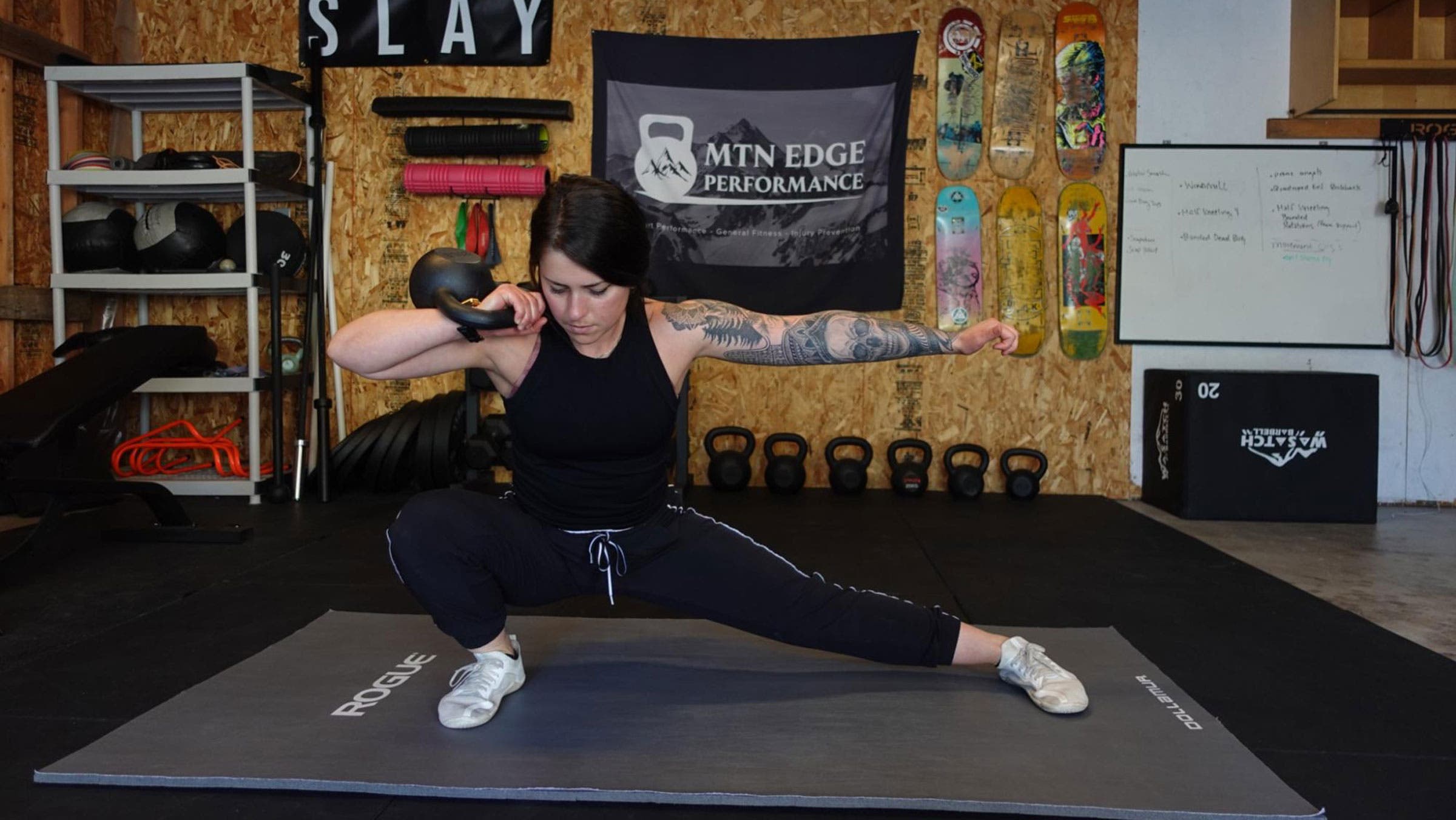
The movement involves stepping out to the side while keeping the trailing leg straight and the toes pointed forward. The athlete sinks into the hip of the lead leg, maintaining an upright chest and a neutral spine. This exercise not only builds strength but also improves the flexibility of the adductors, which is vital for preventing groin strains. To progress this movement, practitioners often introduce external resistance, such as a kettlebell held in the "goblet" position or a front rack position, to further challenge the core’s ability to stabilize under load.
2. Step-Ups: Unilateral Stability and Explosive Power
Skiing is essentially a series of unilateral movements; at any given moment in a turn, one leg is bearing significantly more load than the other. Step-ups are an ideal tool for eliminating strength imbalances between the left and right legs.
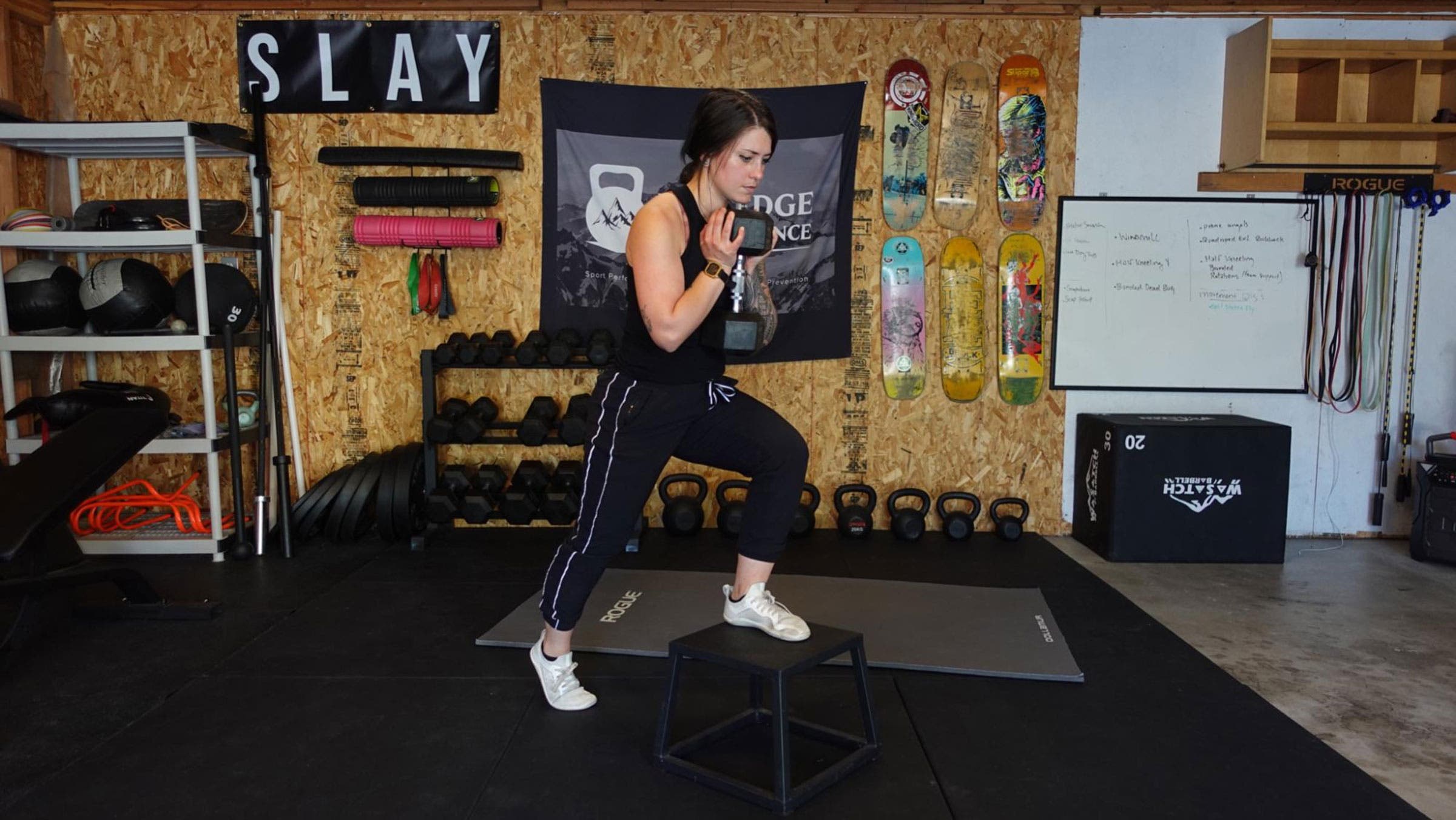
By utilizing a box or bench at shin or knee height, the athlete drives through the heel of the lead leg to reach a standing position. The focus here is on the "eccentric" phase—the slow, controlled descent back to the floor. This controlled lowering mimics the way a skier’s muscles must absorb the shock of uneven terrain. Studies in the Journal of Strength and Conditioning Research have shown that unilateral exercises like step-ups are more effective at improving balance and joint stability than bilateral movements like the traditional back squat.
3. Gorilla Rows: Protecting the Posterior Chain
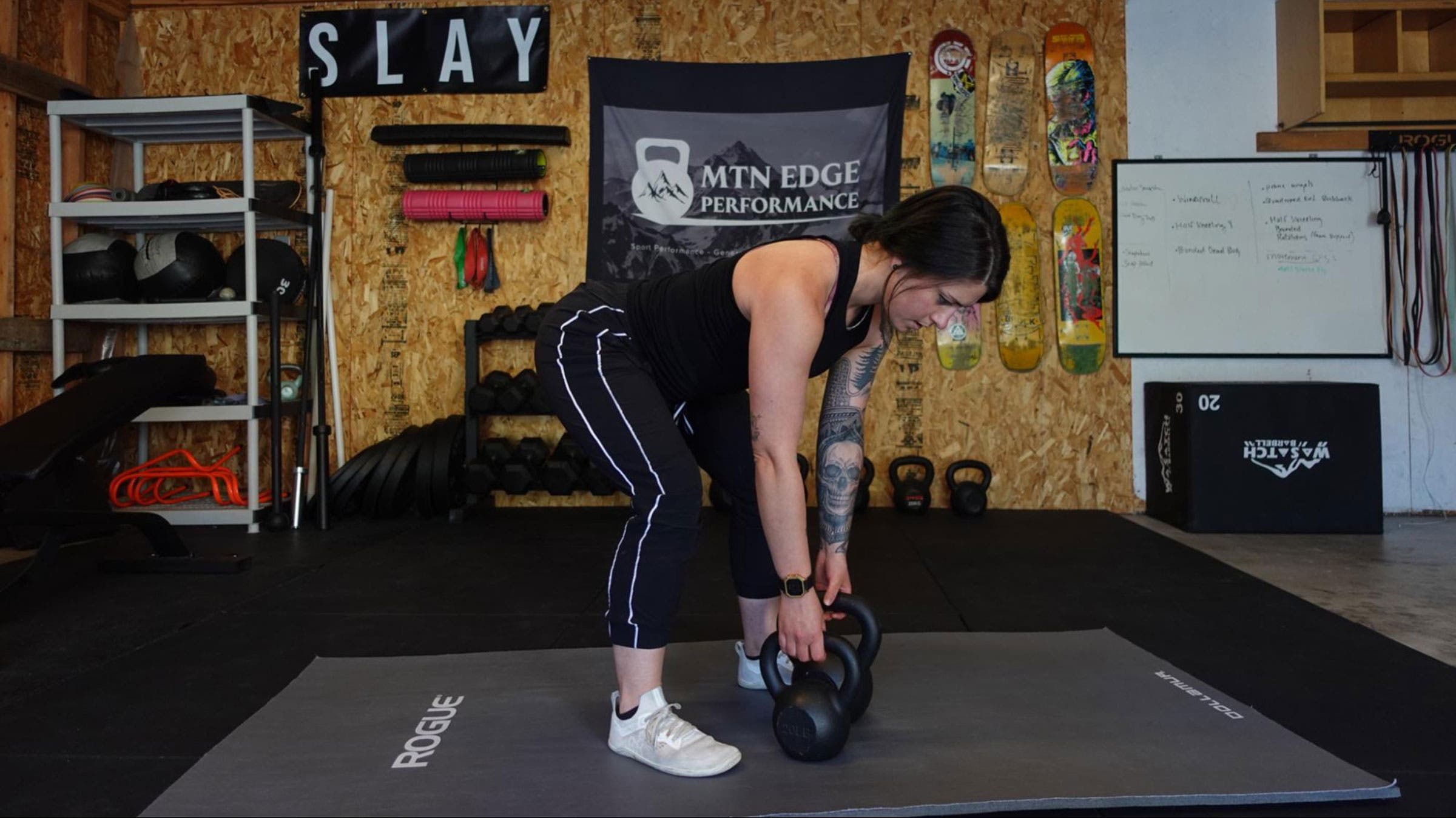
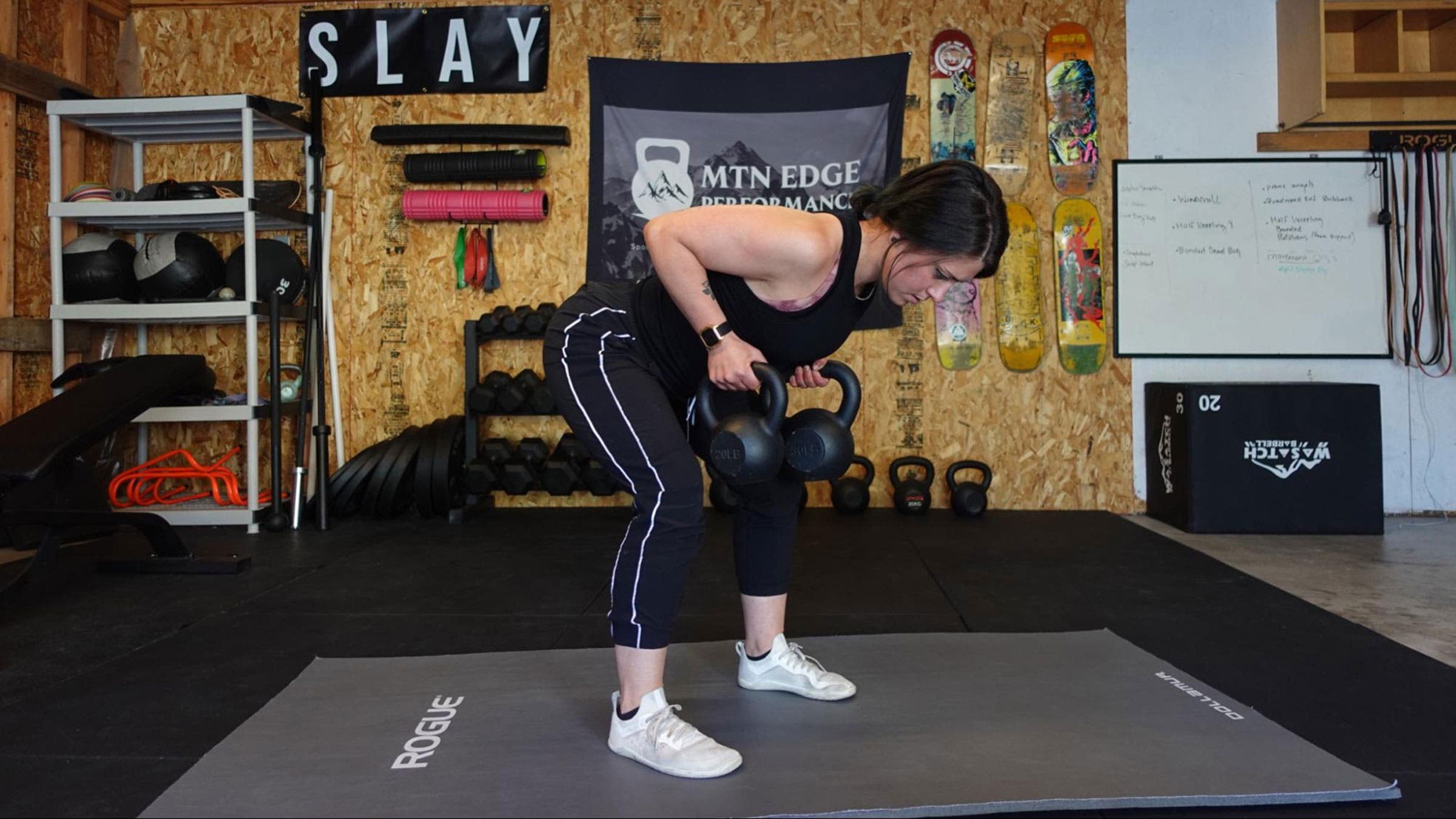
The "Gorilla Row" is a specialized compound movement that bridges the gap between lower-body stability and upper-body strength. Using a set of kettlebells, the athlete assumes a wide, hinge-based stance, similar to a deep squat. While maintaining a flat back, they alternate rowing the weights toward their hips.
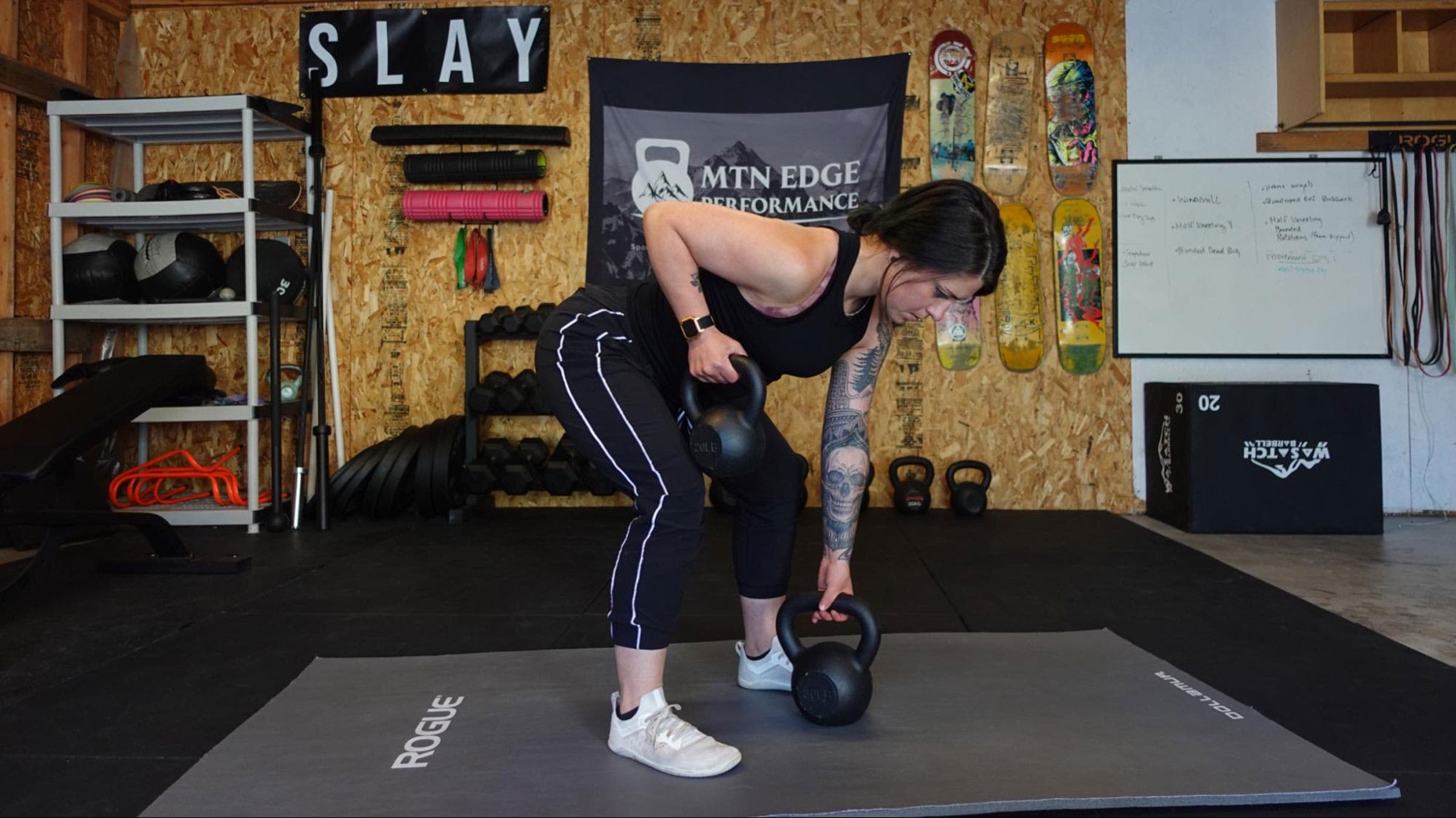
The primary benefit for skiers lies in the activation of the erector spinae and the quadratus lumborum. These deep back muscles are responsible for maintaining the "athletic stance" required in skiing. When a skier hits a sudden bump or lands a jump, it is the posterior chain that absorbs the impact. Strengthening these muscles reduces the likelihood of the "jarring" sensations that lead to acute lower back spasms.
4. The Suitcase March: Anti-Rotational Core Strength
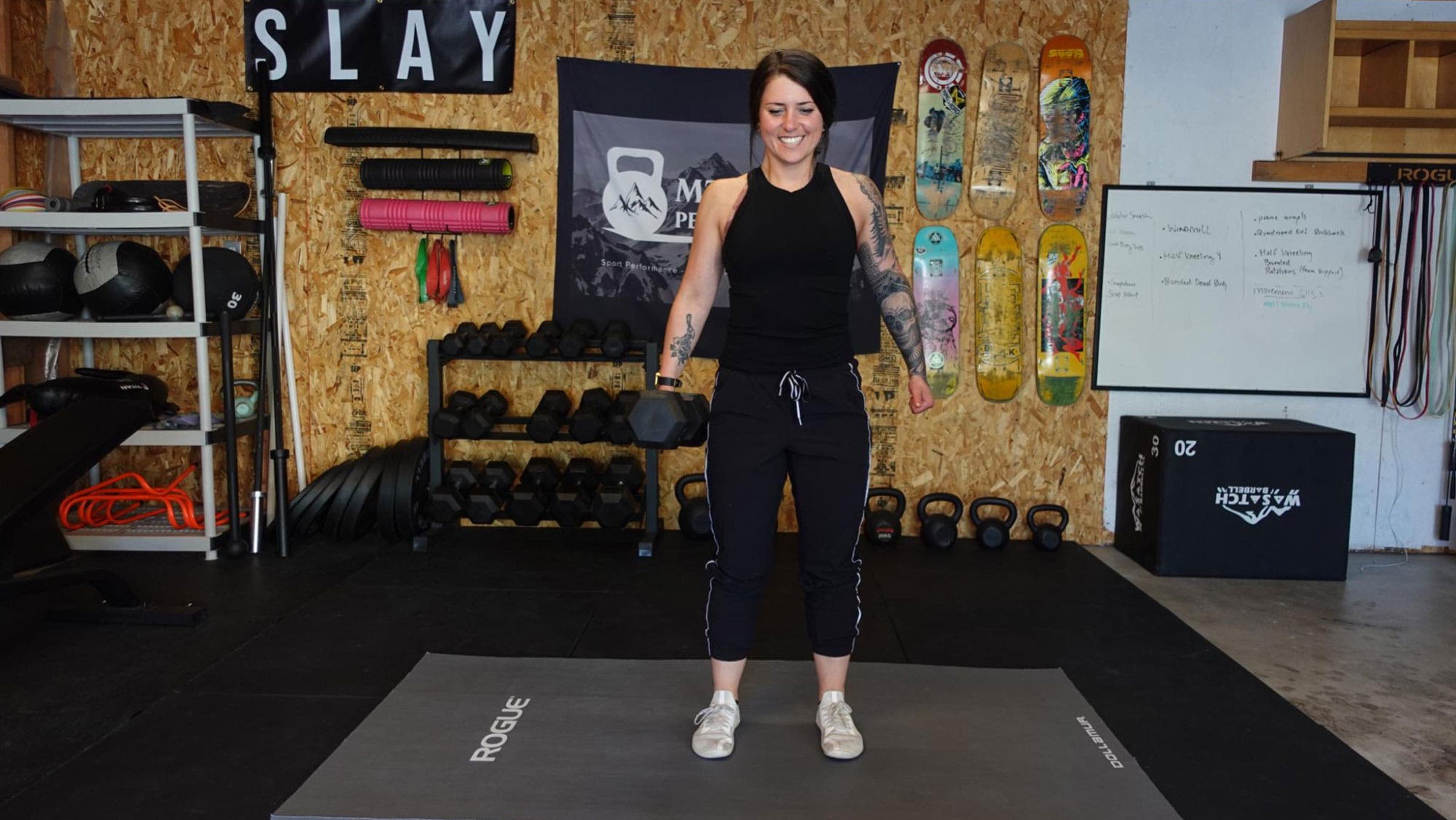
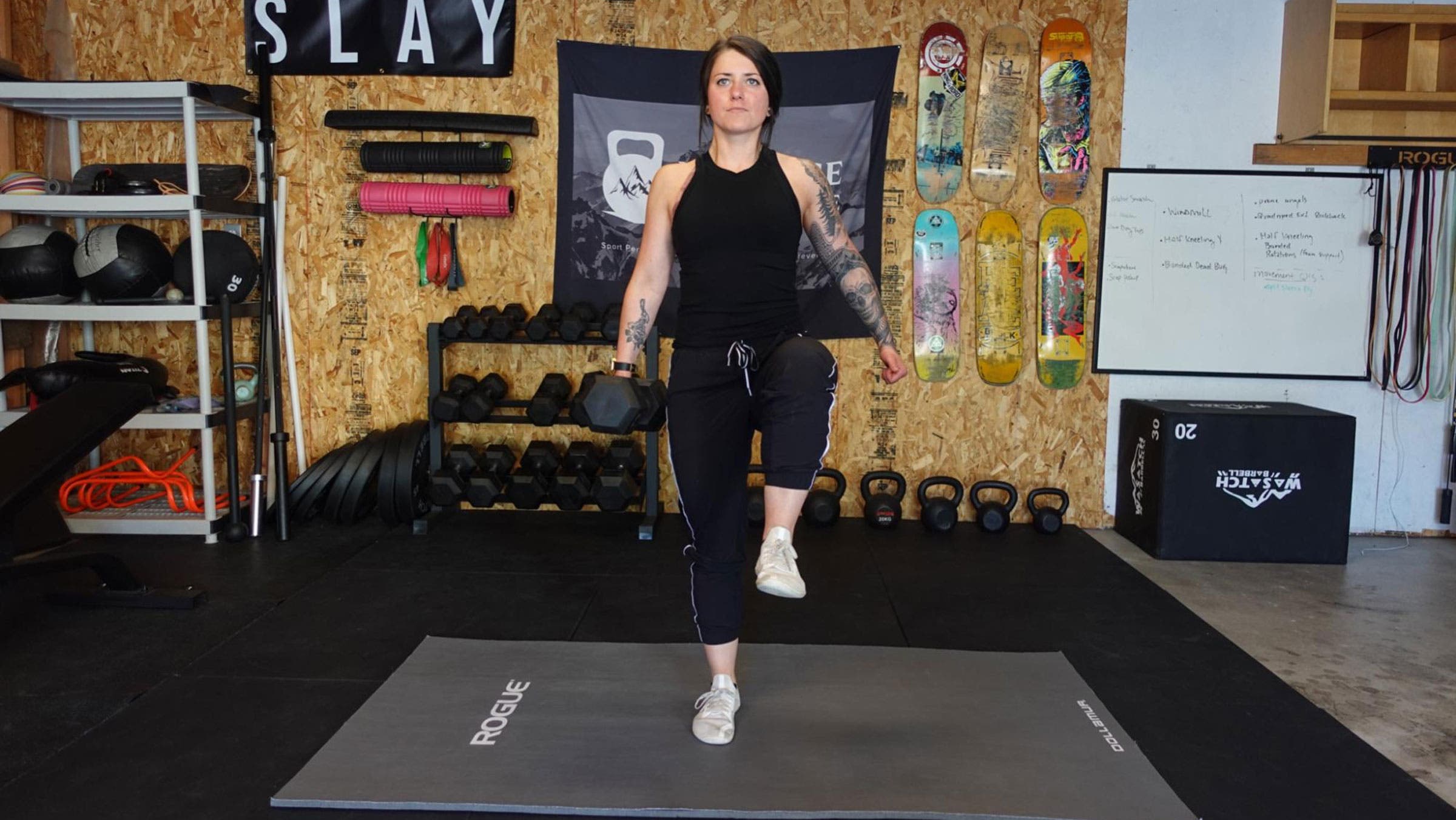
Core strength for skiers is not about the ability to perform crunches; it is about "anti-rotation"—the ability to prevent the torso from twisting when external forces are applied. The Suitcase March is a deceptively simple but highly effective exercise for this purpose.
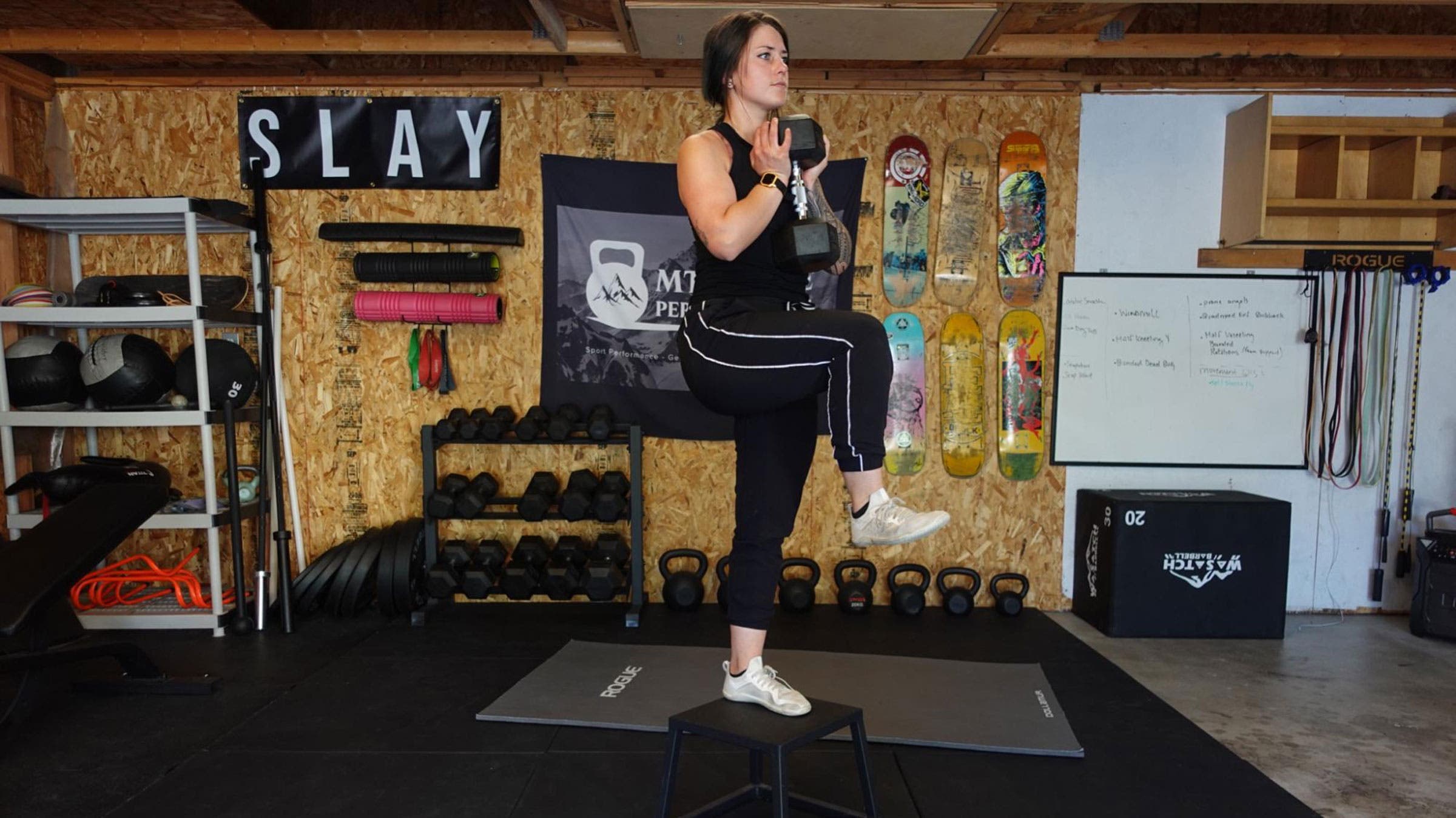
The athlete holds a heavy dumbbell in one hand (like a suitcase) and marches in place, lifting the knees to hip height. The objective is to keep the shoulders and hips perfectly level, resisting the weight’s tendency to pull the body toward one side. This movement strengthens the deep stabilizer muscles that support the spine during carving and prevents the "upper-body rotation" that often causes beginner and intermediate skiers to lose their edges.
5. Plank Pull-Throughs: Integrated Stability
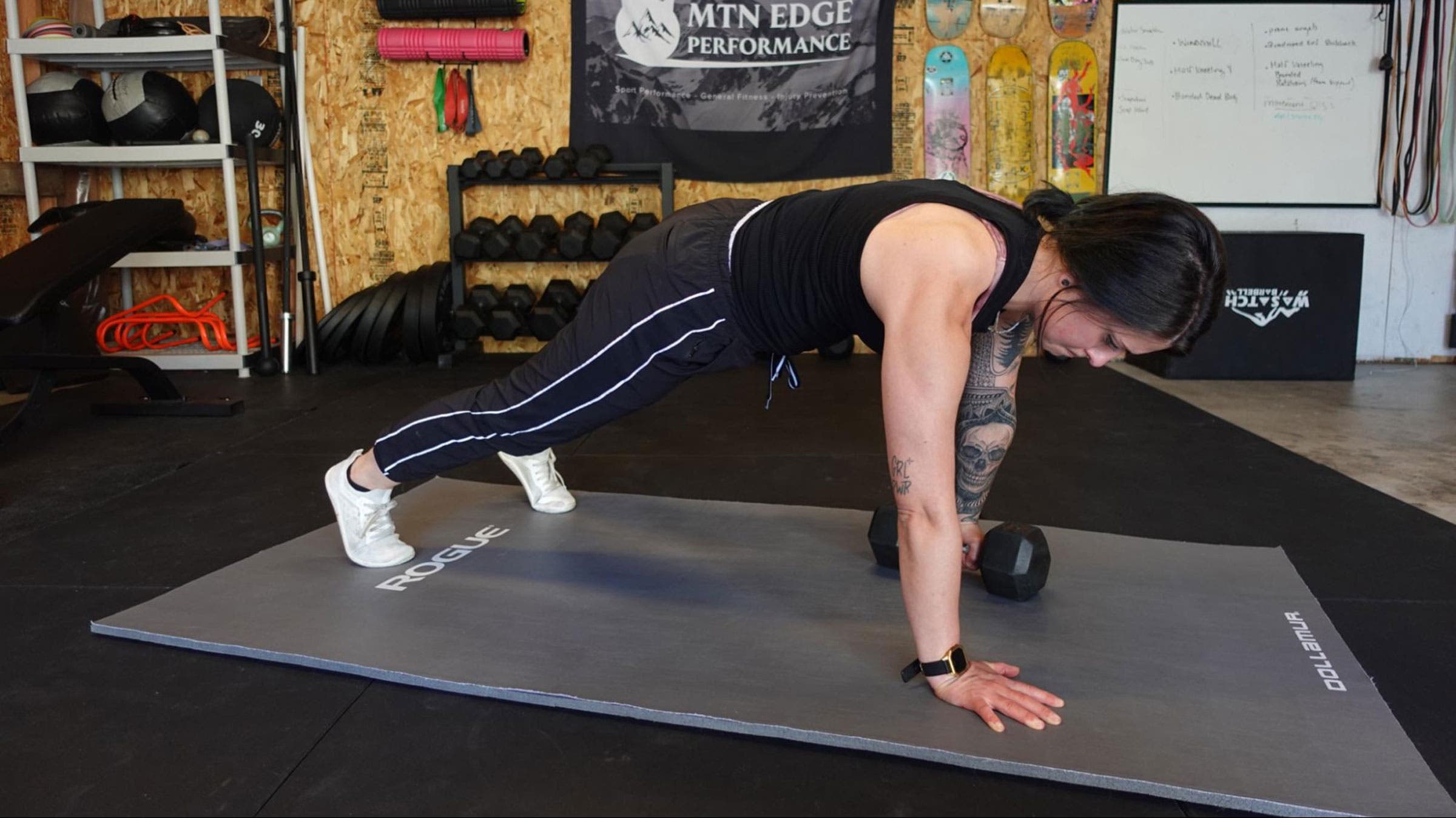
The final component of the off-season regimen is the plank pull-through. Starting in a high plank position with a dumbbell placed on the floor to one side, the athlete reaches across their body with the opposite hand to pull the weight to the other side.
This exercise forces the entire core to engage to prevent the hips from rocking. In the context of skiing, this translates to better control when navigating changing snow conditions. Whether moving from groomed corduroy to heavy slush or icy patches, the ability to maintain a quiet, stable upper body while the lower body reacts is the hallmark of an expert skier.
Timeline for Pre-Season Preparation
Chronologically, the most effective training programs begin at least 12 weeks prior to the first day on the snow. This timeframe allows for three distinct phases of physiological adaptation:
- The Hypertrophy and Base Phase (Weeks 1-4): Focus on mastering form and building a foundation of muscle mass using the five exercises mentioned above with moderate weights and higher repetitions.
- The Strength and Power Phase (Weeks 5-8): Increase the resistance (weights) and decrease repetitions. This phase focuses on the "explosive" nature of skiing, such as the power needed to initiate turns in deep powder.
- The Sport-Specific Endurance Phase (Weeks 9-12): Incorporate higher-intensity intervals and "circuit-style" training to mimic the metabolic demands of a long downhill run, which can last anywhere from two to ten minutes of sustained effort.
Expert Perspectives and Industry Impact
Professional ski coaches and physical therapists have long advocated for this holistic approach. Dr. Elizabeth Myers, a specialist in sports rehabilitation, notes that "The majority of the skiing injuries we see in January could have been prevented in August. When the muscles surrounding the knee and the hip are fatigued, the ligaments are forced to take the load. A conditioned skier is a safer skier."
Beyond individual health, the implications of year-round conditioning extend to the broader ski industry. High injury rates contribute to increased insurance premiums for resorts and a loss of revenue when season pass holders are sidelined early in the year. Consequently, many modern ski resorts have begun partnering with fitness apps and local gyms to provide "dry-land" training programs to their communities, recognizing that a fit clientele is more likely to enjoy a full, injury-free season.
Conclusion: The Long-Term Impact of Off-Season Training
The pursuit of "ski shape" should not be viewed as a chore to be completed in November, but as a continuous commitment to functional health. By utilizing the side plank test to identify weaknesses and the five core exercises to build a resilient body, skiers can do more than just prepare for the upcoming winter. They are investing in the longevity of their athletic careers.
As the sport of skiing continues to evolve with more advanced equipment and access to more challenging terrain, the physical requirements for the athlete also increase. The difference between a season of peak performance and one cut short by injury often comes down to the work done when the mountains are still green. Through consistent, targeted off-season training, skiers ensure that when the lifts finally begin to spin, their bodies are as ready as their spirits to charge down the mountain.

