
The European Alps are currently experiencing a robust late-season meteorological event as a powerful spring storm traverses the mountain range, bringing substantial snowfall to high-altitude regions and providing a vital boost to glacier health. This mid-May weather system has resulted in a sharp decline in temperatures across France, Switzerland, Italy, and Austria, with snow levels descending to an unseasonably low 1,000 meters in several jurisdictions. For the limited number of high-altitude resorts remaining open for the tail end of the winter season, as well as those preparing for summer glacier skiing, the timing of this precipitation is being characterized by industry experts as both opportune and essential.
By the conclusion of the current week, meteorological models predict accumulations of up to 40 centimeters of fresh powder across the Northern Alps. This follows a period of relatively stable conditions in the Southern Alps, which have maintained a respectable snowpack throughout the early spring months. The arrival of this cold front is particularly significant for the alpine glaciers, many of which have entered the month of May with snow depths trailing behind historical averages. The fresh accumulation serves as a protective thermal layer, delaying the onset of the summer melt cycle and preserving the underlying ice structures that are increasingly under threat from global temperature fluctuations.
Meteorological Context and the Progression of the Storm
The current weather pattern originated from a low-pressure system moving southward from the North Atlantic, drawing cold Arctic air into the heart of Central Europe. This air mass collided with moisture-rich Mediterranean currents, creating a volatile environment conducive to heavy orographic lifting over the Alpine massif. The result has been a sustained period of precipitation that began in earnest on Monday, May 11, and is expected to persist through Saturday, May 16.
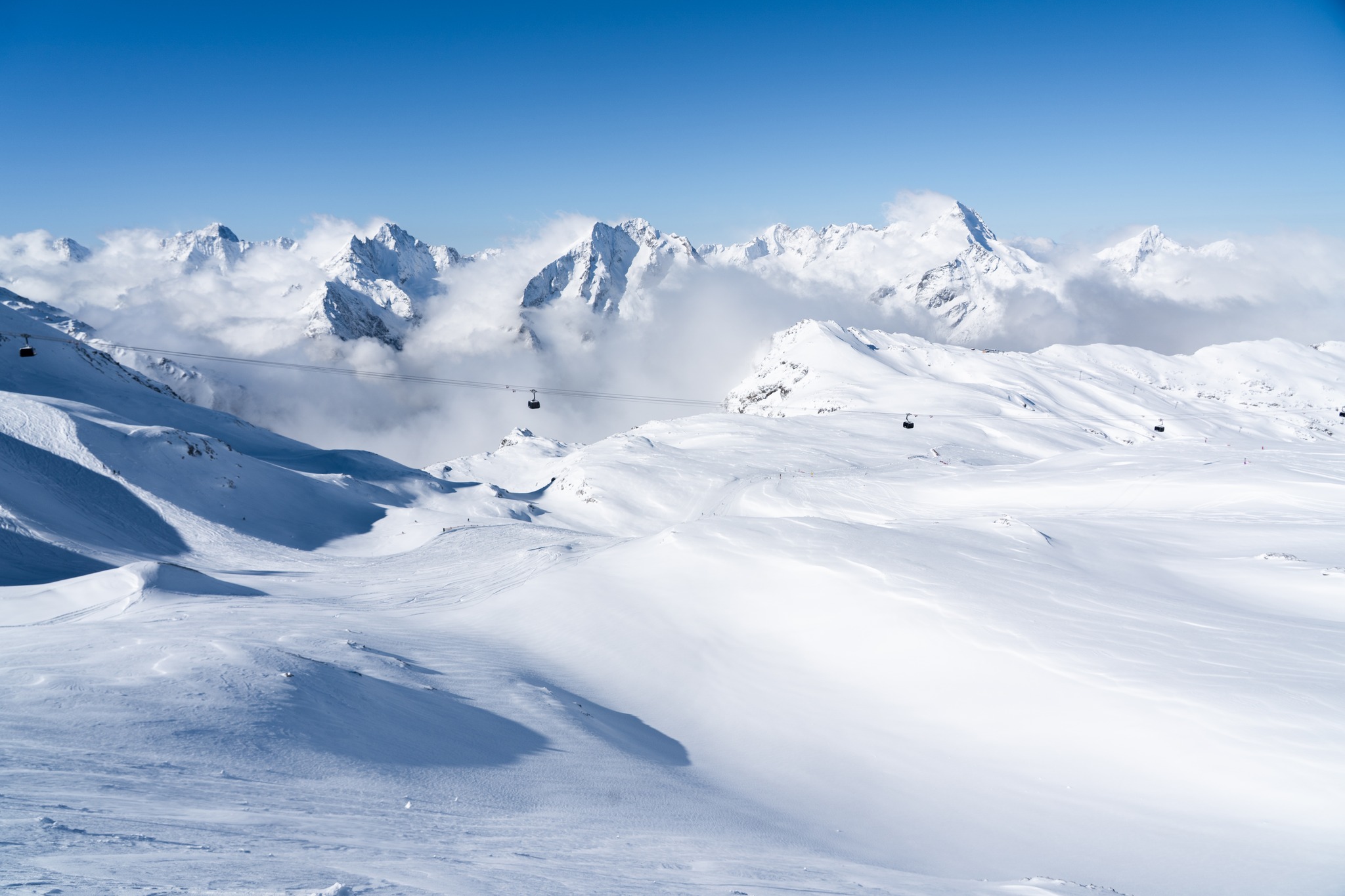
According to Fraser Wilkin, a prominent alpine weather expert from weathertoski.co.uk, the forecast represents a critical "top-up" for high-altitude environments. Wilkin noted that nearly all alpine glaciers have reported lower-than-average snow depths for the middle of May, making this week’s storm a necessary intervention for the longevity of the summer skiing season. While most regions have struggled to maintain peak depths, Les2Alpes in France has emerged as a notable exception. The resort currently reports above-average snow depths on its glacier area, further solidified by the recent snowfall documented on Tuesday, May 12.
Regional Breakdown: Impact on Key Skiing Hubs
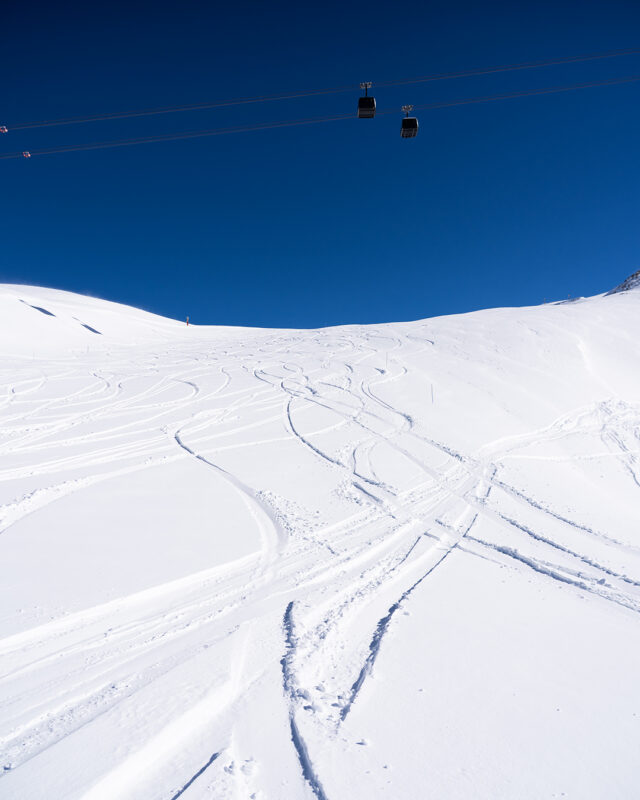
The distribution of the snowfall has varied across the range, with specific high-altitude corridors benefiting more than others. In the French Alps, Les2Alpes remains a focal point for late-season enthusiasts. Recent imagery from the Les2Alpes Tourist Office confirms a winter-like landscape, with fresh snow covering the upper reaches of the ski area, which remains open for both skiing and snowboarding. The resort’s ability to maintain a deep base throughout the spring has positioned it as a premier destination for summer race camps and recreational glacier skiing.
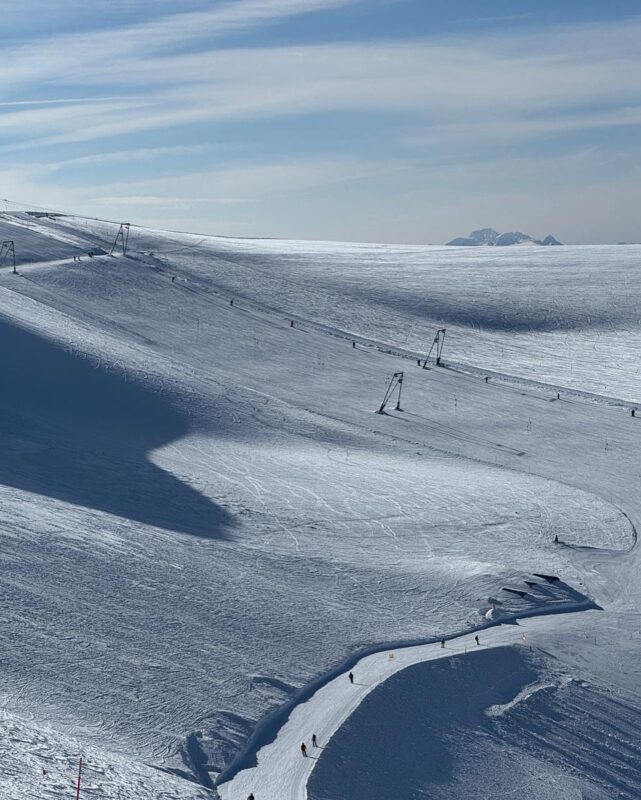
In Italy, the Cervinia region is also seeing significant benefits. As a primary hub for the Warren Smith Ski Academy and other high-level training organizations, Cervinia relies heavily on the Plateau Rosa glacier. The fresh snowfall ensures that training lanes remain viable and that the transition into the summer months is supported by a resilient snow surface. Reports from the academy indicate that the current conditions are providing excellent technical training opportunities, far exceeding the typical slushy conditions often associated with mid-May.
The Austrian Alps, home to year-round skiing at the Hintertux Glacier and seasonal summer operations at Stubai and Kaprun, are also in the path of the storm. The projected 40 centimeters of snow in the Northern Alps will be particularly impactful here, as these resorts often serve as the backbone of the European summer ski industry. The accumulation of cold, dry snow at this stage of the year is vital for maintaining the "albedo effect," where the white surface of the snow reflects solar radiation, thereby keeping the glacial ice beneath it cooler for a longer duration.
Data and Forecast Totals: May 11 – May 16
Data compiled by SnowBrains indicates that the resort totals across the European Alps will be substantial. The forecast suggests a range of 30 to 55 centimeters for the most exposed high-altitude peaks. The following breakdown illustrates the anticipated impact across the region:
- Northern Alps (France and Switzerland): Expected accumulations of 35–45cm above 2,500m.
- Central Austrian Alps: Forecasted totals of 30–40cm on the highest glaciers.
- Southern Alps (Italy and Southern France): While the brunt of the new storm is hitting the north, southern regions are seeing 15–25cm of fresh cover, adding to an already stable base.
The sharp drop in the freezing level to 1,000 meters is a rare occurrence for mid-May, providing a temporary aesthetic return to winter for lower-lying alpine villages, even if the snow at those elevations is expected to melt rapidly once the system passes.
Implications for Summer Skiing and Glacial Preservation
The broader implications of this May storm extend beyond the immediate gratification of skiers and snowboarders. From an environmental perspective, late-season snowfall is a crucial component of glacial mass balance. Glaciologists monitor these events closely, as a "late-season blanket" can significantly reduce the "ablative season"—the period during which a glacier loses more mass through melting than it gains through snowfall.
For the summer skiing industry, which has faced increasing challenges due to receding glaciers and rising temperatures, this storm offers a lifeline. Resorts like Zermatt and Saas-Fee in Switzerland, which offer extensive summer terrain, depend on these May storms to build the density of the snowpack. A dense, well-compacted layer of spring snow is more resistant to the high-intensity solar radiation of June and July than the lighter, airier snow of mid-winter.
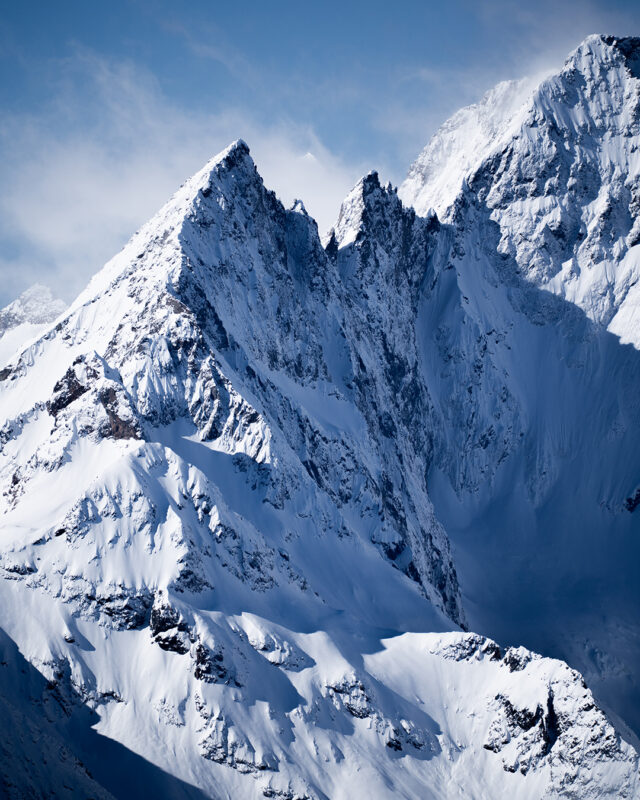
Furthermore, the economic impact on local communities cannot be understated. While many lower resorts have closed their doors for the season, the high-altitude hubs remain active. The presence of fresh snow encourages a final surge in tourism and supports the operations of ski academies and professional teams who utilize these glaciers for off-season training. The Warren Smith Ski Academy, for instance, utilizes these conditions to host intensive camps that would otherwise be impossible if the glaciers were stripped to bare ice by early June.
Official Responses and Industry Outlook
Resort operators have expressed a mixture of relief and renewed vigor following the storm’s arrival. A spokesperson for the Les2Alpes Tourist Office highlighted the resort’s unique position this year, stating that the above-average depths on the glacier provide a "fantastic foundation" for the upcoming summer months. The resort has invested heavily in snow management and grooming technology to ensure that this natural bounty is preserved as effectively as possible.
Similarly, weather experts suggest that while one storm cannot reverse the long-term trends of glacial retreat, it can provide a "buffer year" that allows for a more sustainable summer season. The focus now shifts to the post-storm period. If the snowfall is followed by a gradual warming rather than a sudden heatwave, the snow will have time to settle and bond with the existing layers, creating a durable surface for the months of June and July.
Analysis of the 2026 Spring Weather Pattern
The 2026 spring season in the Alps has been characterized by high volatility. Following a relatively dry March, April saw several "return d’est" events that favored the Italian side of the border. This current May storm, however, is a more classic "Nordstau" (northern dam) event, where moisture is pushed against the northern slopes of the Alps, resulting in heavy precipitation in France, Northern Switzerland, and Austria.

This shift in weather patterns has created a diverse snowpack across the range. While some lower-altitude areas are already seeing the emergence of alpine flora, the high-altitude world remains firmly in the grip of winter. This dichotomy is a hallmark of the alpine environment, but the intensity of the current cold snap is notable even by historical standards.
As the system moves out toward the end of the week, the attention of the skiing world will turn to the opening dates of the summer glacier seasons. With the fresh "top-ups" provided by this storm, the outlook for 2026 summer skiing is significantly more positive than in previous years where early-season melts led to premature closures of glacier ski areas.
Conclusion and Future Updates
The late-season storm of May 2026 will be remembered as a pivotal moment for the Alpine glaciers. By delivering up to 40 centimeters of snow and dropping temperatures to winter levels, the system has provided the necessary resources to sustain high-altitude sports and protect sensitive environmental zones. As the clouds clear and the sun returns, the focus will remain on the management of this snowpack and the continued monitoring of glacial health.
Stakeholders, from resort owners to environmental scientists, will be watching the transition into June with keen interest. For now, the message from the mountains is clear: winter is not yet finished with the Alps, and the summer skiing season has been given a significant and much-needed head start.
PlanetSKI will continue to monitor the situation, providing updates on snow depths, resort openings, and the evolving weather patterns across the European Alps. As the primary digital platform for ski news and resort information, we remain committed to delivering factual, timely, and comprehensive coverage of the conditions that shape the world of snowsports.

