
The landscape of European alpine sports is undergoing a significant transformation as two of the continent’s most prominent high-altitude destinations move in opposite directions regarding their summer offerings. In a move that signals the end of an era for Austrian snow sports, the Hintertux Glacier has announced the cessation of its long-standing year-round skiing operations. Simultaneously, the Italian resort of Cervinia is capitalizing on major infrastructure investments to solidify its position as the premier summer skiing destination in Europe, bolstered by its high-altitude connection to Zermatt, Switzerland.
These developments, confirmed in May 2026, highlight a divergence in how resorts manage the challenges of climate change, receding glaciers, and the evolving demands of international tourism. While Hintertux scales back to preserve its glacial resources during the hottest months, the Cervinia-Zermatt axis is doubling down on high-altitude accessibility, leveraging the newly completed Matterhorn Alpine Crossing to maintain a robust summer season.
The End of the 365-Day Era at Hintertux
For decades, the Hintertux Glacier in the Zillertal Valley of Tyrol has been synonymous with "365 days of skiing." It was one of the few places in the world where enthusiasts and professional athletes could find groomed runs every day of the year, regardless of the season. However, the resort management recently updated its official guidance, stating that the current skiing season will conclude on July 26, 2026.
Following this date, the slopes will close to the public, with a tentative restart scheduled for September 2026. The resort’s communication indicated a shift in focus for the peak summer weeks, stating that visitors would be encouraged to "enjoy the glacier summer to the fullest off the slopes." This strategic pause is intended to protect the glacial ice during the period of maximum solar radiation and melt.
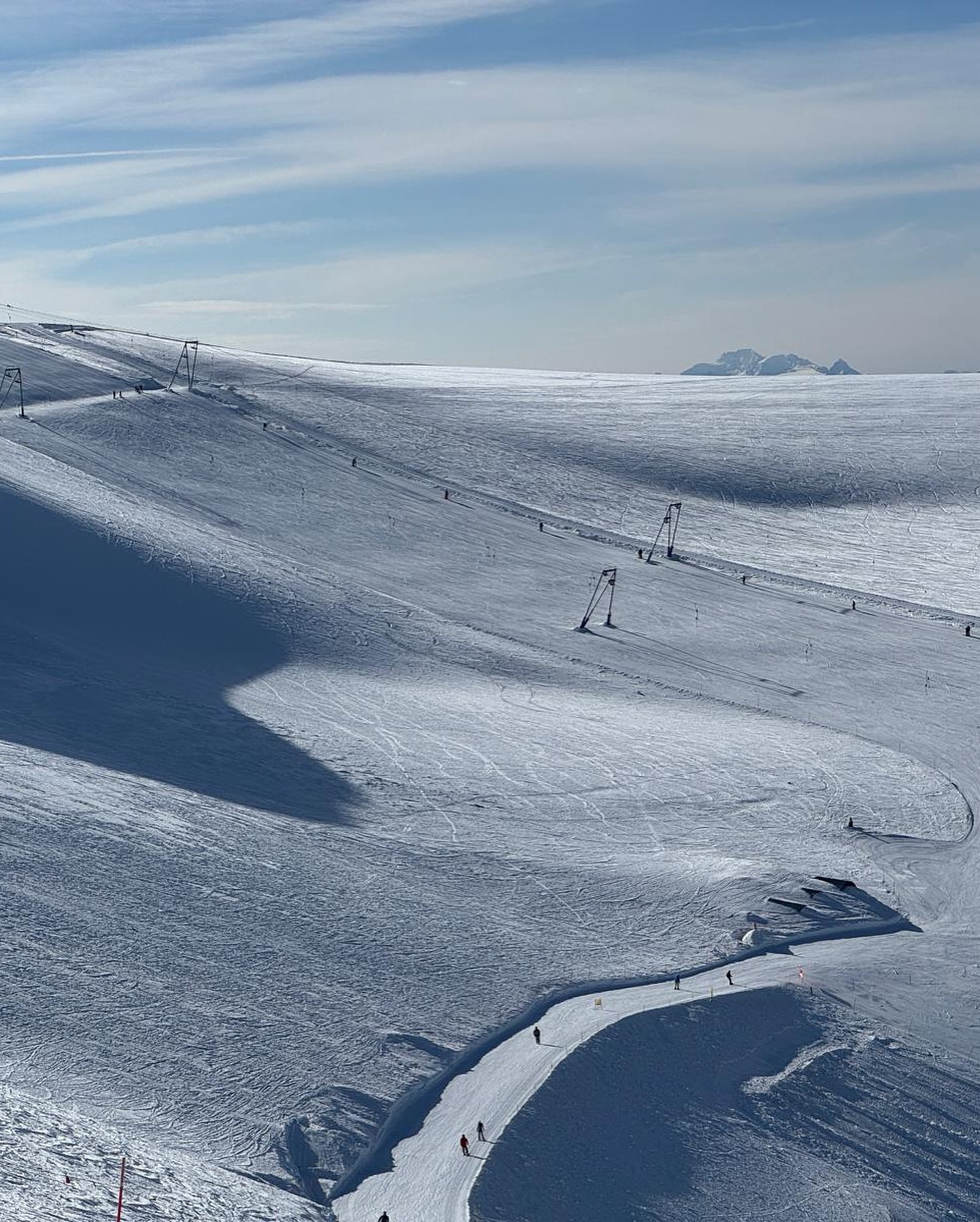
The decision reflects a broader trend across the Eastern Alps. Over the last decade, rising mean temperatures have forced several Austrian glaciers, including the Dachstein and the Mölltal, to either abandon summer skiing entirely or significantly reduce their windows of operation. Hintertux’s move is particularly symbolic given its historical status as the "last man standing" for year-round skiing in Austria. While the resort has not confirmed if this closure will be a permanent annual fixture, industry analysts suggest that the "365-day model" is becoming increasingly untenable due to the costs of snow preservation and the environmental impact of maintaining summer pistes.
Cervinia and the Matterhorn Alpine Crossing
In contrast to the contraction in Austria, the Italian resort of Cervinia is entering a new phase of expansion. The primary catalyst for this growth is the "Matterhorn Alpine Crossing," a multi-stage, state-of-the-art 3S cableway project that represents one of the most significant engineering feats in modern lift history. This link creates a seamless connection between the top of the Italian resort and the Klein Matterhorn in Switzerland, which sits at an elevation of 3,883 meters.
The crossing allows non-skiers and skiers alike to traverse the border between Italy and Switzerland at high altitude without needing to navigate complex mountain passes or descend into the valleys. For summer skiers, this means that the Plateau Rosa glacier is now more accessible from the Italian side than ever before. The journey from the center of Cervinia to the glacial snowfields can now be completed in just over 30 minutes, utilizing a sophisticated network of lifts that operate independently of the traditional winter ski runs.
The summer ski area shared by Cervinia and Zermatt currently offers 25 kilometers of slopes. This makes it the largest and highest summer skiable domain in Europe. At nearly 3,900 meters, the altitude provides a level of snow security that lower-lying glaciers can no longer guarantee, positioning Cervinia as a critical hub for the international skiing community during the months of June, July, and August.
Professional Training and the Freestyle Hub
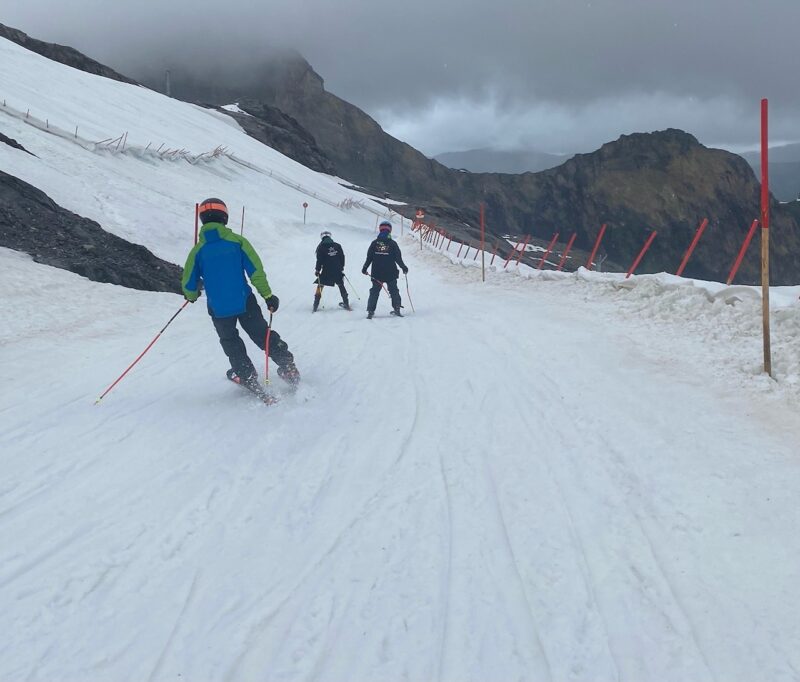
The survival and expansion of summer skiing are not merely matters of leisure tourism; they are essential for the global competitive winter sports circuit. Cervinia and the Plateau Rosa have become the primary training grounds for World Cup national and international teams. During the summer months, it is common to see elite slalom and giant slalom athletes from across the globe running gates on slopes specifically reserved for professional training.
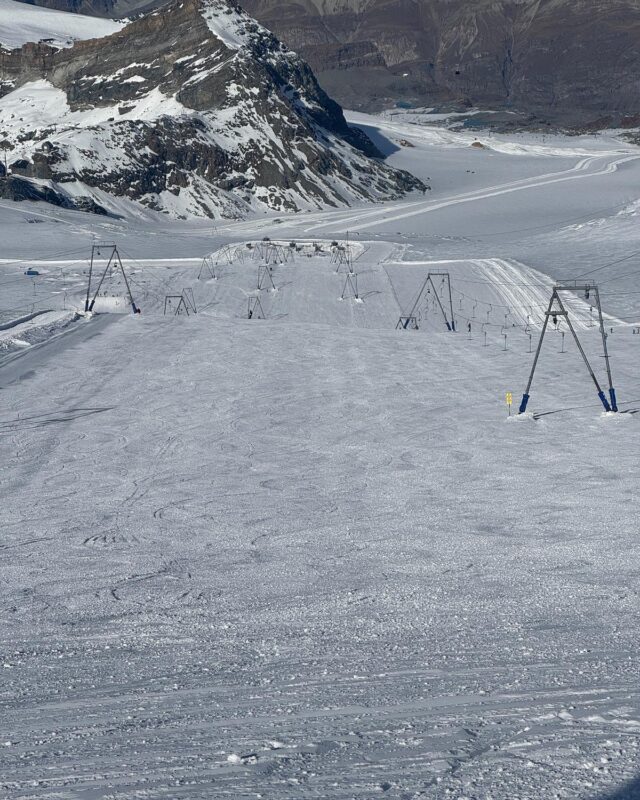
Beyond alpine racing, the region serves the freestyle community through "Snowpark Zermatt." Located on the glacier, this facility is recognized as the largest freestyle park on a glacier in Europe. It features a comprehensive array of rails, boxes, and a "big air" jump, attracting professional riders who need to maintain their skills during the off-season.
The presence of organizations like the Warren Smith Ski Academy, which has used Cervinia as its summer base for several years, underscores the resort’s importance for skill development. These academies provide intensive coaching that would otherwise be unavailable until the winter months, contributing significantly to the local economy of the Aosta Valley through extended hotel stays and service utilization.
A Chronology of Alpine Connectivity
The current state of summer skiing in Cervinia is the result of a decade-long vision to link the Italian and Swiss sides of the Matterhorn. The following timeline outlines the progression of this project:
- 2018: Completion of the "Matterhorn Glacier Ride I," connecting Trockener Steg to the Klein Matterhorn.
- 2021: Official commencement of the final stage of the Matterhorn Alpine Crossing, the link between Testa Grigia (Italy) and Klein Matterhorn (Switzerland).
- 2023: The formal opening of the Matterhorn Alpine Crossing, allowing for year-round pedestrian transit between the two countries for the first time.
- 2024-2025: Optimization of the summer ski area, with improved snow-making and grooming technologies implemented to combat rising temperatures.
- May 2026: Cervinia confirms its status as Europe’s leading summer ski destination as other resorts, including Hintertux, announce closures.
Technical Specifications and Environmental Context
The infrastructure supporting summer skiing at such high altitudes is both complex and costly. The 3S (triple-cable) technology used in the Matterhorn Alpine Crossing allows the lifts to operate in high-wind conditions that would ground traditional gondolas. This reliability is crucial for a summer season where afternoon storms and high-altitude winds are common.
However, the environmental reality cannot be ignored. Glaciologists report that Alpine glaciers are losing volume at an average rate of 2% to 4% per year. To mitigate this, resorts like Zermatt and Cervinia employ "snow farming" techniques—collecting and insulating large piles of snow under specialized geotextile blankets during the spring to be reused for slope preparation in the summer.

Hintertux’s decision to close in late July aligns with the period of "peak melt," when the protective winter snow cover has typically vanished, leaving the "blue ice" of the glacier exposed. Skiing on exposed glacial ice is not only more difficult for recreational skiers but also accelerates the melting process as the darkened ice absorbs more solar heat. By closing during this window, Hintertux aims to preserve the integrity of the glacier for the autumn season, which remains a vital period for the "Hintertux Park Opening" in early October.
Regional Economic Implications
The shift in summer skiing availability has profound economic consequences for the regions involved. For the Zillertal Valley in Austria, the closure of Hintertux in August may lead to a temporary dip in hotel occupancy among ski-specific tourists, though the region has been successful in pivotting toward mountain biking and hiking.
In Italy’s Aosta Valley, the expansion of the summer season in Cervinia provides a significant boost to local businesses. Unlike many alpine villages that become quiet in the "shoulder" seasons, Cervinia maintains a year-round economy. The ability to market the resort as a "dual-season" destination—where one can ski in the morning and hike or golf in the afternoon—is a powerful draw for international travelers, particularly those from North America and Asia who seek diverse experiences.
Official responses from the Cervinia tourism board emphasize this versatility. "The slopes are ideal for the champions, but they are also suitable for more scenic skiing," a spokesperson noted. This strategy of catering to both the elite athlete and the "scenic" tourist is key to maintaining the high volume of visitors necessary to offset the operational costs of the Matterhorn Alpine Crossing.
The Global Perspective
The contraction of summer skiing is not limited to Europe. In North America, destinations like Timberline Lodge on Mt. Hood, Oregon, continue to offer summer skiing, but they too face challenges with snow depth and season length. In the French Alps, resorts like Tignes and Les Deux Alpes have also shortened their summer windows in recent years, often closing by early July.
As the number of viable summer ski locations dwindles, the remaining hubs like Cervinia and Zermatt become increasingly crowded and prestigious. This concentration of activity suggests a future where summer skiing is a boutique experience, limited to the highest-altitude glaciers and supported by massive infrastructure investments.
Conclusion and Future Outlook
The news from May 2026 marks a turning point in alpine tourism. The end of year-round skiing at Hintertux, whether temporary or permanent, serves as a stark reminder of the environmental pressures facing the Alps. It signals a move toward a more sustainable, seasonal management of glacial resources.
Conversely, the success of Cervinia and the Matterhorn Alpine Crossing demonstrates that through technological innovation and international cooperation, high-altitude skiing can still thrive. For the foreseeable future, the "Roof of Europe" around the Matterhorn will remain the primary sanctuary for those seeking snow in the mid-summer heat. As the industry adapts, the focus is shifting from "skiing at any cost" to a more balanced "alpine experience" that respects the fragility of the glacial environment while providing world-class facilities for athletes and enthusiasts alike.

