
May 6th, 2026 – The 2025-26 North American ski season concluded with a stark reminder of the industry’s vulnerability to climatic shifts, as preliminary reports from the National Ski Areas Association (NSAA) reveal a significant downturn in snowfall, particularly across the Western United States. The season recorded an average of 112 inches (2.84 meters) of snow nationwide, a substantial 33% below the 10-year average of 169 inches (4.29 meters), marking one of the lowest snowfall totals in over a decade. This challenging winter has prompted a re-evaluation of industry resilience, international visitation trends, and the long-term economic impact on mountain communities.
A Winter of Deficits: The Rocky Mountain Reality
The most severe impacts were felt in the Western regions, with Colorado experiencing what the Colorado Climate Center has definitively labeled "the worst year for the Colorado snowpack in recorded history." Iconic resorts such as Vail, Breckenridge, and Aspen, which typically draw vast numbers of international and domestic skiers, faced unprecedented low snow conditions. This stark deficit contrasts with regions east of the Rockies, including the Northeast and Southeast, which generally experienced near or above-average snowfall.
The NSAA’s preliminary report, released on May 6th, 2026, indicates that despite the substantial drop in snowfall, the decline in operating days across the nation was only modest. This resilience is largely attributed to significant ongoing investments in snowmaking technology and crucial infrastructure upgrades undertaken by ski resorts. These advancements have allowed many areas to mitigate the impact of natural snowfall deficiencies, albeit at a considerable operational cost.
Official Responses and Industry Analysis
Michael Reitzell, President and CEO of the NSAA, emphasized the critical role of regional weather patterns in shaping the industry’s performance. "Few seasons demonstrate as clearly as this one how dependent our industry remains on regional weather patterns," Reitzell stated. He further elaborated on the specific challenges faced in the West: "Challenging conditions across much of the West—including a slow start, rain events, and record March warmth—significantly impacted visitation throughout the season."
Reitzell also highlighted the positive contribution of the Eastern regions. "Strong seasons across the Northeast and Southeast played a critical role in shaping the national picture," he added. "When conditions are favorable, we continue to see strong demand for skiing and snowboarding, which speaks to the enduring appeal of the sport."
The NSAA’s data indicates that the Northeast and Southeast each delivered their second-best seasons of the past decade, with the Northeast benefiting from an early start and consistent snowfall. This regional disparity underscores the importance of diversified market access and the ability of resorts to leverage favorable local conditions.
Shifting Tourist Tides: Political and Economic Influences
Beyond the direct impact of snowfall, the 2025-26 season also witnessed a noticeable shift in international visitation patterns, with some European skiers reportedly choosing to forgo trips to the United States. Reports and social media discussions suggest that a combination of factors, including the high cost of lift passes and political sentiment, contributed to this trend.
Comments gathered from the PlanetSKI Facebook page illustrate these concerns. Caroline Munro noted, "I don’t know anyone who will travel to the US. I would suggest your government may be a significant contributing factor." This sentiment was echoed by others, with Billy Lennox questioning, "Is that not the country with the loose cannon of a president??" and Paul Carter directly stating, "Trump is to blame."
The economic aspect of skiing in the US was also a significant deterrent. Alan West provided a stark comparison: "Ski pass to a minor US resort with 25km runs is £600 for 5 days on my daughters proposed ski trip. 6 days in the 3 Valleys £350." Gary Arthurs recalled a trip to Vail in 2006 when the exchange rate was favorable, lamenting the current climate: "Amazing week for £800, but in the present climate, I’d stay in Europe." He also noted that a Canadian skier he met found it cheaper to fly to Europe than ski in Whistler, suggesting a widespread increase in North American ski costs.
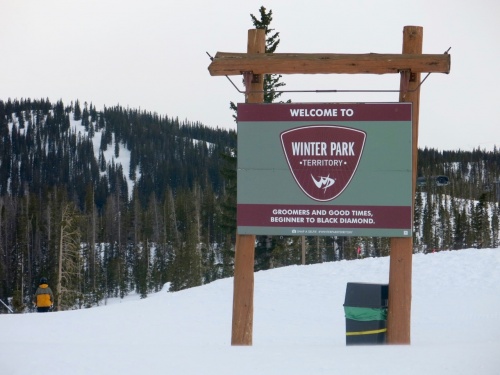
Andy O’Keeffe summarized the dual challenges: "Poor snow this season and ridiculous lift pass prices." Paul Smith and Pete Johnson also voiced similar concerns about prohibitive lift pass prices and queues, with Johnson lamenting the situation at Winter Park, a resort he previously enjoyed.
These observations align with a broader trend of American skiers seeking more affordable options abroad. Paul Axford met a family from America skiing in the Aosta Valley who claimed they saved more than the cost of two people by skiing Europe rather than the US.
Capital Investment and Industry Resilience
Despite the challenging weather and shifting visitor demographics, capital investment within the US ski industry remained robust. Reporting ski areas collectively invested $569.3 million in capital expenditures during the 2025-26 season. This substantial investment included the installation of 45 new lifts and the upgrade of 52 existing ones. On average, responding ski areas reinvested approximately $22.24 per skier visit back into their operations. This sustained level of reinvestment demonstrates a long-term commitment to enhancing the guest experience and improving operational efficiency, even in the face of volatile weather patterns.
Season Passes: A Stabilizing Force
Season passes continue to be the dominant access product for US ski resorts, accounting for 49% of all visits nationally, with daily and multi-day tickets making up 31%. After several years of rapid growth, season pass usage has stabilized over the past two seasons, indicating a maturing market. This consistent base of pass holders provides a degree of predictability for ski areas, helping to support operations through variable weather conditions and offering a more reliable revenue stream.
Broader Economic Implications and Future Outlook
The 2025-26 season’s performance underscores the significant role ski areas play in the economic vitality of mountain and rural communities across the United States. These enterprises support thousands of jobs and stimulate substantial economic activity in sectors ranging from lodging and restaurants to retail and transportation. Seasons with reduced visitation can have a tangible impact on these local economies, highlighting the need for industry resilience and diversified economic strategies.
Historical data suggests that periods of low snowfall are often followed by stronger rebounding seasons. "We’ve seen time and again that a lower-snow season is often followed by a strong rebound," Reitzell confirmed. "With continued investment, a stable base of participants, and the passion that drives skiers and snowboarders, we’re already looking ahead to next season."
Ironically, the latter part of the 2025-26 season saw some welcome late-season snowfall in certain parts of the Rockies, prompting a few resorts to extend their operating seasons, offering a glimmer of hope for enthusiasts and a potential boost to the tail end of the economic cycle.
About the National Ski Areas Association
The National Ski Areas Association (NSAA) is a non-profit trade association dedicated to representing the interests of ski and snowboard area owners and operators throughout the United States. Its core mission is to empower its members to operate thriving and sustainable businesses while consistently delivering exceptional experiences to their guests.
About PlanetSKI
PlanetSKI is recognized as a leading digital platform for ski news, offering comprehensive coverage of resort information, travel, equipment rental, sport, money-saving deals, and all facets of the snowsports world through its website, social media channels, and other digital offerings.

