
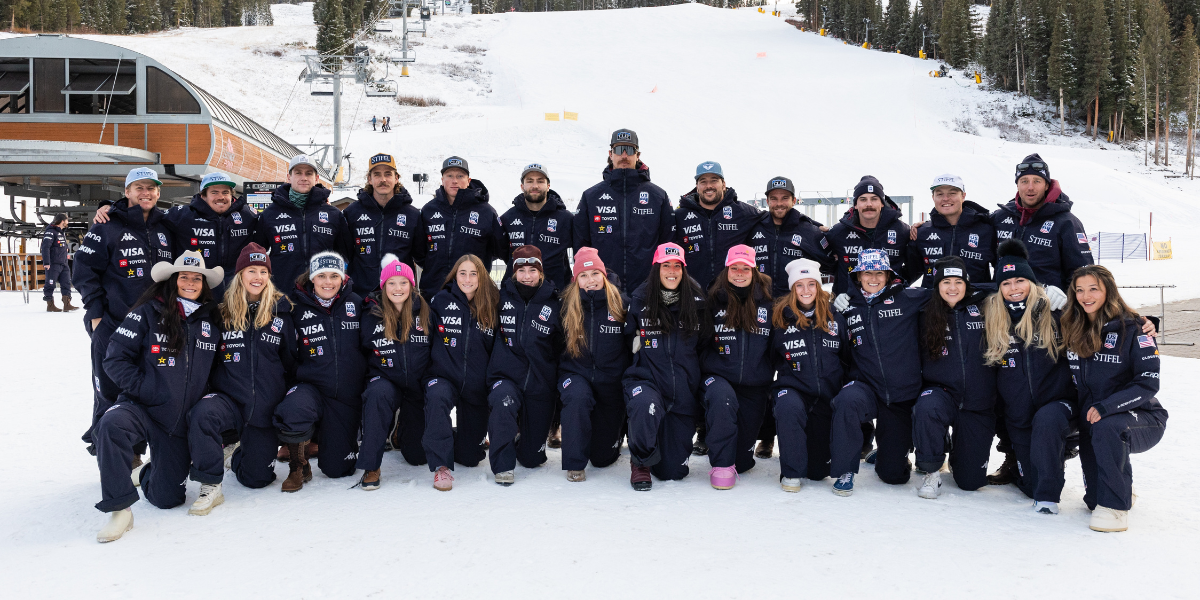
Park City, Utah (May 5, 2026) – U.S. Ski & Snowboard has formally announced the nomination of 48 elite athletes to the Stifel U.S. Alpine Ski Team for the impending 2026–27 competitive season. This pivotal announcement, made from the organization’s headquarters, marks the crucial first phase in constructing a formidable roster aimed squarely at the 2027 World Championships in Crans-Montana, Switzerland. The selection process rigorously adhered to the published criteria, underscoring a commitment to performance and potential as the foundation for national team inclusion.
The preliminary nominations, typically unveiled in May, precede the final team naming, which is slated for October 2026. This staggered approach allows for athlete acceptances, fulfillment of specific team criteria, and a comprehensive assessment before the official roster is solidified for the season’s commencement. The interval between nomination and final naming often involves intensive physical assessments, training camps, and equipment testing, ensuring each athlete is fully prepared for the demanding World Cup circuit.
The Road to Crans-Montana: A Season of High Stakes
The 2026–27 World Cup season is meticulously designed to culminate in its defining moment: the 2027 FIS Alpine World Ski Championships. Scheduled for February in Crans-Montana, Switzerland, this prestigious event represents the pinnacle of international alpine ski racing outside of the Olympic Winter Games. For the U.S. Ski Team, Crans-Montana presents a prime opportunity to assert its dominance and challenge for multiple medals across all disciplines – downhill, super-G, giant slalom, slalom, and the alpine combined events.
Crans-Montana, a storied venue in the heart of the Swiss Alps, boasts a rich history of hosting major ski events, including previous World Cup races that have tested the mettle of the world’s best. The challenging terrain and variable snow conditions characteristic of the resort demand exceptional technical skill, raw speed, and strategic execution from competitors. For the nominated U.S. athletes, this championship will serve as the ultimate proving ground, where years of dedication and training converge on a single, high-stakes stage. The strategic build-up to this event will influence everything from early-season training camps to specific World Cup race selections, with coaches and athletes collaboratively targeting peak performance in Switzerland.
The Nomination Process: A Foundation for Success
U.S. Ski & Snowboard’s nomination process is a multi-faceted system designed to identify and support athletes with the highest potential for international success. The "published selection criteria," accessible to athletes and the public, typically encompasses a blend of objective performance metrics and subjective coaching evaluations. Key factors often include:
- FIS Points and World Cup Rankings: Athletes with consistently strong performances in previous World Cup seasons, reflected in their FIS points and discipline rankings, are primary candidates.
- Olympic and World Championship Results: Medalists and top finishers at major international events receive significant consideration.
- Nor-Am Cup Performance: Success on the North American Cup (Nor-Am) circuit is crucial for emerging talents, providing a direct pathway to World Cup starts and national team inclusion.
- Physical and Technical Assessments: Athletes undergo rigorous physical testing and technical evaluations by coaching staff to assess their readiness and potential for improvement.
- Professionalism and Team Fit: Commitment to the team’s values, work ethic, and ability to contribute positively to the team environment are also considered.
This transparent, merit-based system ensures that the nominated athletes represent the best of American alpine skiing, from seasoned veterans to promising newcomers. The gap between May nominations and October’s final team naming is critical for athletes to formally accept their positions, finalize sponsorship agreements, and embark on pre-season training protocols, which often include glacier camps in the Southern Hemisphere or high-altitude training in Europe.
Anchoring the Roster: Veteran Leadership and Proven Talent
The 2026–27 nominated roster is anchored by a cohort of athletes who have consistently demonstrated their ability to compete and win at the sport’s highest echelons. Leading this formidable group is Mikaela Shiffrin, widely regarded as one of alpine skiing’s greatest athletes of all time. Her inclusion is a cornerstone of the U.S. effort, and expectations for her continued dominance remain exceptionally high. Following a remarkable 2025-26 season where Shiffrin secured her sixth career World Cup overall title, alongside multiple victories in slalom and giant slalom, her strategic focus for 2026-27 will undoubtedly be on adding to her unprecedented medal haul at the Crans-Montana World Championships. Her consistency, tactical brilliance, and relentless pursuit of perfection make her a perennial favorite in any technical discipline she enters.
Beyond Shiffrin, the A-teams feature a blend of established stars and athletes on the cusp of breakout seasons. On the women’s side, speed specialists like Breezy Johnson, known for her aggressive downhill skiing, and Paula Moltzan, a consistent presence in technical events, are expected to contend for podiums. Johnson, after overcoming previous injury setbacks, demonstrated renewed vigor in 2025-26, securing several top-five finishes in World Cup downhill races. Moltzan continued her upward trajectory, challenging for top-ten spots in slalom and giant slalom, highlighting the depth of the women’s technical program.
For the men, Ryan Cochran-Siegle brings veteran experience and a proven ability to perform in speed events, with his powerful skiing making him a threat on any downhill course. River Radamus continues to evolve as a versatile athlete, particularly strong in giant slalom, and is expected to further solidify his position among the world’s elite. Both athletes have demonstrated resilience and competitive fire, key attributes for navigating the rigorous World Cup schedule. Their performances in the 2025-26 season included consistent top-15 finishes, with Cochran-Siegle narrowly missing a World Cup downhill podium, signaling their readiness to push for higher honors.
The Vonn Factor: A Legacy Reimagined?
Perhaps the most compelling and discussed inclusion on the nomination list is that of 41-year-old Lindsey Vonn. Her presence injects an immediate layer of intrigue and anticipation into the upcoming season, though the full extent of her impact remains shrouded in uncertainty. Vonn, an undeniable legend of the sport and the 2010 Olympic downhill champion, had not explicitly ruled out a return to competitive skiing since her official retirement in 2019. However, her inclusion on a nomination list at 41, following a significant injury sustained just months prior, is unprecedented for many.
The injury in question occurred in February at the Cortina 2026 Olympics, where Vonn had made a sensational, albeit unofficial, comeback attempt. At the time of the incident, she was leading the World Cup downhill standings and was widely considered one of the favorites for another Olympic gold medal, a testament to her enduring skill and competitive drive. The nature of her injury and the timeline for her recovery are critical factors that will dictate her potential on-snow return. A comeback at this age and following a major injury presents immense physical and psychological challenges, requiring an extraordinary level of dedication and rehabilitation.
Historically, comebacks in alpine skiing, particularly after severe injuries or extended breaks, are arduous. While some athletes have successfully returned to elite competition in their late 30s, maintaining a World Cup-winning pace at 41 is exceptionally rare. Vonn’s potential return could manifest in several ways: a full-scale competitive effort, a symbolic presence that inspires the team, or a mentorship role that leverages her vast experience without the pressure of full-time racing. Her inclusion, regardless of her competitive readiness, undoubtedly brings significant media attention, sponsorship opportunities, and an invaluable source of inspiration for younger athletes on the team. The ultimate decision on her competitive involvement will depend on her recovery progress, physical assessments, and her personal ambitions, with clarity expected closer to the final team naming in October.
Emerging Talents: The Nor-Am Pipeline
A vital component of the U.S. Ski & Snowboard development pathway is the Nor-Am Cup circuit. This regional series serves as a crucial proving ground for aspiring World Cup athletes, providing a competitive environment where skiers can hone their skills, gain international experience, and earn valuable FIS points. Strong performances on the Nor-Am Cup during the 2025–26 season have directly translated into World Cup start positions for several nominated athletes, adding significant depth and fostering healthy internal competition across the team.
The Nor-Am pipeline is instrumental in ensuring a continuous flow of talent into the upper echelons of the sport. Athletes who excel in this circuit demonstrate not only raw talent but also the consistency and mental fortitude required for the World Cup. For instance, athletes who achieved overall Nor-Am titles or secured multiple podium finishes in specific disciplines have been rewarded with opportunities to compete against the world’s best. This system is designed to bridge the gap between junior racing and the senior World Cup, allowing athletes to gradually acclimate to the higher demands of international competition. The infusion of these Nor-Am standouts creates a dynamic environment, pushing established team members to maintain their performance levels and ensuring a competitive edge for the entire program.
Team Composition: A Deep Dive into the Roster
The 48-athlete nomination list reflects a strategic balance across various tiers of experience and potential, organized into A, B, and C teams for both men and women.

- Women’s A Team (12 athletes): This elite group comprises the most accomplished and promising female athletes, including multiple World Cup podium finishers and Olympic contenders. Their primary focus will be on consistent top-tier World Cup results and medal contention at the World Championships. The strong numerical representation here signifies the robust health and depth of the women’s program.
- Men’s A Team (5 athletes): While smaller in number, the Men’s A Team represents the pinnacle of current American male alpine talent. These athletes are expected to lead the charge in speed and technical disciplines, challenging for World Cup victories and significant results in Crans-Montana. The concentrated nature of this team allows for highly individualized support and strategic planning.
- Women’s B Team (4 athletes): The B Team acts as a critical bridge, featuring athletes who have shown strong potential and are consistently knocking on the door of A-team promotion. They will typically balance World Cup starts with Nor-Am competitions, gaining crucial experience.
- Men’s B Team (6 athletes): Similar to their female counterparts, these men are on an upward trajectory, poised to make their mark on the World Cup scene. Their inclusion indicates a focus on developing a strong second tier of talent to support the A-team.
- Women’s C Team (10 athletes): The C Team is a vital development squad, comprising young athletes who have excelled at junior levels and are making their first foray into international competition. Their program focuses on building foundational skills, gaining experience on the Nor-Am circuit, and preparing for future World Cup opportunities.
- Men’s C Team (11 athletes): The largest of the men’s teams, the C Team signifies a significant investment in the future of American male alpine skiing. These athletes are the pipeline for sustained success, receiving comprehensive coaching and support to nurture their raw talent.
The asterisk (*) denoting "Newly named to the Stifel U.S. Ski Team" across various team lists highlights the successful progression of emerging talent. These new additions infuse the roster with fresh energy and demonstrate the effectiveness of the development programs within U.S. Ski & Snowboard. Their inclusion often reflects standout performances in the Nor-Am Cup or impressive results in junior international competitions, signaling their readiness to step up to the next level.
Looking Ahead: Pre-Season Preparation and Objectives
With nominations now complete, the focus shifts to the intense pre-season preparation period. This phase is critical for physical conditioning, on-snow training, and equipment fine-tuning. Athletes will typically engage in rigorous strength and conditioning programs throughout the summer, often complemented by glacier training camps in locations like Mount Hood, Oregon, or European/South American glaciers. These camps provide essential on-snow time, allowing athletes to re-familiarize themselves with their skis, test new equipment, and refine their technique under the guidance of their coaches.
The strategic objectives for the 2026–27 season are multi-faceted. Beyond the overarching goal of excelling at the Crans-Montana World Championships, the team aims for consistent podium finishes across all disciplines on the World Cup circuit, further solidifying the U.S.’s standing as a global alpine skiing powerhouse. Developing the younger talent on the B and C teams is also a key priority, ensuring a robust pipeline for future success. The final team naming in October will be accompanied by a detailed roadmap for the season, outlining specific competitive schedules, training blocks, and performance targets for each athlete.
Strategic Vision for U.S. Ski & Snowboard
These nominations are more than just a list of names; they represent the strategic vision of U.S. Ski & Snowboard for the future of American alpine racing. The organization’s commitment to investing in athlete development, coaching expertise, and sports science support is evident in the composition of this team. The balance between seasoned veterans who provide invaluable experience and emerging talents who bring fresh energy and competitive drive positions the Stifel U.S. Ski Team for both immediate results and long-term sustainability. The aim is not only to produce individual champions but also to foster a cohesive team culture that promotes mutual support, resilience, and a collective pursuit of excellence. This holistic approach is crucial for maintaining and enhancing American alpine skiing’s global standing in an increasingly competitive international landscape.
Athletes Not Renamed: The Cycle of Elite Sport
The announcement also provided a list of athletes from the 2025-26 Stifel U.S. Ski Team who were not renominated for the upcoming season. This aspect, while difficult for the individuals involved, is an inherent part of the highly competitive nature of elite sports. Athlete rosters evolve annually based on performance, injury status, age, and the emergence of new talent. For those not renamed, it signifies a transition point in their careers, whether it leads to retirement, a focus on other aspects of life, or a renewed effort to regain a spot through strong independent performances. U.S. Ski & Snowboard often provides support and guidance during these transitions, recognizing the significant contributions these athletes have made to the sport. It underscores the constant drive for excellence and the rigorous standards required to maintain a position on the national team.
In conclusion, the 2026–27 Stifel U.S. Alpine Ski Team nominations paint a picture of a squad poised for a dynamic and potentially historic season. The blend of Mikaela Shiffrin’s unparalleled dominance, the intriguing possibility of Lindsey Vonn’s return, and the robust pipeline of emerging talent promises a captivating journey toward the 2027 World Championships in Crans-Montana. The stage is set for a season where strength, timing, and execution will separate contenders from the rest, and several U.S. athletes are unequivocally positioned to challenge for medals and redefine American alpine excellence.

