
For decades, the alpine skiing community has viewed the crushing pressure of a stiff, plastic boot as an unavoidable tax on the thrill of the descent, often treating foot pain as a "badge of honor" among seasoned athletes. However, as the sport evolves and equipment technology advances, medical professionals are increasingly concerned that the traditional acceptance of discomfort may be masking the onset of permanent physiological damage. While a certain degree of snugness is required for the precise transmission of energy from the leg to the ski, the boundary between "performance fit" and "pathological fit" is frequently crossed, leading to chronic conditions that extend far beyond the winter season.
The Podiatric Risks of Alpine Performance
The primary concern for skiers is the fixed, rigid environment that a boot provides. Unlike a running shoe, which allows the foot to splay and the arch to load and unload, a ski boot locks the foot into a singular position. According to Dr. Nelya Lobkova, a New York City-based podiatrist and veteran skier, this lack of mobility can exacerbate latent genetic predispositions or create new deformities.
One of the most common issues is the aggravation of bunions (Hallux Valgus). While often genetic in origin, the lateral pressure of a narrow boot "last"—the interior width of the boot—can accelerate the deviation of the big toe joint. When the toebox is insufficient, the friction against the medial side of the foot causes inflammation of the bursa, leading to acute pain and, over time, a permanent increase in the size of the bony protrusion.
Similarly, Morton’s neuroma—a thickening of the nerve tissue typically between the third and fourth toes—is a frequent complaint among skiers. This condition is caused by the compression of the metatarsal heads. In a boot that is too tight, the metatarsals are squeezed together, pinching the plantar nerve. Dr. Lobkova notes that this is not exclusively a problem of "small" boots; if a boot is too loose, the foot may slide forward, jamming the toes into the front of the shell and causing similar nerve impingement. In either scenario, the result is a lingering, sharp, or burning pain that can become a chronic neurological issue if the repetitive trauma is not addressed.
The Chronology of Boot-Related Foot Trauma
The development of ski-related foot injuries typically follows a predictable timeline, moving from acute discomfort to chronic pathology.
- The Acute Phase (Days 1-3): During the initial days of a ski trip, skiers often experience "boot bang" or general aching. This is typically the result of the foot adjusting to the pressure of the foam liner. At this stage, symptoms are usually limited to redness, minor swelling, and localized soreness that dissipates overnight.
- The Inflammatory Phase (Days 4-10): If the fit is incorrect, the repetitive pressure begins to cause deeper tissue inflammation. This is when subungual hematomas (bruising under the nail) appear. Often referred to as "skier’s toe," this occurs when the longest toe repeatedly strikes the front of the boot shell.
- The Chronic Phase (End of Season/Years): Continuous seasonal pressure without intervention leads to permanent changes. This includes the thickening of the toenails, permanent nerve damage (neuropathy), and the ossification of soft tissue around pressure points, commonly known as "bone spurs."
Dr. Mikel Daniels, a Baltimore-based podiatric surgeon, emphasizes that the "black toenail" is often dismissed by skiers as a routine part of the sport. However, the medical reality is more severe. Repetitive subungual hematomas can lead to a toenail infection (onycholysis) or permanent damage to the nail bed. "The toenails may not look the same afterwards," Lobkova explains, "typically appearing thicker and shorter compared to the other toenails."
Identifying the Threshold Between Discomfort and Injury
Distinguishing between the expected snugness of a performance boot and a dangerous fit is critical for long-term health. Dr. Daniels suggests a simple metric: "My rule is simple: if your boot pain makes you think more about your feet than your skiing, the fit is wrong."
A properly fitted boot should feel like a "firm handshake" across the entire foot. When standing upright, the toes should lightly brush the front of the liner. Crucially, when the skier moves into a "ski stance"—flexing the knees and shins forward—the toes should pull back slightly from the front. If the toes remain jammed against the front of the shell while in a flexed position, the boot is either too short or the heel is not being held securely in the "heel pocket."
Warning signs that require immediate attention include:
- Pins and Needles: Indicative of nerve compression or restricted blood flow.
- Localized "Hot Spots": Sharp pain on bony prominences (ankles, bunions, or the navicular bone).
- Unusually Cold Feet: While skiing is a cold-weather sport, "dead" or numb toes often signal that the boot’s buckles are too tight, creating a tourniquet effect that restricts circulation.
Clinical Solutions: From Heat-Molding to Custom Orthotics
The modern ski industry has developed several technological interventions to mitigate these risks. Both Lobkova and Daniels advocate for professional boot fitting as a medical necessity rather than a luxury.
Heat-Molding and Shell Punching
Most modern high-performance boots feature "heat-moldable" shells and liners. By heating the boot in a specialized oven and then having the skier wear it as it cools, the plastic can expand slightly to accommodate the unique shape of the user’s foot. For more severe deformities, boot fitters use a process called "punching." This involves heating a specific area of the plastic shell and using a hydraulic press to create a localized protrusion, providing relief for bunions or bone spurs without compromising the overall tightness of the boot.
Custom Orthotics
While many skiers rely on the "stock" insoles provided by manufacturers, these are often flimsy pieces of foam that provide zero arch support. Dr. Lobkova notes that even custom-fitted boots can fail if the foot is not properly supported from below. "Often I see patients who have custom-fitted ski boots yet still experience forefoot pain," she says. She recommends specialized, thin custom orthotics with embedded metatarsal pads. These pads spread the metatarsal heads, preventing the nerve pinching associated with Morton’s neuroma.
The Rental Market Paradox: Balancing Accessibility and Safety
For the millions of "resort skiers" who rent equipment annually, the risk of injury is significantly higher. Rental boots are designed for durability and a "general" fit, which often means they are wider and softer than personal gear.
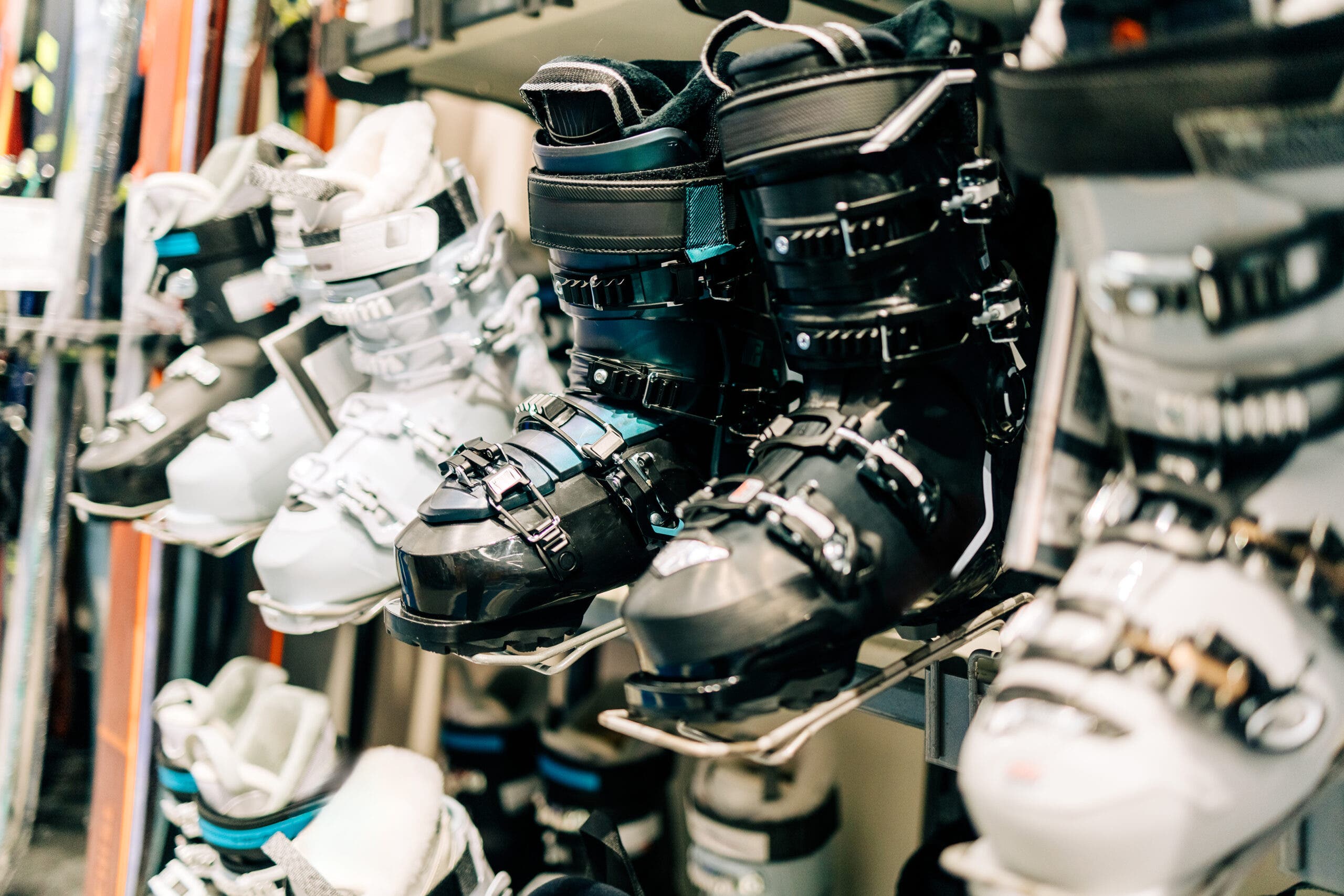
Dr. Daniels warns against the common mistake of renting a boot that is too large in an attempt to find comfort. A loose shell forces the skier to over-tighten the buckles to maintain control. This creates localized pressure points and restricts blood flow while still allowing the foot to slide forward and slam into the toe box during turns.
To protect their feet, rental customers should:
- Communicate with Technicians: Explicitly mention pre-existing conditions like high arches or bunions.
- Invest in Socks: Use high-quality, thin merino wool socks. Contrary to popular belief, thick cotton socks hold moisture and increase the risk of blisters and fungal infections.
- Bring Personal Insoles: If a skier uses orthotics in their daily life, those should be transferred to the rental boot to provide a familiar support structure.
Physiological Management: Circulation and Temperature Regulation
A significant but often overlooked factor in foot damage is the "tourniquet effect." Dr. Lobkova advises skiers to loosen their buckles during every break, whether on the chairlift or in the lodge.
"When you move from a cold temperature to a warm one, your feet and ankles swell," Lobkova explains. If the foot is trapped in a rigid plastic shell during this swelling process, the pressure increases exponentially, cutting off arterial blood flow. This not only makes the feet feel colder but can lead to "reperfusion injury" or localized tissue stress when the boots are finally removed at the end of the day.
Broader Implications for the Winter Sports Industry
The medical community’s push for better boot fitting has broader implications for the ski industry. Data from the National Ski Areas Association (NSAA) suggests that "comfort" is a primary factor in whether a first-time skier returns to the sport. By reframing boot pain as a fixable medical issue rather than a rite of passage, the industry may see higher retention rates.
Furthermore, the rise of "crossover" boots—which feature a "walk mode" and more anatomical lasts—reflects a shift toward podiatric health. Manufacturers like Salomon, Atomic, and Tecnica have begun integrating biometric data into their shell designs, acknowledging that a foot in pain cannot perform at its peak.
Ultimately, the consensus among experts like Dr. Lobkova and Dr. Daniels is that while skiing requires a specialized interface between the body and the equipment, that interface should not be destructive. Through a combination of professional fitting, proper sock selection, and an understanding of foot anatomy, skiers can enjoy the sport without sacrificing the long-term health of their feet. As Dr. Daniels concludes, "Ski boots are not ‘bad’ for your feet, but badly fit ski boots are." Listening to the body’s signals and seeking professional intervention can ensure that a passion for the mountains doesn’t lead to a lifetime of podiatric complications.

