
The United States energy and environmental landscape is undergoing a significant transformation as the Trump administration implements a series of directives aimed at prioritizing fossil fuel production and re-evaluating federal support for climate science and renewable energy projects. These actions, characterized by the use of executive authority and emergency federal powers, represent a pivot from previous decarbonization goals toward a policy of "energy dominance." The administration’s recent maneuvers include the suspension of major offshore wind developments, the proposed dissolution of premier atmospheric research institutions, the expansion of offshore drilling across more than a billion acres of federal waters, and the mandatory operation of aging coal-fired power plants.
Federal directives issued during the recent winter period have targeted multiple sectors of the energy economy simultaneously. This coordinated approach has sparked a range of reactions from state leaders, private industry stakeholders, and the scientific community, who are now assessing the long-term implications for grid stability, economic investment, and environmental conservation.
Suspension of Major Offshore Wind Infrastructure Projects
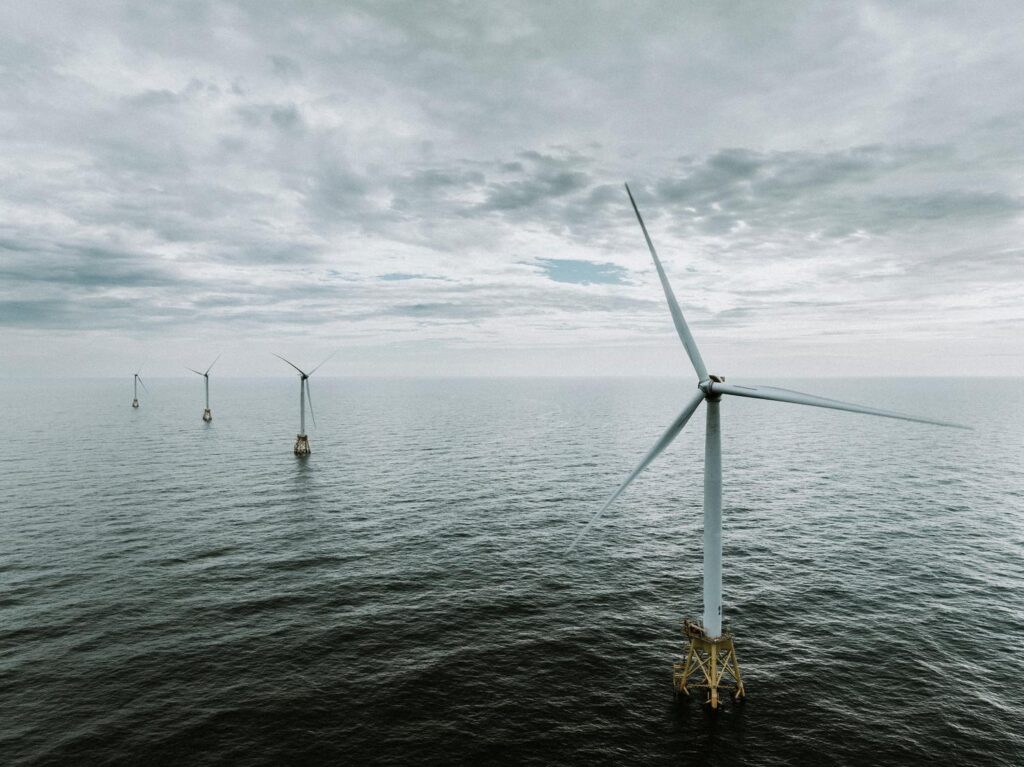
In a move that has sent shockwaves through the renewable energy sector, the Department of the Interior (DOI) recently announced the immediate suspension of five major offshore wind projects currently in various stages of construction and development. The affected projects—Vineyard Wind, Revolution Wind, Coastal Virginia Offshore Wind, Sunrise Wind, and Empire Wind—represent a collective investment of several billion dollars and were intended to provide gigawatts of clean energy to the Eastern Seaboard.

The administration cited "national security concerns" as the primary justification for the halt. While the specific details of these concerns remain classified, the Department of the Interior indicated that the proximity of these turbines to maritime transit lanes and potential interference with radar systems necessitated a comprehensive review of existing permits. This decision effectively pauses construction for an indefinite period, despite the projects having previously cleared rigorous federal environmental and safety reviews under the National Environmental Policy Act (NEPA).
Industry analysts suggest the suspension could have significant economic repercussions. The offshore wind supply chain, which includes specialized shipbuilding in the Gulf Coast and steel manufacturing in the Midwest, faces immediate uncertainty. Vineyard Wind 1, located off the coast of Massachusetts, was already delivering power to the grid; the halt of such an advanced project raises questions regarding the sanctity of federal contracts and the stability of long-term infrastructure investments.
Proposed Dissolution of the National Center for Atmospheric Research
The administration has also signaled its intent to significantly reduce funding for, or entirely shut down, the National Center for Atmospheric Research (NCAR). Headquartered in Boulder, Colorado, NCAR is a federally funded research and development center (FFRDC) managed by the University Corporation for Atmospheric Research (UCAR) and primarily funded by the National Science Foundation (NSF). Since its founding in 1960, NCAR has served as a global leader in weather forecasting, wildfire modeling, and climate projection.
The rationale provided by administration officials centers on budgetary realignment and a shift in federal priorities away from long-term climate modeling. However, the scientific community warns that such a move would dismantle the infrastructure required for high-accuracy weather prediction. NCAR’s supercomputing facilities and the Community Earth System Model (CESM) are integral to predicting extreme weather events, which cause billions of dollars in damage annually to U.S. agriculture, infrastructure, and private property.
A timeline of NCAR’s contributions illustrates its foundational role in American safety. In the 1980s, NCAR researchers were instrumental in identifying microbursts, leading to the development of wind-shear detection systems now standard in commercial aviation. In more recent years, NCAR’s wildfire behavior models have become essential tools for state agencies in the American West to manage active fire threats and plan evacuations. The loss of this data stream could leave local governments without the necessary tools to mitigate natural disasters.
Massive Expansion of Offshore Oil and Gas Leasing
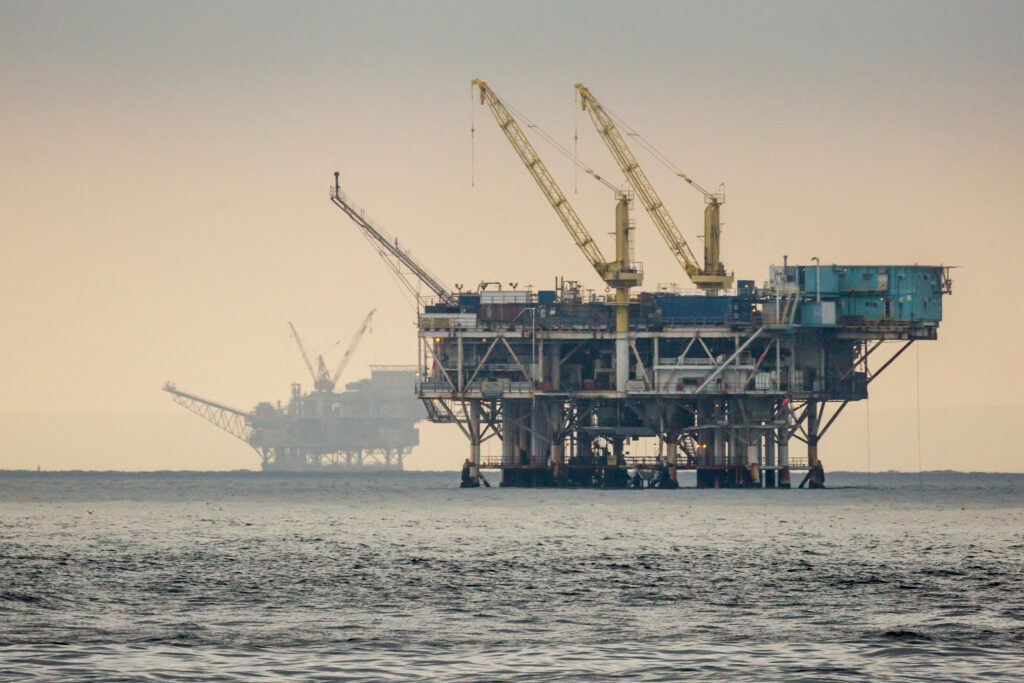
In a direct reversal of the 2024–2029 National Outer Continental Shelf (OCS) Oil and Gas Leasing Program, the administration has proposed opening 1.27 billion acres of U.S. waters to offshore drilling. This proposal encompasses nearly the entire OCS, including sensitive regions in the Arctic, the Atlantic coast, and the Pacific waters off California and Florida.
The proposal aims to increase domestic oil production to drive down global energy prices and enhance national energy security. Under the Outer Continental Shelf Lands Act, the Secretary of the Interior is required to prepare a five-year leasing program that balances energy needs with environmental protection. The new proposal significantly expands the scope of potential leases compared to the previous administration’s plan, which included only three scheduled sales in the Gulf of Mexico.
Economic data regarding offshore drilling suggests a complex trade-off. While the oil and gas industry contributes billions to the federal treasury through lease bids and royalties, coastal states express concern over the potential impact on tourism and fishing industries. In Florida and California, where coastal tourism is a multi-billion dollar driver of the state economy, bipartisan opposition has emerged. Governors and local officials have cited the 2010 Deepwater Horizon disaster as a cautionary example of the risks associated with expanded offshore extraction.

Mandatory Operation of the Craig Generating Station
In the interior West, the Department of Energy (DOE) has invoked emergency powers under Section 202(c) of the Federal Power Act to keep the Craig Generating Station Unit 1 in Colorado operational. The nearly 50-year-old coal plant was scheduled for decommissioning on December 31, 2024, as part of a long-negotiated transition toward renewable energy and natural gas by the utility provider, Tri-State Generation and Transmission Association.
The DOE’s emergency order was issued just 24 hours before the planned shutdown, citing the need for "grid reliability" during the winter heating season. This move is unprecedented because the unit was already offline due to significant mechanical failures. Forcing the plant to return to service requires substantial emergency repairs, the costs of which are expected to be passed on to rural ratepayers.
State officials in Colorado have criticized the move as an overreach of federal authority that ignores years of state-level resource planning. Analysts from the energy sector note that keeping uneconomic coal plants online can distort electricity markets and delay the integration of more cost-effective wind and solar resources. Furthermore, the mandatory operation of Craig Unit 1 conflicts with Colorado’s statutory requirements to reduce greenhouse gas emissions by 50% by 2030.
Broader Economic and Environmental Implications
The convergence of these policies signals a fundamental shift in the role of the federal government in energy markets. By utilizing "national security" and "emergency authority" as justifications, the executive branch is asserting greater control over projects that were previously governed by market forces and state-level regulations.
- Market Uncertainty: The suspension of permitted wind projects and the forced operation of retired coal plants create a volatile environment for investors. Infrastructure projects requiring decades of planning depend on a predictable regulatory framework.
- Scientific Data Gap: The potential closure of NCAR would create a vacuum in atmospheric data. Private sector weather firms often rely on NCAR’s foundational models to provide specialized forecasts for the shipping, aviation, and insurance industries.
- Environmental and Public Health Concerns: The expansion of offshore drilling and the continued operation of aging coal plants will likely lead to an increase in localized pollutants and carbon emissions. This occurs at a time when many regions are already experiencing the effects of a warming climate, such as reduced snowpack in the Rockies and rising sea levels along the Gulf Coast.
Official Responses and Legal Outlook
Legal challenges are expected across all four fronts. Environmental advocacy groups, such as the Surfrider Foundation and Protect Our Winters (POW), have already begun mobilizing public comment campaigns and preparing litigation to challenge the 1.27 billion-acre drilling proposal. These groups argue that the administration has failed to provide an adequate environmental impact statement (EIS) for such a massive expansion.
In the case of the offshore wind halts, developers are reportedly reviewing their options under federal contract law. The use of "classified" national security claims may complicate legal discovery, but industry trade groups are expected to lobby Congress for clarity on how these projects can move forward.
State governments, particularly in Colorado and along the Atlantic coast, are exploring jurisdictional challenges. The conflict between federal emergency orders and state energy mandates sets the stage for a potential Supreme Court review regarding the limits of the Federal Power Act and the executive branch’s authority over state-regulated utilities.
As the 2026 midterm elections approach, these energy policies are likely to remain a focal point of national debate. The administration maintains that these steps are necessary to ensure a robust and independent American energy sector. Conversely, critics argue that the moves represent a regression that ignores the economic realities of the global energy transition and the urgent need for scientific oversight in an era of increasing climatic volatility. The outcome of the pending legal and legislative battles will determine the trajectory of American energy and environmental policy for the next decade.

