
A startling incident unfolded within the scenic expanse of Rocky Mountain National Park, where a dispute between tourists escalated into a physical altercation, causing significant distress to a mother moose and her twin calves. The disturbance occurred as the moose family attempted to cross a roadway, a common occurrence in the park that typically draws awe and admiration from visitors. However, on this occasion, the spectacle was marred by human conflict, leading to a near-disaster for the young wildlife.
Unfolding of the Incident: A Disruption in the Wild
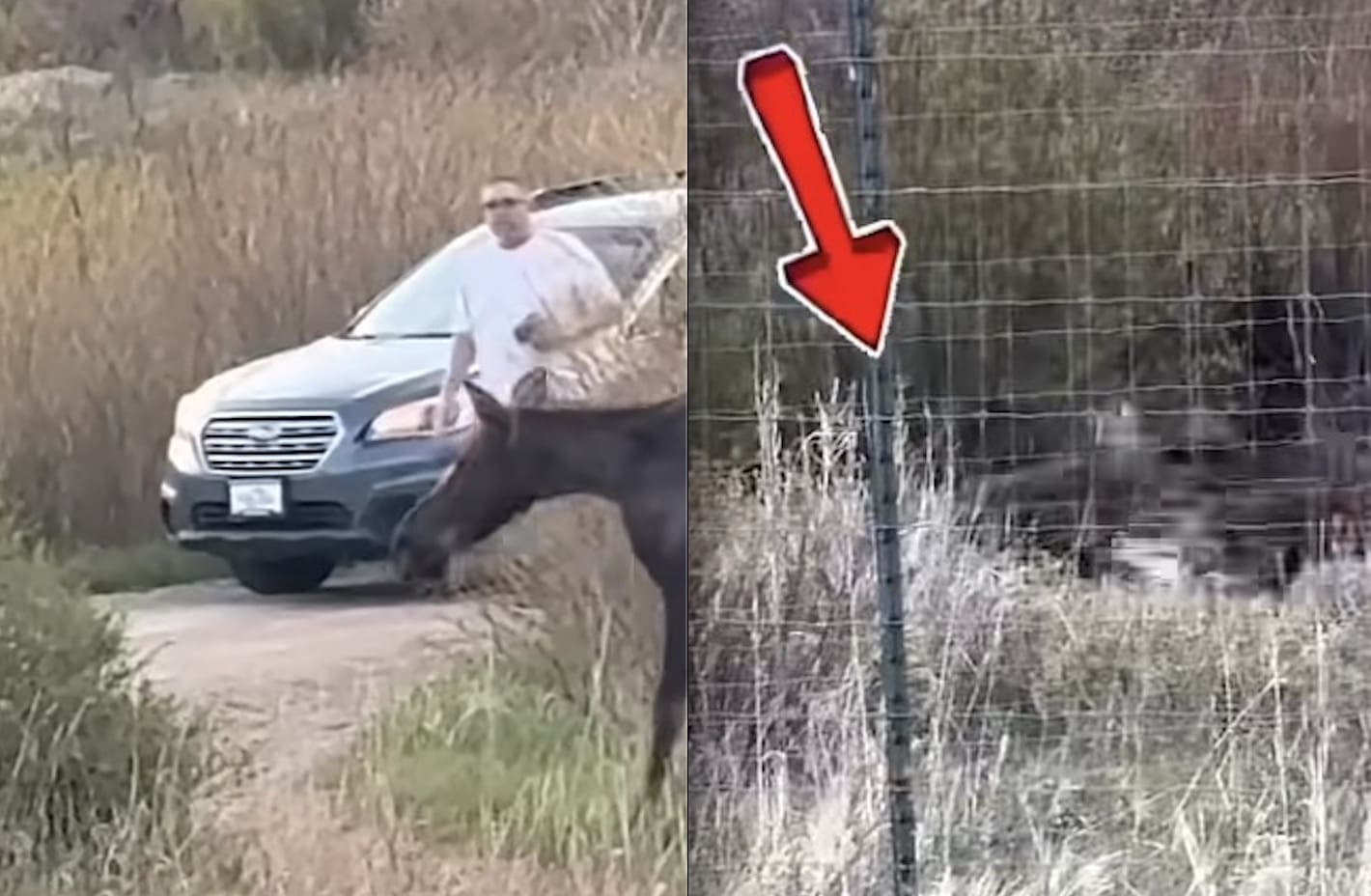
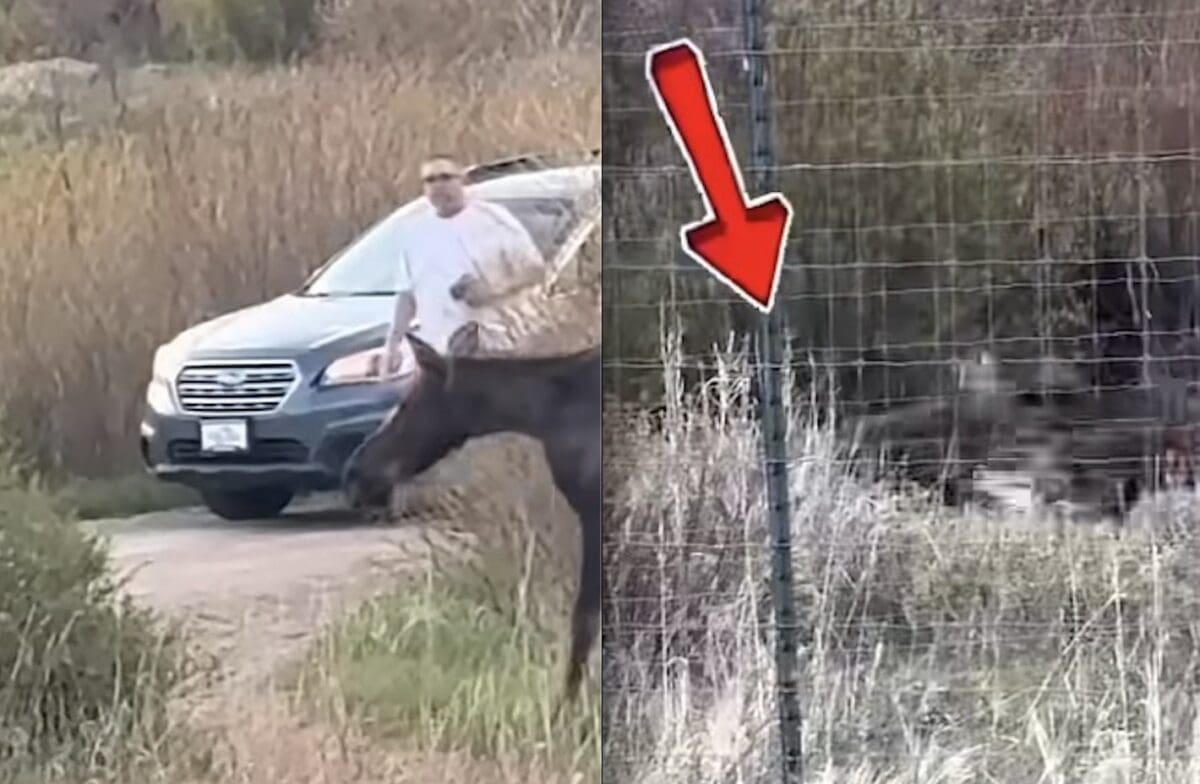
The video footage, captured by onlookers, depicts a scene of escalating tension between two individuals. While the exact catalyst for the argument remains unclear, the altercation quickly devolved into a physical confrontation, involving shoving. Crucially, this human drama unfolded at a moment when a cow moose and her two calves were navigating the park’s thoroughfares. The sudden and aggressive nature of the fight, a stark contrast to the expected tranquility of the natural environment, proved to be deeply unsettling for the vulnerable animals.
One of the moose calves, evidently startled and disoriented by the commotion, became increasingly agitated. In its distress, the young moose lost its footing and tumbled into a fast-flowing river that ran adjacent to the roadway. The swift current presented an immediate and grave danger to the calf, threatening to sweep it away. Fortunately, after a tense period, the calf managed to extricate itself from the powerful water and was later observed reuniting with its mother, where they settled down away from the source of the disturbance.
Official Response and Park Regulations
Park rangers were promptly dispatched to the scene following the incident. Authorities engaged with the individuals involved in the altercation. As of the latest reports, no citations have been issued in connection with the fight. This outcome, while possibly stemming from insufficient evidence or the park’s discretion in handling minor disputes, underscores the delicate balance between visitor management and wildlife preservation.
Rocky Mountain National Park, a protected area encompassing over 415 square miles of diverse mountain ecosystems, is renowned for its abundant wildlife, including elk, bighorn sheep, and the iconic moose. The park’s management emphasizes responsible visitor behavior to ensure the safety and well-being of both its human guests and its animal inhabitants. Regulations are in place to maintain a respectful distance from wildlife, a guideline that was clearly disregarded during this incident.
The Importance of Wildlife Etiquette and Safety
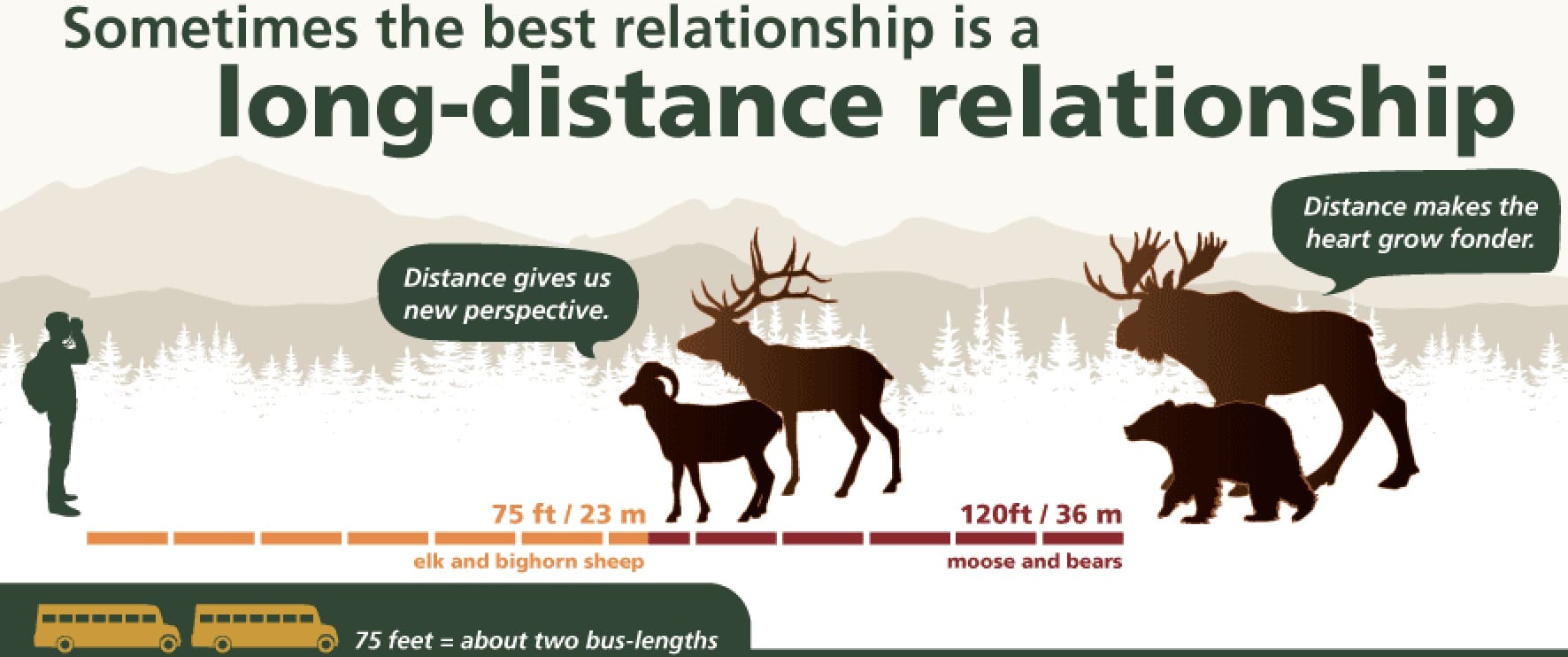
The Rocky Mountain National Park Service actively promotes wildlife safety guidelines to prevent such occurrences. Visitors are consistently reminded to maintain a minimum distance of 75 feet (approximately 23 meters, or two bus-lengths) from most wildlife. For larger and potentially more dangerous animals like black bears, moose, and mountain lions, this recommended buffer zone is extended to 120 feet (approximately 36 meters, or three bus-lengths). These guidelines are not arbitrary; they are based on scientific understanding of animal behavior and the potential for stress and harm when humans encroach upon their space.
The incident serves as a stark reminder that even in a vast natural setting, human behavior can have profound and immediate consequences for wildlife. Emotions can indeed run high in environments where remarkable animals are observed, leading to a natural desire for closer proximity for photographs or simply to marvel at their presence. However, this excitement must be tempered with a commitment to respecting the animals’ natural behaviors and their need for undisturbed space. The park’s official stance, articulated through various educational materials, is that “distance always makes the heart grow fonder” – a poignant reminder that observing wildlife from a safe and respectful distance enhances the experience for everyone and ensures the animals’ continued well-being.
Analyzing the Implications: A Call for Enhanced Awareness
The near-tragedy of the calf falling into the river highlights the potential risks associated with human-induced stress on wildlife. Moose, while appearing robust, are sensitive to disruptions, particularly mothers with young calves. A panicked flight response, triggered by a loud or aggressive human encounter, can lead to injuries or separation from the protective mother.
This incident also raises questions about visitor education and enforcement within national parks. While park rangers are dedicated to visitor safety and wildlife protection, the sheer scale of popular parks like Rocky Mountain National Park presents significant challenges. The prevalence of personal electronic devices and the desire for unique photographic opportunities can sometimes override common sense and adherence to park regulations.
Data Insights on Wildlife Encounters in National Parks:
According to data from the National Park Service, incidents involving wildlife and visitors, while not always severe, are a recurring concern across the park system. These range from minor disturbances to more serious encounters where human actions have directly impacted animal behavior or safety. Studies have shown that animals habituated to human presence or stressed by close proximity can exhibit altered feeding patterns, increased vigilance, and a higher susceptibility to disease.
The case of the spooked moose calf underscores the broader challenge of managing human-wildlife interactions in increasingly popular natural spaces. As visitor numbers continue to rise in national parks, the need for robust educational campaigns, clear signage, and potentially more proactive enforcement of wildlife viewing regulations becomes ever more critical. The goal is to foster an environment where the awe-inspiring presence of wildlife can be appreciated without compromising their safety or the integrity of their natural habitat.
The incident also prompts reflection on the human element of these encounters. The dispute between tourists, though seemingly unrelated to the wildlife initially, ultimately had a direct and dangerous impact on the animals. This serves as a powerful, albeit unfortunate, illustration of how human conflicts and poor decision-making can reverberate through an ecosystem.

Broader Impact and Future Considerations:
The long-term implications of such events extend beyond the immediate distress caused to the animals. Repeated disturbances can lead to wildlife avoiding popular areas, altering migration patterns, or becoming more fearful and unpredictable. This can diminish the visitor experience for others who come to appreciate the park’s natural splendor and can negatively impact the ecological health of the park.
Moving forward, park authorities may consider reinforcing messaging on responsible tourism, perhaps through enhanced interpretive programs, increased ranger presence in high-traffic wildlife viewing areas, and the use of technology to educate visitors about wildlife safety in real-time. The incident also serves as a potent case study for visitor behavior management strategies in other protected natural areas facing similar pressures. The ultimate aim is to ensure that future generations can experience the majesty of places like Rocky Mountain National Park, where both human visitors and wildlife can coexist safely and harmoniously.

