
At the remote southern reaches of the globe, where the terrestrial world gives way to a frozen expanse of floating ice, a team of glaciologists is grappling with one of the most significant environmental questions of the twenty-first century: how long can the Antarctic ice shelves sustain their structural integrity against a warming atmosphere and ocean? Dr. Ali Banwell, a prominent member of the Protect Our Winters (POW) Science Alliance and a Research Scientist at the University of Colorado Boulder, recently concluded a pivotal field season on the McMurdo Ice Shelf. Her research, conducted in collaboration with Northumbria University and the University of Maine, seeks to decode the complex mechanics of ice shelf stability—a factor that will ultimately determine the rate of global sea-level rise for centuries to come.
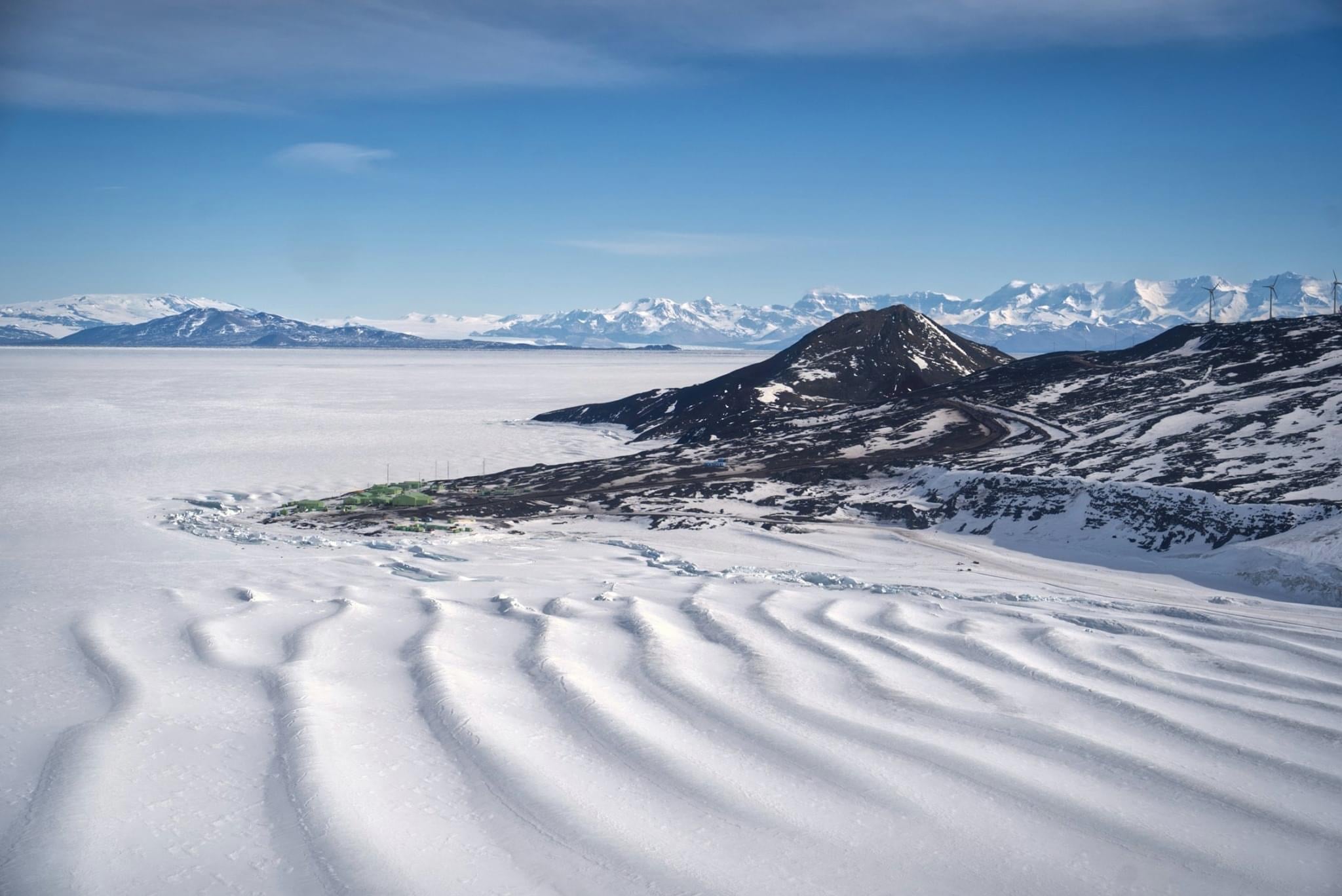
The urgency of Dr. Banwell’s work is underscored by a singular, staggering statistic: the Antarctic Ice Sheet contains enough frozen water to raise global sea levels by approximately 190 feet (58 meters). While the total liquidation of the continent’s ice is not an immediate prospect, the processes that could lead to significant, irreversible mass loss are already underway. The primary defense against such a scenario is the ring of ice shelves that surround roughly 75 percent of the Antarctic coastline. These floating extensions of the continental ice sheet act as a "buttress," providing a physical barrier that slows the flow of land-based glaciers into the Southern Ocean. Without these shelves, the interior ice would accelerate its march toward the sea, drastically increasing the volume of water added to the world’s oceans.
The Mechanics of Ice Shelf Stability and the "Rumple" Phenomenon
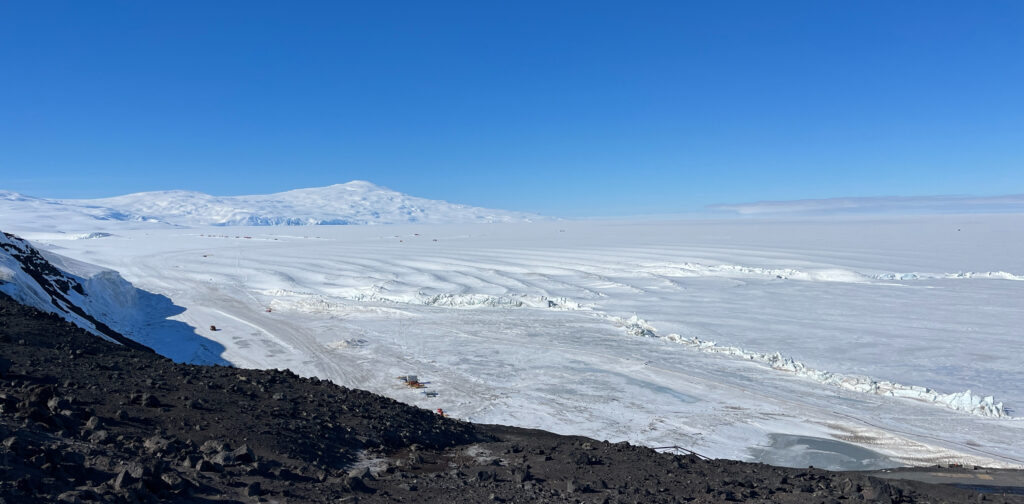
To understand the vulnerability of these frozen barriers, Dr. Banwell’s research focuses on the McMurdo Ice Shelf, a region near the United States’ McMurdo Station on Ross Island. Traditionally, ice shelves are expected to flow outward from the continent toward the open sea. However, the McMurdo Ice Shelf exhibits a peculiar behavior that has long intrigued glaciologists. Instead of a straightforward path to the ocean, sections of the ice are being forced into landmasses and grounded features.
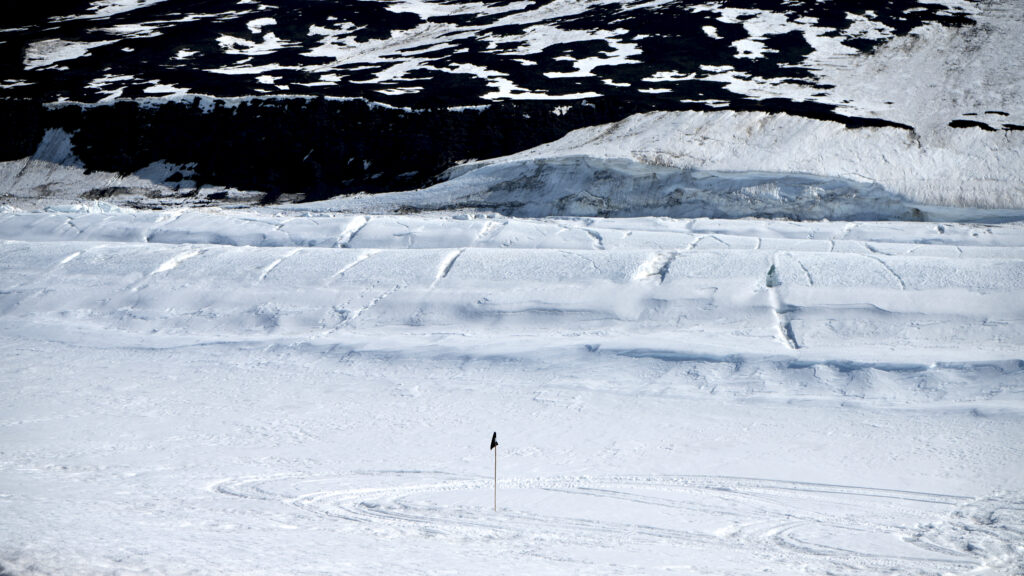
This physical obstruction causes the ice to compress and buckle, creating wave-like ridges known as "ice shelf rumples." These features can stretch across vast distances of the ice surface, often leading to deep fractures and buckling. The central inquiry of Dr. Banwell’s National Science Foundation (NSF)-funded project is whether these rumples serve to reinforce the ice shelf by anchoring it, or if the resulting fractures create structural weaknesses that make the shelf more susceptible to catastrophic collapse.
The answer to this question has global implications. If rumples are found to be points of failure, current models for sea-level rise may need to be adjusted to account for more rapid ice shelf disintegration. Conversely, if they provide stability, they may represent a critical factor in the longevity of the Antarctic coastline.
Chronology of the Expedition: Six Weeks in the Frozen Wilderness
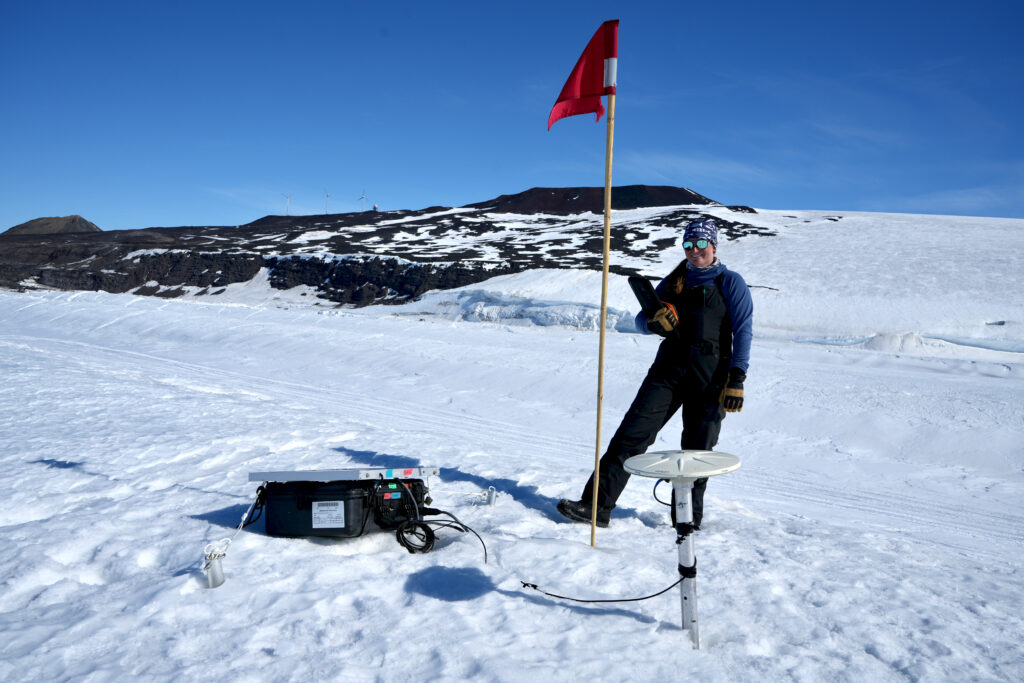
The field season involved a rigorous six-week deployment, during which Dr. Banwell led a team of four scientists across the McMurdo Ice Shelf. The team included Dr. Ryan Cassotto, a Co-Principal Investigator from the University of Colorado Boulder and the University of Maine, and PhD students Allie Berry and Michela Savignano. Operating out of McMurdo Station, the team traveled daily by snowmobile into the "rumple zone," a landscape Dr. Banwell described as vast and otherworldly, where the sun remains perpetually above the horizon during the austral summer.
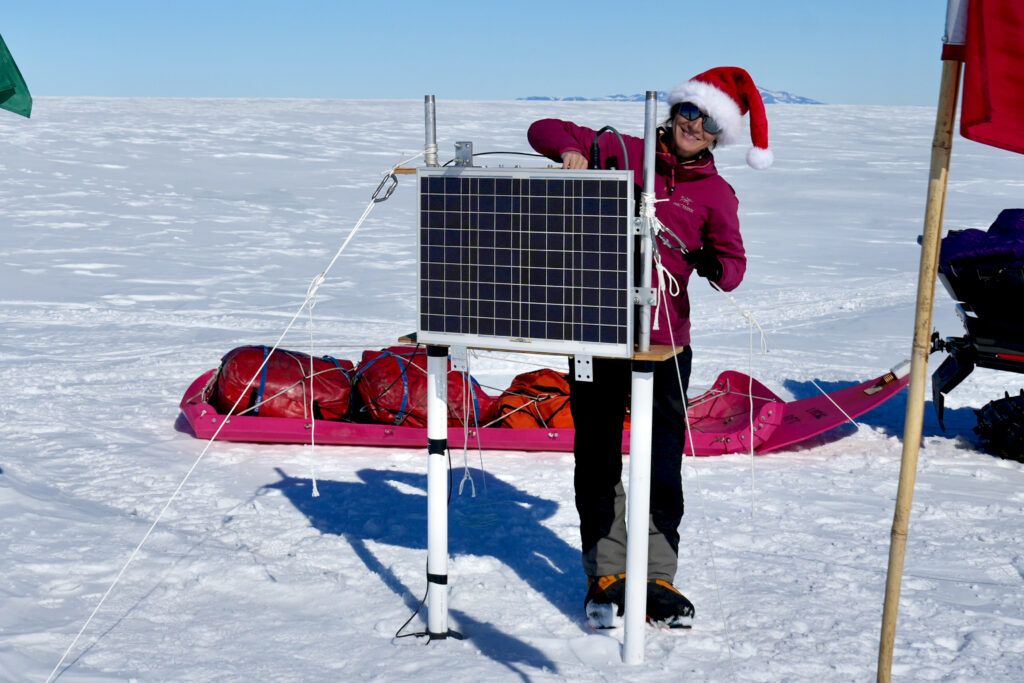
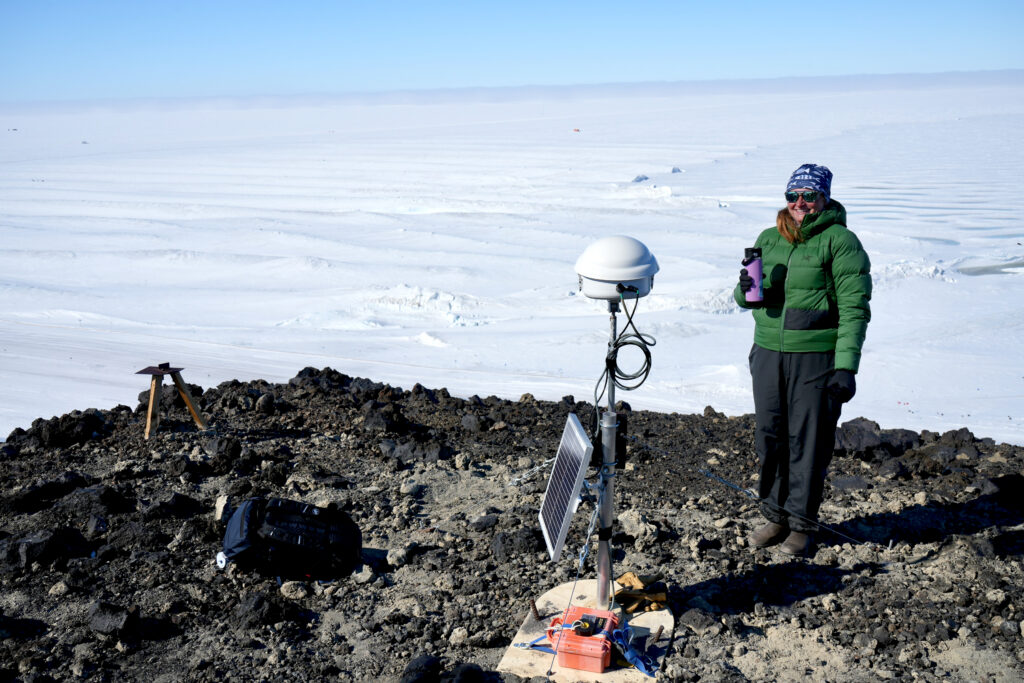
The expedition’s primary objective was the installation of a sophisticated network of monitoring instruments designed to record the ice shelf’s "vital signs" through the harsh Antarctic winter. This network includes:
- Seismometers: Sensitive instruments placed deep within the ice to detect the "ice quakes" caused by internal cracking and fracturing.
- High-Precision GPS Units: Devices capable of tracking the movement of the ice shelf with centimeter-scale accuracy, allowing scientists to measure flow rates in real-time.
- Radar Systems: Ground-penetrating radar used to map the internal layers of the ice and measure its thickness and internal deformation.
- Automated Weather Stations: Equipment to capture atmospheric data, including temperature, wind speed, and solar radiation, to correlate environmental changes with ice behavior.
- Time-Lapse Cameras: Positioned to take photographs every 30 minutes, these cameras provide a continuous visual record of surface changes, including the development of meltwater ponds and the widening of crevasses.
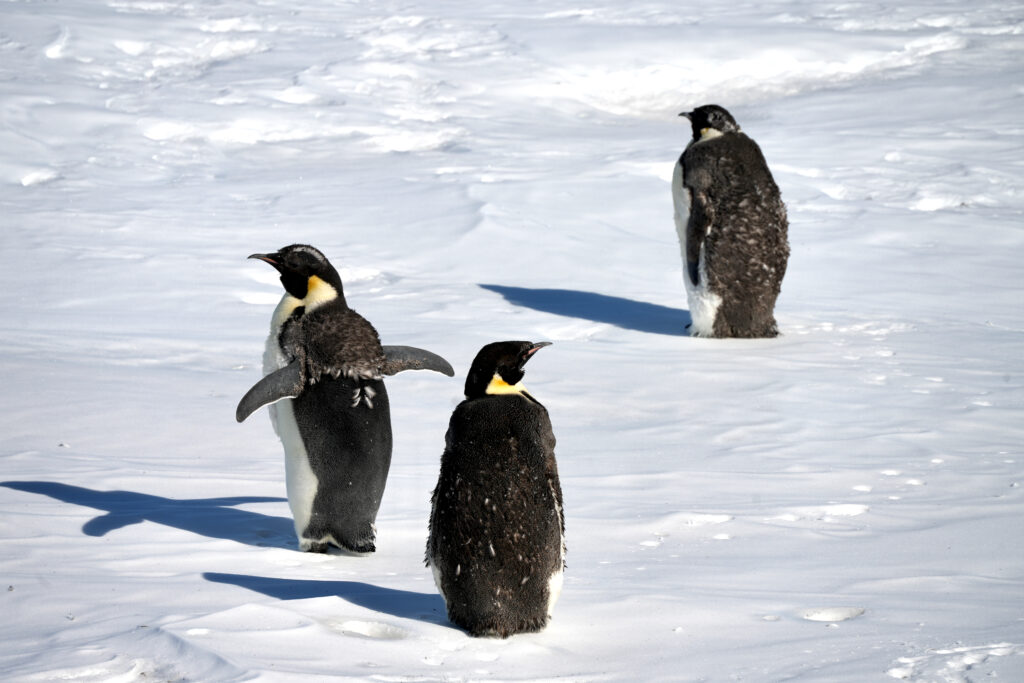
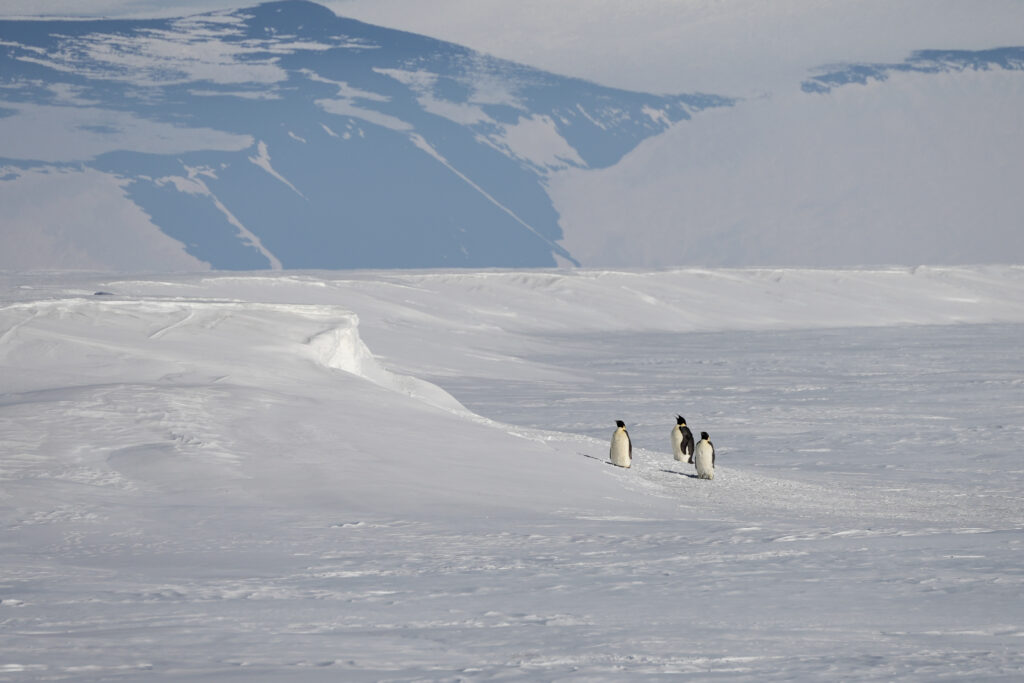
Throughout the deployment, the team shared their workspace with local wildlife, most notably three emperor penguins that were undergoing their annual molt. The presence of these birds served as a constant reminder of the ecosystem that depends on the stability of the Antarctic environment.
Observations of a Warming Continent: Record Temperatures and Fractured Ice
While the primary data will be retrieved during the next field season, early observations from the team have already provided sobering insights into the state of the ice shelf. Dr. Banwell noted that the ice was moving significantly faster than anticipated, with flow rates averaging between one and two feet per day. While such numbers may seem incremental, they represent a highly dynamic system under significant stress.
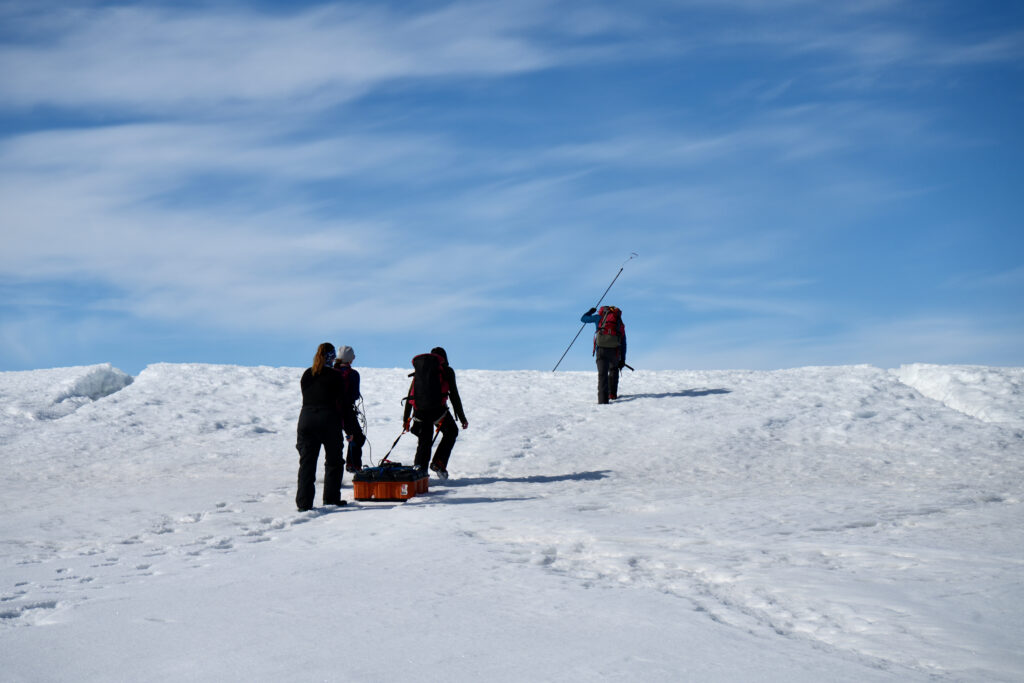
Perhaps most concerning was the temperature. This field season marked the warmest of the seven summers Dr. Banwell has spent in Antarctica. The anomalous heat led to an earlier-than-usual snowmelt, which stripped away the protective white layer to reveal a heavily fractured ice surface beneath. The team encountered a higher frequency of crevasses than in previous years, highlighting the physical dangers of glaciological research and the accelerating degradation of the ice shelf’s structural integrity.
"The team encountered more crevasses than anticipated," Dr. Banwell reported, noting that mountaineering expertise and rigorous safety protocols are now more essential than ever for Antarctic field operations. The increased fracturing is a direct physical manifestation of the stress placed on the ice by rising global temperatures.
Data Analysis and the Path Forward
As the Antarctic winter sets in, the instruments left behind by Dr. Banwell’s team continue to operate in total darkness and sub-zero temperatures. When the team returns for the next field season, they will retrieve a comprehensive dataset that bridges the gap between satellite observations and ground-level mechanics.
By cross-referencing seismic signals with GPS tracks and radar images, the researchers hope to build a high-resolution model of how ice shelf rumples respond to external pressures. This data will be integrated into larger climate models used by the Intergovernmental Panel on Climate Change (IPCC) to refine sea-level rise projections.
Current scientific consensus suggests that global sea levels could rise by one to three feet by the end of this century. Such an increase would have devastating consequences for low-lying coastal regions, potentially displacing tens of millions of people and causing trillions of dollars in infrastructure damage. The research conducted on the McMurdo Ice Shelf is vital for narrowing the uncertainty in these projections, allowing governments and coastal communities to better prepare for the coming changes.
Broader Implications: The Global Stakes of Glaciology
The work of the POW Science Alliance and researchers like Dr. Banwell represents a critical intersection of high-level physics, environmental science, and global policy. The Antarctic ice shelves are not merely remote geographical features; they are the mechanical "plugs" that prevent a global catastrophe.
The acceleration of ice flow and the increased frequency of shelf-breakup events—such as the famous collapse of the Larsen B Ice Shelf in 2002—demonstrate that the "buttressing" effect is weakening. Dr. Banwell’s study of rumples is an effort to understand the specific tipping points that lead to these collapses.
Furthermore, the research highlights the role of organizations like Protect Our Winters in bridging the gap between scientific discovery and public advocacy. By translating complex glaciological data into clear narratives about the future of the planet, these alliances help mobilize a broader segment of the population to support climate action.
As Dr. Banwell concludes, the smallest measurements in Antarctica carry the heaviest weight for the rest of the world. One to two feet of daily ice movement or a few degrees of temperature fluctuation may seem minor in a laboratory setting, but in the context of the Antarctic Ice Sheet, they are the early warning signs of a shifting global equilibrium. The scientists willing to endure the extremes of the southern continent are the ones providing the data necessary to navigate a future where the "last line of defense" is increasingly under siege.

