
May 12, 2026 – Tecnica, a leading innovator in ski footwear, has officially announced the upcoming release of its new hybrid backcountry ski boot, the Zero G Decoy. Set to hit retail shelves in fall 2026 for the 2027 season, the Decoy is engineered to bridge the long-standing performance gap between lightweight touring efficiency and robust downhill power, a critical challenge in the rapidly expanding backcountry skiing market. This strategic introduction aims to cater to a growing segment of skiers who demand uncompromising performance across diverse mountain conditions without the traditional trade-offs.
The backcountry skiing landscape has evolved significantly over the past decade. What was once a niche pursuit dominated by extreme alpinists and dedicated powder hounds has blossomed into a mainstream activity, driven by technological advancements in gear and a desire among skiers to escape crowded resorts. However, this growth has also highlighted persistent equipment dilemmas, particularly regarding ski boots. Skiers have often been forced to choose between ultra-light boots optimized for long ascents, which frequently compromise downhill stability and control, and heavier, resort-oriented boots that offer superior skiing dynamics but prove cumbersome and inefficient on the climb. The Zero G Decoy emerges as Tecnica’s definitive answer to this dichotomy.
Product Overview: The 2027 Tecnica Zero G Decoy Pro GW
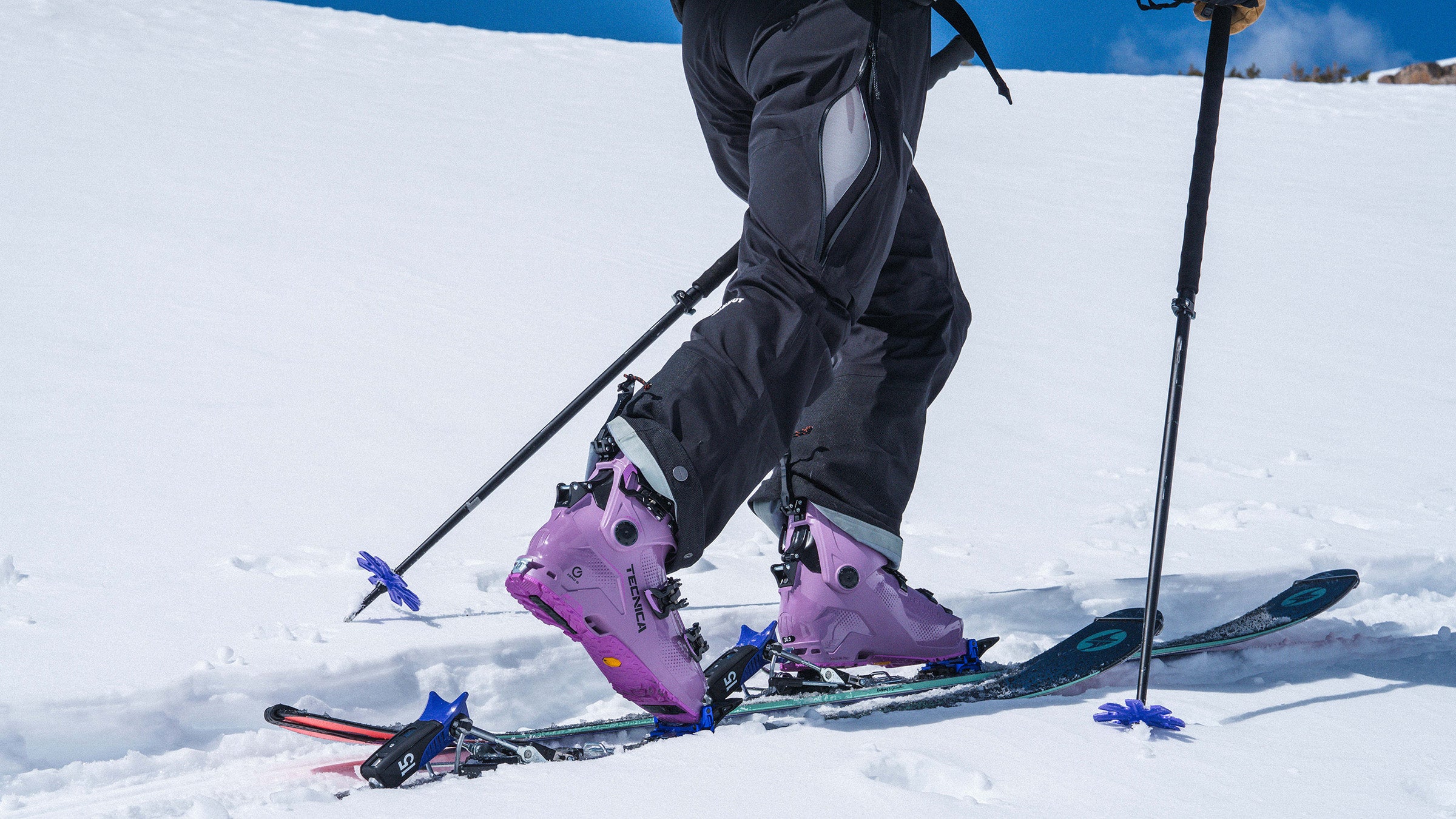
The Tecnica Zero G Decoy Pro GW represents a meticulous engineering effort to blend the best attributes of its acclaimed predecessors: the lightweight, touring-focused Zero G Tour and the freeride-oriented Cochise. Priced at $1,200, this new model boasts a weight of 1,650 grams per boot, a competitive figure for a boot designed to excel in varied terrain. It features a stiff 130 flex, indicative of its downhill prowess, and a medium volume (MV) 99 mm last, designed to offer a precise yet comfortable fit for a wide range of skiers. The boot incorporates both tech inserts for pin bindings and a Vibram GripWalk sole, ensuring broad compatibility with modern alpine touring (AT) and hybrid bindings.
Key specifications and features of the Tecnica Zero G Decoy Pro GW include:
- Price: $1,200 (anticipated launch Fall 2026)
- Weight: 1,650 grams per boot
- Flex: 130
- Volume: 99 mm (Medium Volume)
- Shell Material: Polyurethane (PU) with Power Frame construction
- Buckles: Four traditional buckles
- Walk Mechanism: T-Hike with 65 degrees range of motion
- Sole: Vibram GripWalk, compatible with Tech and GripWalk bindings
- Liner: Anatomically sculpted, plush liner
The design brief for the Decoy was clear: to deliver superior downhill performance compared to the Zero G Tour while offering significantly improved walking efficiency over the Cochise. This ambition underscores Tecnica’s commitment to innovation in a segment where compromises have long been accepted as inevitable.
Addressing the Backcountry Gear Conundrum
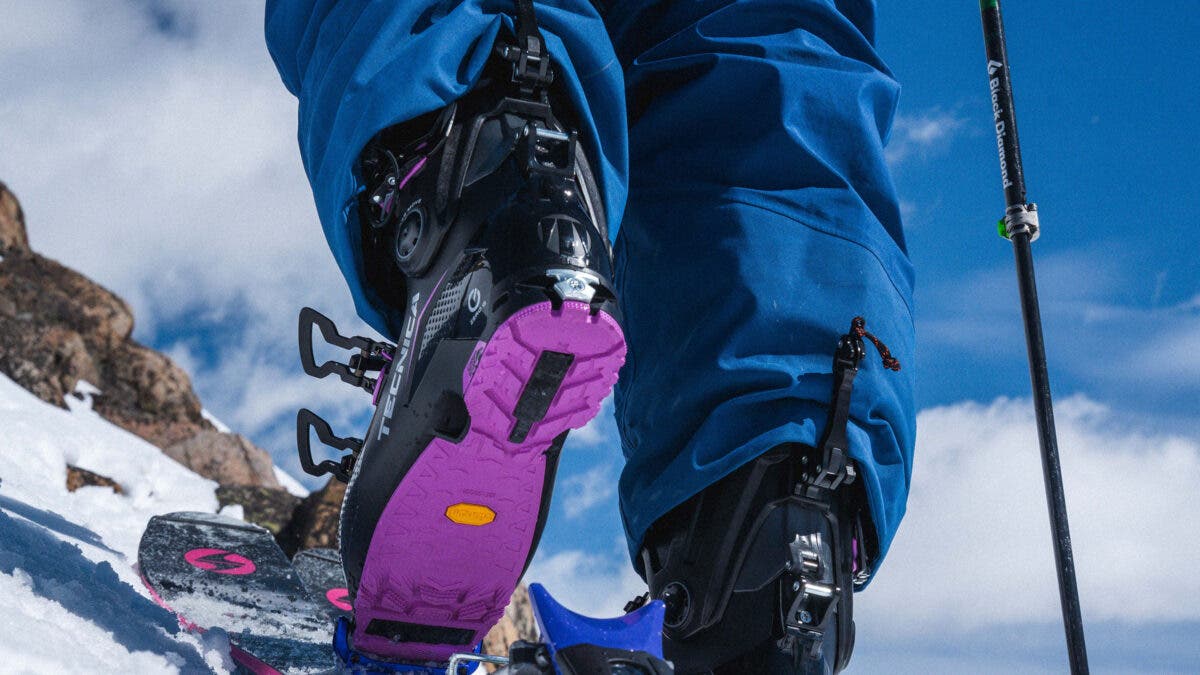
For years, the industry narrative around backcountry gear has largely emphasized weight savings. The mantra "lighter is better" resonated with many, leading to the development of ultra-light skis, bindings, and boots. While these innovations certainly made long approaches and high-vert days more manageable, they often came at the expense of downhill confidence, especially in challenging or unpredictable snow conditions. Skiers frequently reported a feeling of instability, lack of power transfer, and susceptibility to deflection in heavy, inconsistent snow—issues that could dampen the enjoyment of the descent, which is, for many, the ultimate reward of a backcountry tour.
The Zero G Decoy challenges this prevailing lightweight paradigm by re-prioritizing downhill performance without completely abandoning uphill efficiency. Its polyurethane shell, a denser and stiffer material than the Grilamid used in the Zero G Tour, is a deliberate choice to enhance responsiveness and power. This is complemented by Tecnica’s proprietary Power Frame construction, which strategically reinforces key areas of the shell to maximize energy transmission and torsional rigidity. The result is a boot that promises to drive wider skis more effectively and maintain composure through variable snow, from icy patches and sun-baked crusts to heavy spring "mank" and avalanche debris.
Rigorous Testing in Cooke City, Montana
The development process for a boot of this caliber involves extensive prototyping and real-world testing. A critical phase of this evaluation took place in early April 2026 in Cooke City, Montana, a locale renowned for its deep snowpacks and diverse, challenging backcountry terrain. This high-altitude testing ground (elevation 8,127 feet, population 77) provided an ideal environment to push the Zero G Decoy to its limits.
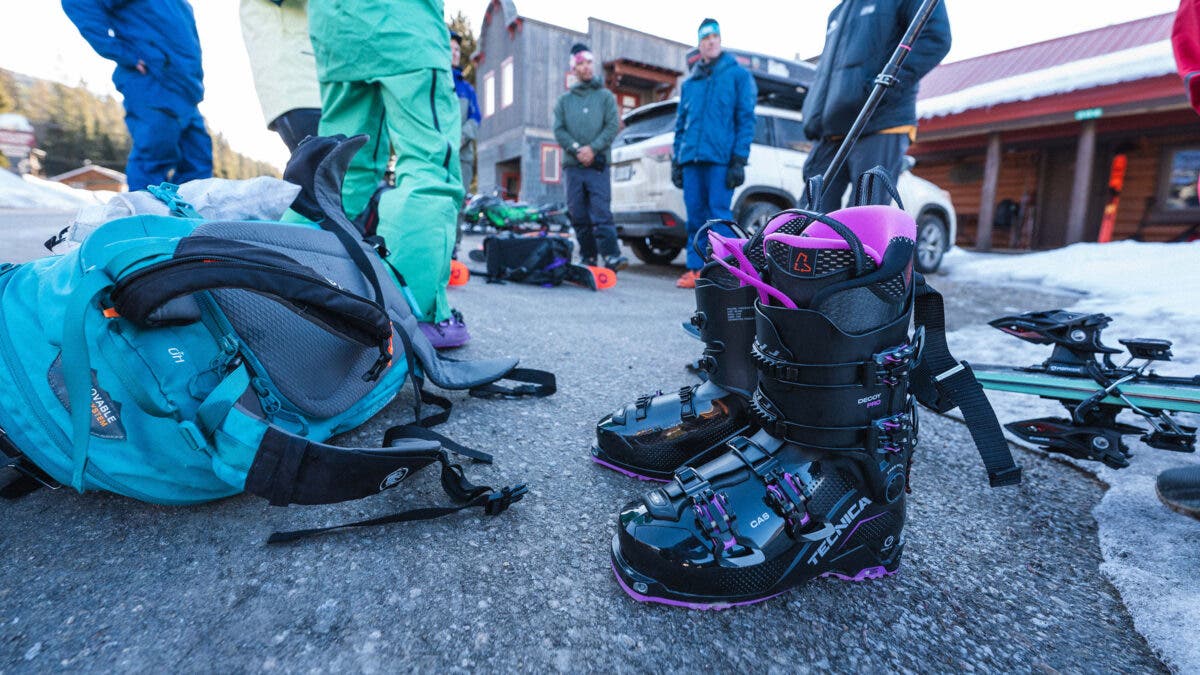
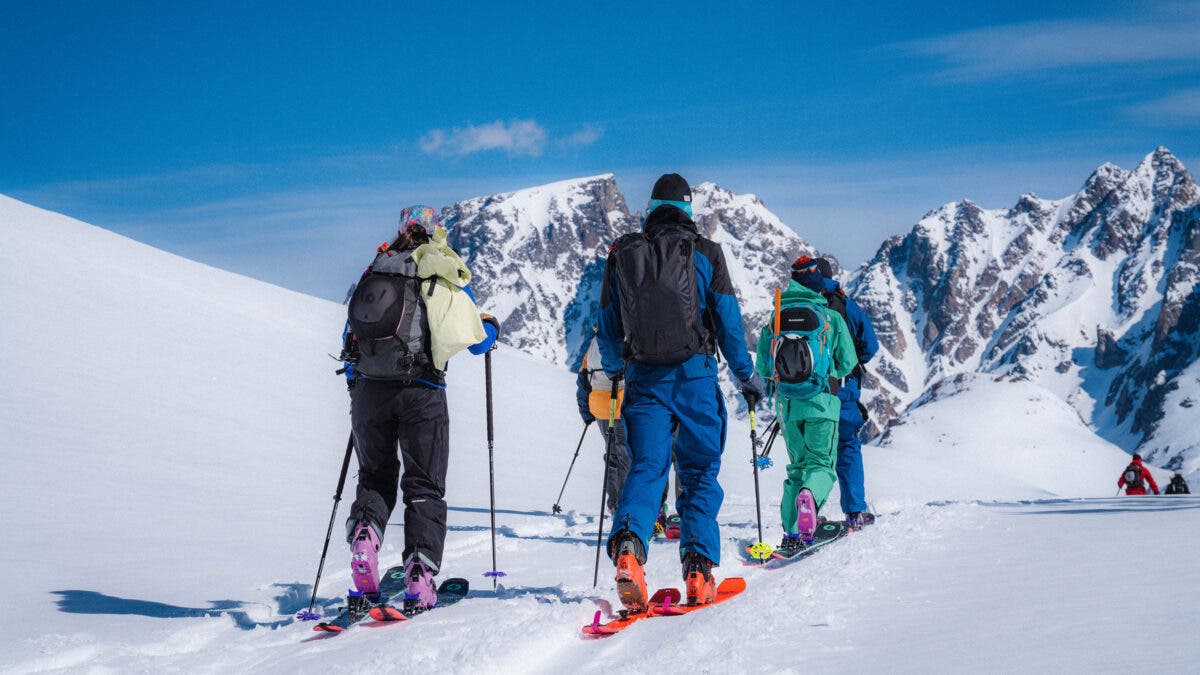
The testing expedition involved a team of Blizzard Tecnica athletes, including Connery Lundin, Piper Kunst, and Tim McChesney, all experienced backcountry skiers known for their aggressive styles and technical prowess. Over three intensive days, the boots were subjected to a wide array of conditions, from long skin tracks to steep couloirs and variable snowfields. The setup used for testing included the Zero G Decoy boots paired with Blizzard Canvas 108 skis and CAST Freetour 2.0 Pivot 15 bindings, resulting in a substantial system weight of approximately 4,400 grams per ski (including boot and binding). This intentionally burly configuration was chosen to thoroughly assess the Decoy’s ability to handle demanding forces and diverse snow conditions.
Participants reported covering significant distances and vertical gain—over 14 miles and 12,000 feet of climbing—highlighting the boot’s capacity for extended tours. A notable ascent included Cooke City’s iconic Fin, a challenging peak directly overlooking the town, which offered a true test of the boot’s uphill capabilities over a 7-mile, 3,000-vertical-foot climb. The expedition encountered a broad spectrum of snow types, from creamy corn and cold powder in sheltered north-facing chutes to sun-baked aprons and areas heavily affected by a recent heatwave, which pushed temperatures into the upper 60s even at high elevations. These inconsistent conditions were ideal for evaluating the boot’s predictability and stability.
Downhill Performance: Alpine Confidence in the Backcountry
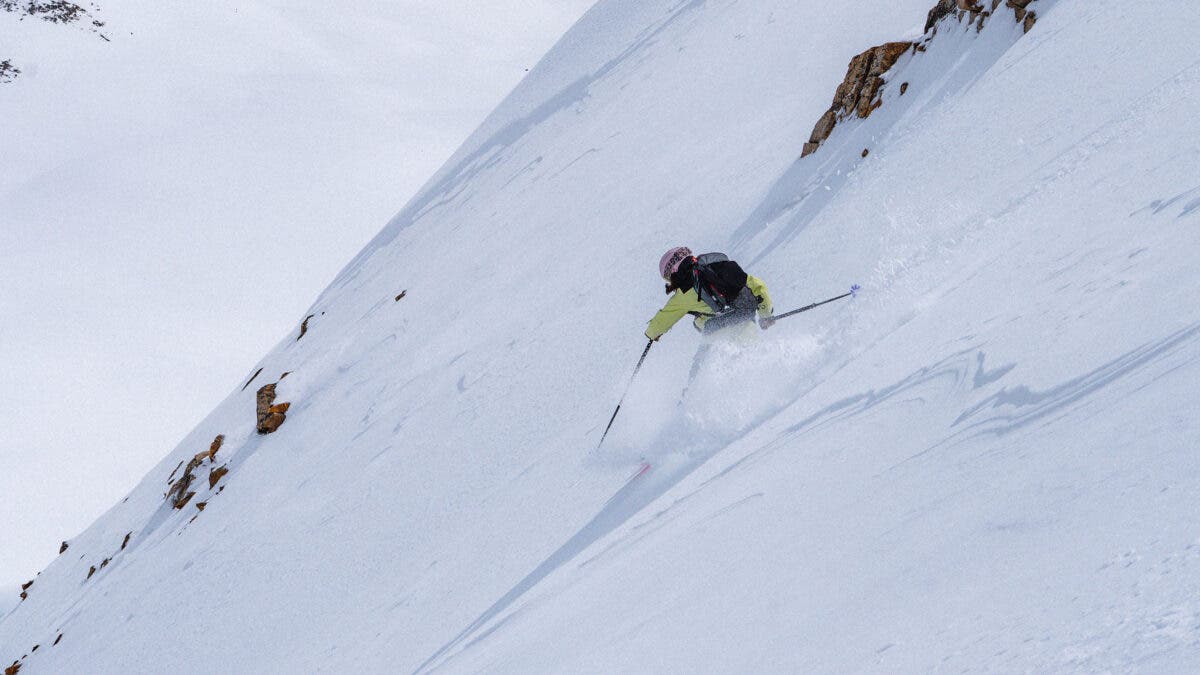
The primary objective for the Zero G Decoy’s downhill performance was to eliminate the compromises often associated with touring boots. Testers universally noted that the Decoy delivered on this promise, allowing them to ski with the confidence and aggression typically reserved for alpine setups. The boot’s progressive flex, derived from its polyurethane shell and Power Frame construction, provided ample leverage over the skis, enabling powerful turns and quick adjustments.
Unlike lighter touring boots that can feel flimsy or get "knocked around" in heavy or variable snow, the Decoy maintained a composed and predictable feel. This stability is crucial for safety and enjoyment in uncontrolled backcountry environments where snow conditions can change dramatically within a few turns. The ability to drive wider, more powerful skis effectively, even in challenging conditions like mank or avalanche debris, was a recurring highlight. For skiers who have undergone injuries, such as multiple ACL surgeries, the enhanced stability and predictability offered by the Decoy contribute significantly to renewed confidence on aggressive descents. The consensus from the testing team was that the Decoy not only surpassed the downhill performance of the Zero G Tour but also provided a more dynamic and controlled skiing experience than the heavier Cochise, effectively achieving its design goal.
Touring Performance: Uphill Efficiency Without Excessive Compromise
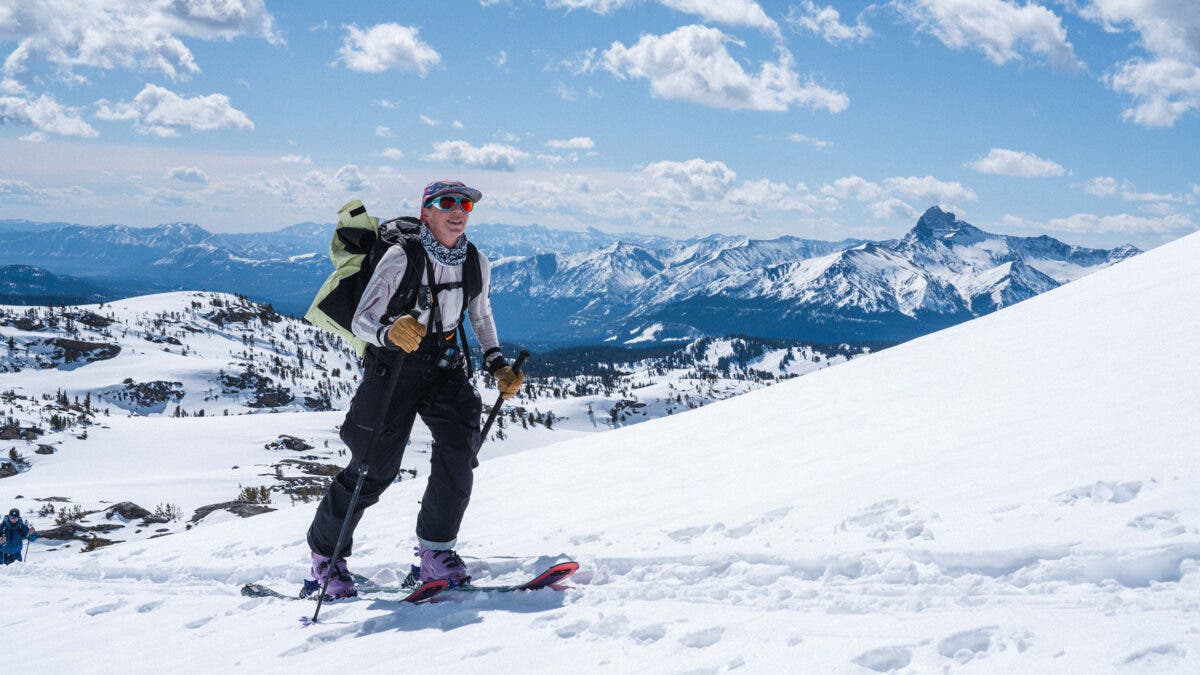
While the Decoy’s primary focus is downhill prowess, its touring capabilities were also rigorously assessed. The boot incorporates Tecnica’s T-Hike mechanism, a two-point connection system between the cuff and shell that yields an impressive 65 degrees of range of motion. For a four-buckle PU boot, this range is commendable and positions it favorably against other hybrid models in the market.
Despite its heavier construction compared to dedicated lightweight touring boots, testers found the Decoy capable of handling significant ascents. The "out-of-the-box" fit was frequently praised, particularly the 99 mm last, which reportedly offered a snug yet comfortable feel for various foot volumes. The anatomically sculpted liner and the thicker polyurethane shell contributed to a secure fit, minimizing heel lift and dead space—common issues that can lead to discomfort and energy loss on the uphill.
However, the inherent trade-off of a stiffer, heavier shell was also acknowledged. While the Decoy shares the same claimed range of motion as the lighter Zero G Tour Pro, its denser materials and plush liner require a noticeably greater effort on the skin track. Skiers accustomed to ultra-light Grilamid boots will feel the additional weight and friction, especially on longer tours or when fitness levels are not at their peak. This suggests that while the Decoy is fully capable of multi-hour tours and significant vertical gains, it is less forgiving of fitness gaps than its lighter counterparts. The implication is clear: the Decoy prioritizes downhill performance, making uphill effort a manageable, but not entirely effortless, part of the equation.
Industry Implications and Market Positioning
The introduction of the Tecnica Zero G Decoy signifies a broader trend in the backcountry skiing market: a shift towards gear that prioritizes the quality of the descent alongside reasonable uphill efficiency. This move reflects a growing understanding that for many recreational and even advanced backcountry skiers, the ultimate goal is the exhilaration of skiing real terrain, not merely the accomplishment of a long climb.
The Decoy is strategically positioned to capture market share from skiers who have previously felt underserved by either extreme of the backcountry boot spectrum. It offers an appealing option for those who have found lightweight touring boots too limiting on the downhill and resort-oriented freeride boots too cumbersome on the uphill. Its hybrid nature, combined with robust construction and a focus on uncompromised downhill performance, positions it as a formidable competitor to other "do-it-all" boots from brands like Scarpa, Dalbello, and Salomon.
Tecnica’s decision to launch the Decoy reflects a nuanced understanding of evolving skier preferences. By offering a boot that encourages aggressive skiing in the backcountry, the brand is likely to attract a demographic that seeks to replicate the power and precision of alpine skiing in remote, untouched environments. This could influence future product development across the industry, potentially leading to more boots that consciously balance uphill and downhill attributes with a stronger emphasis on the latter.
Conclusion: A New Era for Backcountry Performance
The Tecnica Zero G Decoy represents more than just a new ski boot; it embodies a philosophical shift in backcountry gear design. It champions the idea that the joy of backcountry skiing lies primarily in the descent, and that technological advancements can minimize uphill compromises without sacrificing downhill integrity. For many skiers, this re-evaluation of priorities will resonate deeply, offering a path to more fulfilling and confidence-inspiring backcountry experiences.
As the 2027 Tecnica Zero G Decoy Pro GW and its women’s counterpart, the Decoy 115 W GW, prepare to arrive on shop shelves in fall 2026, they are poised to set a new benchmark for hybrid backcountry performance. This boot promises to empower skiers to explore diverse terrain with newfound confidence, proving that the pursuit of genuine skiing performance in the backcountry no longer requires a significant compromise.

