
The federal government officially initiated the first of five scheduled lease sales in Alaska’s Western Arctic on March 18, marking a significant expansion of fossil fuel development in the National Petroleum Reserve-Alaska (NPR-A). This move opens more than 5.5 million acres to potential drilling, including the ecologically sensitive Teshekpuk Lake wetlands. The sale is part of a broader federal mandate requiring a series of auctions over the next decade, a policy that has reignited a century-old debate over the balance between national energy security and the preservation of the largest remaining block of pristine public land in the United States.
Historical Foundations of the National Petroleum Reserve-Alaska
The origins of the NPR-A date back to 1923, when President Warren G. Harding signed an executive order designating 23 million acres on Alaska’s North Slope as Naval Petroleum Reserve No. 4. At the time, the United States Navy was transitioning its fleet from coal to oil, and geologists had identified significant oil seeps along the Arctic coast. Alaska, still emerging from the fervor of the gold rush, was viewed primarily as a resource colony. The land was withdrawn from all other potential uses—including homesteading and mining—to ensure a strategic fuel supply for the military.
The administrative identity of the region shifted in 1976 when Congress passed the Naval Petroleum Reserves Production Act. This legislation transferred management of the reserve from the Navy to the Department of the Interior. While the move placed the land under civilian control, it did not alter its primary designation. The name was updated to the National Petroleum Reserve-Alaska (NPR-A), a title that continues to define the legal and bureaucratic framework of the region today. Spanning 22.8 million acres, the NPR-A is larger than the state of Indiana and remains the country’s largest single unit of public land.
The history of the reserve is also intertwined with political controversy. Shortly after the NPR-A was established, the Harding administration was rocked by the Teapot Dome scandal, in which Interior Secretary Albert Bacon Fall was convicted of accepting bribes to lease Navy oil reserves in Wyoming to private companies. Critics of current leasing programs often point to this history, noting that the tension between private extraction interests and public trust has characterized the reserve’s management for over a century.
The Push for "Expeditious" Development
The current acceleration of leasing in the Western Arctic is driven by federal mandates that prioritize "an expeditious program of competitive leasing" within the NPR-A. Proponents of the expansion argue that the reserve was created specifically for energy production and that utilizing its resources is essential for domestic energy independence. The U.S. Geological Survey (USGS) estimates that the Northern Alaska region may contain nearly half of all undiscovered recoverable oil on federal lands in the United States. Within the NPR-A alone, estimates suggest there are approximately 900 million barrels of technically recoverable conventional oil.
A central component of this industrial expansion is the Willow Project, a massive undertaking by ConocoPhillips. Located within the northeastern portion of the NPR-A, the project is estimated to hold 750 million barrels of oil. As it moves into the development phase, Willow represents one of the largest oil projects in recent American history. Additionally, the State of Alaska is pursuing a 200-mile industrial access road to the Ambler Mining District, which would further bifurcate the northern wilderness to facilitate the extraction of copper, zinc, and other minerals.
Environmental Significance and Biodiversity
Despite its industrial name, the NPR-A is one of the most productive and intact ecosystems in the world. The region’s wetlands, particularly those surrounding Teshekpuk Lake, serve as a globally critical habitat. The lake is the primary calving ground for the Teshekpuk Lake caribou herd, which provides a vital subsistence resource for Indigenous communities across the North Slope.
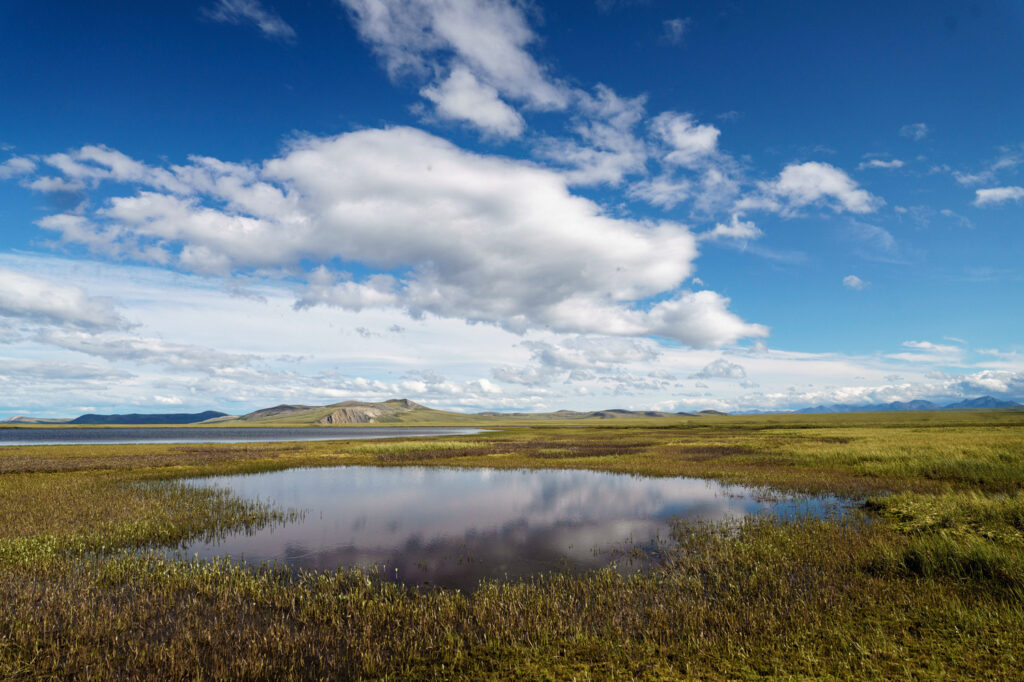
Furthermore, the NPR-A is an international hub for migratory birds. An estimated 5.4 million aquatic birds migrate to the reserve each season, representing species from six continents and nearly every U.S. state. The Teshekpuk Lake area is recognized as the single most important molting habitat in the Arctic for migratory waterfowl, including several species of geese and ducks that are sensitive to industrial noise and habitat fragmentation.
Conservationists argue that the "petroleum reserve" designation is an antiquated label that fails to account for the region’s immense biological value. They contend that while the land was set aside for oil a century ago, the modern understanding of biodiversity and ecosystem services suggests that the highest and best use of the land may be its preservation as a "carbon sink" and a wildlife sanctuary.
Climate Change and the Arctic Feedback Loop
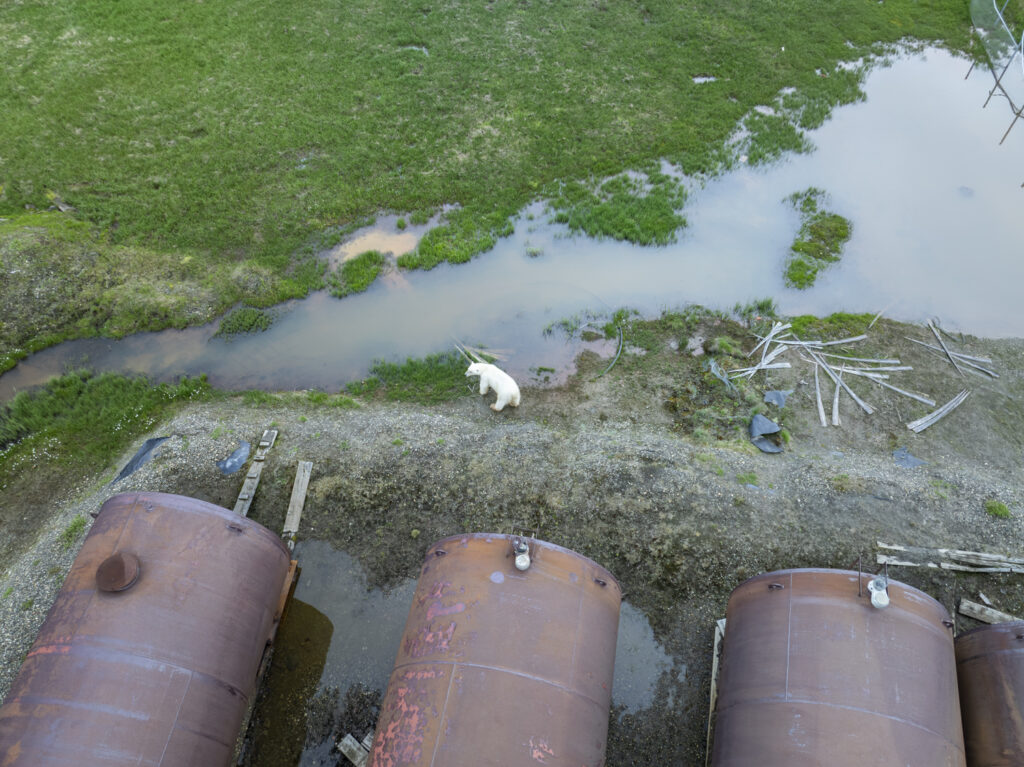
The push for increased oil extraction comes at a time when the Arctic is warming at a rate three to five times faster than the global average. This rapid temperature increase is causing the degradation of permafrost, which destabilizes the very ground upon which oil infrastructure—such as pipelines and drill pads—is built. The melting of sea ice and permafrost also contributes to a feedback loop, releasing stored carbon and methane into the atmosphere, further accelerating global warming.
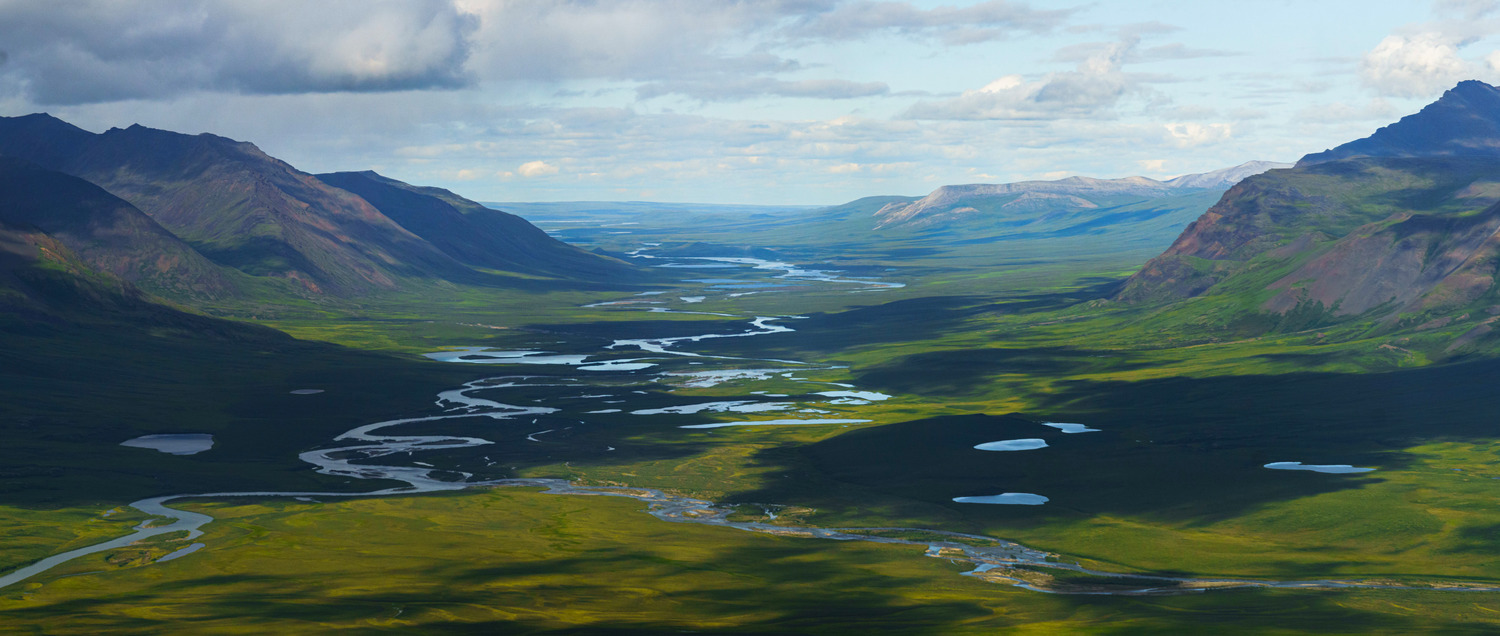
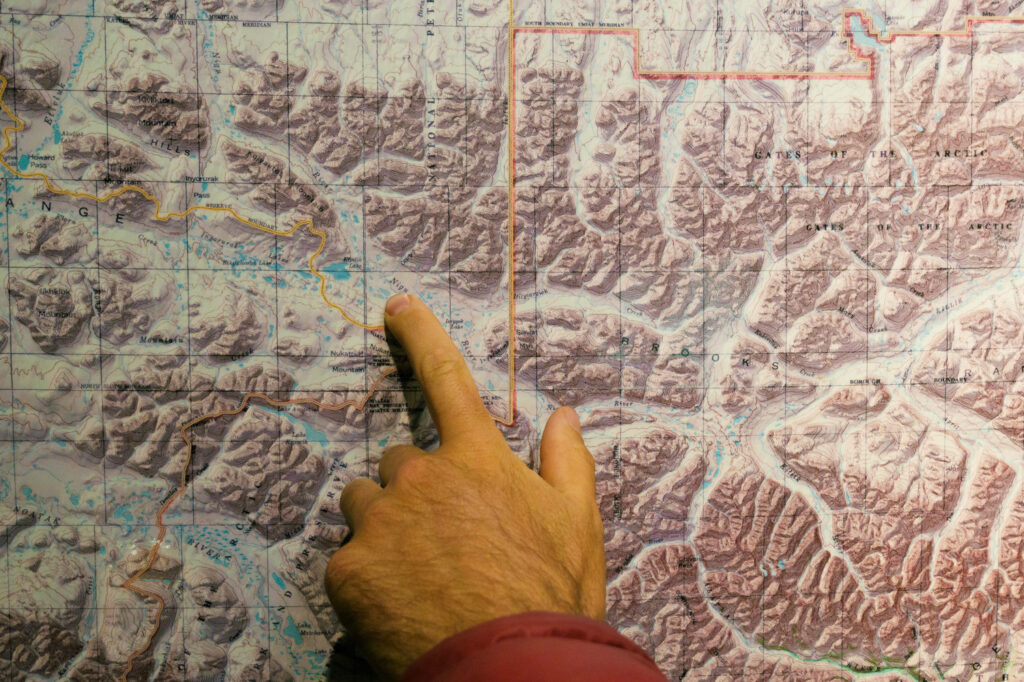
The vulnerability of the Arctic landscape is unparalleled. Unlike the contiguous United States, where wilderness is often fragmented by roads, fences, and urban development, the Arctic remains an "intact" ecosystem. The mountains of the Brooks Range, the vast river valleys, and the coastal plains are connected, allowing for the long-distance migration of caribou and the movement of apex predators like grizzly bears and wolves. Scientists warn that the cumulative impact of multiple projects—lease sales, the Willow Project, and the Ambler Road—could permanently alter the ecological integrity of the region.
Economic and Social Implications
The economics of Arctic drilling remain a point of intense debate. Arctic oil is significantly more expensive to extract than oil from shale plays in the Permian Basin or other domestic sources. The extreme environment requires specialized technology, massive infrastructure investments, and complex logistics, often necessitating significant public subsidies or tax incentives to remain viable for private corporations.
Critics of the leasing program argue that investing in Arctic oil is a "stranded asset" risk. As the global economy transitions toward renewable energy, the long-term demand for high-cost fossil fuels may decline. Oil companies typically operate on 30-year capital horizons; therefore, investments made today must remain profitable well into the mid-21st century.
From a social perspective, the impact on Alaska’s Indigenous populations is multifaceted. Some regional corporations and local governments on the North Slope support oil development as a means of generating tax revenue for schools, clinics, and essential services. Conversely, many Gwich’in and Iñupiat tribal members express concern that industrialization threatens their traditional way of life, subsistence hunting rights, and the spiritual connection to the land.
Chronology of Recent Regulatory Actions
The timeline of recent development in the Western Arctic reflects shifting federal priorities and legal mandates:
- 2017: The Tax Cuts and Jobs Act includes a provision requiring the federal government to hold at least two lease sales in the Arctic National Wildlife Refuge (ANWR), a move that signaled a broader push for Arctic extraction.
- 2020: The Department of the Interior issues a Record of Decision for a new Integrated Activity Plan (IAP) for the NPR-A, significantly increasing the acreage available for leasing.
- 2023: The federal government approves the Willow Project, despite widespread environmental protests, citing the legal rights of leaseholders.
- March 18, 2024: The first of five mandated lease sales in the Western Arctic opens, officially placing millions of acres on the auction block.
- Future Mandates: Federal law currently requires four additional lease sales in the NPR-A over the next ten years, ensuring that the region will remain a focal point of energy policy for the foreseeable future.
Broader Impact and Global Significance
The decision to open the NPR-A to expanded leasing has implications that reach far beyond the borders of Alaska. As the last "whole place" in the American wilderness, the Arctic serves as a benchmark for ecological health. The scale of the proposed development—transforming millions of acres of tundra into an industrial zone—represents a final chapter in the era of "Manifest Destiny," where land is viewed primarily as a resource to be subjugated for human consumption.
The international community is also watching closely. As a signatory to various climate agreements, the United States faces pressure to reduce its carbon footprint. Analysts suggest that the continued expansion of oil production in the Arctic may undermine America’s diplomatic standing in global climate negotiations.
In conclusion, while the name "National Petroleum Reserve" provides the legal scaffolding for the current lease sales, it remains a construction of 20th-century military necessity. The reality of the land is far more complex, encompassing a vital migratory corridor, a critical climate regulator, and a cultural landscape for Indigenous peoples. As the legal machinery of the lease sales moves forward, the future of the Western Arctic will depend on whether society views the region as a mere stockpile of fuel or as an irreplaceable heritage of the natural world. The outcome of this tension will define the environmental legacy of the United States for the next century.

