
New Hampshire wildlife officials are issuing a stark warning to motorists across the Granite State: the peak season for dangerous moose-vehicle collisions has officially commenced. With the arrival of warmer months, drivers are urged to exercise heightened vigilance on all roadways, as encounters with these majestic but formidable creatures pose a significant threat to both human safety and wildlife.
The Escalating Threat of Moose-Vehicle Collisions
The New Hampshire Fish and Game Department has tracked an average of 64 moose-vehicle collisions annually over the past five years. This concerning statistic underscores the persistent danger posed by these animals on state thoroughfares. The period from May through October is identified as the most critical, a timeframe directly linked to the behavioral patterns of moose. During these months, moose are frequently attracted to the residual salt left on roads from winter de-icing treatments. This alluring salt residue draws them onto or near roadways, increasing the likelihood of a hazardous encounter with passing vehicles.
Henry Jones, the New Hampshire Fish and Game Department’s Moose Project Leader, emphasized the gravity of the situation. "Moose are an iconic species and a tremendous resource in our state," Jones stated, "but it can be dangerous to encounter them on the road. By following a few simple rules, motorists can greatly reduce their chance of a moose-vehicle collision or the severity of personal injury if they do hit a moose." His sentiment highlights the dual focus of the department’s efforts: protecting both the public and the moose population.
Understanding the Risks: When and Where
The risk of a moose-vehicle collision is not confined to specific times or locations. While collisions are reported statewide across all types of roads, the likelihood escalates during dusk and nighttime hours. The natural behaviors of moose, coupled with reduced visibility after dark, create a perilous combination.
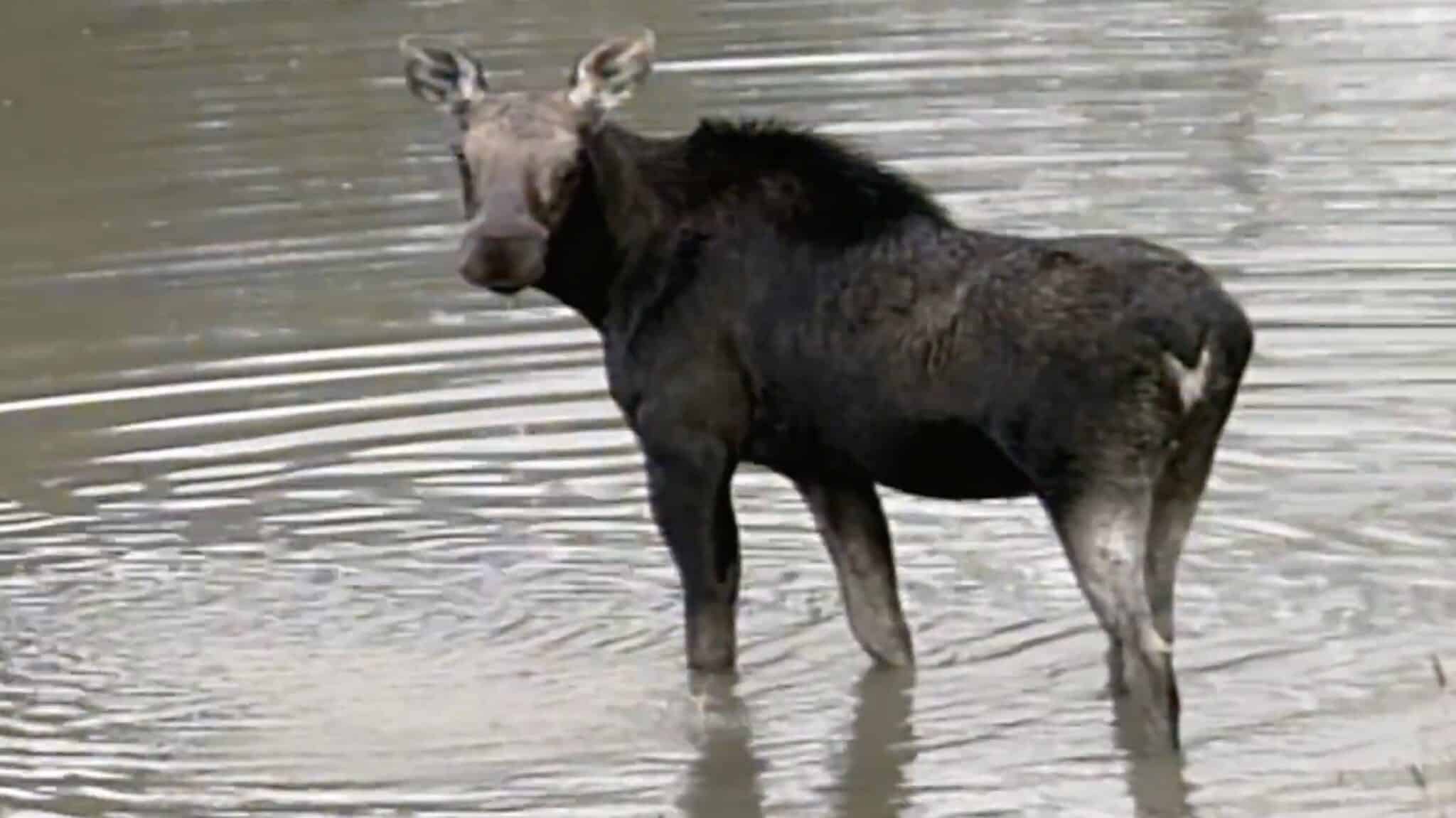
The dark brown coloration of moose makes them exceptionally difficult to spot against the asphalt and surrounding shadows once headlights illuminate them. Unlike smaller animals, a moose’s large size means a collision can be catastrophic. Furthermore, drivers should not solely rely on the reflection of headlights in an animal’s eyes to detect its presence. Moose, particularly when startled or moving, may not be facing oncoming traffic, rendering the common eye-shine warning ineffective.
Strategic Driving for Moose Safety
In response to the escalating risk, wildlife officials have outlined a series of proactive safety measures for drivers. These recommendations are designed to mitigate the chances of a collision and minimize the potential for severe consequences should an encounter occur.
Key safety recommendations include:
- Reduce Speed: Especially during dawn, dusk, and nighttime hours, and when traveling through known moose habitats or areas with posted moose crossing signs. Lower speeds provide more time to react and stop.
- Wear Seatbelts: This is a fundamental safety practice that significantly increases survival rates and reduces injury severity in any vehicle accident, including those involving large animals.
- Scan Road Shoulders: Actively look for movement or the presence of large animals along the edges of the road. Moose often emerge suddenly from tree lines or brush.
- Utilize High Beams: When there is no oncoming traffic, high beams can illuminate a greater portion of the road and its surroundings, increasing the chances of spotting a moose further in advance.
- Maintain Safe Stopping Distance: Ensure your vehicle’s speed is such that you can come to a complete stop within the visible range of your headlights.
If a moose is spotted, drivers are strongly advised to slow down or come to a complete stop until the animal has safely moved off the roadway. Attempting to swerve around a moose can often lead to more dangerous outcomes, such as veering off the road or into oncoming traffic.
Beyond Rural Highways: A Statewide Concern
Henry Jones further stressed that the danger is not limited to remote rural highways or heavily wooded corridors, which are often perceived as primary moose habitats. "Collisions with the animals are not limited to rural highways or heavily wooded corridors," Jones stated. "Any road in the state carries potential risk during peak months." This broadens the scope of concern, implying that drivers in all regions of New Hampshire must remain vigilant.
The presence of moose is a testament to New Hampshire’s thriving natural environment. However, this abundance necessitates a careful coexistence between humans and wildlife. The economic impact of moose-vehicle collisions is also considerable, encompassing vehicle damage, potential medical expenses for injured drivers, and the tragic loss of wildlife.
The "Brake for Moose" Campaign: A Continuing Effort
To combat this ongoing issue, the New Hampshire Fish and Game Department continues to champion its public outreach initiative, the "Brake for Moose" campaign. This campaign aims to educate the public about the risks and provide practical advice for safe driving during peak collision seasons. The program serves as a vital tool in fostering a culture of awareness and responsibility among New Hampshire’s driving population.
The department provides comprehensive information and additional safety guidance on its official website, wildlife.nh.gov. This resource offers detailed statistics, behavioral insights into moose, and further practical tips for drivers to navigate the roads safely during these high-risk months. The availability of such resources underscores the department’s commitment to proactively addressing the challenge of moose-vehicle collisions.

Broader Implications and Conservation Context
The challenges posed by moose-vehicle collisions are not unique to New Hampshire. Similar concerns are echoed in other states and Canadian provinces with significant moose populations. In Maine, for instance, the number of moose-vehicle collisions can also be substantial, leading to similar public safety campaigns and ongoing research into mitigation strategies.
The health and management of moose populations are critical to the ecological balance of New Hampshire’s forests. Moose are considered an indicator species, meaning their population health reflects the overall well-being of their habitat. While collisions represent a significant threat to individual moose, the broader conservation efforts focus on habitat preservation and understanding population dynamics.
The data collected from these collisions also provides valuable insights for wildlife managers. Tracking the frequency, location, and time of collisions helps identify high-risk areas and times, allowing for targeted educational campaigns and potential infrastructure improvements, such as enhanced signage or reflective markers.
The "Brake for Moose" campaign, therefore, serves a dual purpose: it is an immediate public safety initiative and a component of a larger, long-term conservation strategy. By encouraging responsible driving, New Hampshire aims to protect its residents and preserve its iconic moose population for future generations, ensuring that these magnificent animals continue to be a celebrated part of the state’s natural heritage. Drivers are reminded that a moment of inattention or excessive speed can have irreversible consequences, making vigilance and adherence to safety guidelines paramount during this critical season.

