
The Austrian tourism sector reported a notable contraction in overnight stays for March 2026, as international geopolitical instability and shifting travel patterns began to weigh on one of Europe’s most robust leisure markets. According to the latest data released by Statistics Austria on May 26, 2026, the country registered 12.1 million overnight stays during the month, representing a 4.9% decrease compared to the same period in the previous year. This downturn is largely attributed to the sudden escalation of international conflict in the Middle East and the economic repercussions of United States foreign policy, which have collectively dampened the appetite for international travel during the traditional late-winter season.
While the March figures indicate a sharp cooling of demand, the broader winter season—spanning from November 2025 to March 2026—remained positive in the aggregate. Total overnight stays for the five-month period reached 66.4 million, a 3.6% increase over the previous winter. However, the sudden reversal in March has raised concerns among industry stakeholders regarding the stability of the upcoming summer season and the long-term impact of what officials are calling "Trumplation" in key source markets.
Chronology of the 2025-2026 Winter Season and the Geopolitical Shift
The 2025-2026 winter tourism season in Austria began with strong momentum. High snowfall in November and December, coupled with a stabilized European economy, led to record-breaking numbers during the Christmas and New Year periods. By the end of January 2026, the industry was on track for a historic high, supported by a surge in visitors from Germany, the Netherlands, and the United Kingdom.
The trajectory of the season changed abruptly on February 28, 2026, with the commencement of military operations against Iran by the United States and Israel. The outbreak of hostilities immediately triggered a spike in global oil prices and a period of intense diplomatic uncertainty. For the tourism sector, the timing was particularly detrimental, coinciding with the planning window for March and April travel.
Throughout the first three weeks of March, Austrian resorts observed a wave of cancellations from non-European markets, particularly North America and Asia, as travelers sought to avoid international transit during a period of heightened security alerts. The conflict’s onset effectively truncated the late-winter peak, leading to the 4.9% decline recorded in the official statistics.
Analyzing the Trumplation Effect and Economic Headwinds
Tourism State Secretary Elisabeth Zehetner has pointed to a combination of geopolitical factors and economic policies emanating from Washington D.C. as primary drivers of the March decline. Zehetner introduced the term "Trumplation" to describe the inflationary pressures and market volatility resulting from President Trump’s renewed "America First" policies and the subsequent trade tensions that have characterized early 2026.
"Geopolitical uncertainty and a noticeable ‘Trumplation’ in important markets are increasing costs and dampening demand," Zehetner stated during a press briefing in Vienna. The term refers to the rising costs of transatlantic flights, increased insurance premiums for travelers, and a general weakening of consumer confidence in discretionary spending. As the U.S. administration implemented new tariffs and shifted its focus toward military engagement in the Middle East, the ripple effects were felt across the European hospitality sector.
The economic analysis suggests that while European travelers remain loyal to Alpine destinations, the cost of living and the "fear factor" associated with global conflict have begun to erode the mid-market segment. The increased cost of fuel, driven by the war in Iran, has also translated into higher operational costs for airlines and cable car companies, some of which were forced to adjust their pricing mid-season.
Resilience in the Domestic Market and Regional Shifts
In contrast to the decline in international arrivals, the domestic Austrian market showed remarkable resilience in March 2026. Domestic overnight stays increased by 7.8% during the month, a surge that partially mitigated the losses from abroad. This shift suggests that Austrian residents, wary of international travel during a time of global conflict, chose to spend their holidays within the safety of their own borders.
State Secretary Zehetner emphasized the importance of this domestic backbone. "In such a situation, vacations in one’s own country become a question of stability," she remarked. "Domestic demand has also been positive throughout the entire winter season so far. This provides businesses with additional stability and brings added value to where it matters most—to the regions."
The data from Statistics Austria confirms that while foreign demand faltered, the internal market provided a critical buffer. This trend of "staycations" or regional tourism is expected to continue into the summer of 2026 as the conflict in the Middle East shows no immediate signs of de-escalation.
Performance of Key International Source Markets
Despite the March downturn, the overall winter season benefited from the continued dominance of Austria’s primary foreign markets. Germany remains the undisputed leader, accounting for 12.4 million overnight stays over the winter period. The Netherlands followed with 3.8 million, maintaining its position as a vital contributor to the Austrian ski industry.
The United Kingdom, the third most important foreign market, showed surprising growth despite the broader geopolitical climate. Overnight stays from the UK to the Tirol region increased by 3.9% last season, reaching a total of 950,000. Industry analysts suggest that the UK market’s growth was fueled by a strong early-season booking trend that predated the February 28 conflict, as well as a specific preference for high-altitude Tirolean resorts which offer guaranteed snow.
However, the late-season decline in March hit the UK and other non-EU markets harder than the neighboring German market, as long-haul and medium-haul travel were more sensitive to the rising aviation fuel surcharges triggered by the war on Iran.
Strategic Responses: The Glacier Spring Initiative
As travel behavior shifts, regional tourism boards are adapting their marketing and operational strategies. Karin Seiler, Managing Director of Tirol Werbung, noted that the traditional "winter mindset" is increasingly compressed into the core months of December, January, and February.

"They are focusing their vacations on the core months," Seiler explained. "At this time [March], winter is no longer as present in people’s minds; they are turning their attention to summer activities and warmer climates."
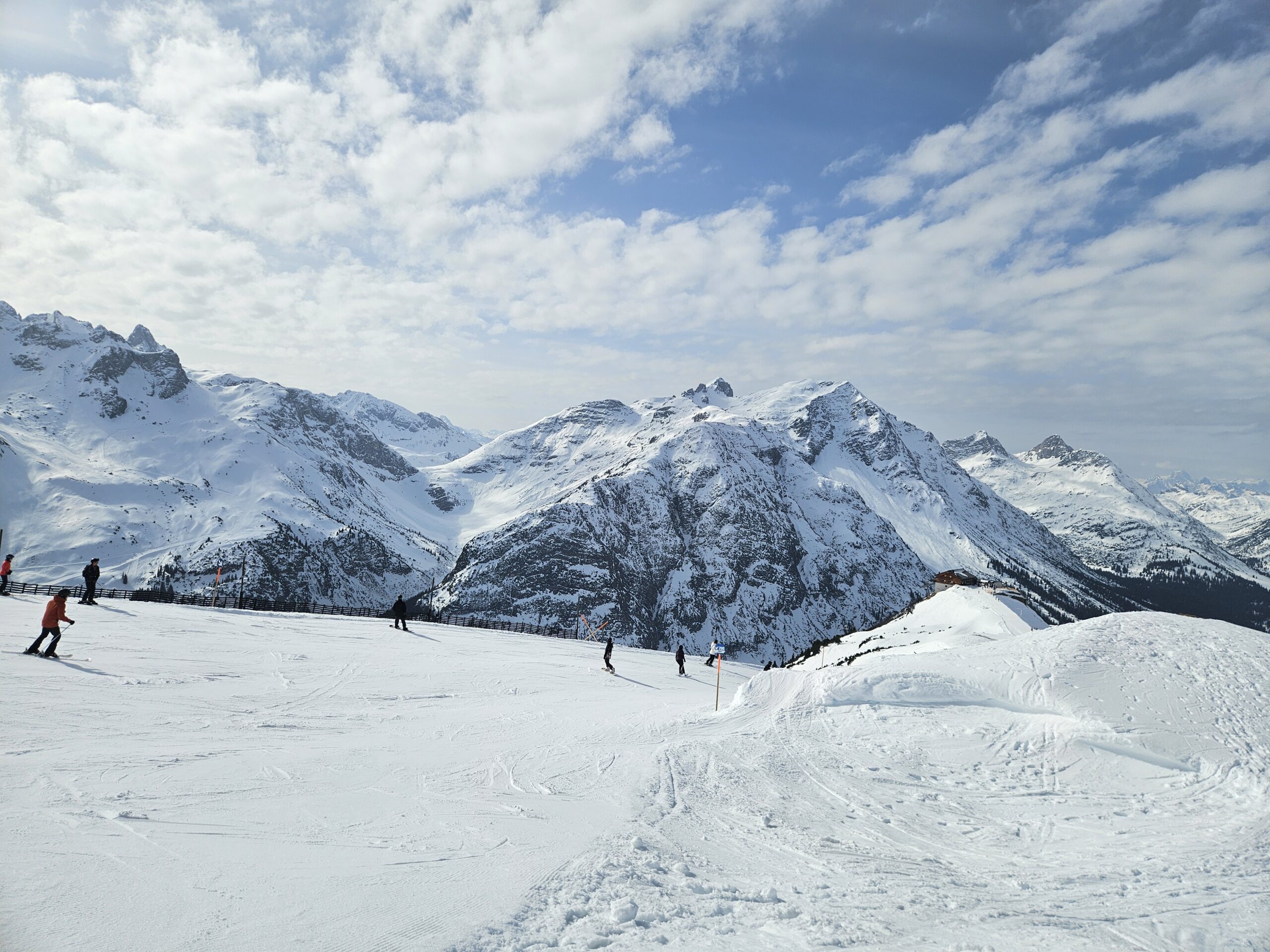
To combat this psychological shift and the economic drag of the March figures, Tirol Werbung has launched a significant promotional offensive. The organization invested half a million euros in additional funding for a late-winter campaign titled the "Glacier Spring" initiative. This program, conducted in collaboration with the five Tirolean glaciers and various cable car companies, utilizes live imagery and real-time weather data to entice visitors back to the slopes during the spring months.
The initiative aims to highlight the unique advantages of late-season skiing—longer daylight hours, milder temperatures, and high-altitude snow reliability—while offering "Glacier Spring" packages designed to offset the rising costs associated with "Trumplation." By partnering directly with tourism associations, the campaign seeks to stabilize the regional economy during the volatile transition between the winter and summer seasons.
Broader Impact and Future Outlook for Austrian Tourism
The 4.9% drop in March serves as a stark reminder of the tourism industry’s vulnerability to external shocks. As a sector that contributes significantly to Austria’s GDP, the health of tourism is closely tied to the nation’s overall economic stability. The "Trumplation" phenomenon, characterized by volatile exchange rates and protectionist trade policies, presents a medium-term challenge for European destinations that rely on a mix of domestic and international visitors.
Furthermore, the environmental and calendar-based factors mentioned by Statistics Austria cannot be ignored. The shifting of holiday periods, such as the timing of Easter and school breaks, often creates year-on-year fluctuations that complicate the interpretation of monthly data. However, the 2026 data suggests that the geopolitical layer is currently the dominant variable.
Looking ahead to the summer of 2026, the Austrian tourism industry faces a dual challenge: navigating the continued uncertainty of the war in Iran and managing the inflationary pressures on European households. While the "Glacier Spring" initiative and the resilience of the domestic market provide a degree of optimism, the industry’s recovery to pre-conflict growth levels will likely depend on a stabilization of the international political landscape.
In conclusion, the March 2026 tourism report highlights a crossroads for the Austrian Alpine region. While the winter season as a whole was a success, the abrupt decline in March underscores the need for diversified marketing and a focus on regional stability. As Elisabeth Zehetner noted, the ability of the domestic market to "offset some of the weaker demand from abroad" will be the defining feature of the industry’s resilience in an increasingly unpredictable global environment. For now, the focus remains on the "Glacier Spring" and the hope that regional security will once again become the primary draw for international travelers.

