
The 30th annual United Nations Climate Change Conference, known as COP30, concluded its proceedings in Belém, Brazil, leaving a complex legacy defined by a stark contrast between grassroots ambition and diplomatic deadlock. Situated in the heart of the Amazon rainforest—often described as the "lungs of the planet"—the summit drew approximately 60,000 participants from nearly 200 nations. While the gathering served as a global stage for Indigenous leadership and subnational climate initiatives, the final negotiated outcomes faced criticism for failing to explicitly address the primary driver of global warming: fossil fuels. The summit highlighted the persistent friction between the urgent scientific necessity for a 55% reduction in greenhouse gas emissions by 2035 and the geopolitical realities of energy production.
The Geopolitical Landscape and the Belém Mandate
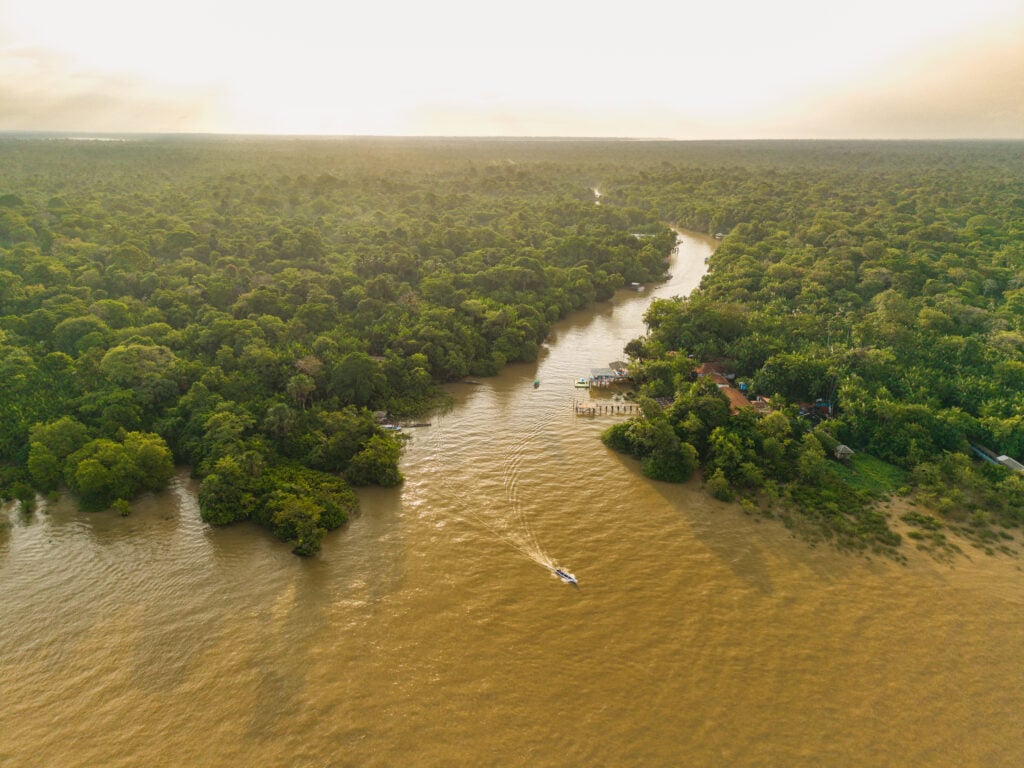
The selection of Belém as the host city was a deliberate symbolic gesture by the Brazilian government, intended to center the Amazon and its Indigenous stewards in the global climate conversation. As the "gateway to the Amazon," Belém provided a visceral backdrop for negotiations, reminding delegates of the biodiversity and carbon sequestration capacity currently at risk due to deforestation and rising temperatures.
The primary objective of COP30 was to establish clear pathways for Nationally Determined Contributions (NDCs) that align with the 1.5°C warming limit established by the Paris Agreement. However, the conference occurred during a period of significant geopolitical transition. The United States, historically a central broker in climate negotiations, did not send an official federal delegation under the current administration. This vacuum in federal leadership shifted the burden of diplomacy to other major economies and subnational actors, altering the traditional power dynamics of the Blue Zone—the restricted area where formal UN negotiations occur.
Chronology of COP30: From Subnational Action to Diplomatic Tension
The momentum for COP30 began prior to the official start date of November 11, with the Local Leaders Forum held in Rio de Janeiro. This preliminary gathering saw governors, mayors, and municipal leaders from 26 U.S. states and various international provinces coordinate on climate resilience strategies.
During the first week of the summit in Belém, the Blue Zone buzzed with technical exhibits and high-level announcements. California Governor Gavin Newsom emerged as a prominent figure, bypassing federal absence to sign significant bilateral agreements. These included a methane reduction pact with Colombia and an expansion agreement for electric vehicle (EV) infrastructure with Nigeria. These actions underscored a growing trend in global climate policy: the "all-in" approach, where states, provinces, and cities bypass national gridlock to enact meaningful environmental regulations.
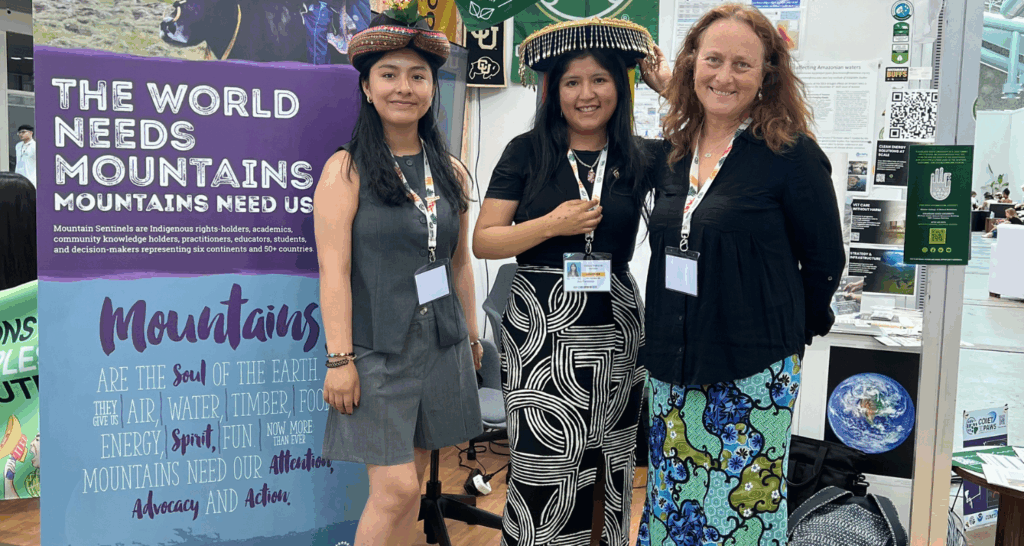
The second week saw the arrival of civil society groups and researchers, including the Research and Independent Non-Governmental Organizations (RINGO) constituency. Academic institutions, such as Colorado State University (CSU), and NGOs like the Mountain Sentinels Alliance and Instituto de Montaña, presented data on the accelerated melting of glaciers in the Andes and the Rockies. Simultaneously, the negotiation rooms became sites of intense friction. While over 80 nations pushed for a definitive timeline to phase out coal, oil, and gas, a small but influential group of petrostates successfully lobbied to exclude the term "fossil fuels" from the final consensus document.
The Representation Gap: Indigenous Voices and Lobbyist Influence
One of the most touted successes of COP30 was the increased presence of Indigenous delegates. Representation in the Blue Zone rose to 900 delegates, a 200% increase from the 300 present at COP29. Indigenous leaders utilized the platform to demand land rights and direct access to climate financing, arguing that their traditional stewardship is essential for preserving the remaining 80% of the world’s biodiversity.
However, data released during the summit suggested that presence does not always equate to political power. Analysis indicated that there were more than 1,800 fossil fuel lobbyists registered at the event—outnumbering Indigenous representatives two-to-one. This disparity was further highlighted by the Brazilian government’s own internal contradictions; shortly before the summit began, Brazil moved forward with new exploratory oil drilling projects, a move that protesters characterized as a betrayal of the "Amazon COP" spirit.

Furthermore, structural inequities hindered the participation of Global South delegates. Despite having accreditation and funding, several representatives from mountain communities in Africa and South America were unable to attend due to transit visa restrictions and the lack of multilingual support. In many instances, programming was conducted exclusively in English, marginalizing Quechua and Spanish-speaking delegates from the Andean regions who were there to report on the frontline impacts of climate change.
Climate Litigation and the Accountability Movement
A significant theme of COP30 was the intersection of climate science and international law. A documentary team followed Saúl Luciano Lliuya, a Peruvian farmer whose landmark lawsuit against the German energy giant RWE has become a cornerstone of global climate litigation. Lliuya’s case argues that major polluters must be held financially responsible for the glacial retreat threatening his community in the Andes.
At the summit, Lliuya participated in actions organized by Greenpeace, urging governments to create a formal "roadmap" for making polluters pay. This push for accountability was echoed by Senator Sheldon Whitehouse of Rhode Island, the sole member of the U.S. Congress in attendance. Whitehouse addressed audiences in Belém, stating that the "freedom to pollute for free" remains the greatest barrier to climate safety. He attributed the partisan divide on climate policy in the U.S. to the billions of dollars spent by the fossil fuel industry on political influence.

Supporting Data: The Emissions Gap and Financial Requirements
The technical reports released during COP30 provided a sobering statistical framework for the negotiations. According to the United Nations Environment Programme (UNEP), the world currently faces a "commitment gap." To remain on a trajectory that limits warming to 1.5°C, global greenhouse gas emissions must be reduced by 55% by 2035. Current NDCs, even if fully implemented, would only result in a fractional decrease, potentially leading to a temperature rise of 2.5°C to 2.9°C by the end of the century.
The summit did achieve incremental progress in the following areas:
- The Loss and Damage Fund: Delegates moved closer to operationalizing the fund intended to assist vulnerable nations recovered from climate-driven disasters, though total pledges remain far below the trillions required.
- Methane Mitigation: New satellite monitoring data was integrated into the Global Methane Pledge, allowing for better detection of "super-emitter" leaks in the energy sector.
- Mountain Agenda: For the first time, the UNFCCC process saw increased coordination regarding the "water towers" of the world—mountain ranges that provide freshwater to billions but are warming at twice the global average rate.
Analysis of Implications: A Fragmented Future
The omission of "fossil fuels" from the final document at COP30 represents a significant diplomatic setback, yet the summit revealed a world that is no longer waiting for a single, universal consensus to act. The "Belém spirit" was defined by the rise of civil society, the persistence of subnational governments, and the increasing sophistication of climate litigation.
The absence of a formal U.S. delegation created a leadership vacuum that was partially filled by the European Union and the "High Ambition Coalition," but it also allowed obstructionist states to exercise greater control over the final text. This suggests that the future of climate action may become increasingly fragmented, with "coalitions of the willing" moving forward on aggressive decarbonization while the official UN process struggles with the constraints of required unanimity.
The legacy of COP30 will likely be measured by what happens outside the negotiation rooms. The alliances formed between Indigenous youth activists from the Peruvian Andes and researchers from North American universities, or the bilateral trade deals for EV technology, represent a decentralized model of climate governance. As one negotiator noted during the closing sessions, the current era of the climate crisis requires "everyone, everywhere, all at once"—a sentiment that reflects both the desperation and the collaborative potential of the 60,000 people who gathered in the Amazon.
Conclusion and Outlook
As delegates departed Belém, the focus shifted toward COP31 and the 2025 deadline for nations to submit their updated NDCs. The failure to mention fossil fuels in Brazil serves as a reminder of the economic interests that remain entrenched in the global energy system. However, the visibility of Indigenous solutions and the growing power of subnational actors suggest that the momentum for a transition is becoming harder to suppress. For mountain communities, the Outdoor State, and the stewards of the Amazon, the message from COP30 was clear: while international diplomacy is slow and often compromised, the scientific and social imperative for action continues to accelerate.

