
At the southern reaches of the planet, where the terrestrial ice of the Antarctic continent meets the frigid Southern Ocean, a team of researchers is attempting to resolve one of the most critical uncertainties in modern climate science: the structural integrity of the world’s largest ice masses. Dr. Ali Banwell, a Research Scientist at the University of Colorado Boulder and a Professor in Glaciology at Northumbria University, recently concluded a pivotal field season on the McMurdo Ice Shelf. As a member of the Protect Our Winters (POW) Science Alliance, Banwell’s work transcends academic curiosity, touching upon the future of global coastlines and the stability of the Antarctic Ice Sheet.
The Antarctic Ice Sheet is a behemoth of frozen water that, if entirely melted, possesses the potential to raise global sea levels by approximately 190 feet. While the total liquidation of this ice sheet is not an immediate threat, the mechanisms that govern its gradual disintegration are already in motion. Central to this process are ice shelves—massive floating extensions of land-based glaciers that ring roughly 75% of the Antarctic continent. These shelves act as a physical "buttress," providing back-pressure that slows the flow of glacial ice from the land into the sea. When an ice shelf collapses, the glaciers behind it accelerate, dumping ice into the ocean and directly contributing to sea-level rise.
The Mechanics of Glacial Buttressing and the Threat of Collapse
To understand the urgency of Dr. Banwell’s research, one must first grasp the role of the "buttressing effect." Glaciologists often compare ice shelves to the flying buttresses of a cathedral; they are the external supports that keep the main structure from splaying outward. In the Antarctic context, the ice shelves resist the seaward flow of the continental ice sheets.
However, these defenses are increasingly fragile. Over the last three decades, several major ice shelves have undergone rapid disintegration. The most notable examples include the Larsen A ice shelf in 1995 and the spectacular collapse of the Larsen B in 2002, which saw 1,250 square miles of ice vanish in just over a month. More recently, the Larsen C shelf produced one of the largest icebergs ever recorded, A-68, signaling continued instability.
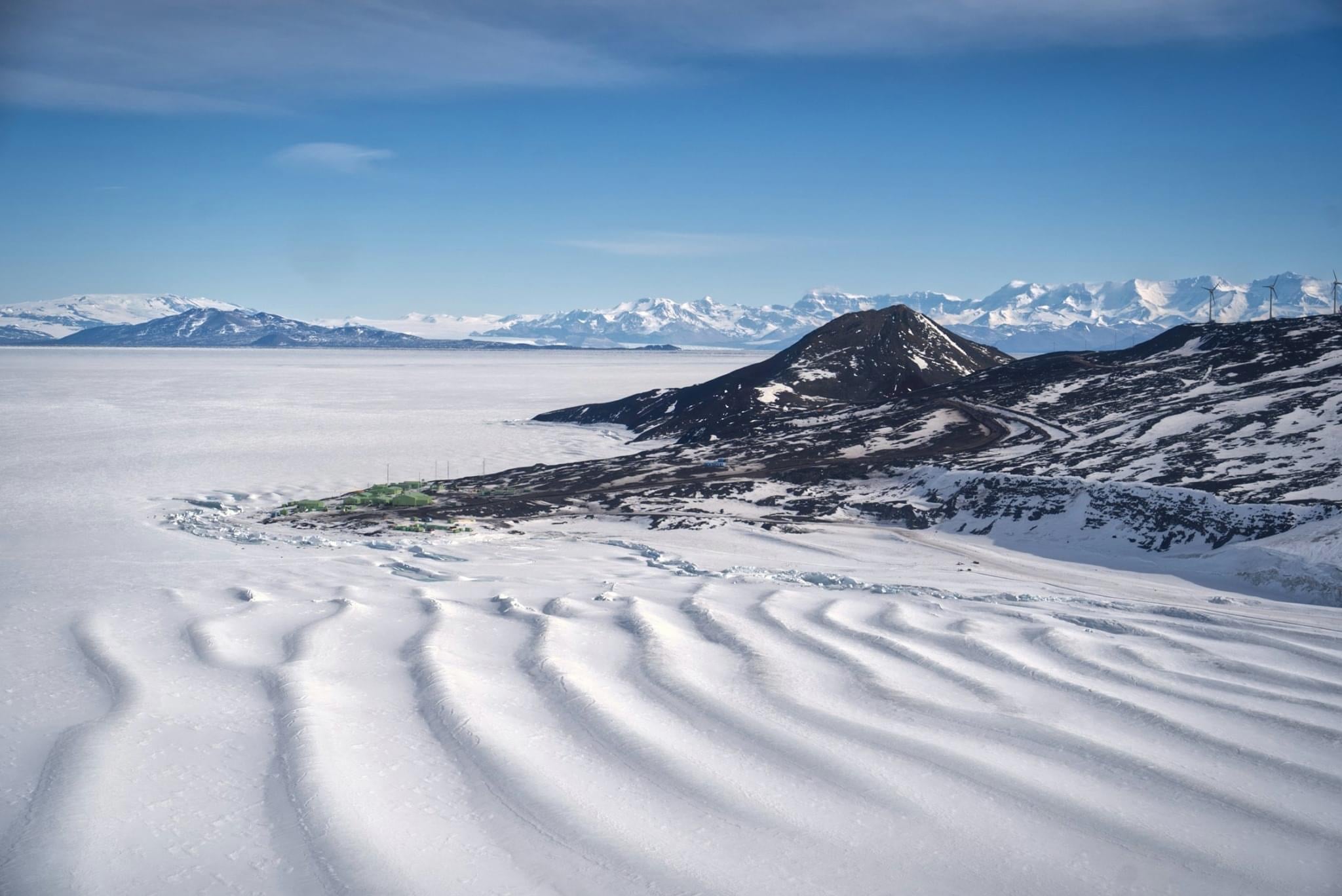
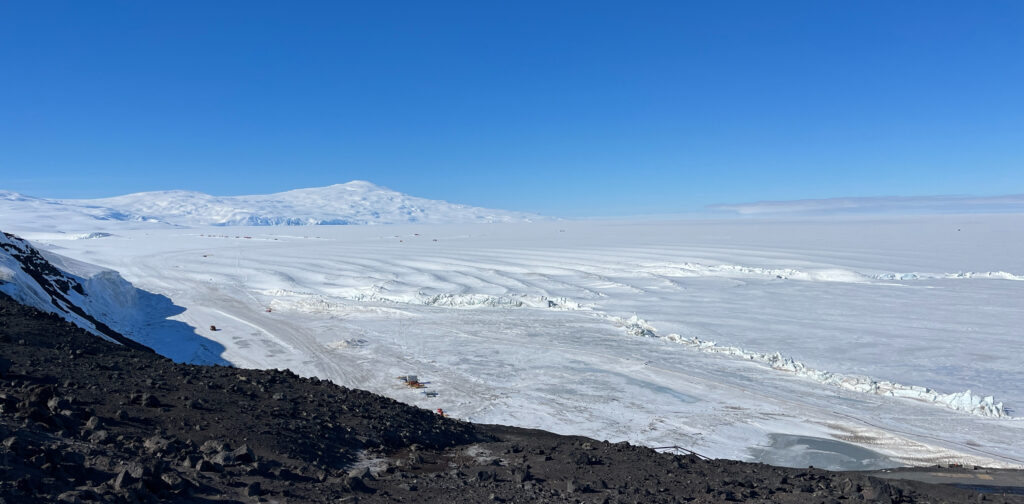
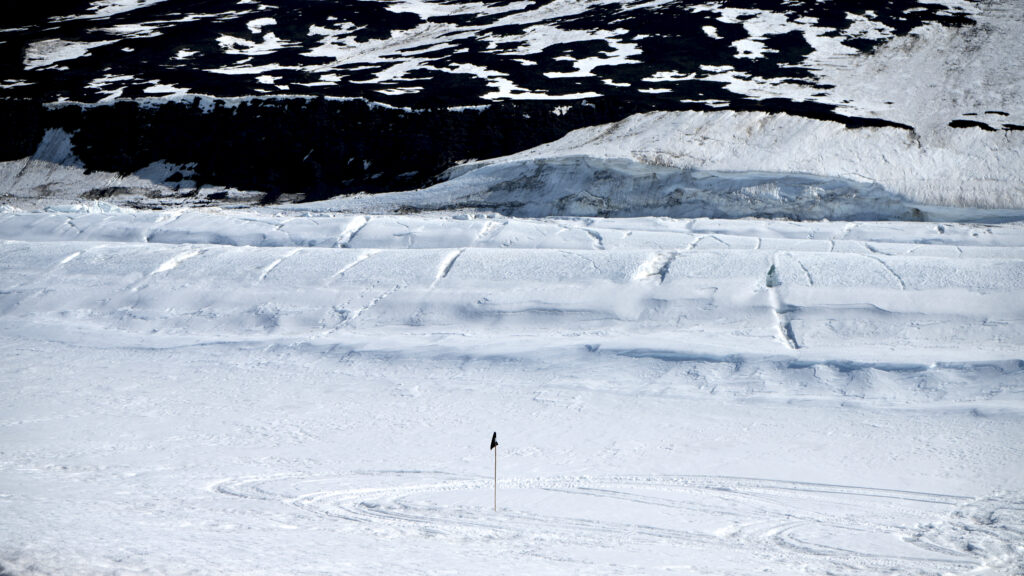
Dr. Banwell’s current research focuses on the McMurdo Ice Shelf, located near the United States’ McMurdo Research Station on Ross Island. This region serves as a microcosm for studying the complex stresses that lead to ice shelf failure. Unlike typical shelves that flow relatively unimpeded toward open water, the McMurdo Ice Shelf experiences unique geographic constraints. Parts of the ice are being forced into land masses, creating a compression effect that results in "ice shelf rumples"—wave-like ridges and fractures that indicate intense internal pressure.
The Mystery of the Rumples: Stabilization or Weakness?
The central question of the National Science Foundation (NSF)-funded project led by Dr. Banwell is whether these rumples serve to anchor the ice shelf or if they act as structural weak points that predispose the shelf to fracturing. "The answer matters because ice shelves play a critical role in slowing the flow of glaciers on land into the ocean," Banwell explains.
If the rumples provide friction and stability, they may be a key factor in the longevity of the Ross Ice Shelf system. Conversely, if the "buckling" of the ice within these rumples creates deep crevasses, it could facilitate a process known as hydrofracturing. This occurs when surface meltwater fills cracks, driving them deeper into the ice through hydrostatic pressure, eventually leading to a catastrophic "shattering" of the shelf.
To investigate this, Banwell led a specialized team of four for a six-week intensive field season. The team included Co-Principal Investigator Ryan Cassotto of the University of Colorado Boulder and the University of Maine, as well as PhD students Michela Savignano and Allie Berry.
Chronology of the Field Season: Six Weeks on the Edge
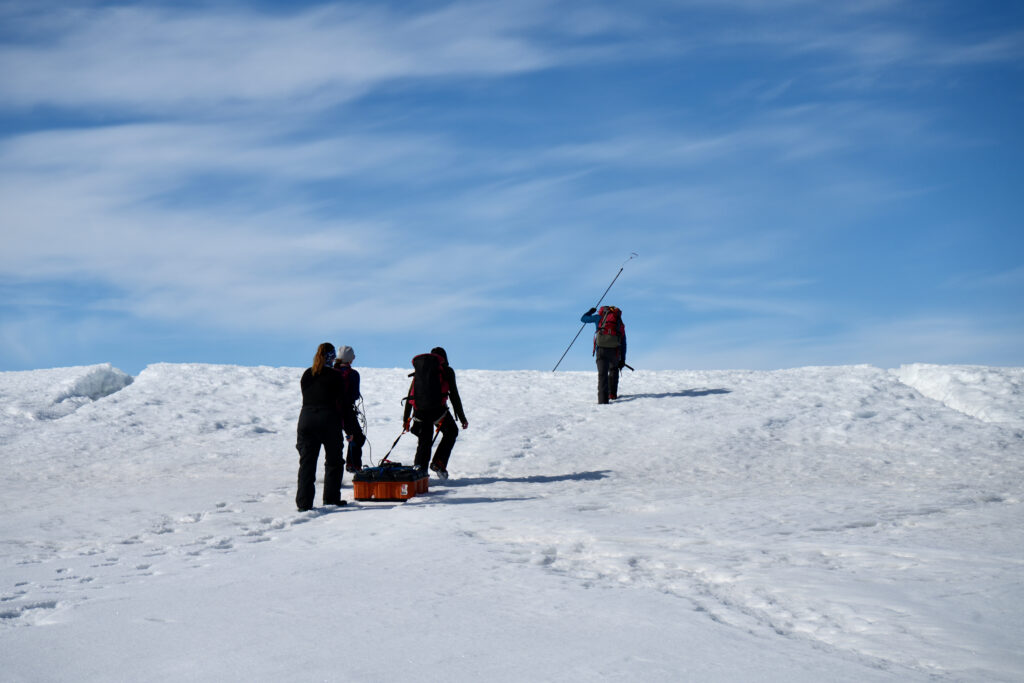
The expedition was characterized by grueling physical labor and high-precision scientific deployment. Each day, the team traveled from the research hub across the ice via snowmobiles, navigating a landscape that Banwell describes as "vast, remote, and at times almost otherworldly."
The timeline of the field season was dictated by the brief window of the Antarctic summer, where perpetual sunlight allows for 24-hour operations but also accelerates surface melting.
Week 1-2: Deployment and Calibration
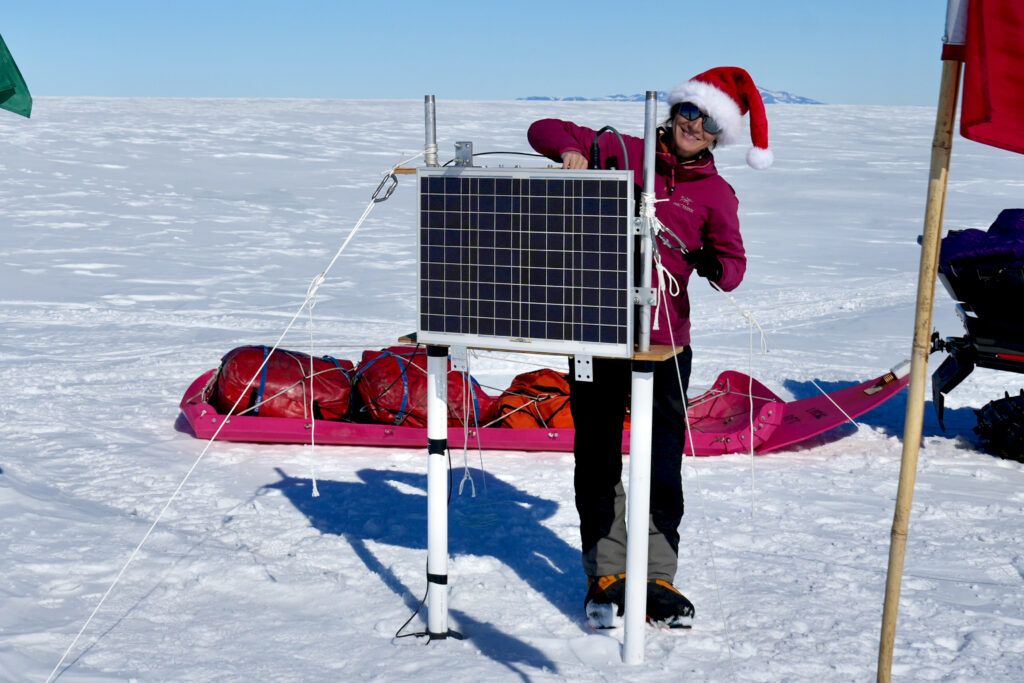
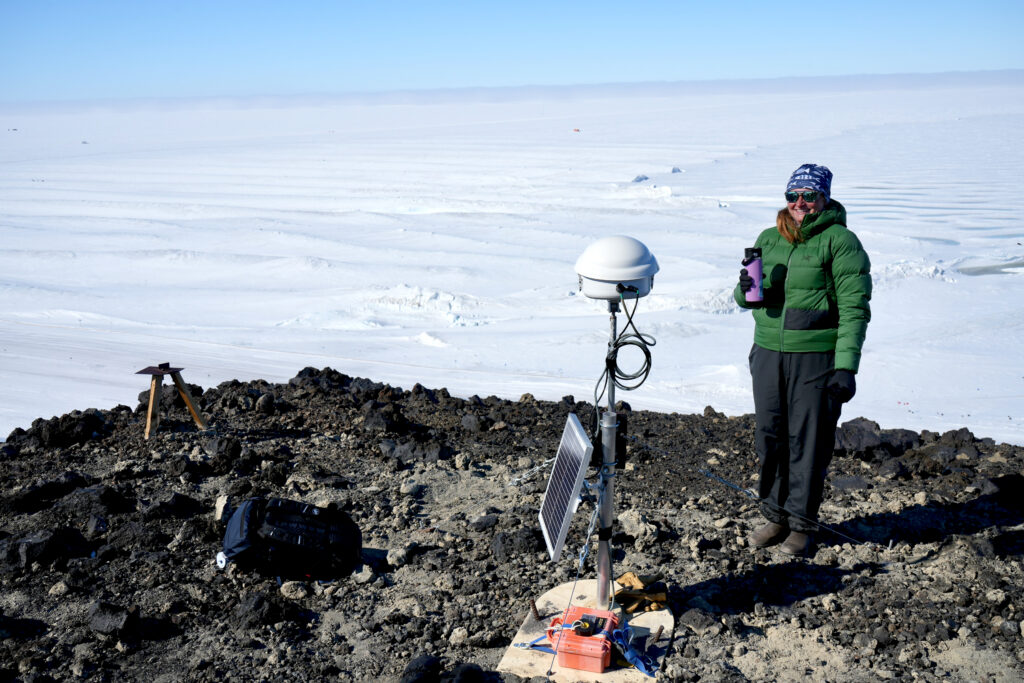
The initial phase involved the transport of heavy equipment to the rumple zone. The team established a sophisticated network of sensors designed to monitor the ice’s "vital signs." This included the installation of high-precision GPS units capable of detecting movement on a centimeter scale. These units allow researchers to track how the ice deforms in real-time as it encounters land-based obstacles.
Week 3-4: Seismic and Radar Mapping
The middle weeks were dedicated to "listening" to the ice. The team deployed seismometers to detect the acoustic signatures of internal cracking. Simultaneously, they used Ground Penetrating Radar (GPR) to look beneath the surface, measuring ice thickness and identifying internal deformation layers. This data provides a 3D view of the rumples, showing how the stress at the surface translates to the bottom of the ice shelf.
Week 5-6: Atmospheric Integration and Observation
The final weeks focused on environmental context. Weather stations were erected to capture wind speed, temperature, and solar radiation data. To maintain a continuous record after the team’s departure, automated cameras were positioned to take photographs every 30 minutes. These cameras will document the surface evolution of the rumples throughout the dark, brutal Antarctic winter.
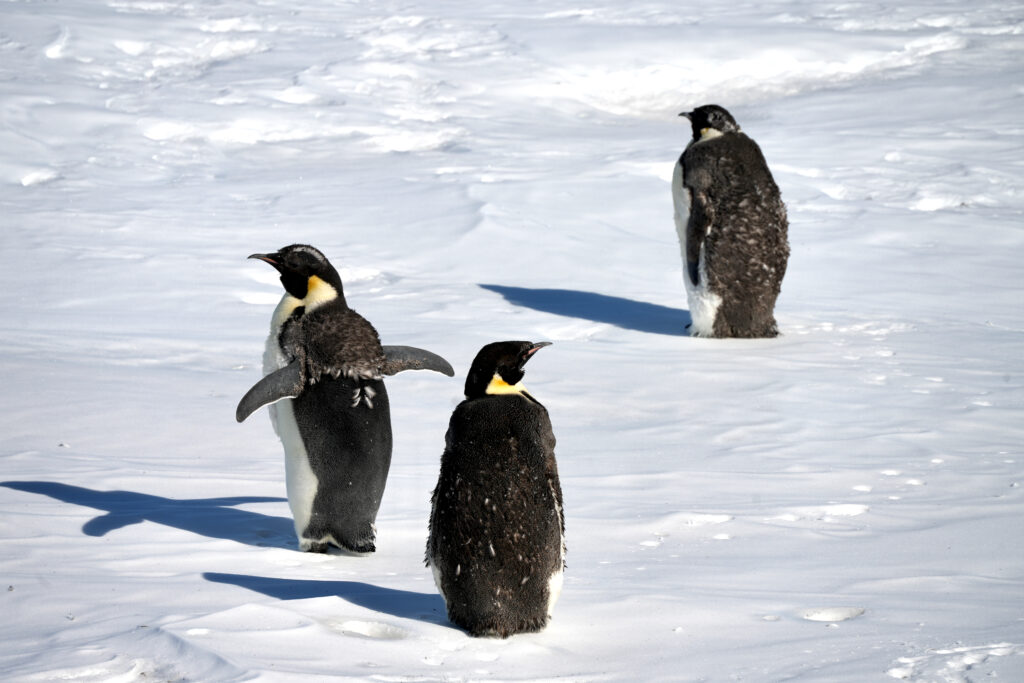
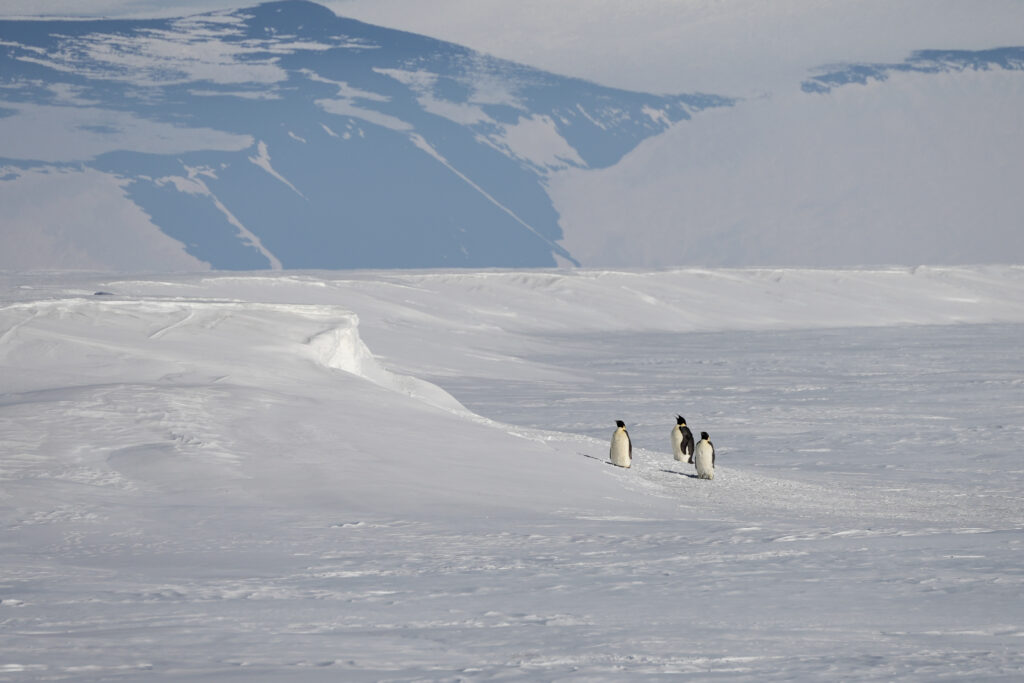
Throughout the expedition, the human presence was shadowed by the local wildlife. Three emperor penguins, in the midst of their annual molt, became regular fixtures at the field site. Because molting penguins lose their waterproof feathers, they are confined to the ice for several weeks, providing the researchers with a rare, close-up view of the species’ resilience in a changing habitat.
Preliminary Findings: A Dynamic and Warming Environment
While the full analysis of the data will take months, if not years, the preliminary observations from the field are striking. Dr. Banwell noted that the ice was moving significantly faster than anticipated—averaging one to two feet per day. While this may seem slow by human standards, in the context of glaciology, it represents a highly dynamic system under significant stress.
Furthermore, the team experienced the warmest summer in Banwell’s seven years of Antarctic field research. This localized warming had immediate physical consequences. As the seasonal snow cover melted earlier than usual, it revealed a "far more fractured" surface than had been seen in previous years.
"The team encountered more crevasses than anticipated," Banwell noted, highlighting the increasing dangers of field research. The prevalence of these cracks is a sobering indicator that the ice shelf is responding to thermal stress. As surface temperatures rise, the structural integrity of the ice is compromised, making the mountaineering and safety training of the research team more essential than ever.
Broader Impact: From the McMurdo Shelf to Global Coastlines
The data collected by Dr. Banwell’s team is not just an academic exercise; it is a vital component of global climate modeling. Current projections from the Intergovernmental Panel on Climate Change (IPCC) suggest a global sea-level rise of one to three feet by the end of the 21st century. However, these models are sensitive to "low-probability, high-impact" events—such as the sudden collapse of a major Antarctic ice shelf.
If the McMurdo and the larger Ross Ice Shelf were to destabilize, the resulting acceleration of land-based ice would necessitate a drastic upward revision of sea-level rise estimates. A rise of just three feet would be catastrophic for global civilization, potentially displacing over 100 million people. Cities like Miami, Shanghai, Amsterdam, and New York would face existential threats from chronic flooding and storm surges.
Dr. Banwell’s research provides the "ground-truth" data needed to refine these satellite-based models. By understanding the micro-mechanics of ice shelf rumples, scientists can better predict which parts of the Antarctic coastline are at the highest risk of failure.
Analysis of Implications and Future Outlook
The work of the POW Science Alliance members like Dr. Banwell highlights a critical shift in climate communication. By bridging the gap between high-level physics and the visceral reality of field research, these scientists are making the abstract threat of climate change tangible.
The instruments left behind on the McMurdo Ice Shelf are currently enduring the Antarctic winter—a period of total darkness and temperatures that can drop below -50 degrees Celsius. When the team returns next season to retrieve the data, they will possess a continuous record of how the ice shelf "breathes" and "cracks" under the pressure of the polar night.
The urgency of this research cannot be overstated. As global greenhouse gas emissions continue to influence atmospheric and oceanic temperatures, the "last line of defense" for the Antarctic continent is being tested. The movement of one to two feet per day observed by Banwell’s team is a reminder that the world’s ice is not a static monument, but a dynamic, changing force.
In the coming years, the synthesis of seismic signals, GPS tracks, and satellite imagery will provide a clearer picture of Antarctica’s future. For now, the global scientific community remains focused on the data being quietly collected in the dark, waiting for the return of the sun and the next chapter in the effort to understand the fate of our warming world. One to two feet of ice movement; one to three feet of sea-level rise. In the delicate balance of the Earth’s climate, these small numbers represent the difference between a stable future and a global crisis.

